BLACK AMERICANS, CIVIL RIGHTS, AND THE ROOSEVELTS, 1932-1962

The new Special Exhibit in the FDR Library
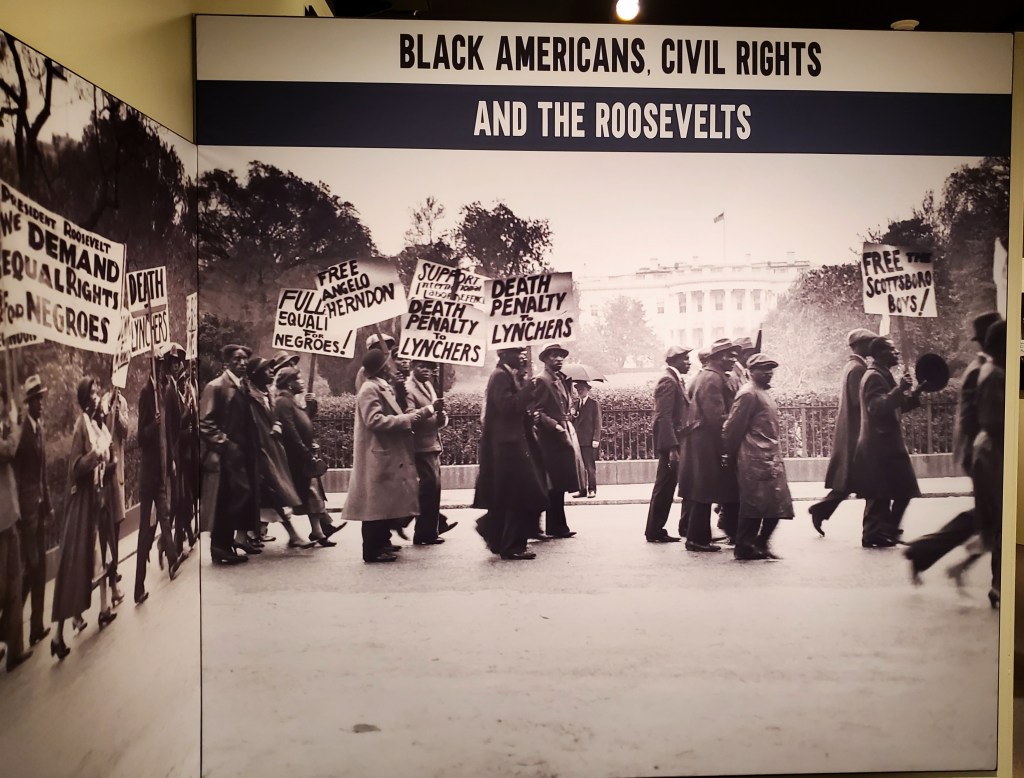


The FDR Museum Curator, Herman Eberhardt, gave the Docents a tour of the new Special Exhibit, BLACK AMERICANS, CIVIL RIGHTS, and THE ROOSEVELTS, 1932-1962.
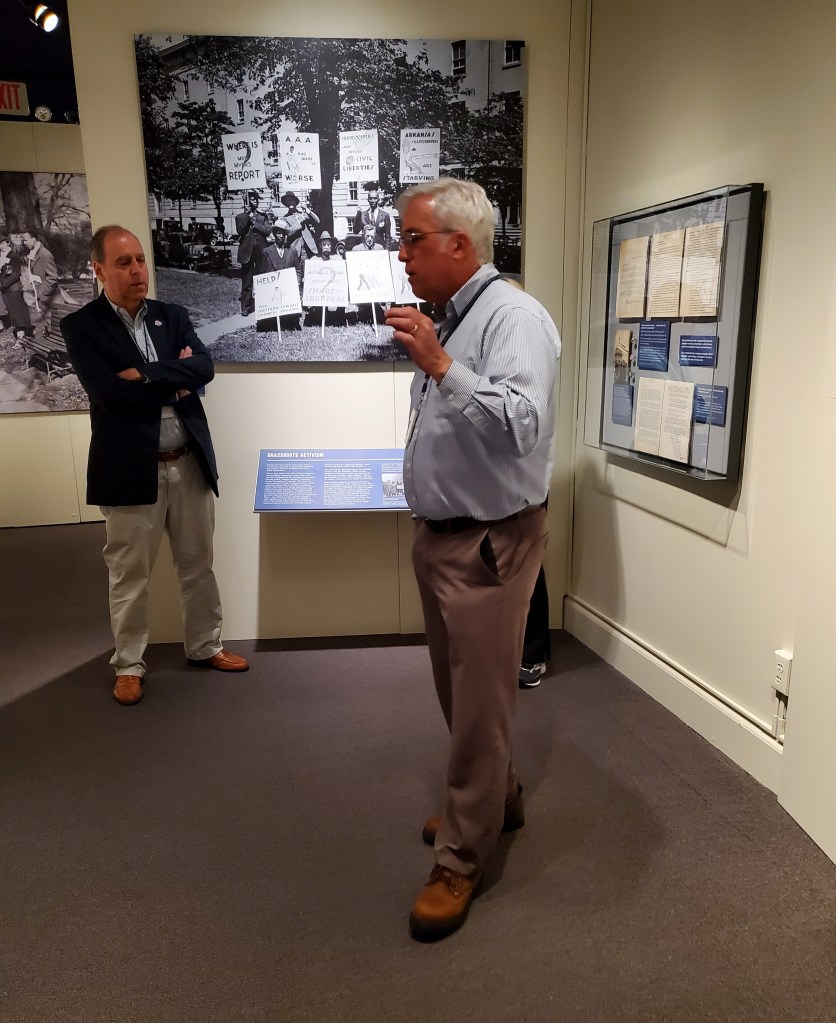
The FDR Museum Curator, Herman Eberhardt

He said that they worked on this Exhibit for 3 years, planning, consulting with historians, and designing the Exhibit.

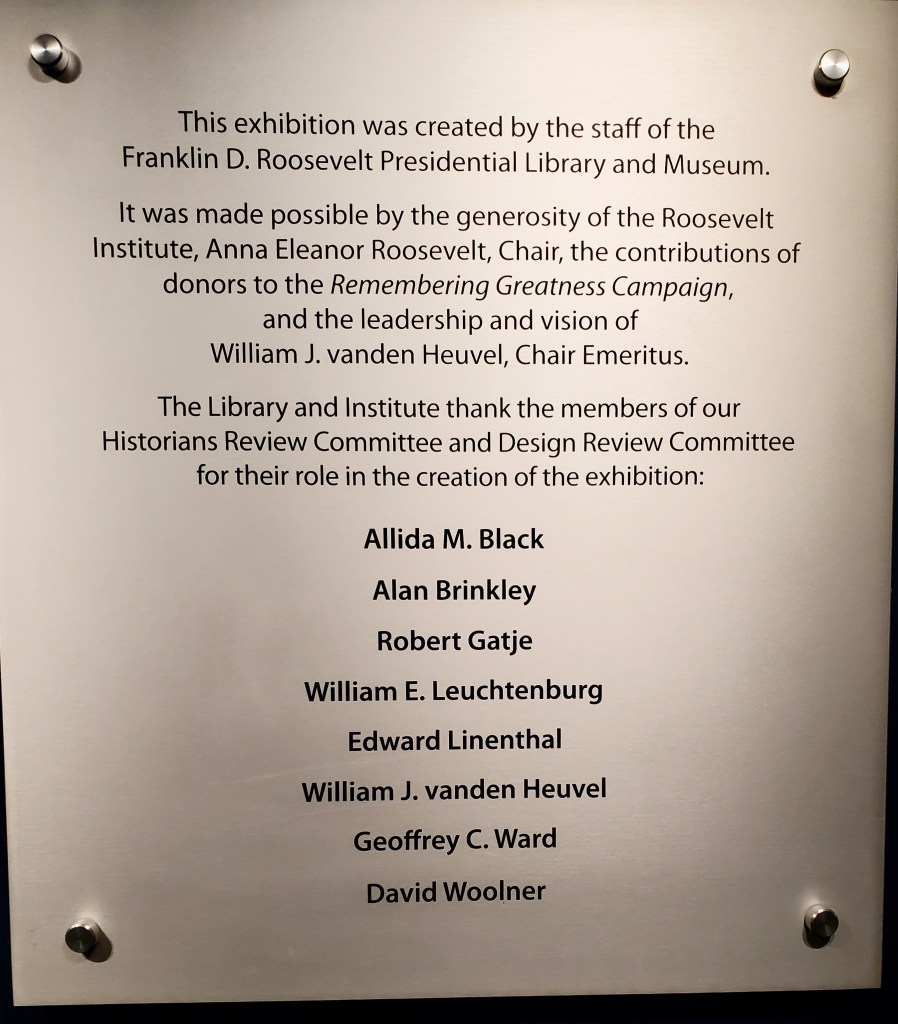
Consultants for this Exhibit

Mr. Eberhardt gave an incredibly detailed tour, and I was so impressed.

To summarize, the Roosevelts began the slow movement toward civil rights. Certainly not enough, but at least, a start.

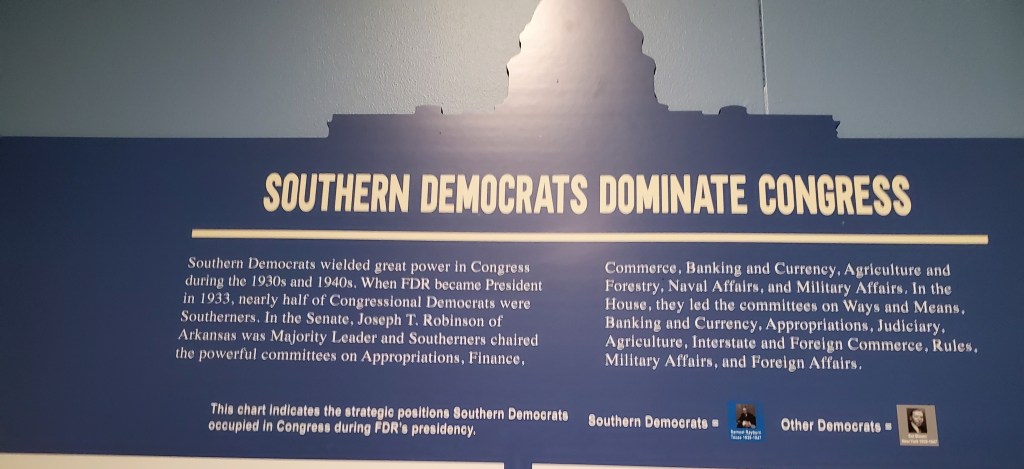
FDR, limited by the Southern Democrats who controlled the House and Senate and were completely racist, had to navigate a fine line if he were to be able to pass any legislation and maintain their support.

He always looked at a situation through the political lens that would do the most good for the most people

Eleanor was much more vocal and active in her support which steadily grew and continued until her death.

As someone once told me, Eleanor knew what SHOULD be done. FDR knew what COULD be done.
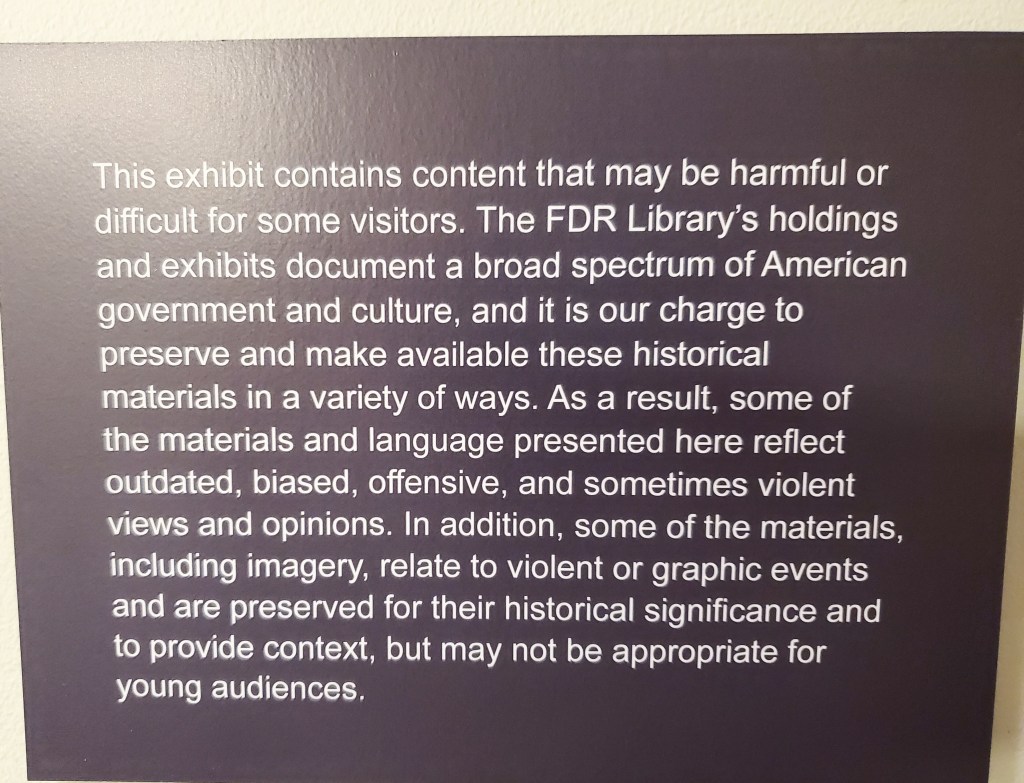
At the start of the exhibit, a note of warning that the exhibit may be disturbing and offensive due to content.
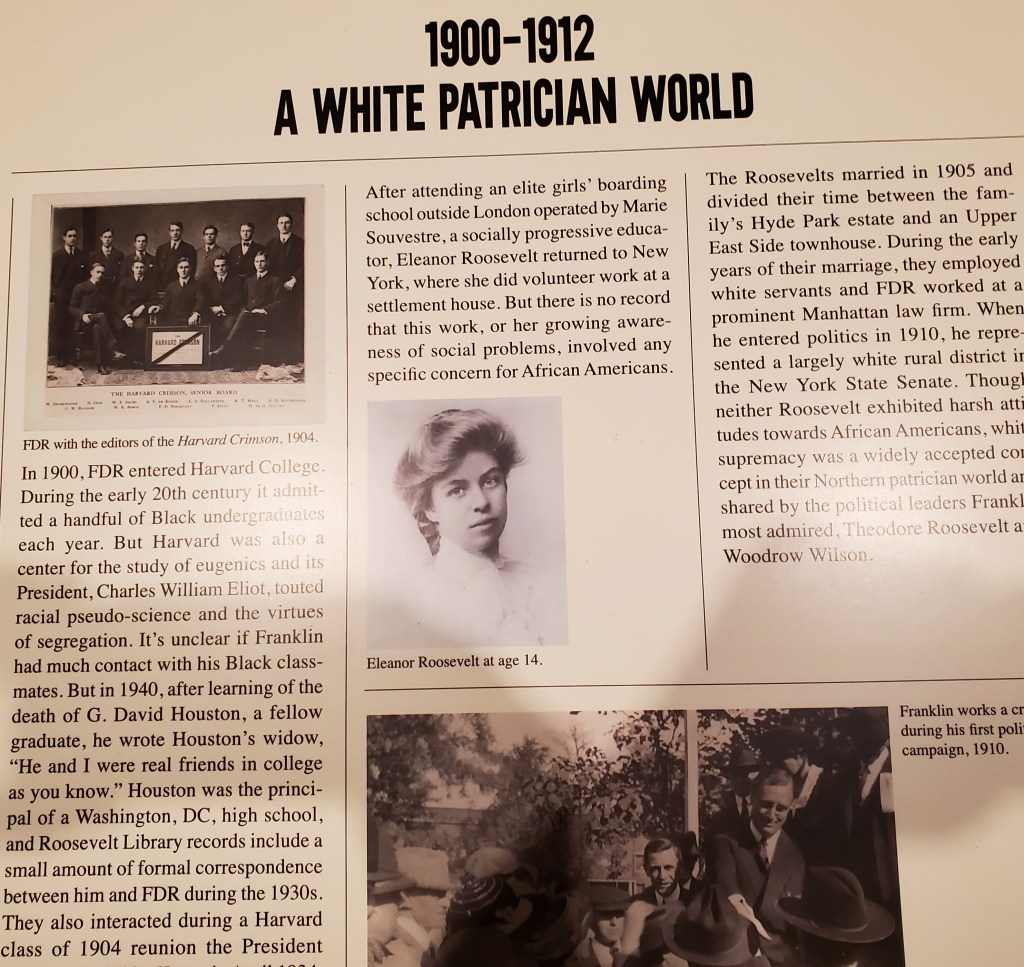
The Roosevelts grew up in a society without people of color. It was just not something that concerned them. Once they moved to Washington in 1913, they did employ Blacks as servants.
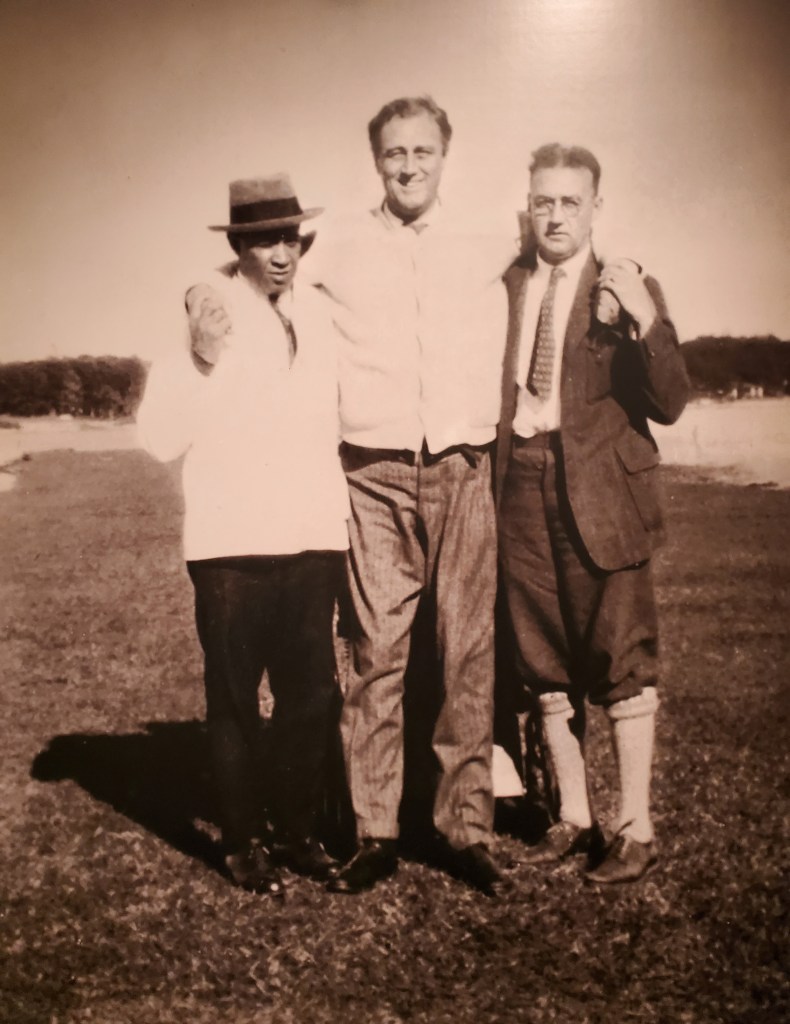
Once FDR was stricken with polio, he always had Black valets who aided him with his most personal activities, dressing, bathing, etc.


In 1932, Blacks begin to consider leaving the Republican Party and look at the Democrats..maybe
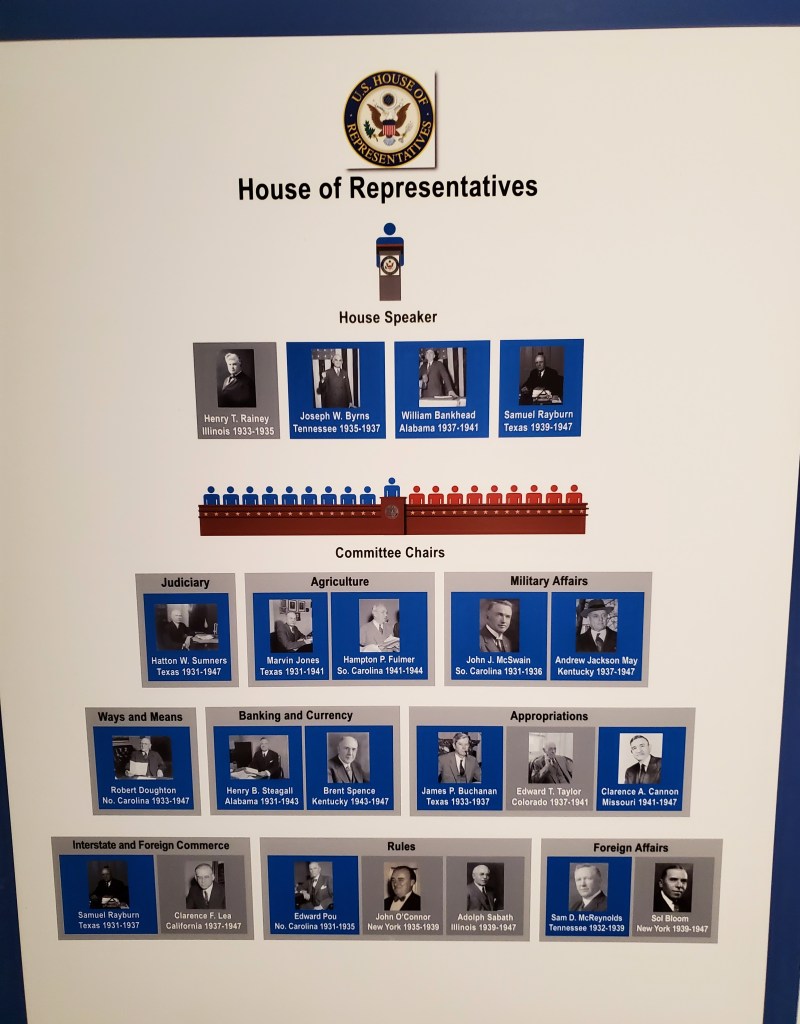
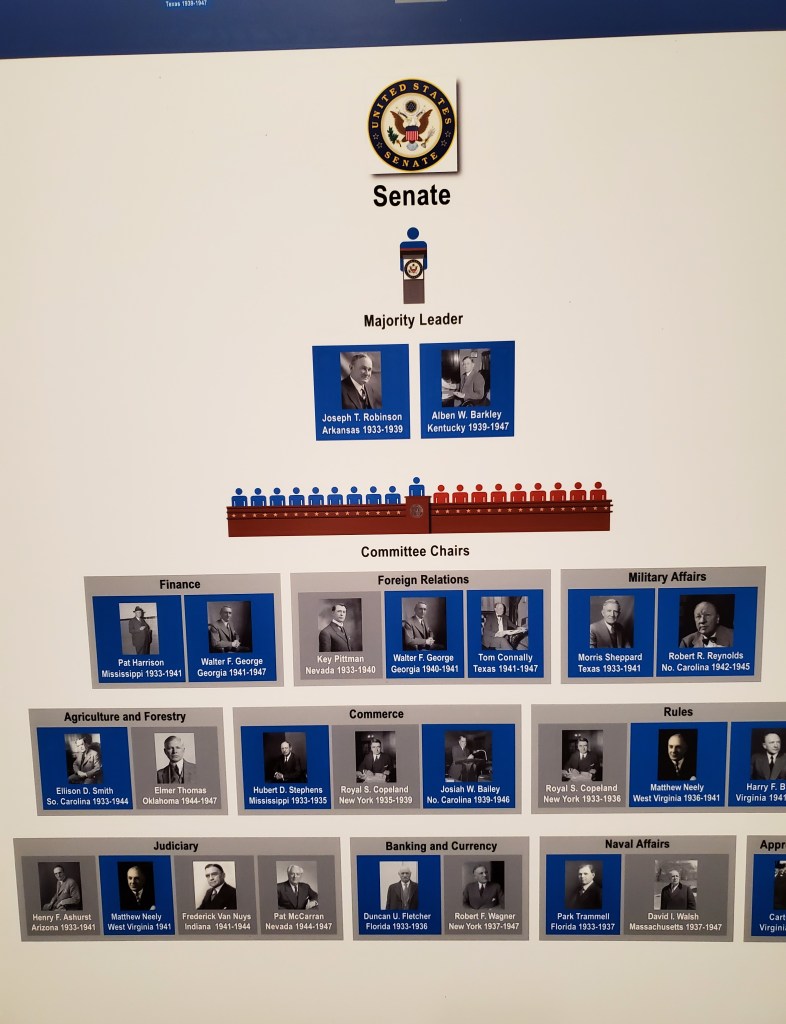
Southern Democrats control both houses of Congress and were racist.
Blue photos are Southern Democrats in House
Blue photos are Southern Democrats in the Senate.

To pass any New Deal legislation, these Southerns had to vote, Aye. FDR had to “deal” with this situation.


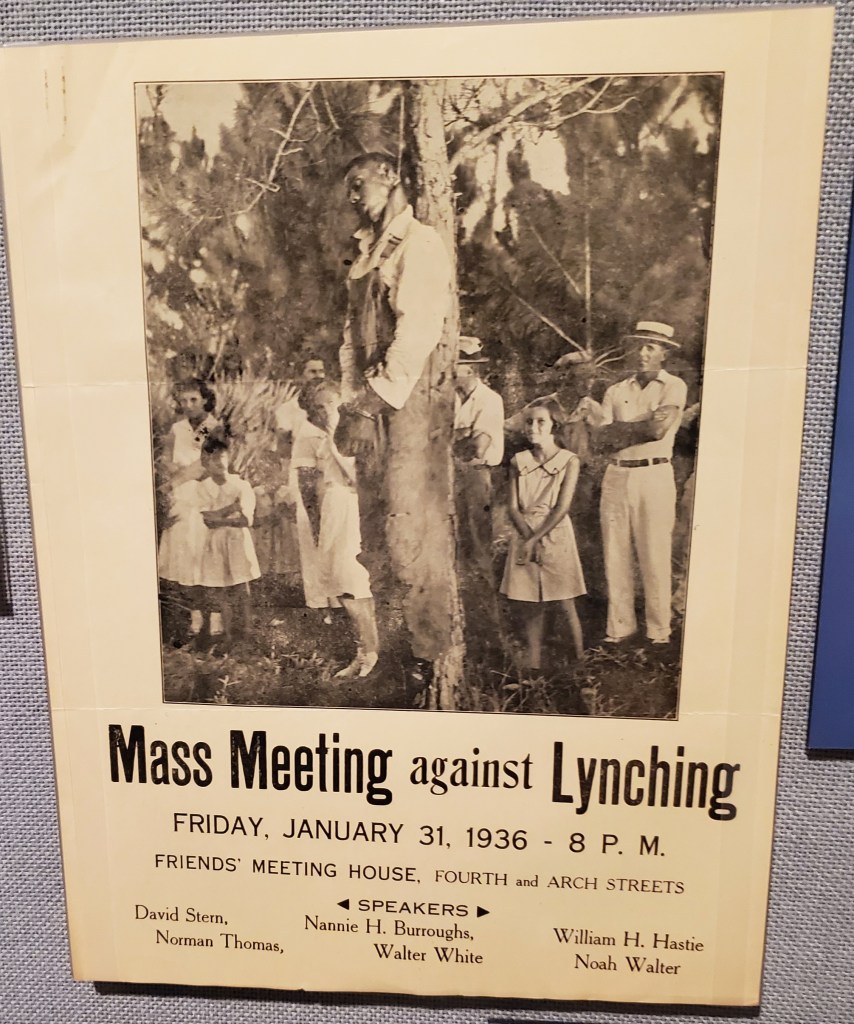
“If I come out for the anti-lynching bill now, [southern Democrats] will block every bill I ask Congress to pass to keep America from collapsing. I just can’t take the risk.” May 1934..
FDR

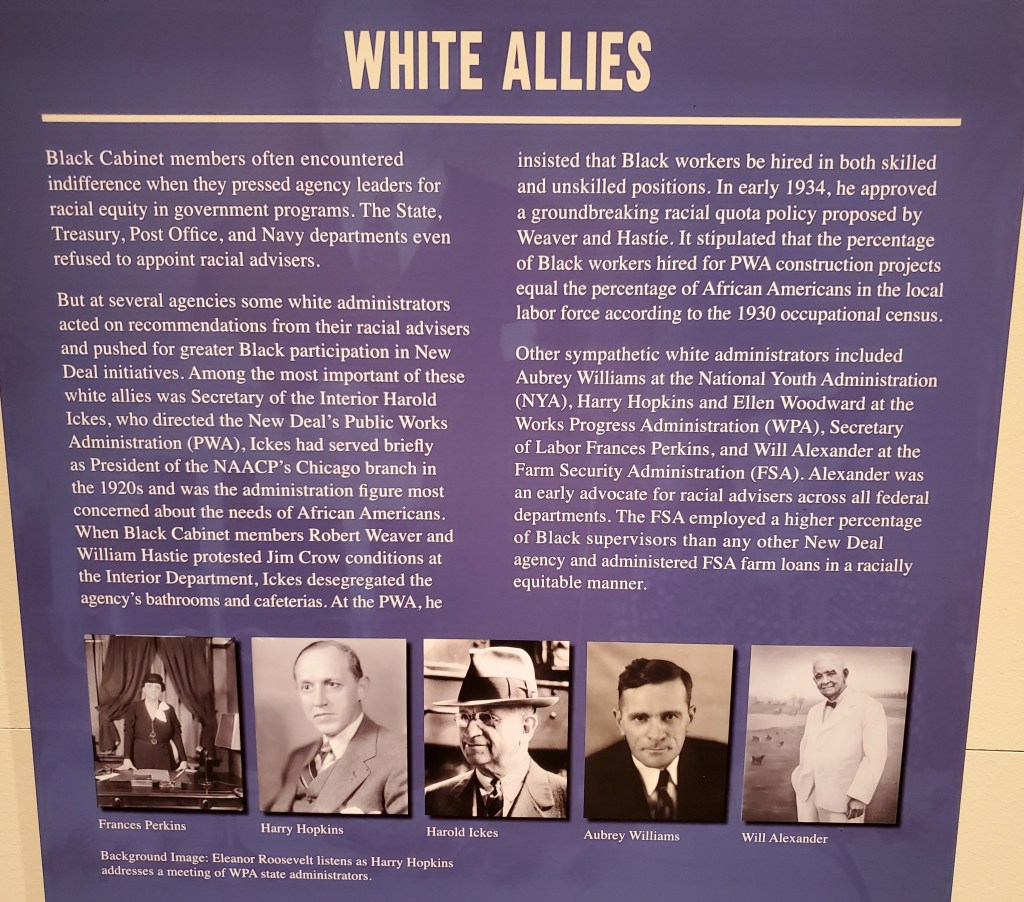
Supporters of civil rights included 2 cabinet members, and close advisor, Frances Perkins, Harry Hopkins, and Harold Ickes
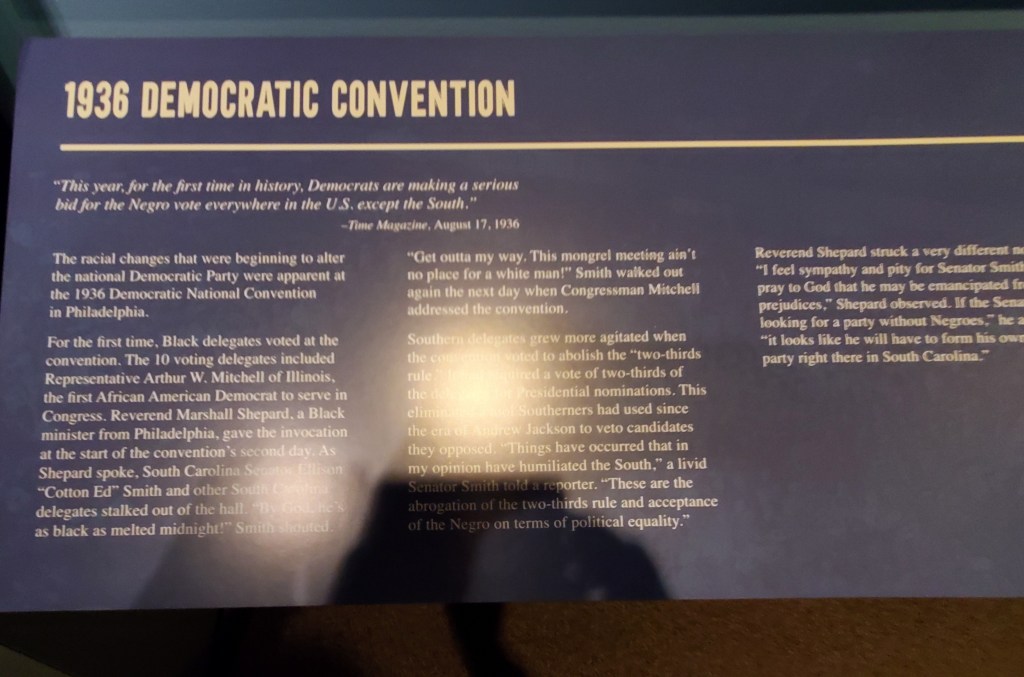
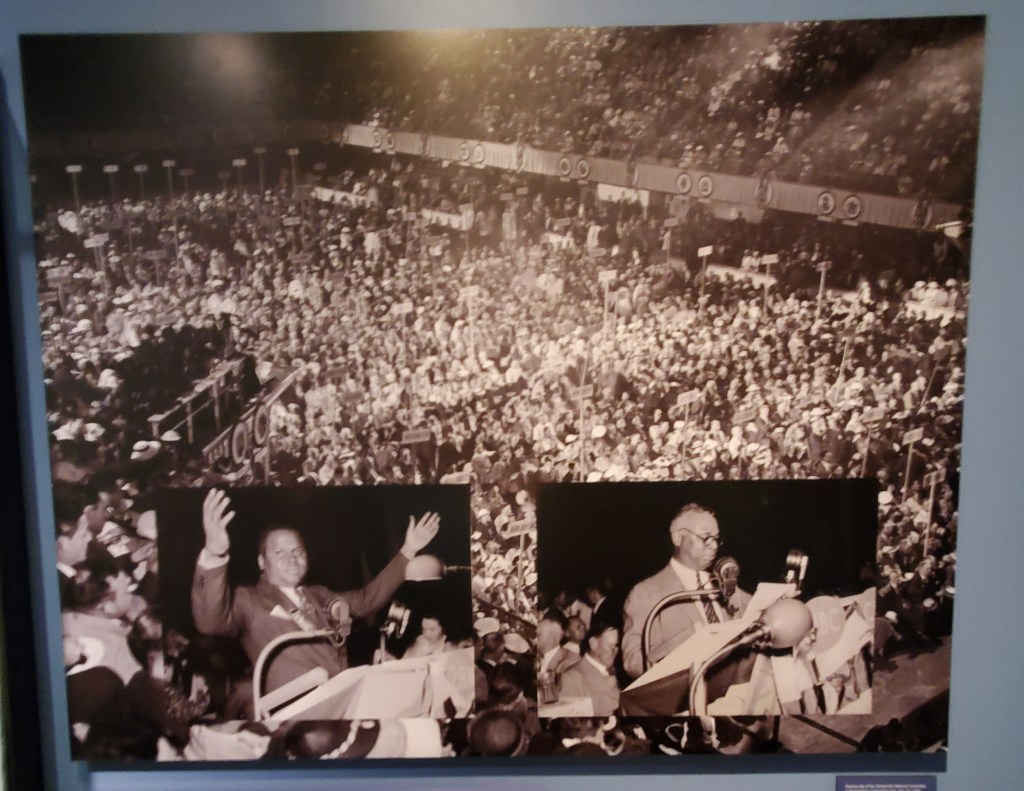
At the 1936 Democratic Conelvention, 2 speakers were African-Americans. The Democratic Party was becoming their party. In 1932 there had been no Blacks.

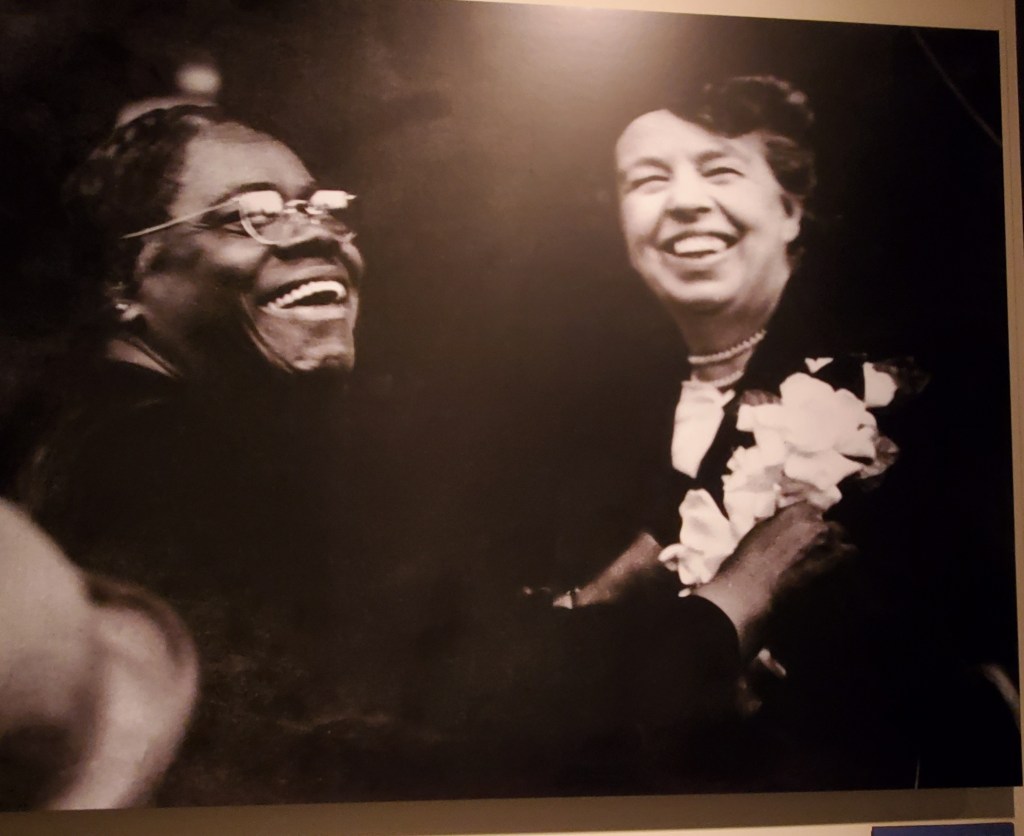
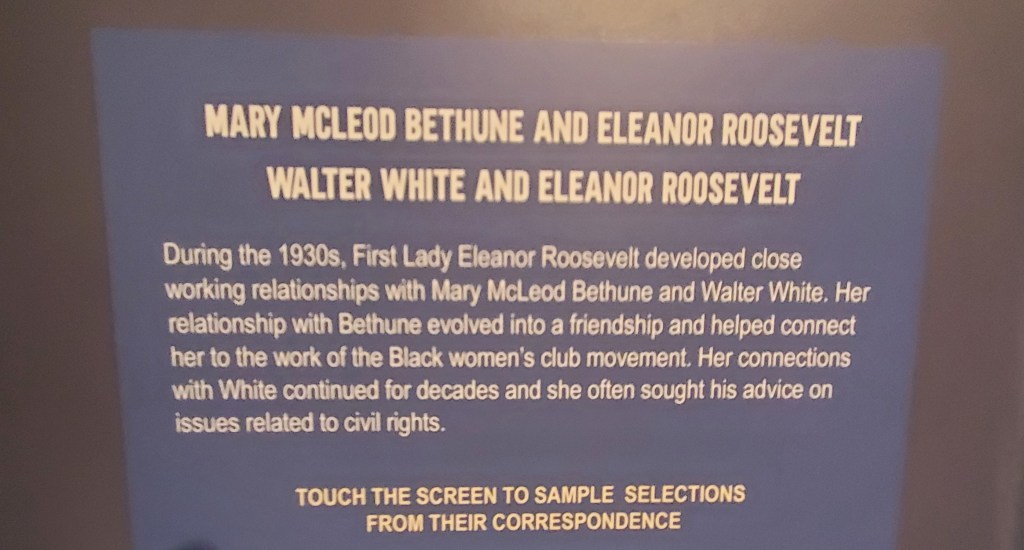
Eleanor continually pushed for more equal rights and worked with movement leaders in their struggle.
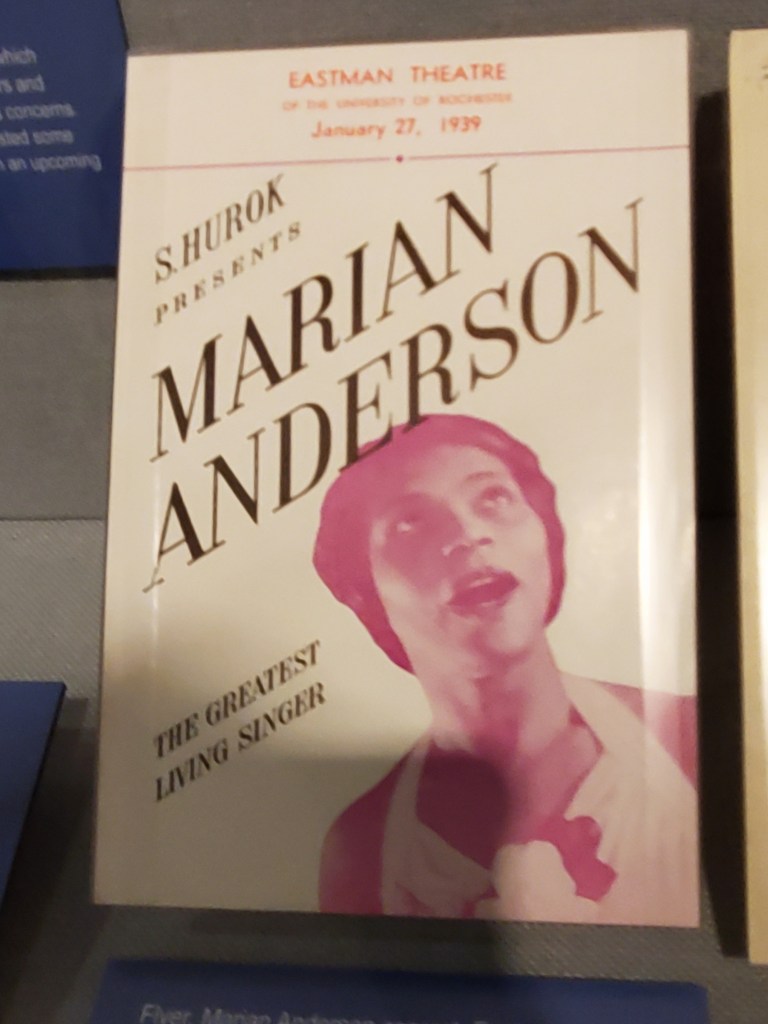
Marion Anderson sings at Lincoln Memorial Supported by Eleanor and Ickes. Eleanor resigned from DAR due to their refusal to allow Anderson to sing in a venue they controlled.
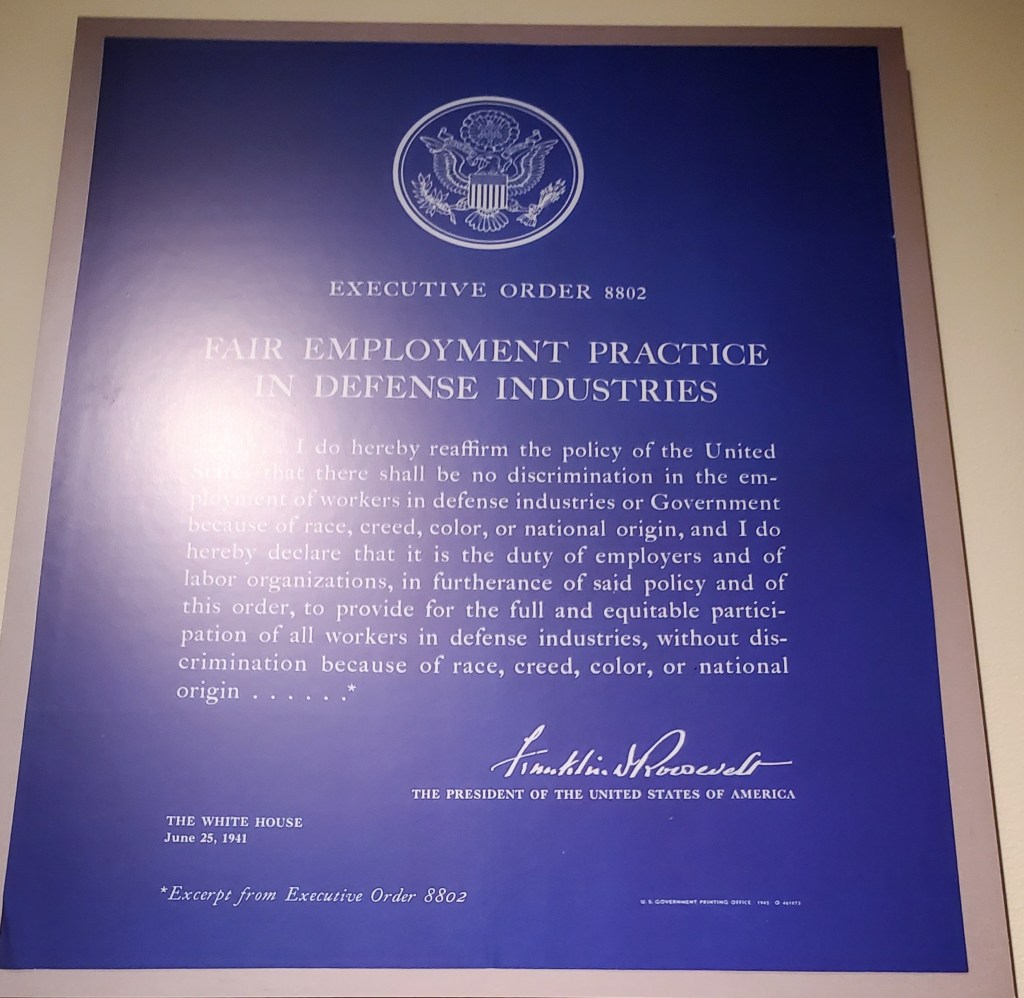
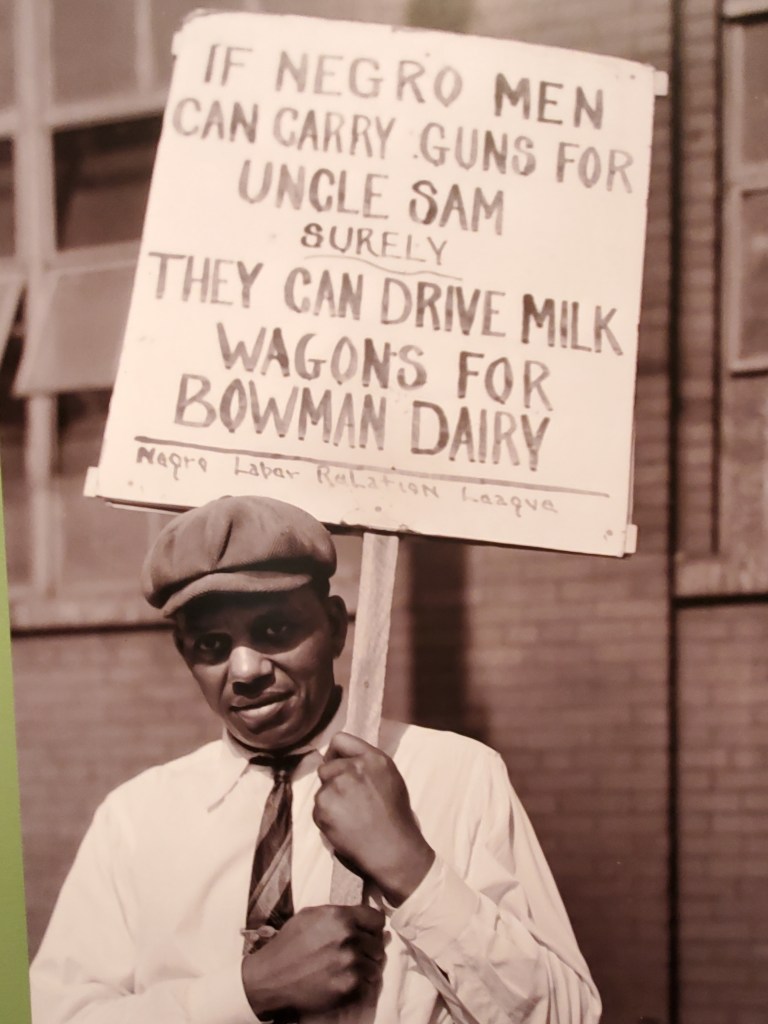
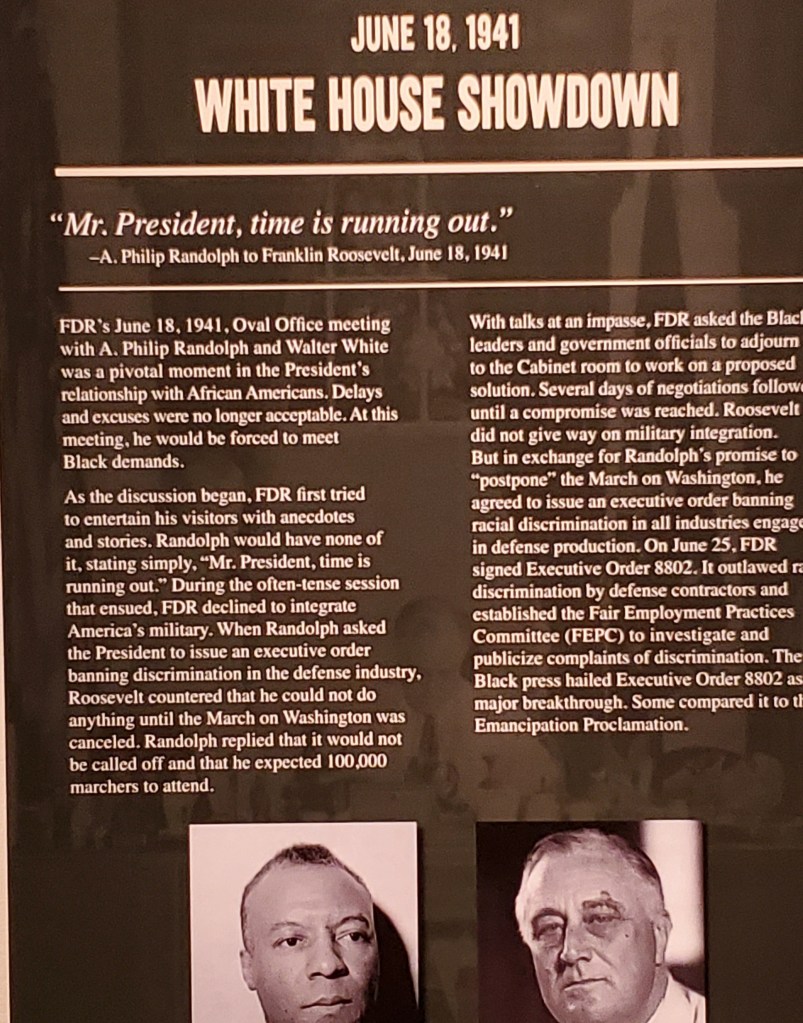
June 1942..Threating a March on Washington, FDR meets with leaders White and Randolph. He agrees to support blacks working in the defense industries and signs Executive Order 8802. FDR does not agree to integrate the armed forces. The March was “postponed”, thus a comprimise.
Executive Order 8802
Fighting for Democracy and Equal Rights
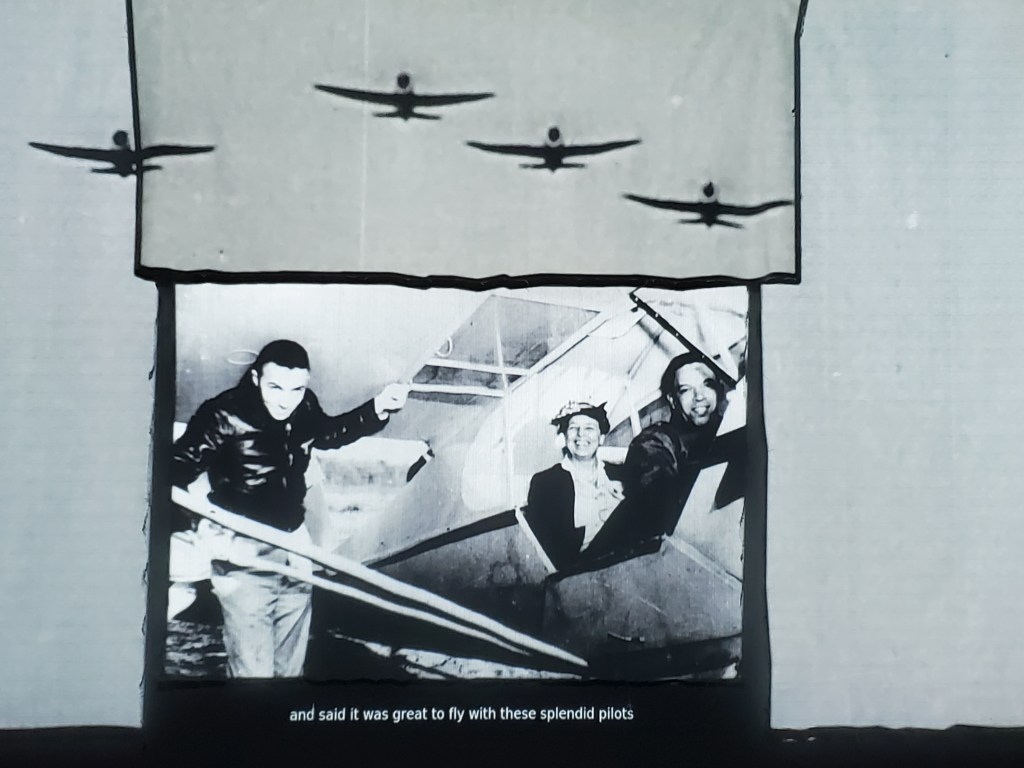
Tuskegee Airmen and Eleanor
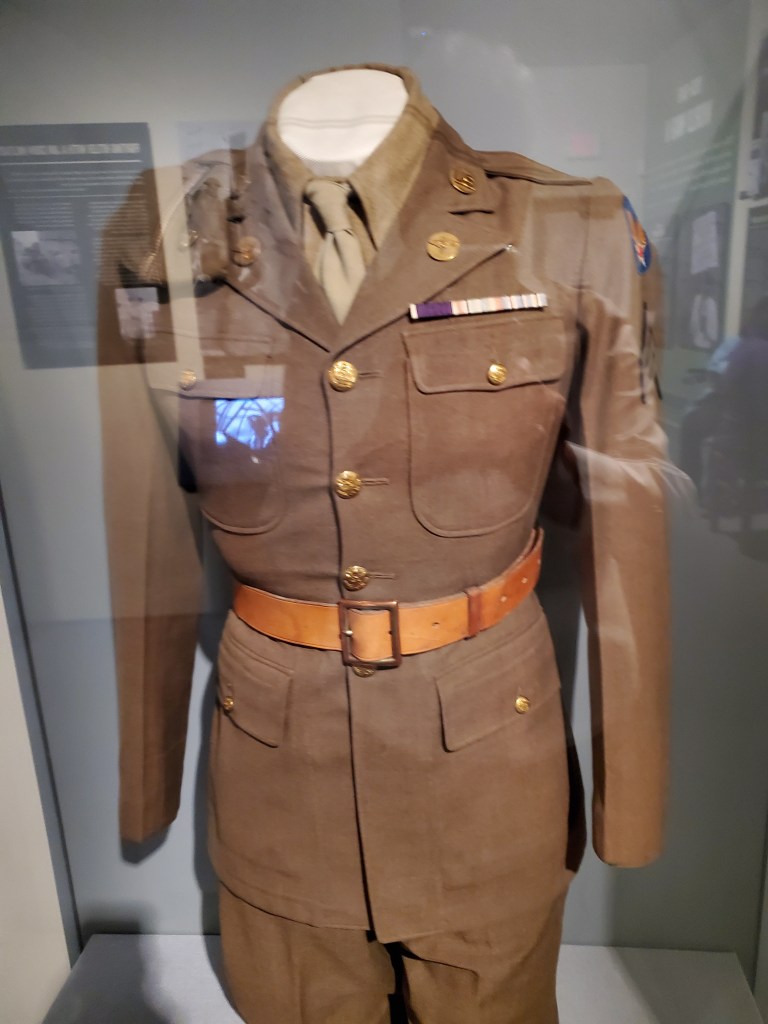
Tuskegee Airman Uniform

Eleanor never gave up on fighting for equal rights until her death in 1962

President Truman desegregates the military, 1948
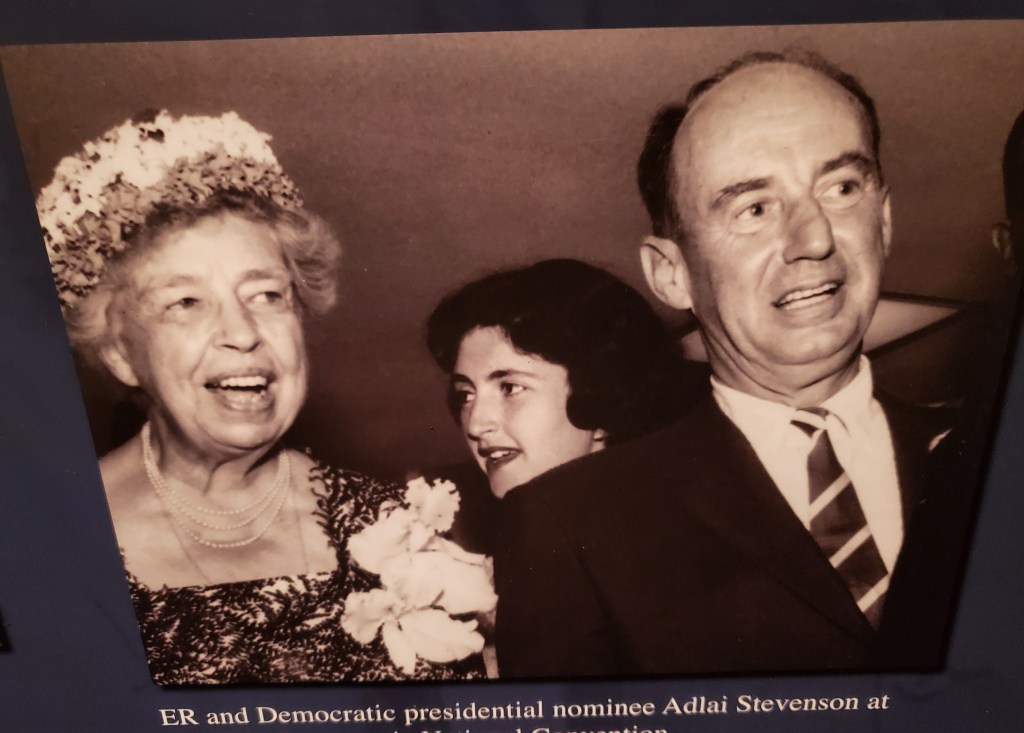
Supported Adlai Stevenson for President
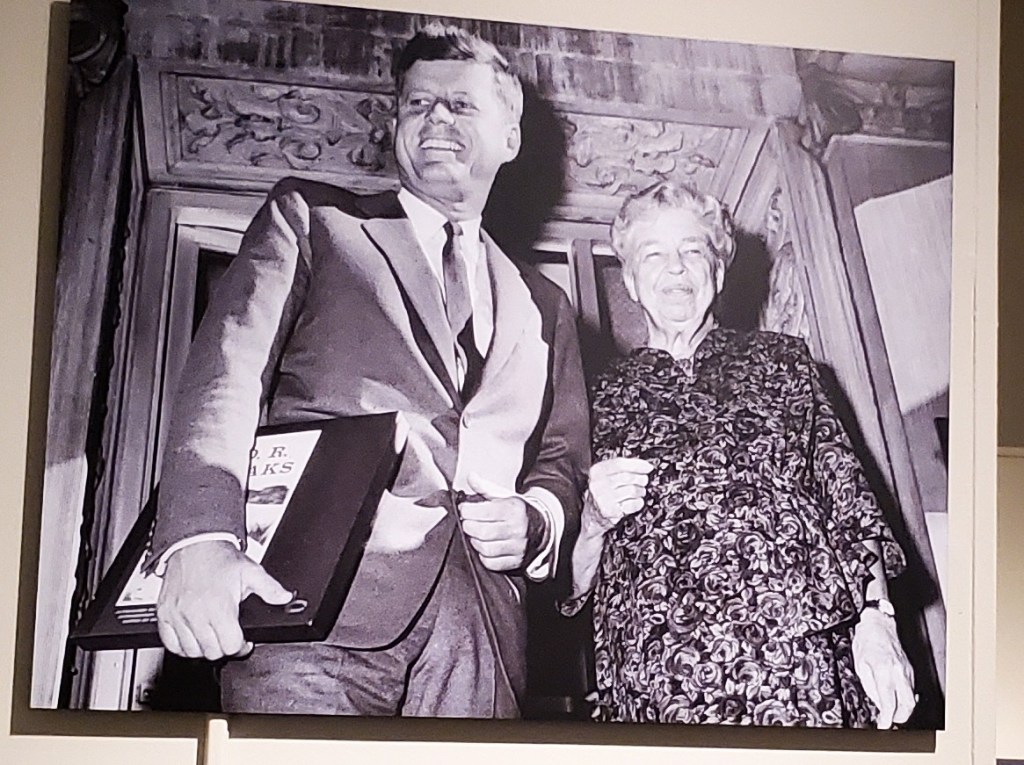
Supported JFK
From Exhibit Film.

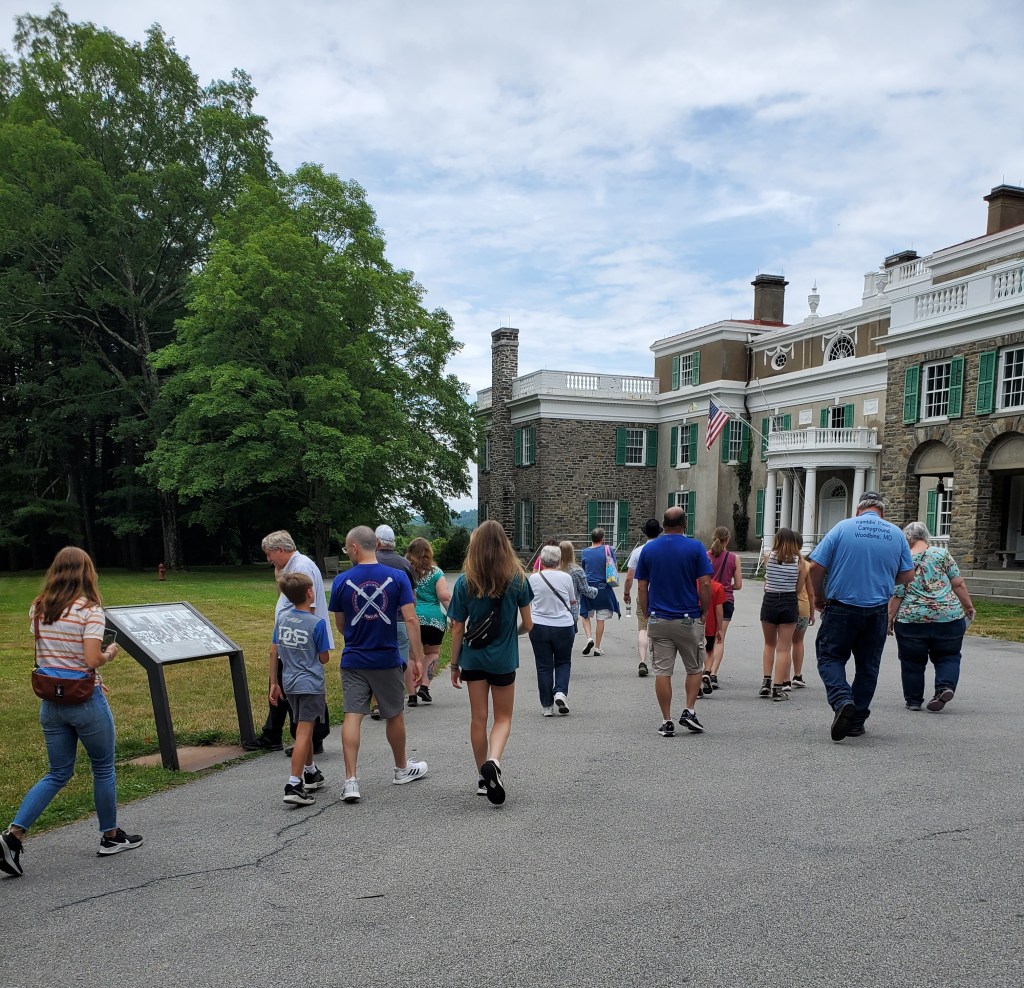
Tour of Springwood

Springwood

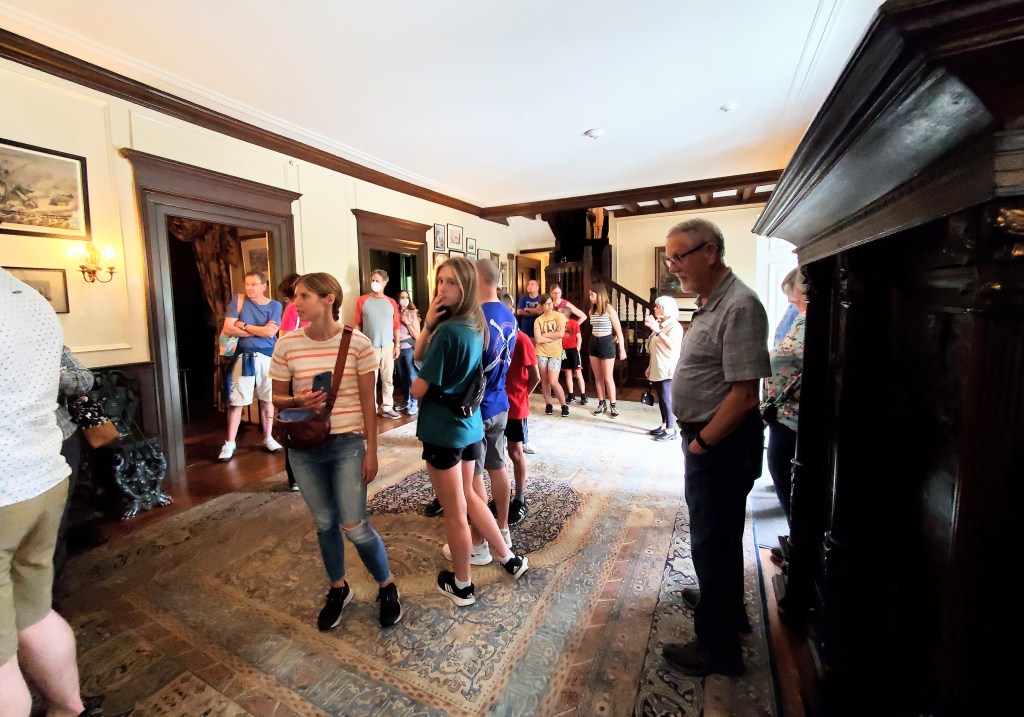
Entry Hall


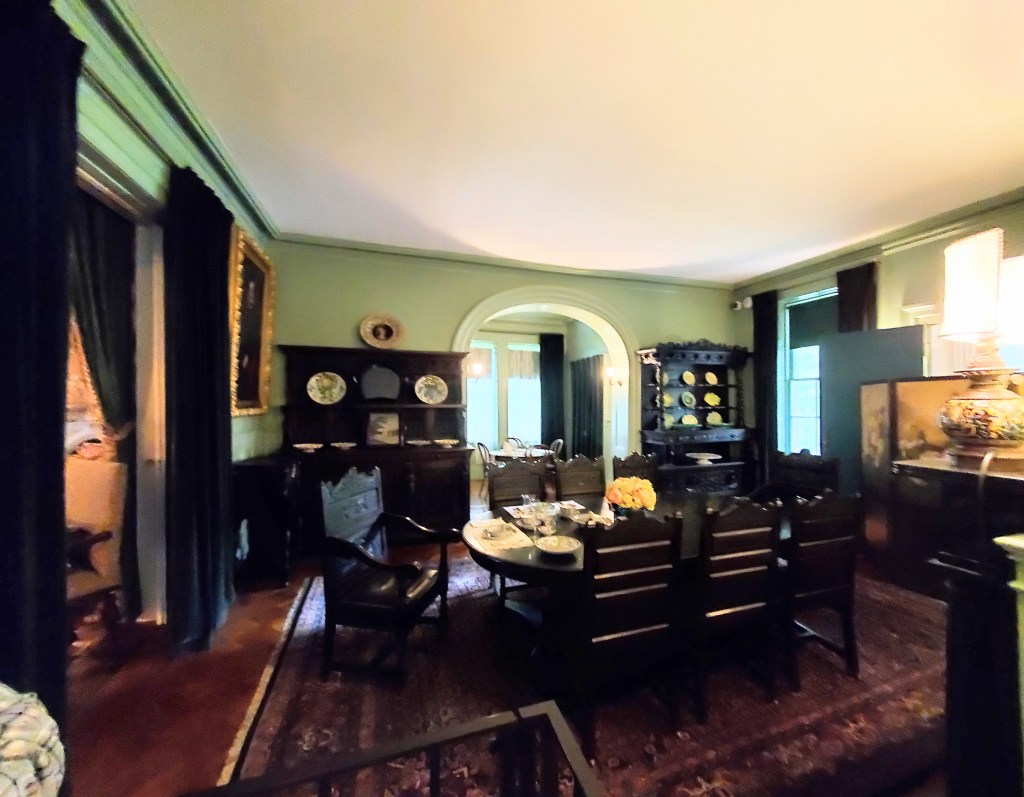
Dining Room.

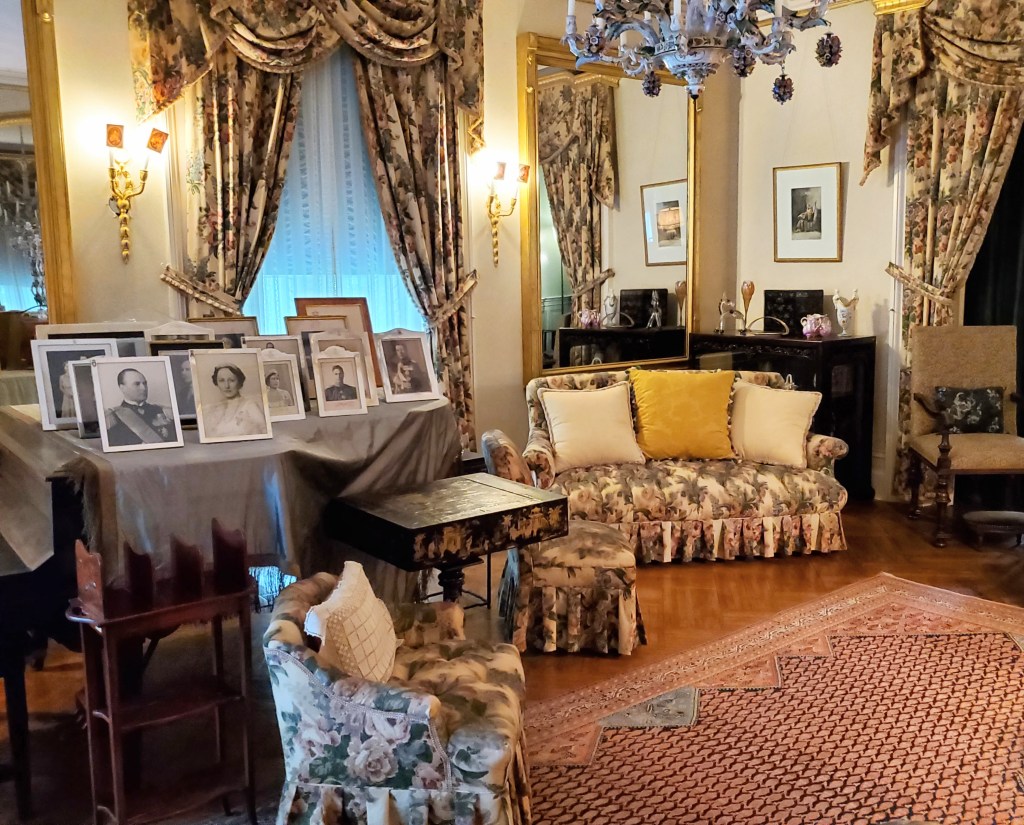
Music Room

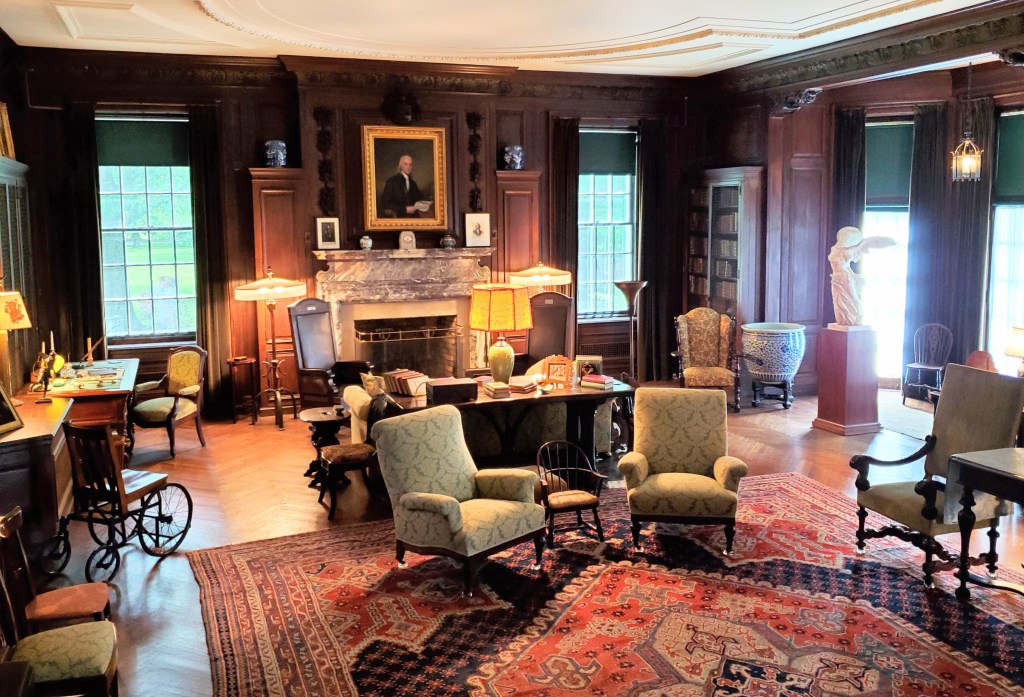
Library/Living Room

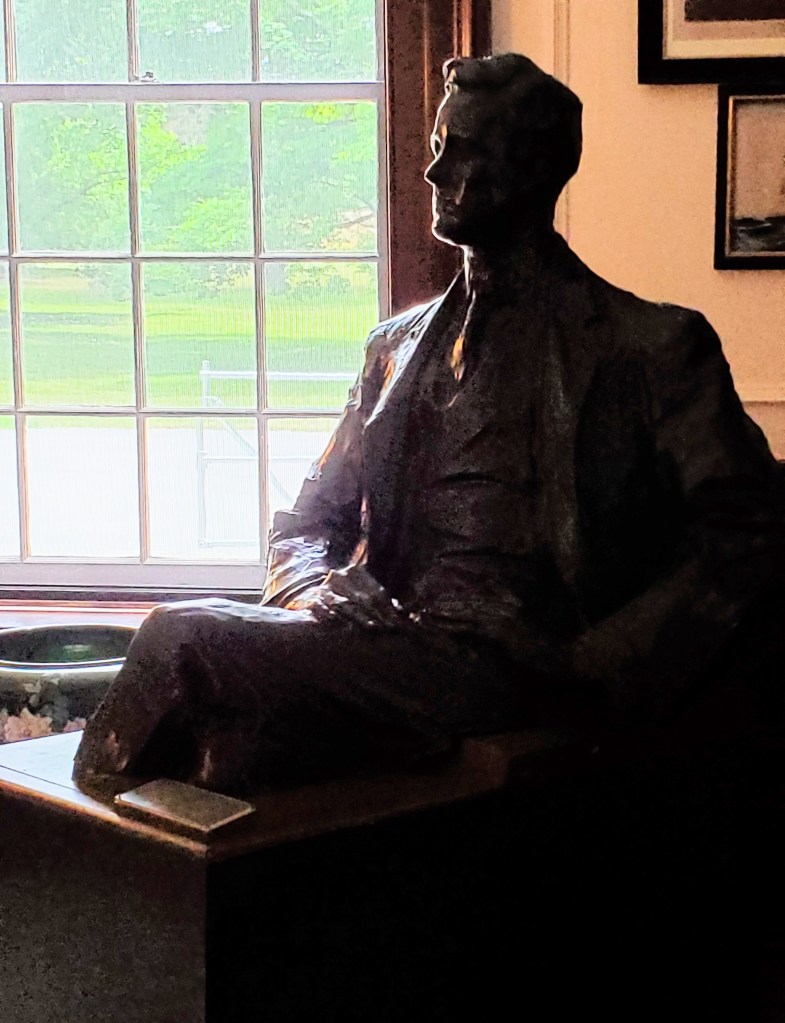
Statue of FDR.


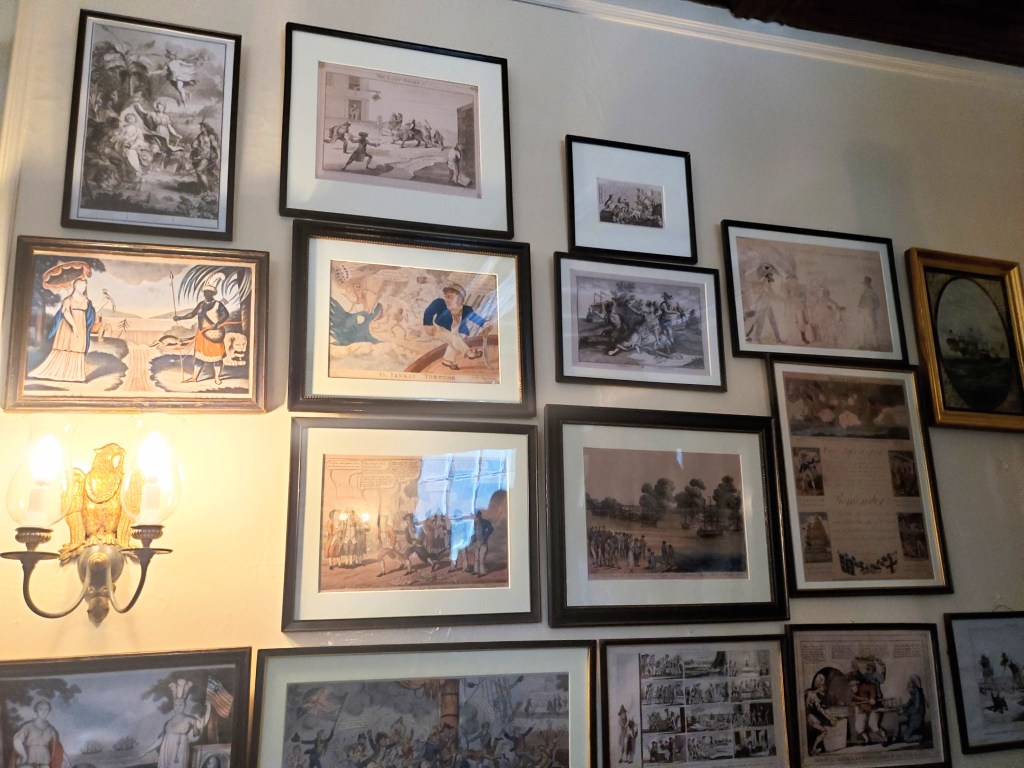
FDR’s Collection on Anti-British cartoons. Apparently King George was amused

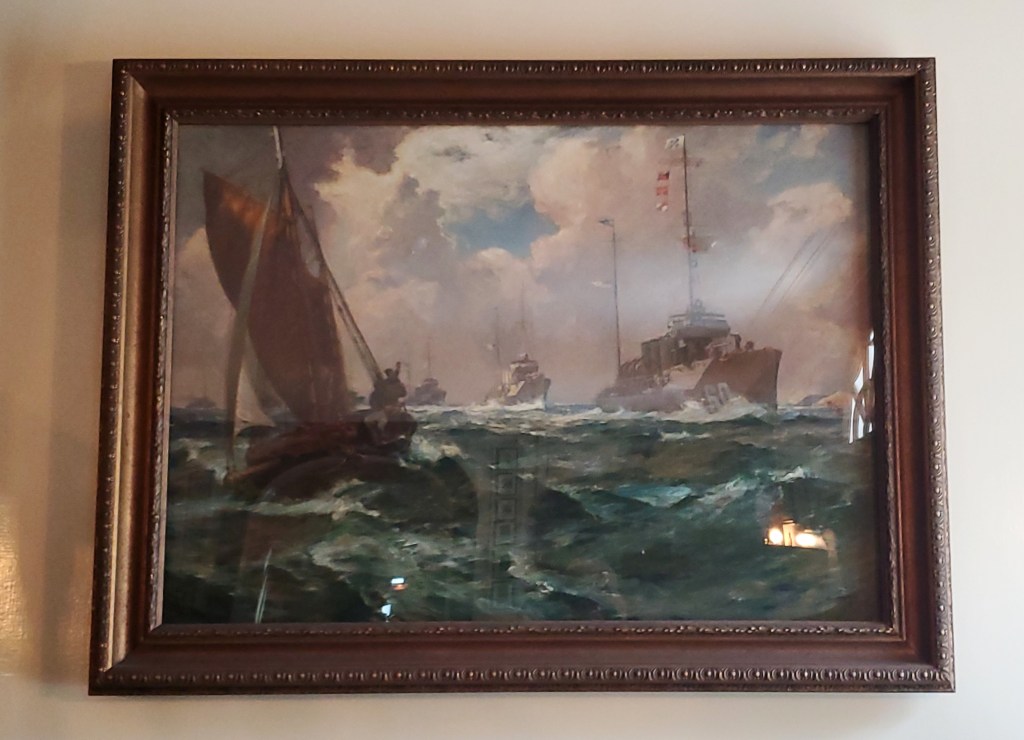
Return of the Mayflower

Located on landing to 2nd Floor. One of FDR’s favorite naval paintings

Lift for luggage. FDR used to pull himself in his wheelchair to the 2nd and 3rd floors.


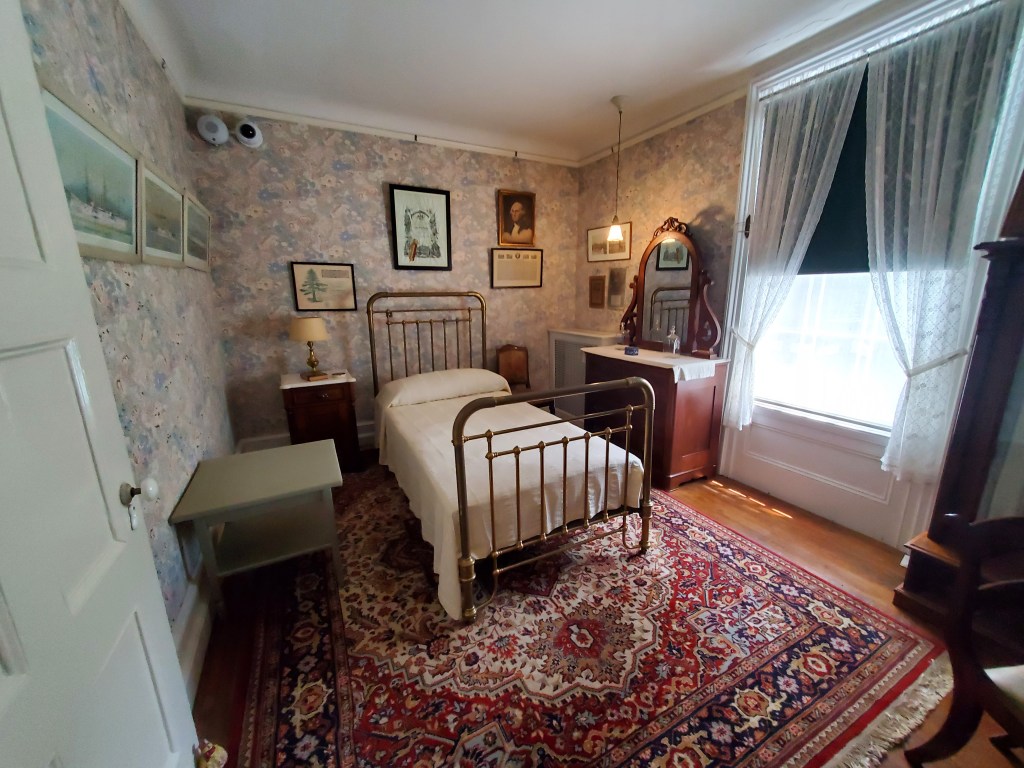
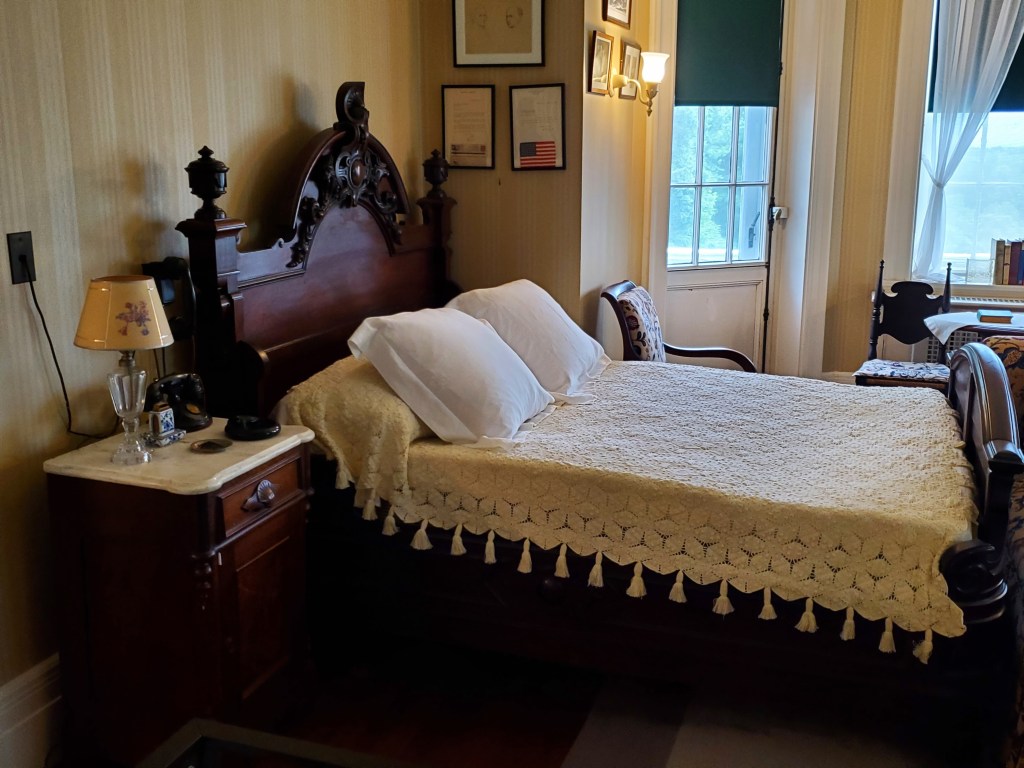
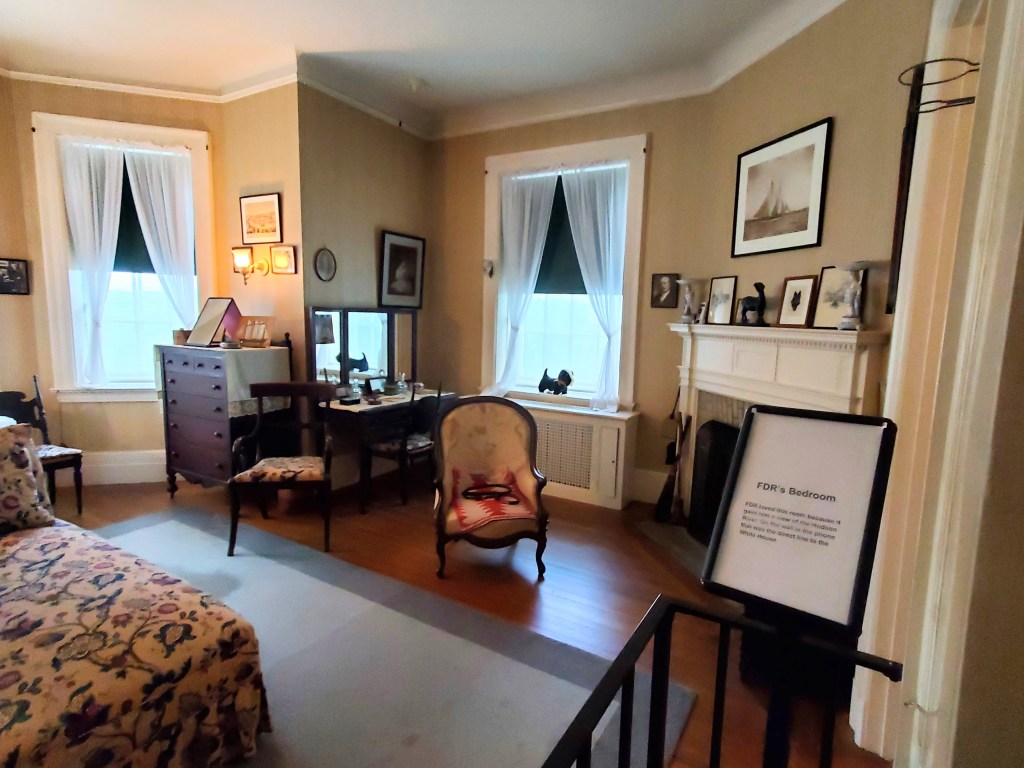
FDR’s bedroom

In his bedroom is chair where Fala slept

Closet with famous boat cloke. Wheelchair was kitchen chair with bycycle wheels. His design


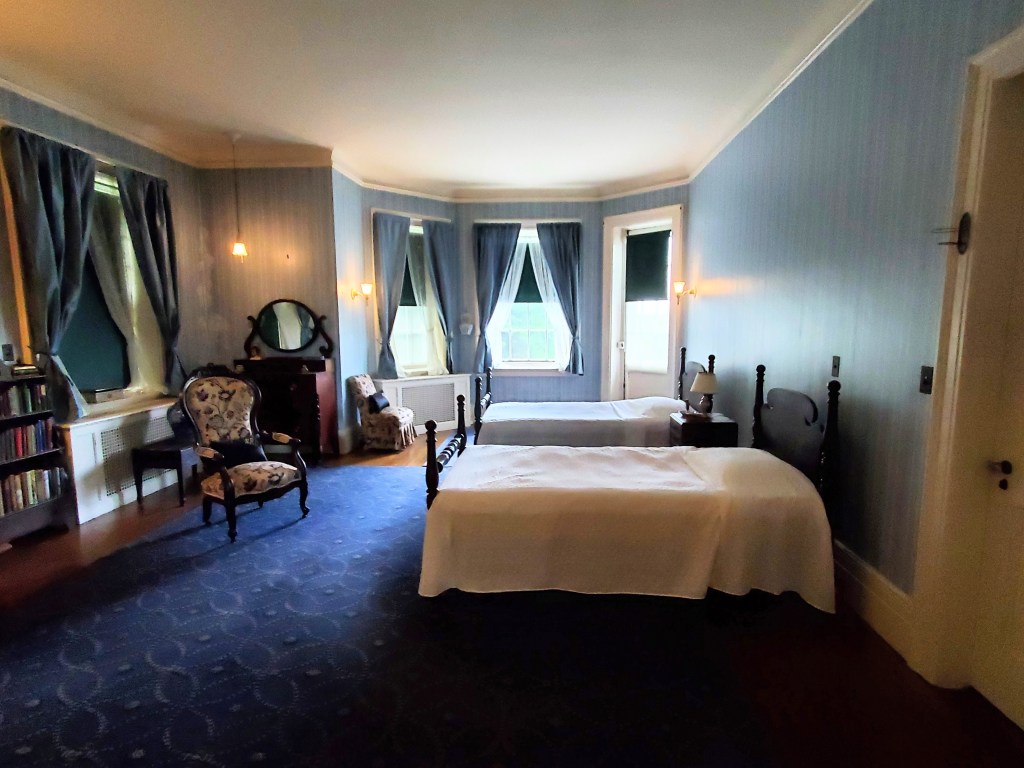
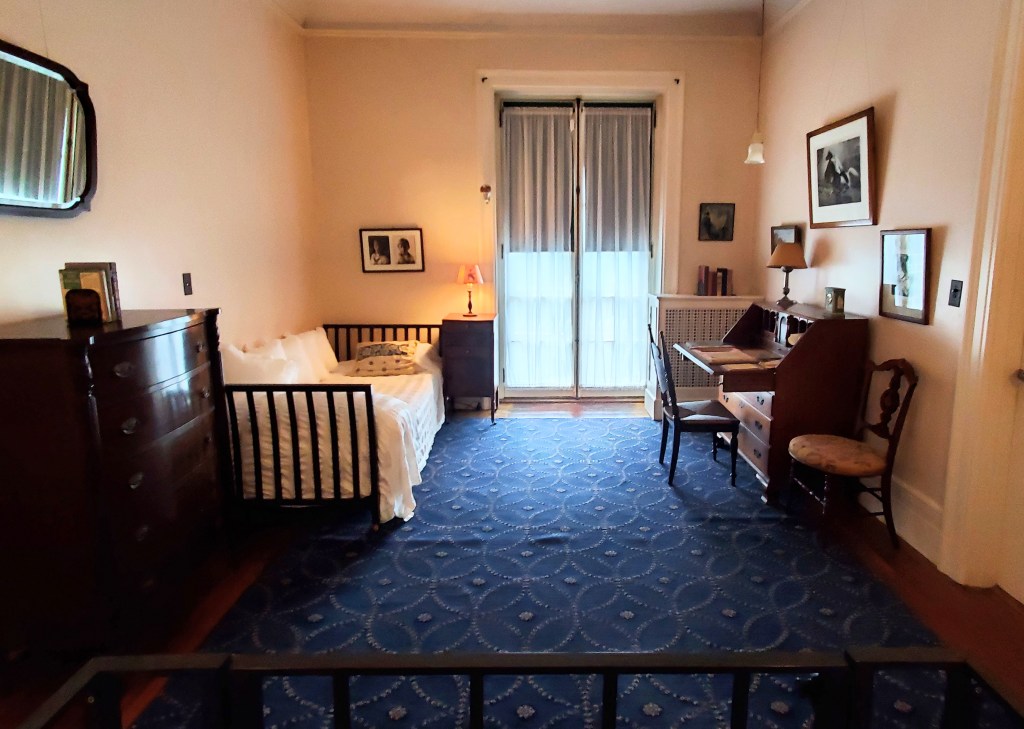
Sara’s bedroom


Eleanor’s bedroom

FDR’s study. Not included in tours, but I managed to see on way out a side door.

Exterior in need of repair.

During Covid, the interior of the home was refreshed and repaired. No longer ceilings covered in blue tarp. Yay!! Hopefully repairs on exterior will be next

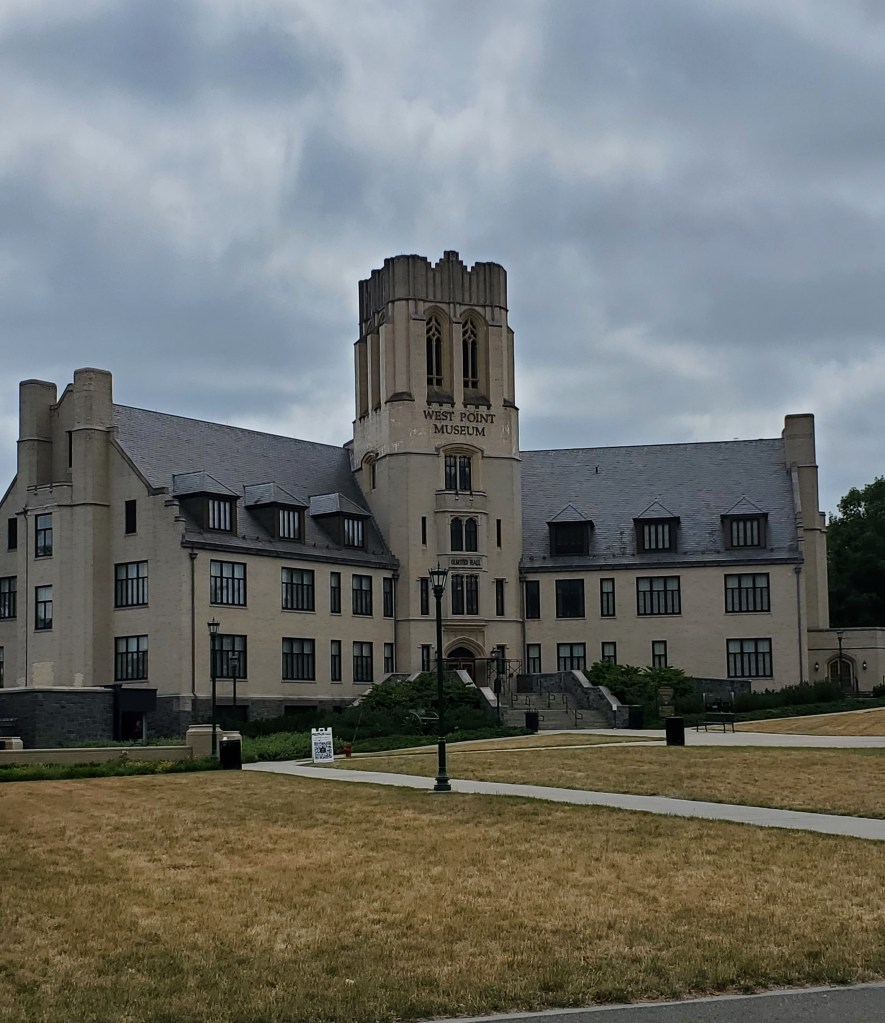
West Point, Walkway over the Hudson, Dinner at Bocuse(CIA)

How we spent Tuesday..another Full day


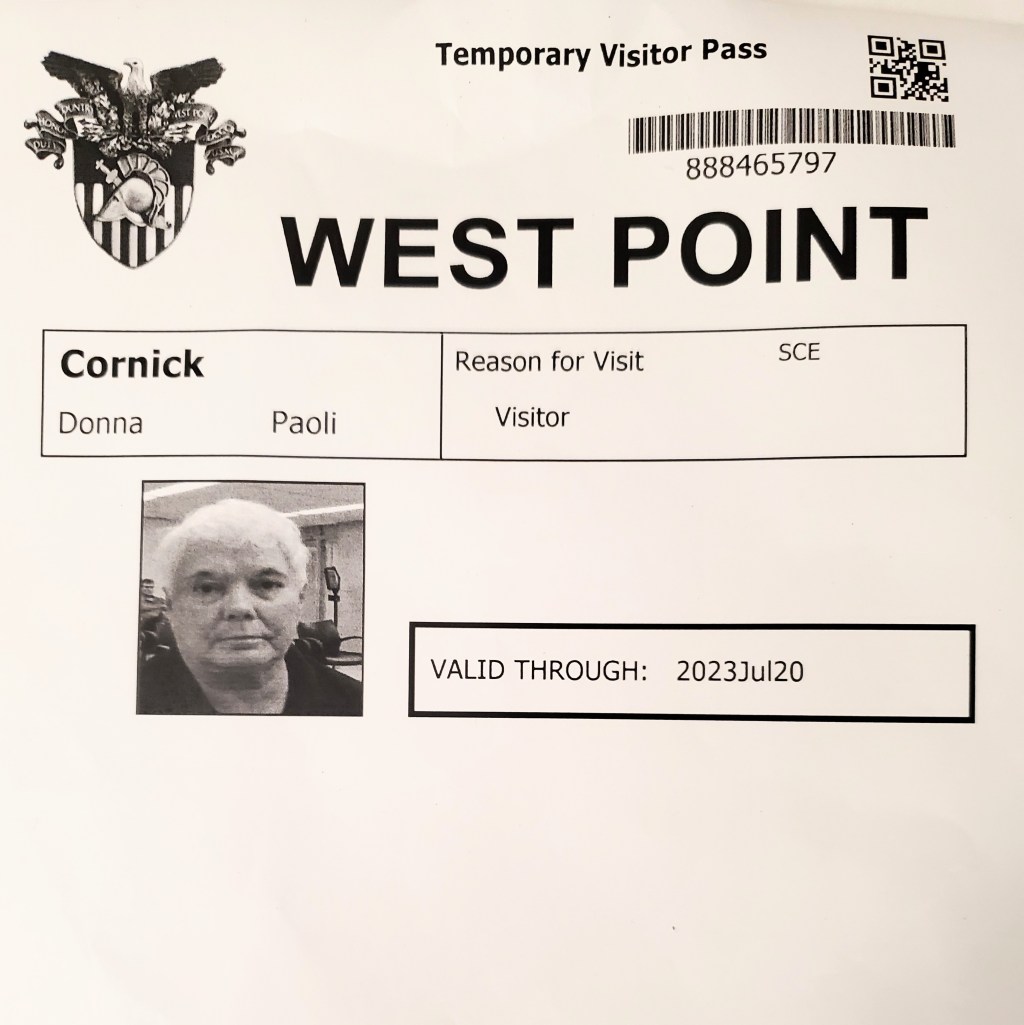
Visitor Control Center
Photo after my background check
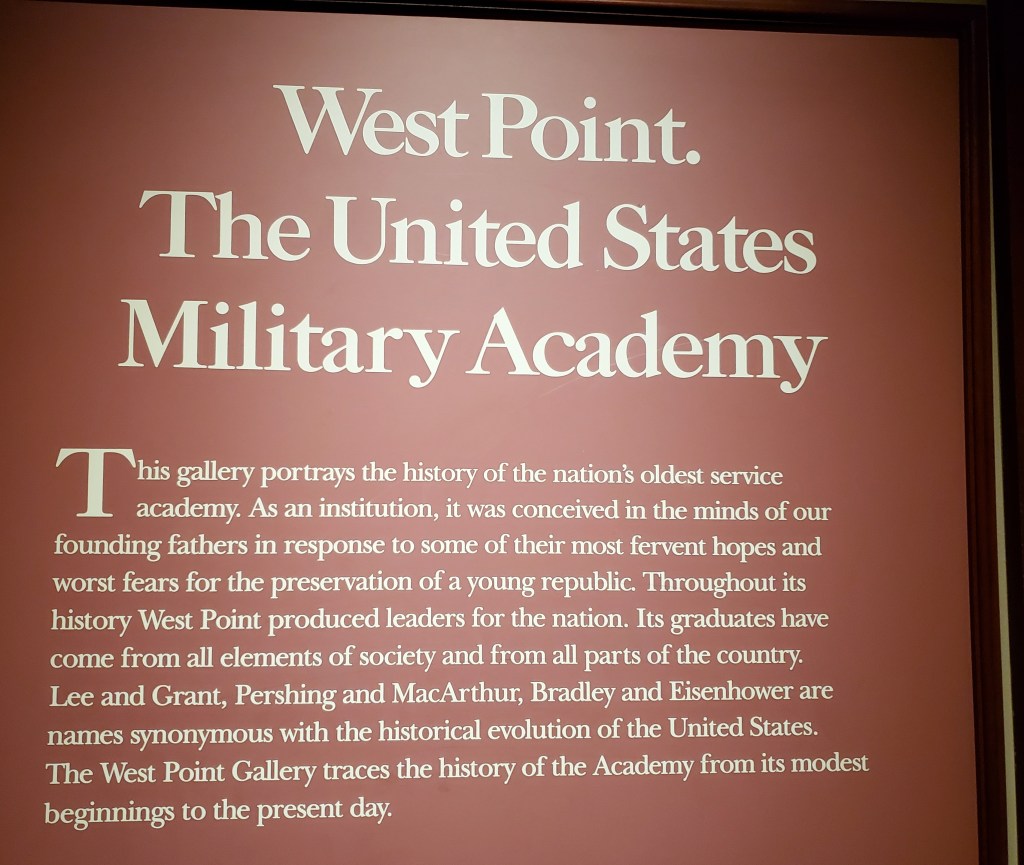
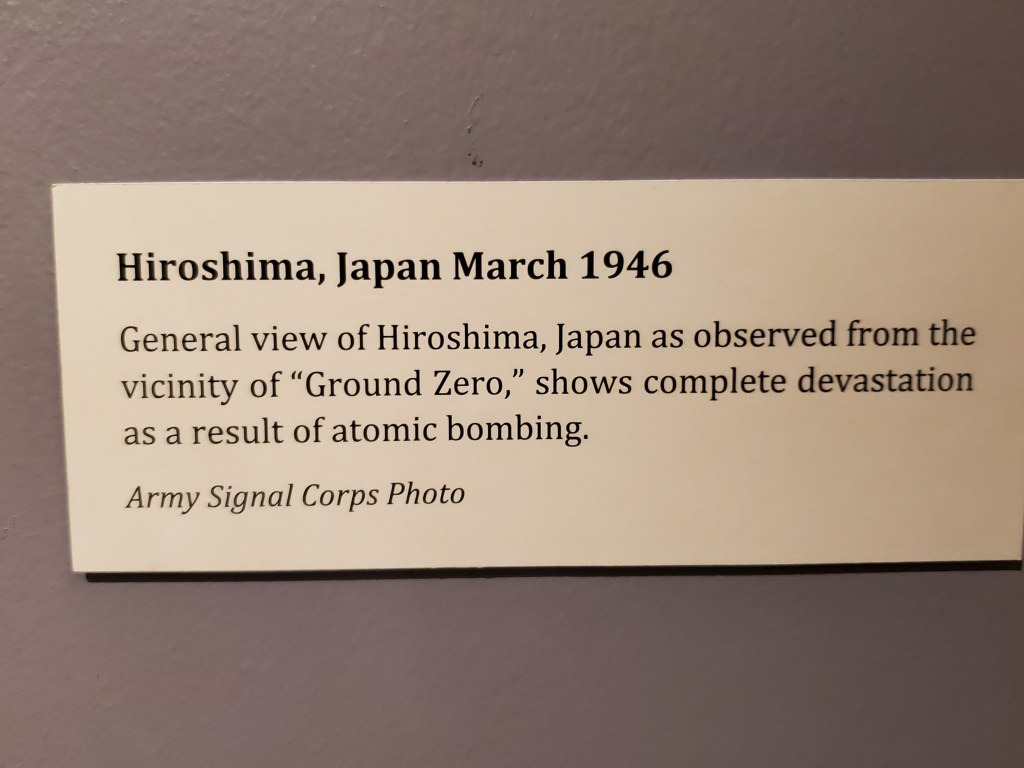
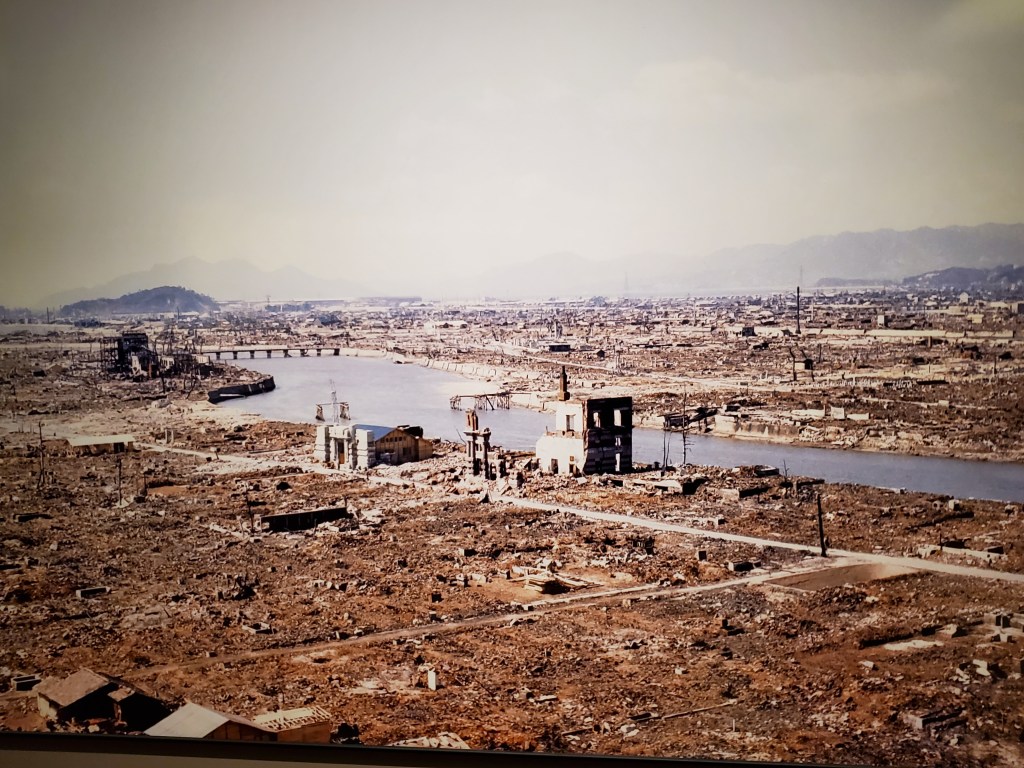
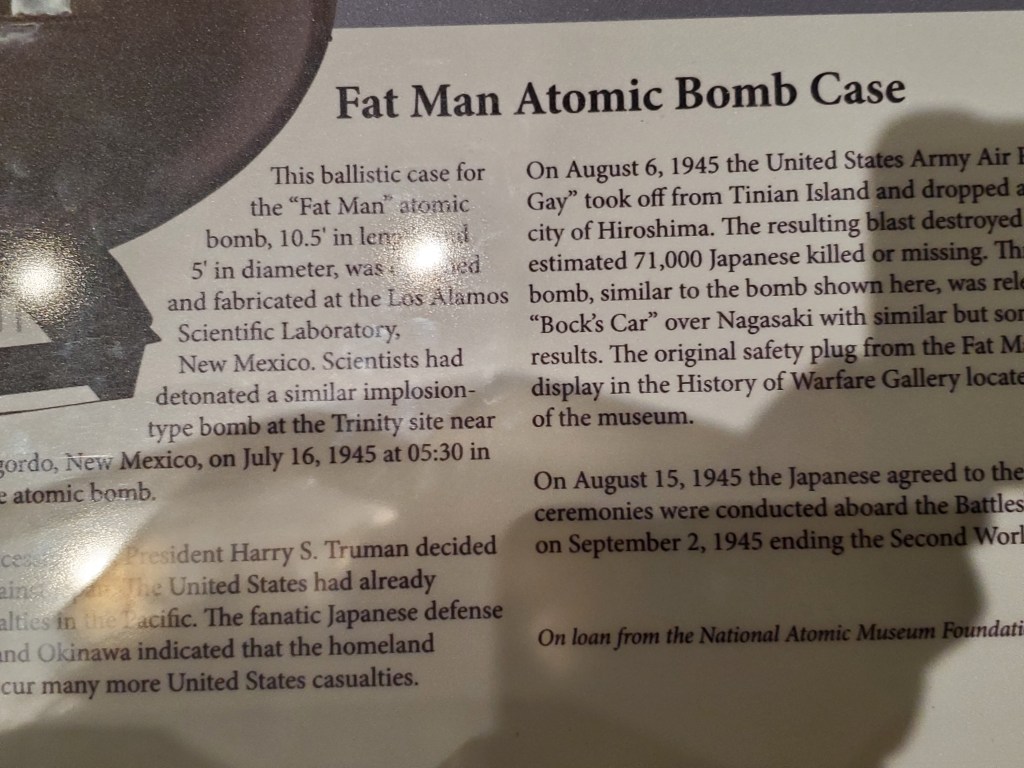
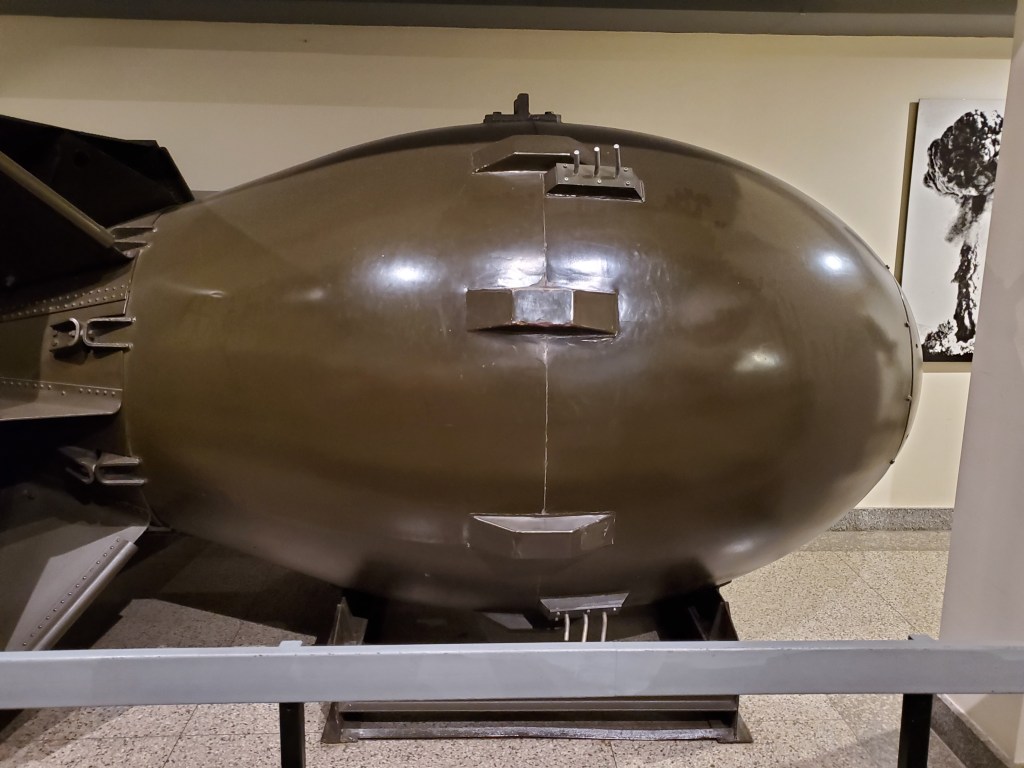
The museum has amazing displays of instruments of war


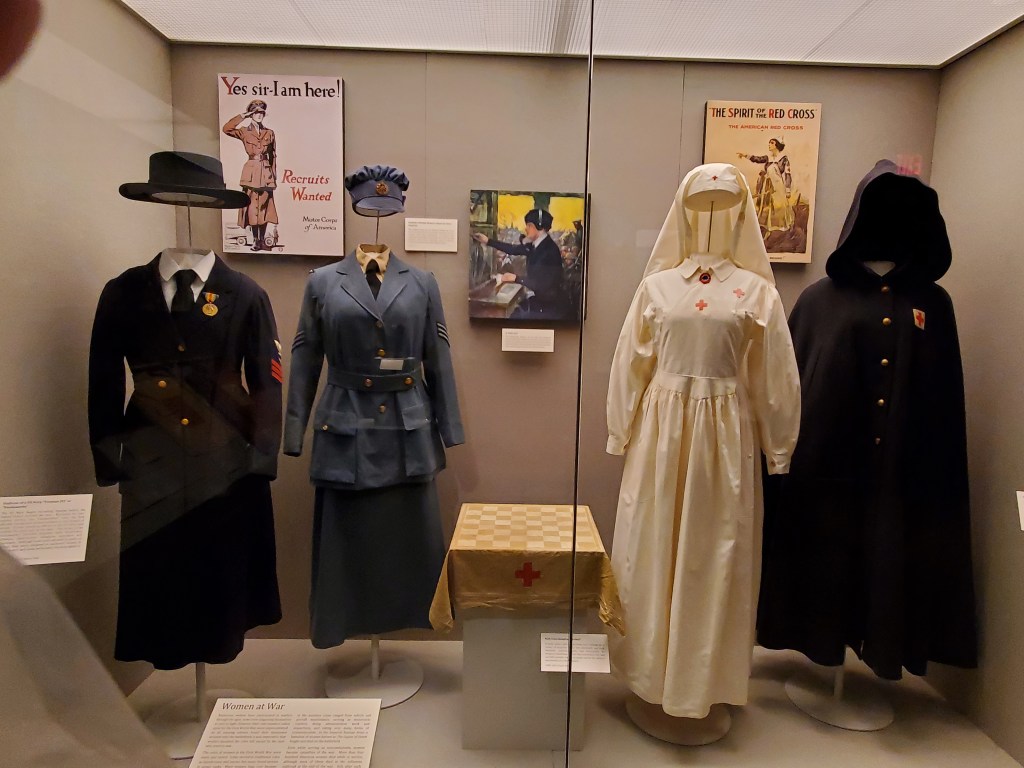
Women serving
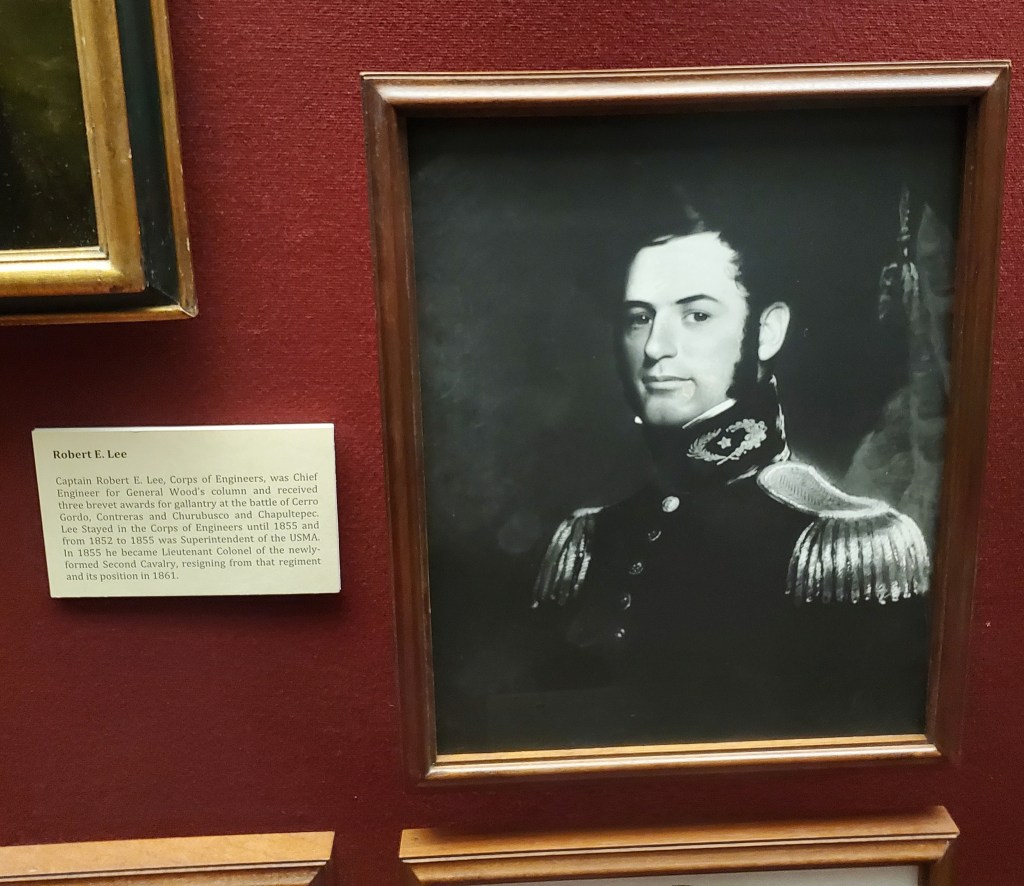
Robert E. Lee
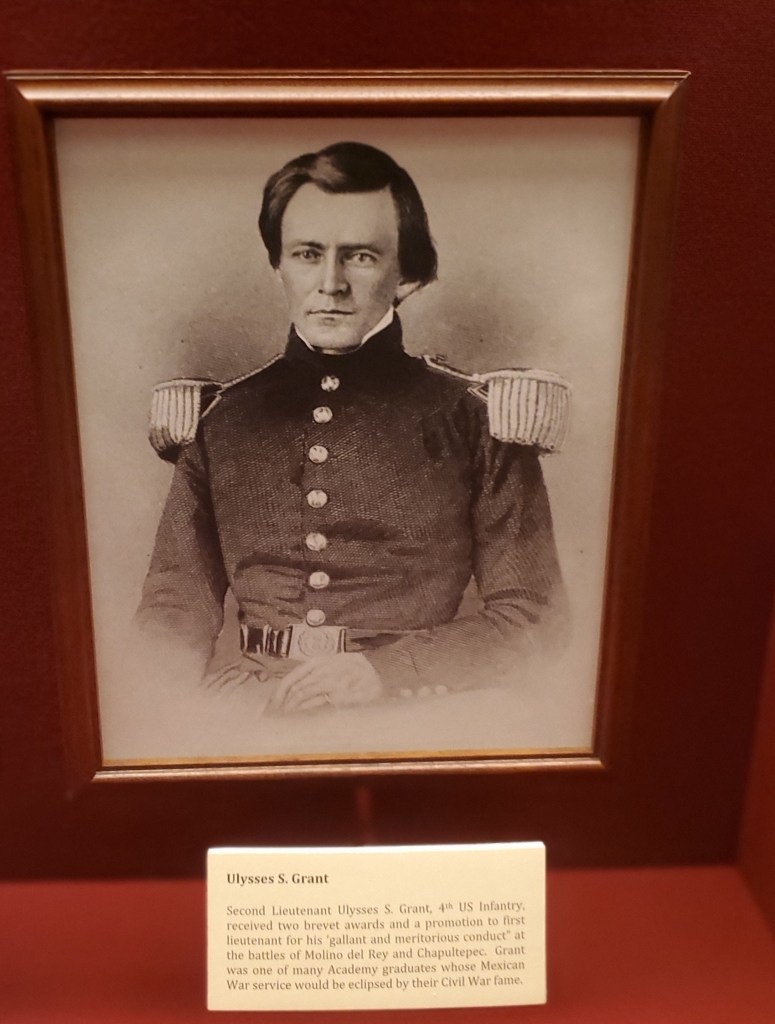
Ulysses S. Grant
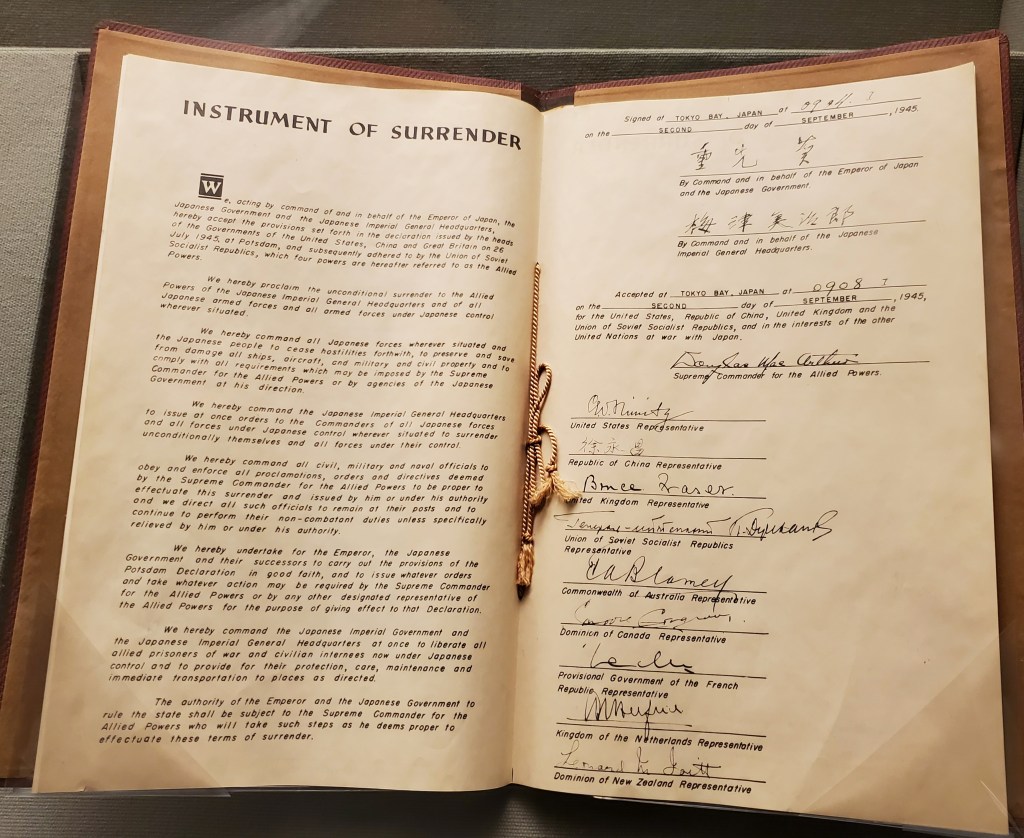
Japanese surrender document
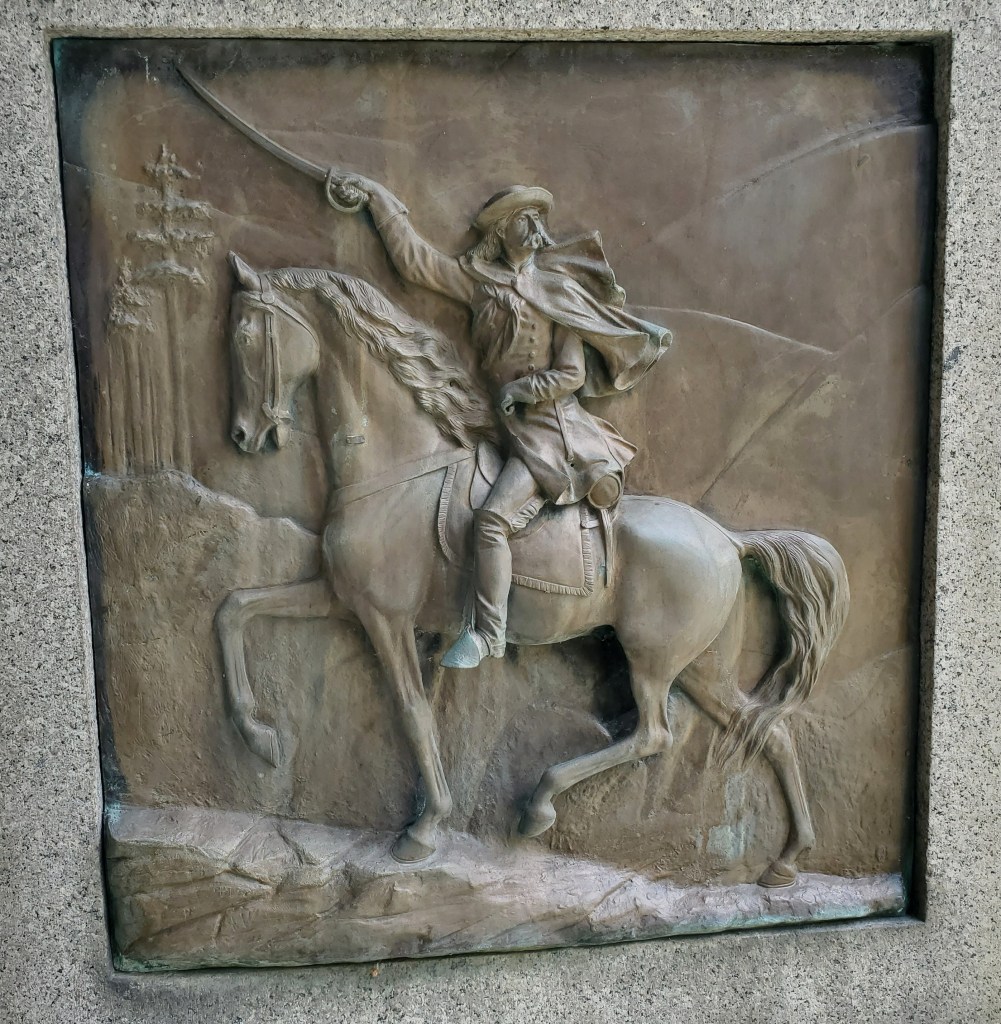
George Custer


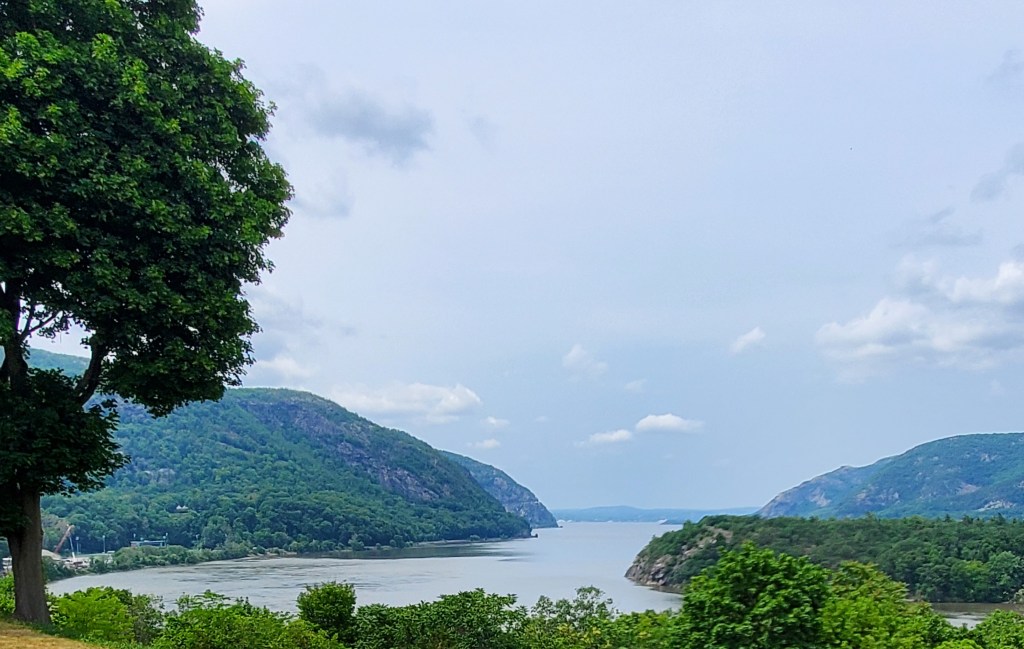
Trophy Point at West Point

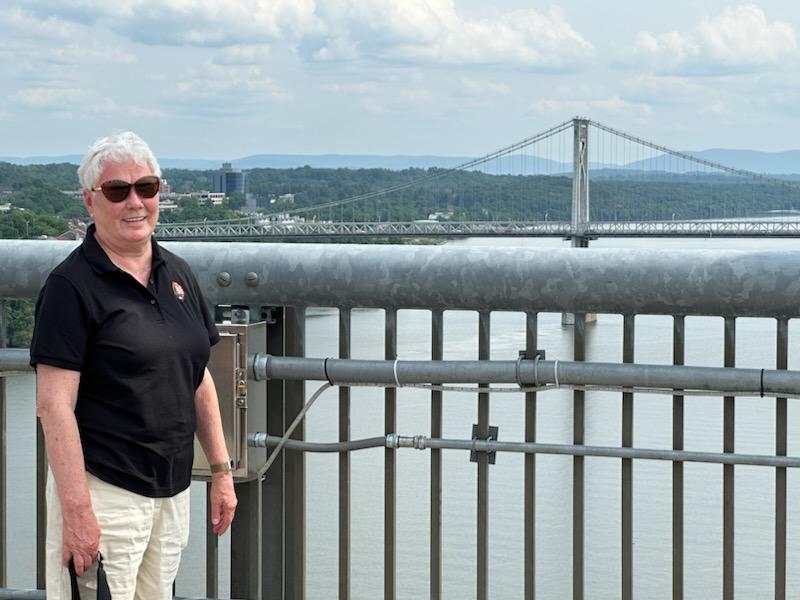
Walkway over the Hudson

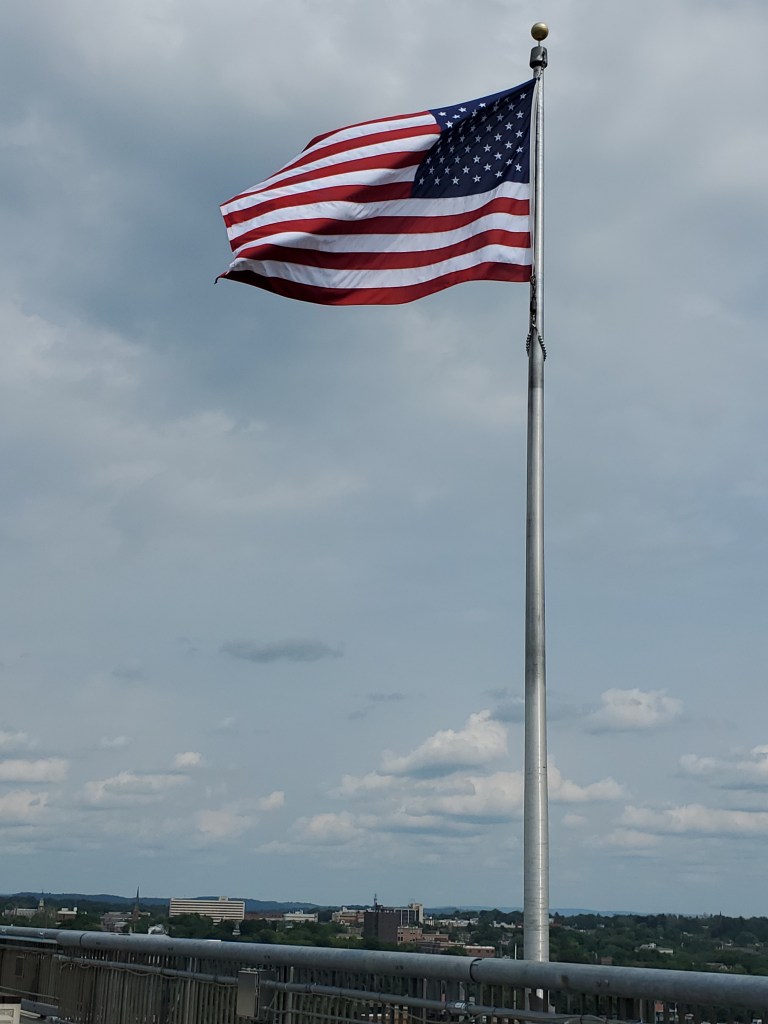
Flqg at Walkway over the Hudson
Scary heights


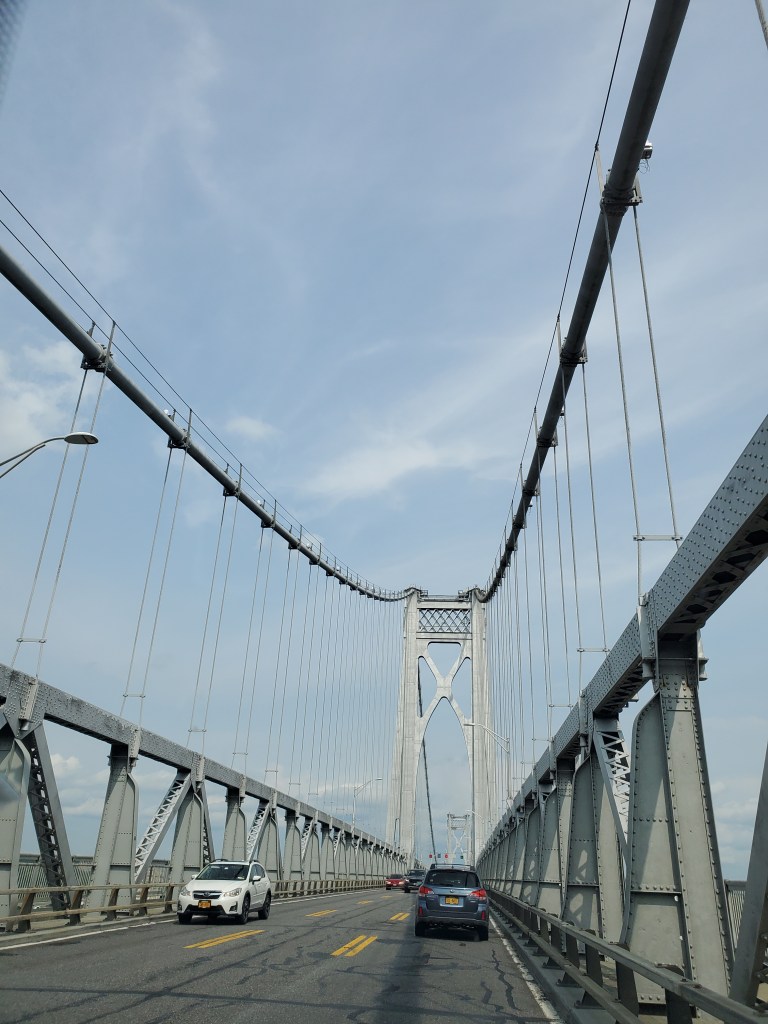
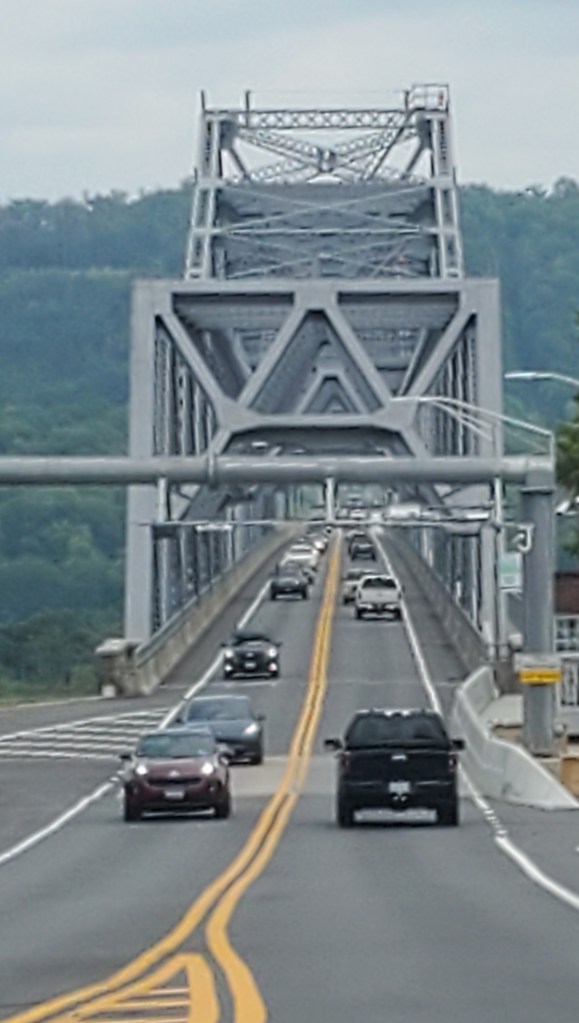
FDR MID Hudson Bridge


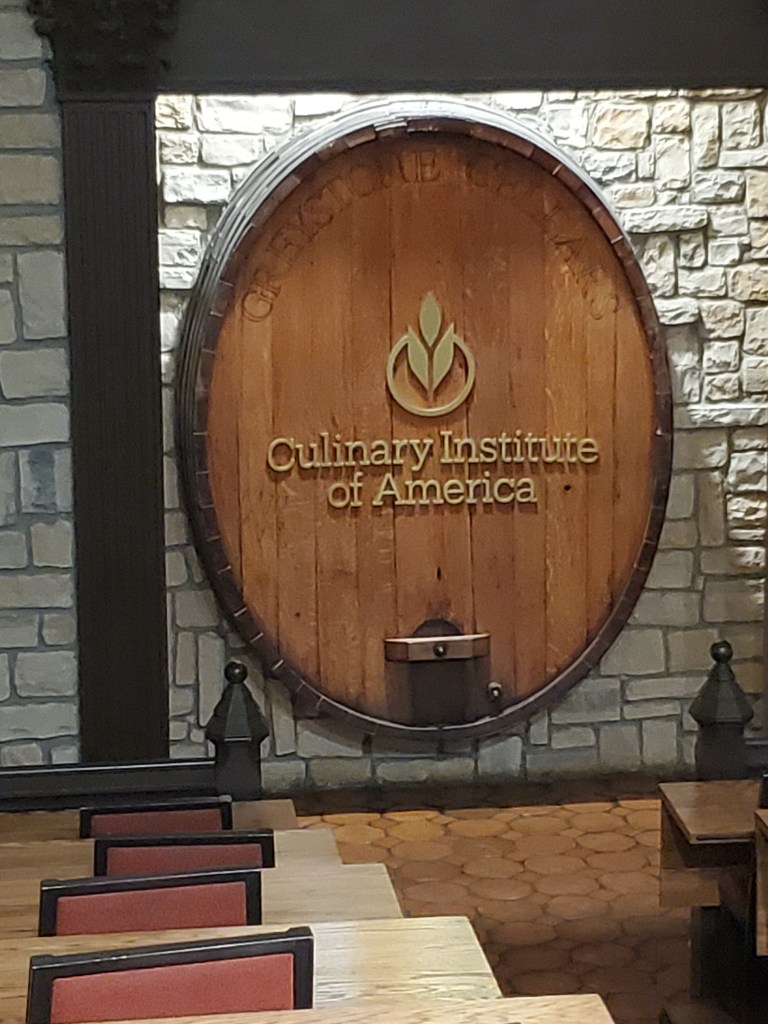
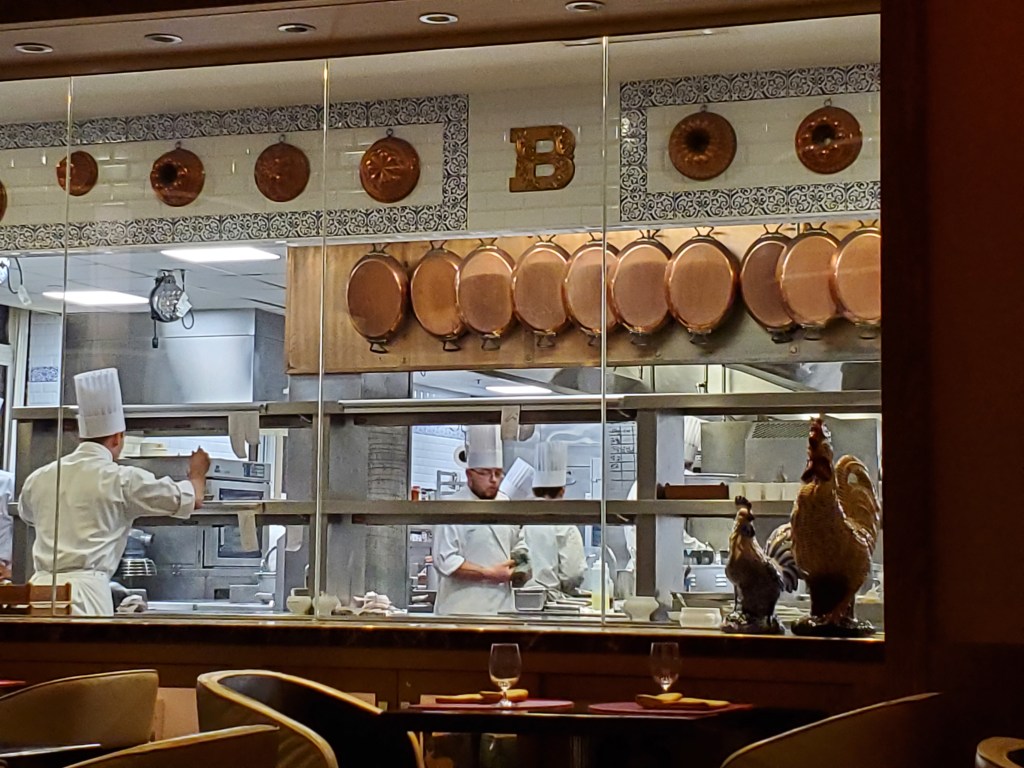
The Chefs at Bocuse. French restaurant at CIA

LES BOULETTES D’AGNEAU
Lamb Meatballs, White Bean Stew, Preserved Lemon Yogurt

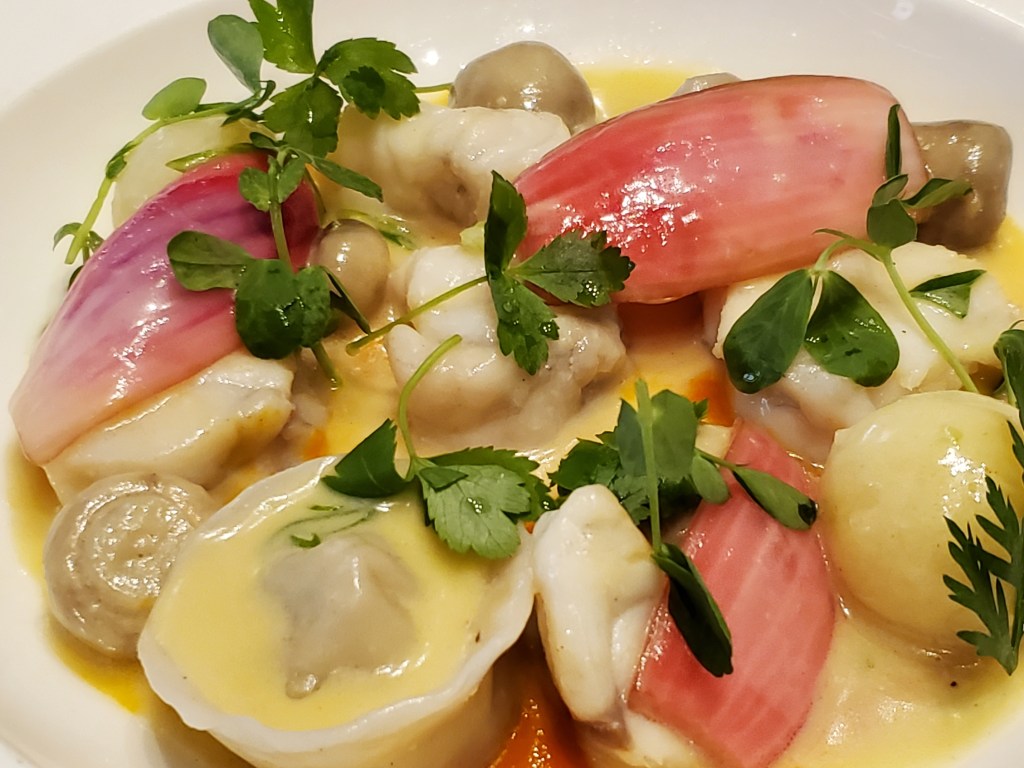
FRICASSÉE DE LOTTE
Monkfish, Shrimp Dumpling, Potato, Pickled Ramps, Mushroom

LE GÂTEAU DE CRÊPES
Crêpe Cake, Mascarpone Cream Filling, Seasonal Sauce & Sorbet

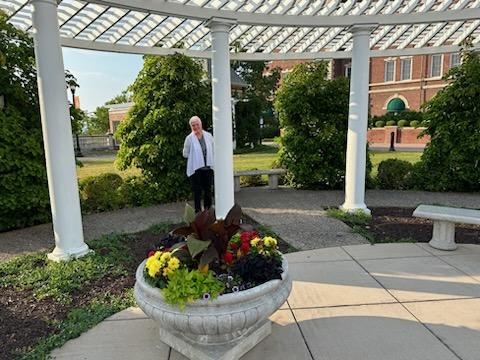
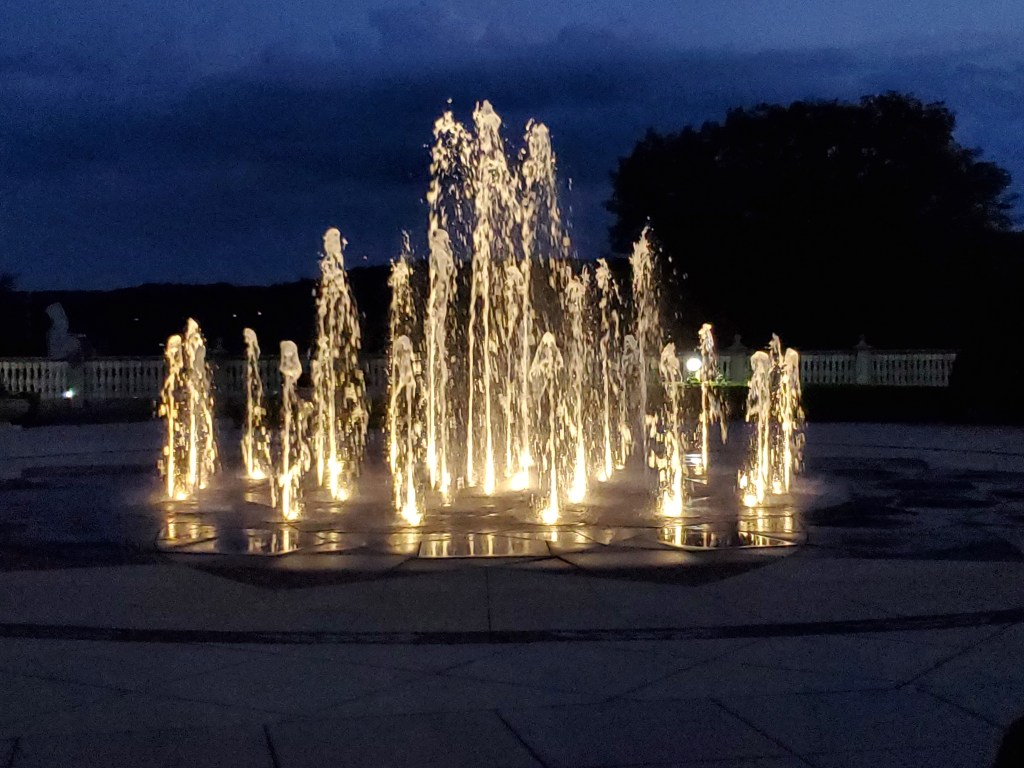
Fountain at CIA

Cruise down the Hudson, Val Kill, St. James, Hyde Park RR Station

After that all day trip to NYC on Sunday, we needed a relaxing day on Monday..thus the cruise

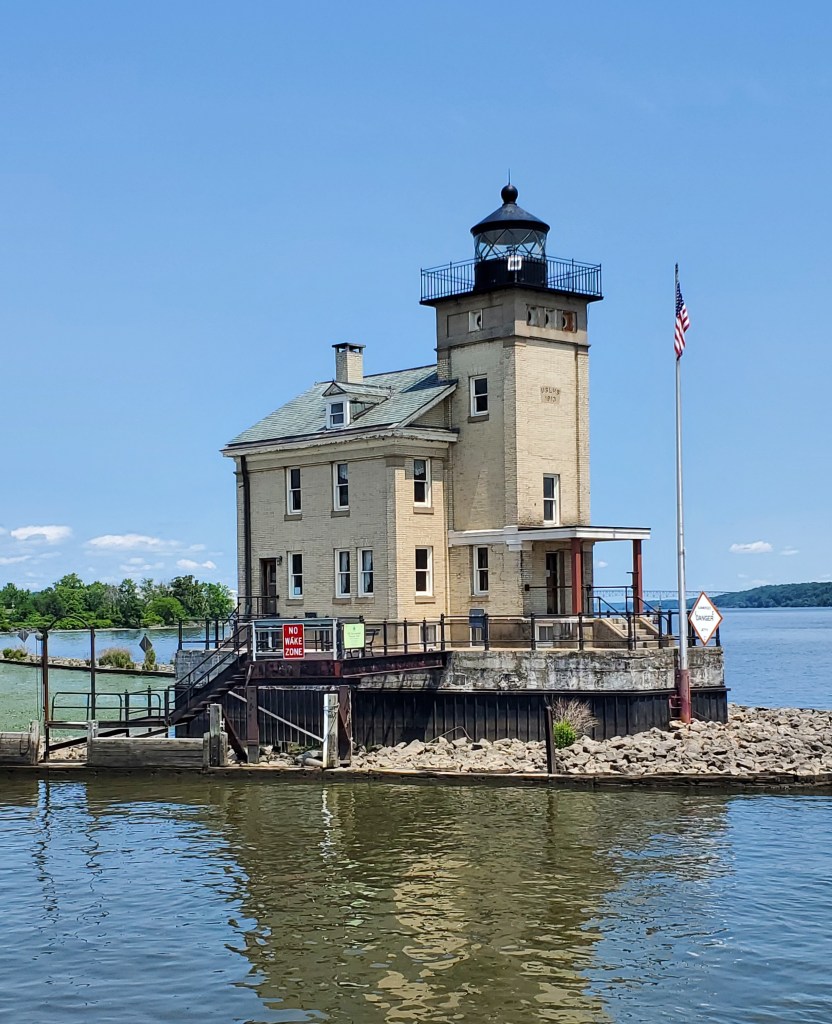
Took relaxing cruise down the Hudson
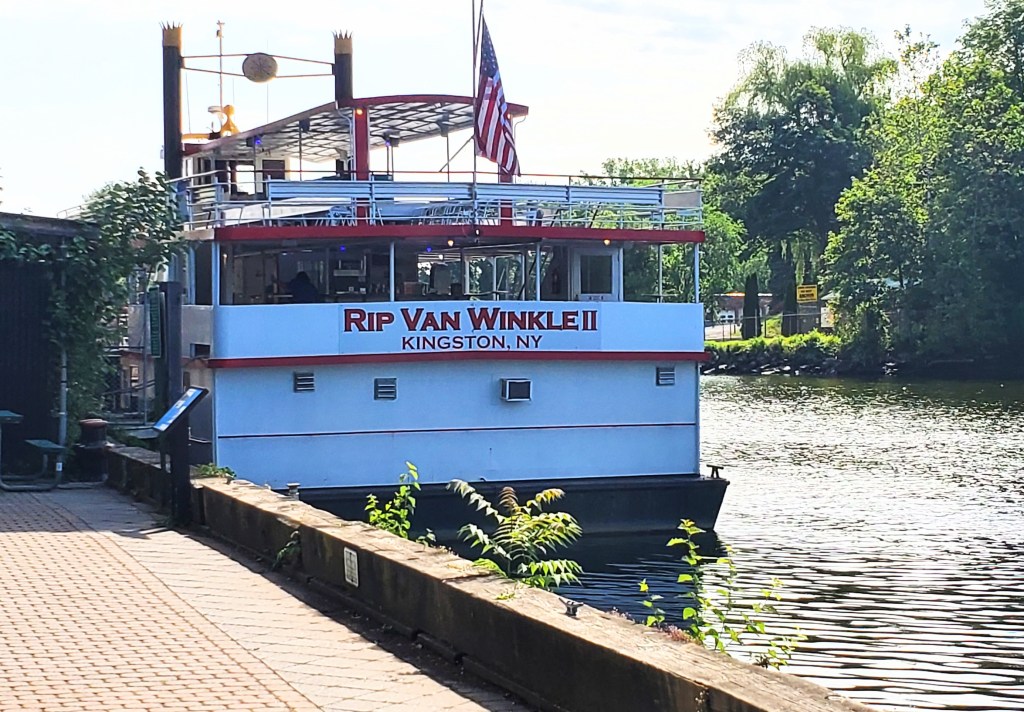
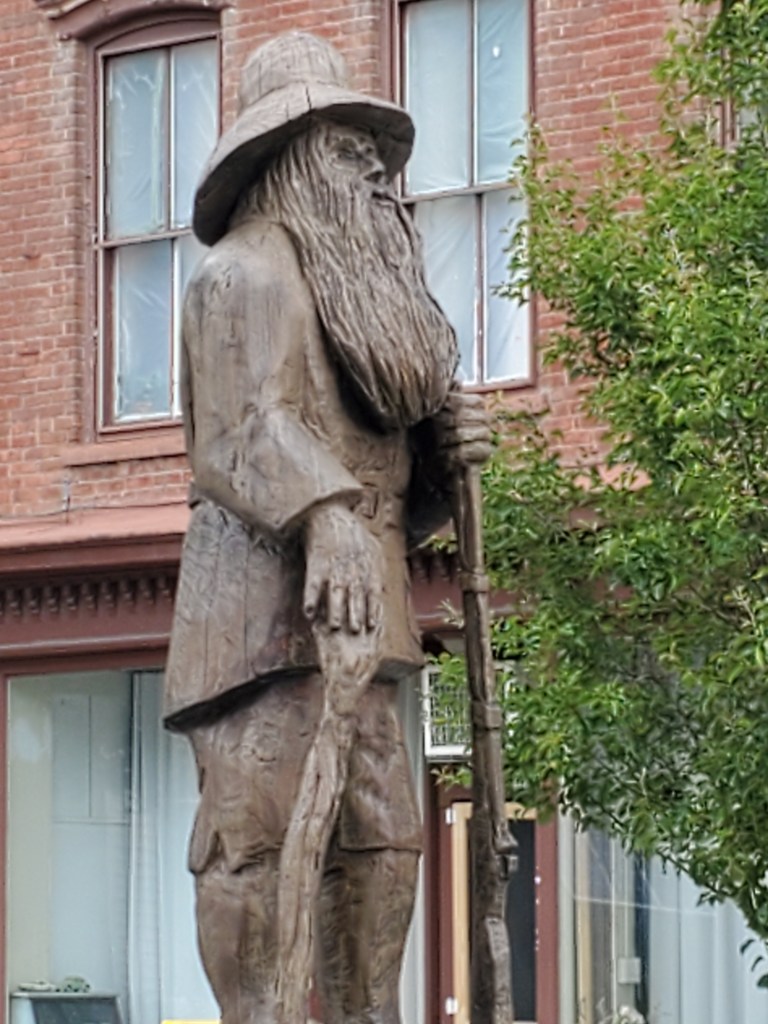
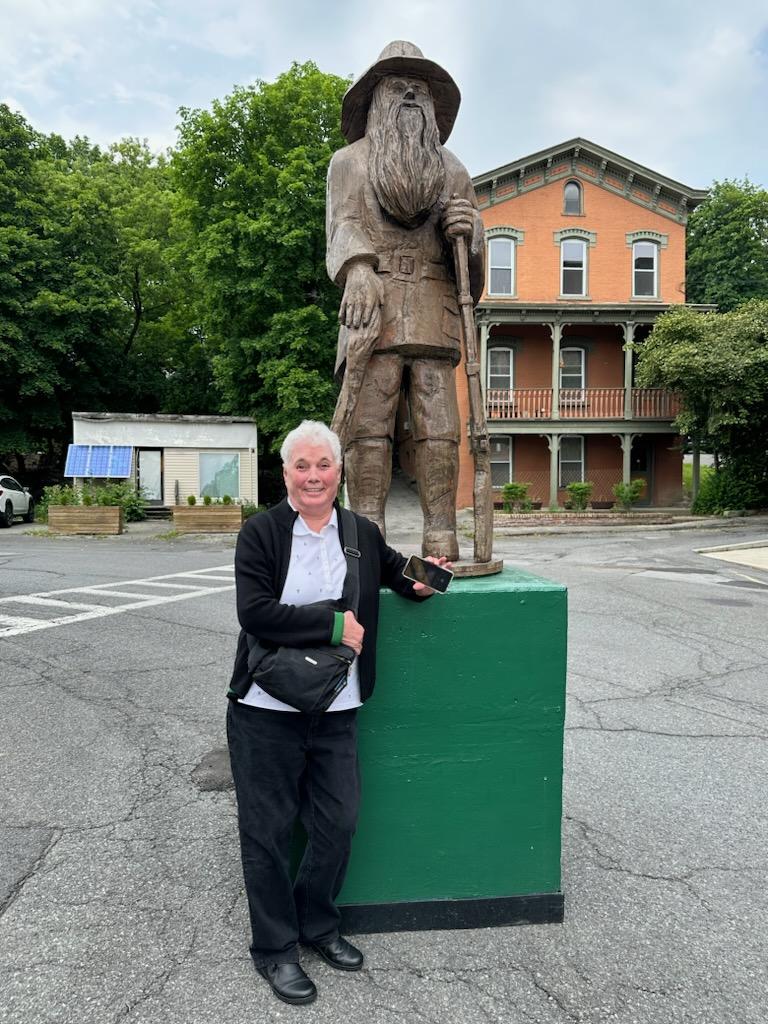
Rip Van Winkle


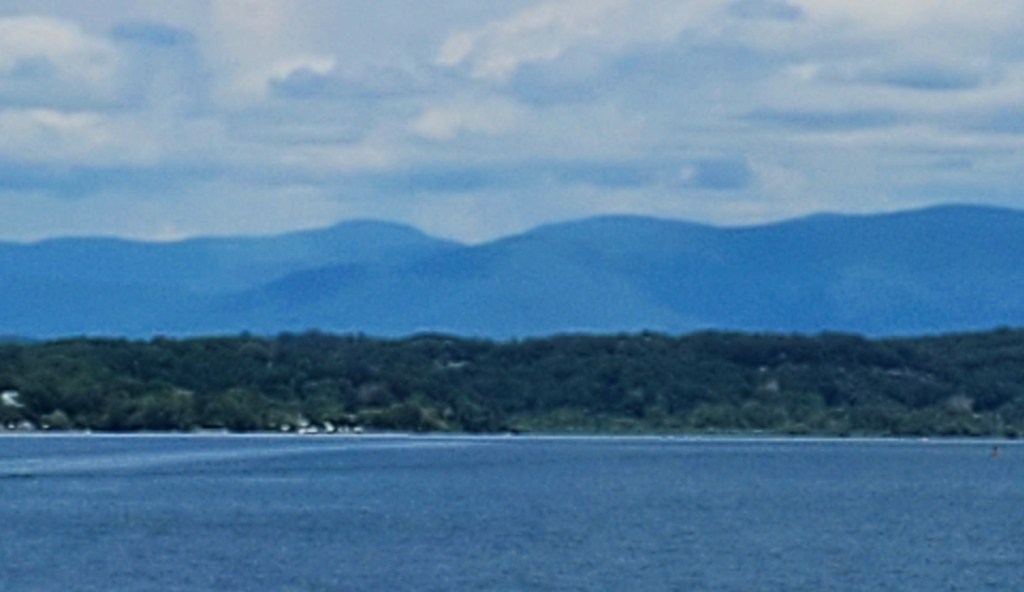
Catskills Mts.
Ole Savannah Restaurant
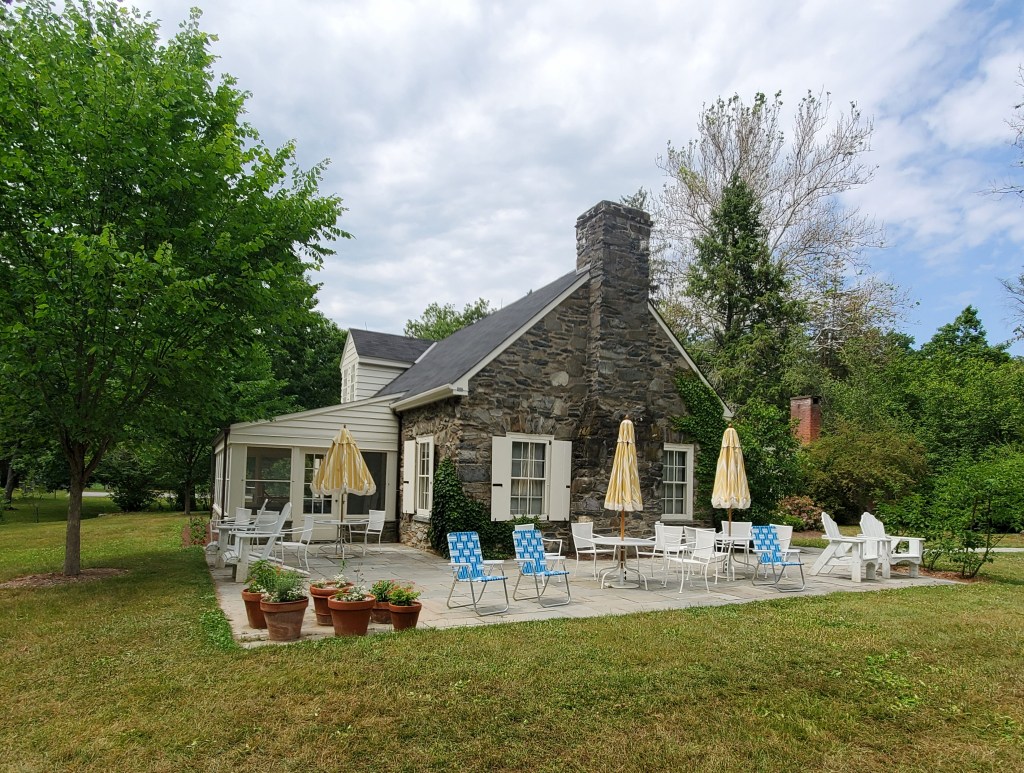
Val Kill
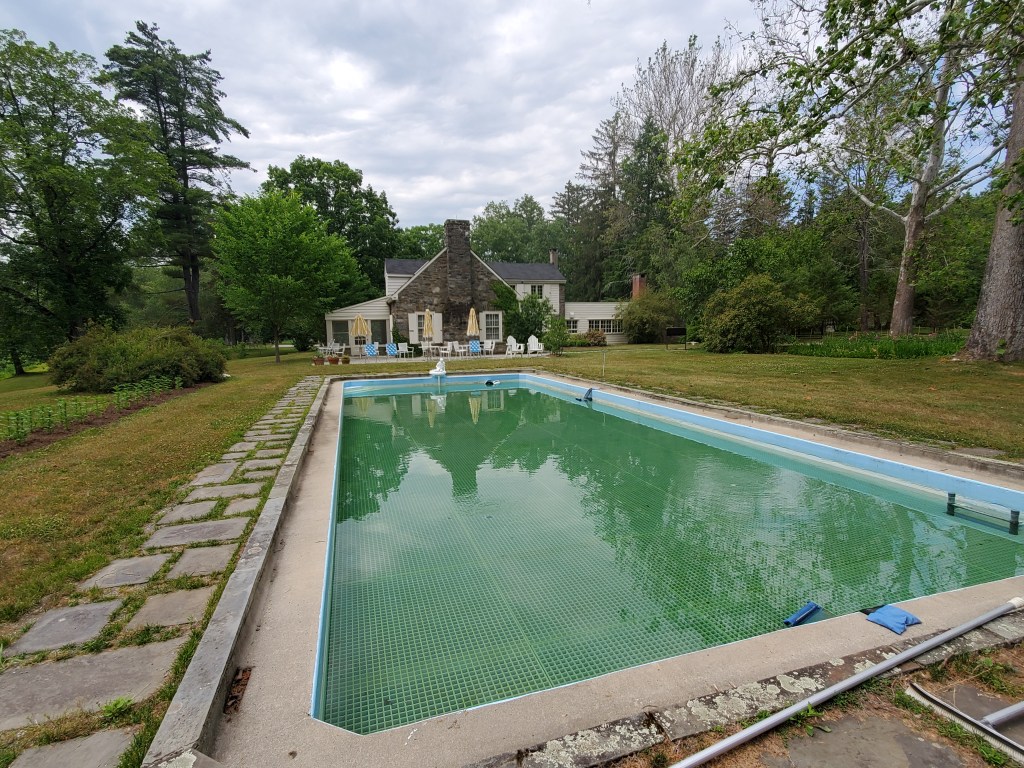
Pool at Val Kill
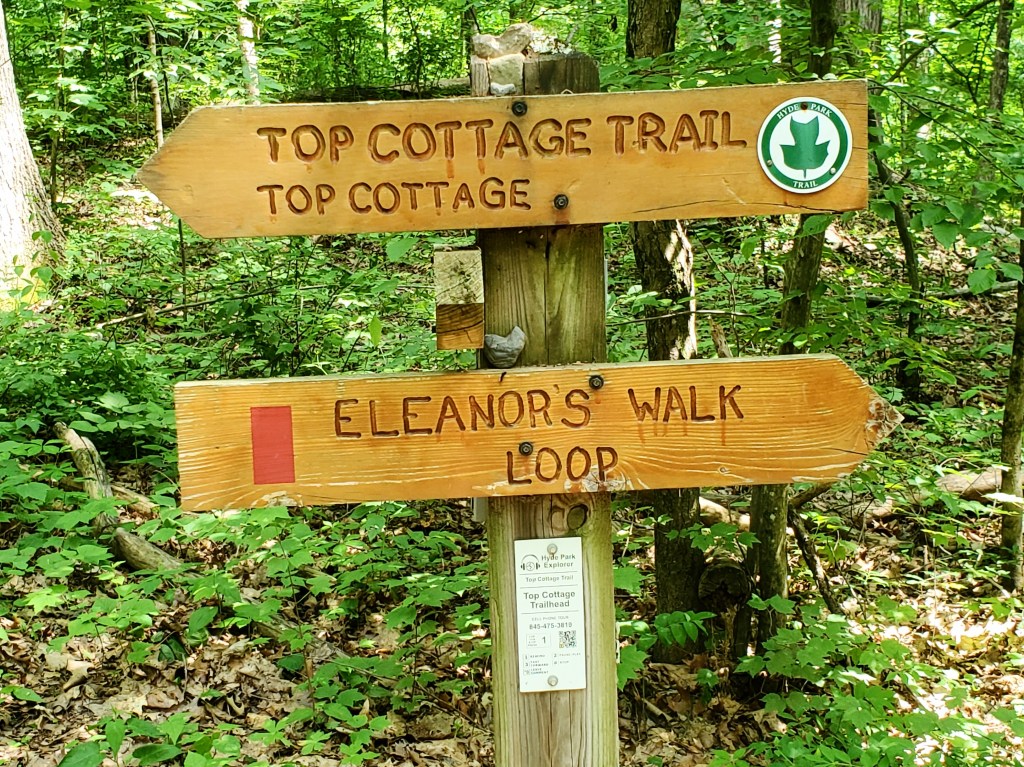
Hikes Not Taken on this trip
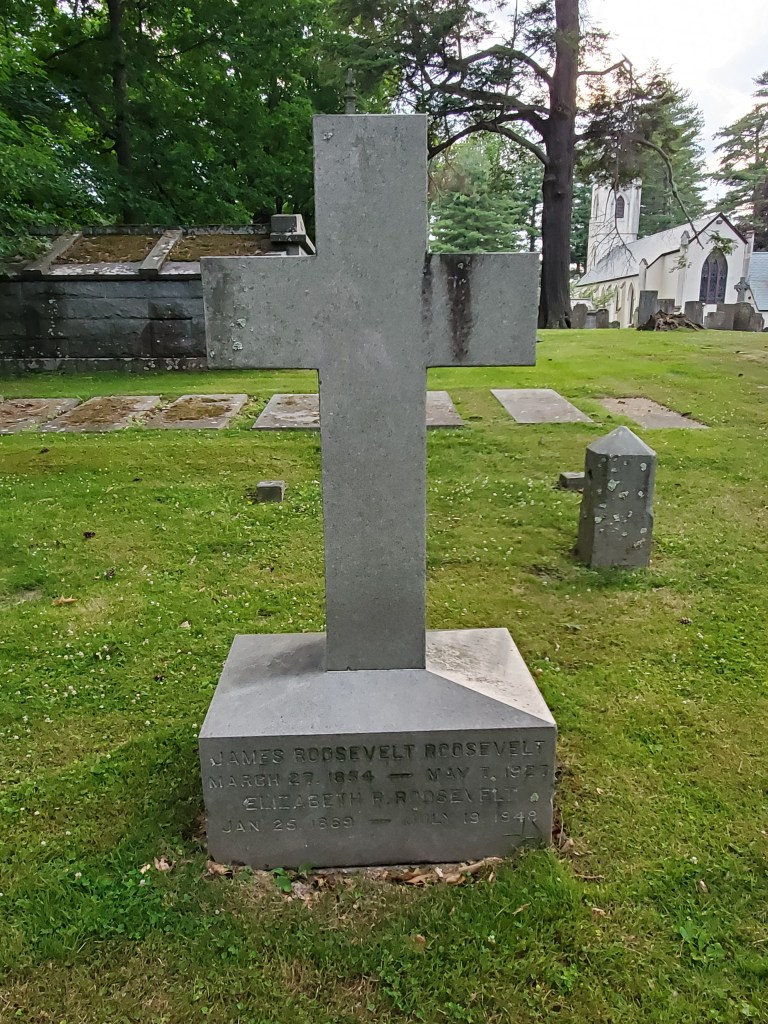
St. James Episcopal Church. Home church of the Roosevelts
I plan to attend on Sunday

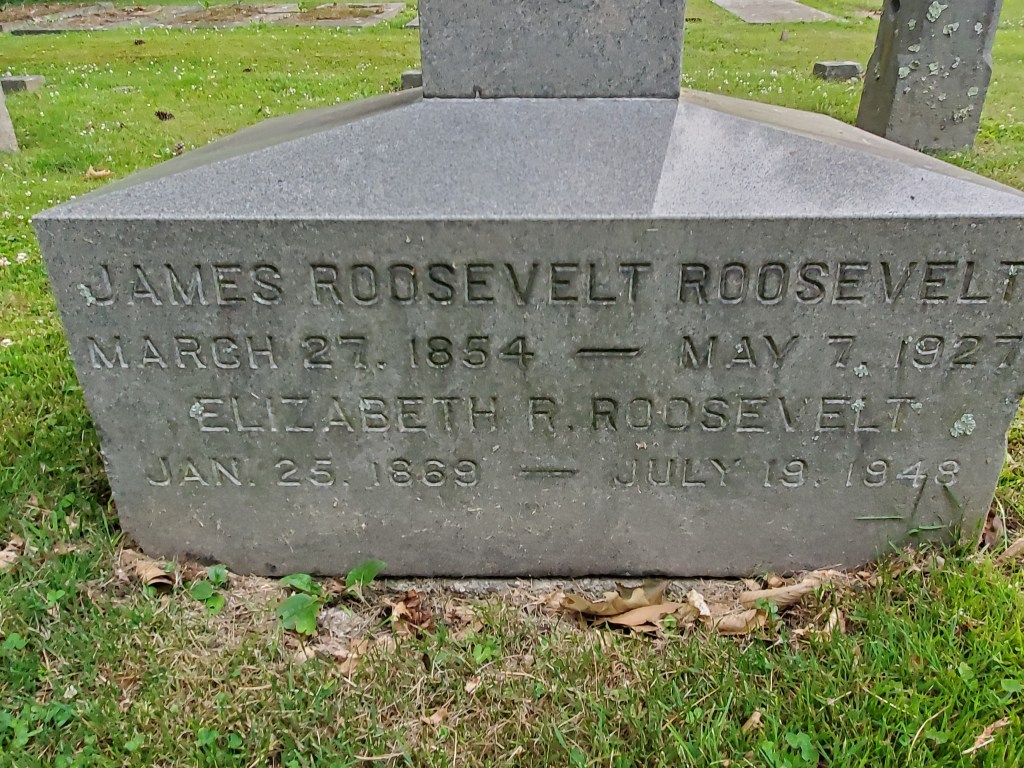
Several generations of Roosevelts are buried here


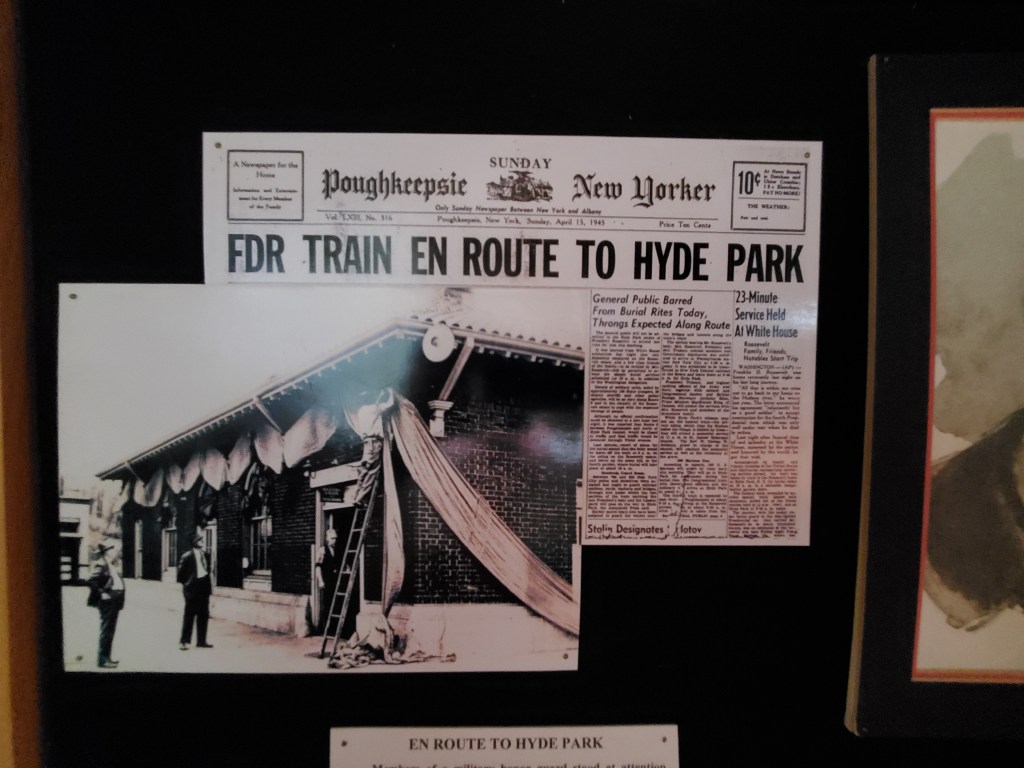
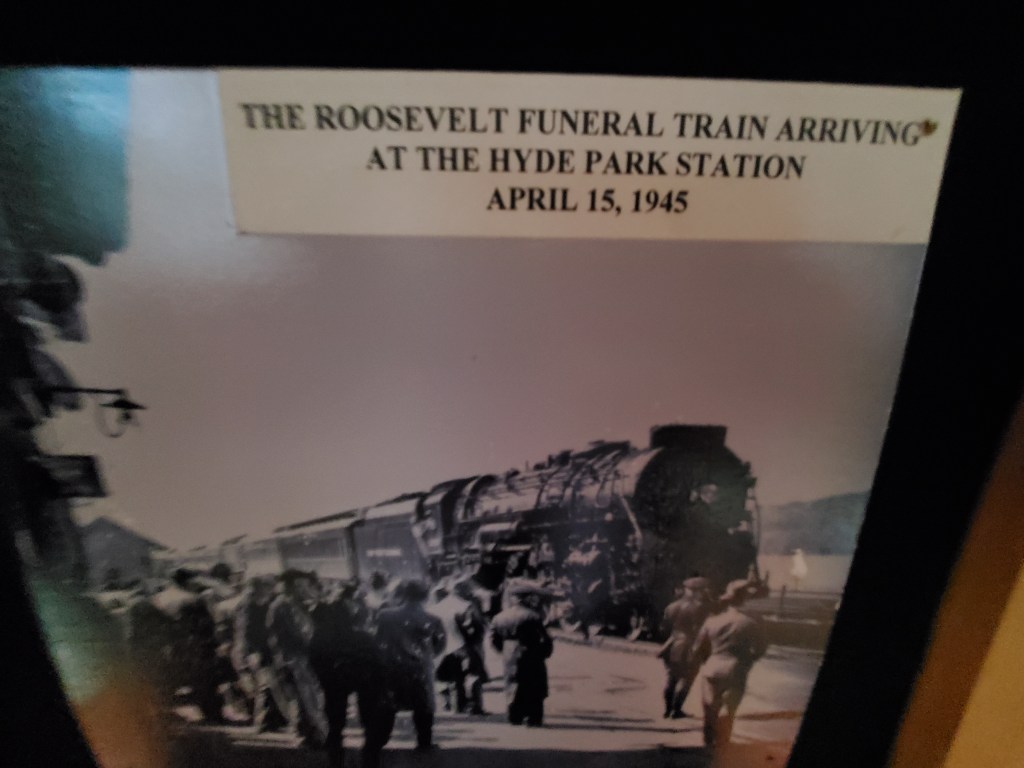
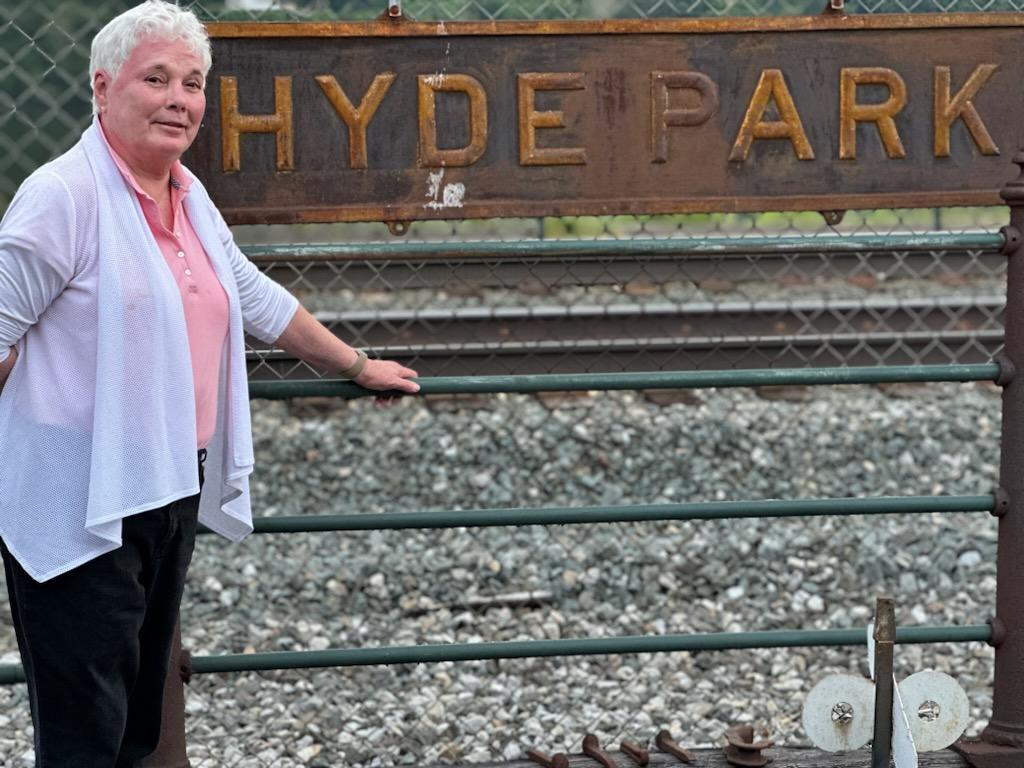
Photos at Hyde Park RR Station of FDR’s Funeral Train


Hyde Park RR Station. No longer in operation.

Sunday in NYC

Took the Hudson RR line from Poughkeepsie to Grand Central. 7:00am

Subway to Ferry to tour Liberty and Ellis Island.

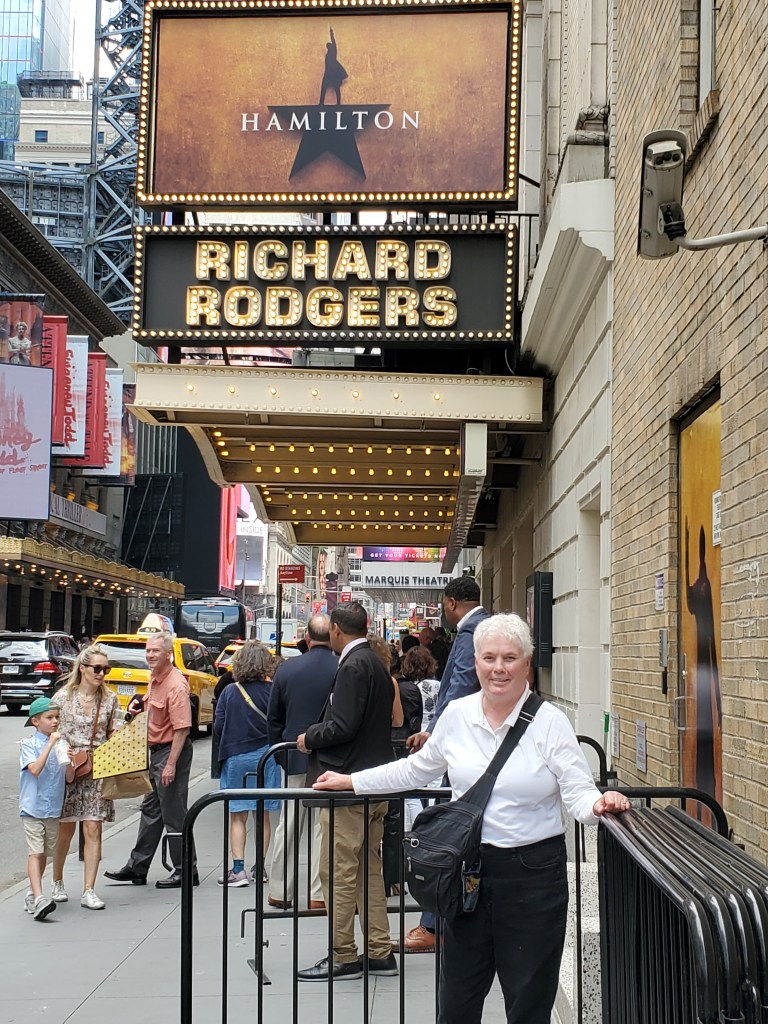
Hamilton

Roosevelt House on E. 65th Street.

Grand Central

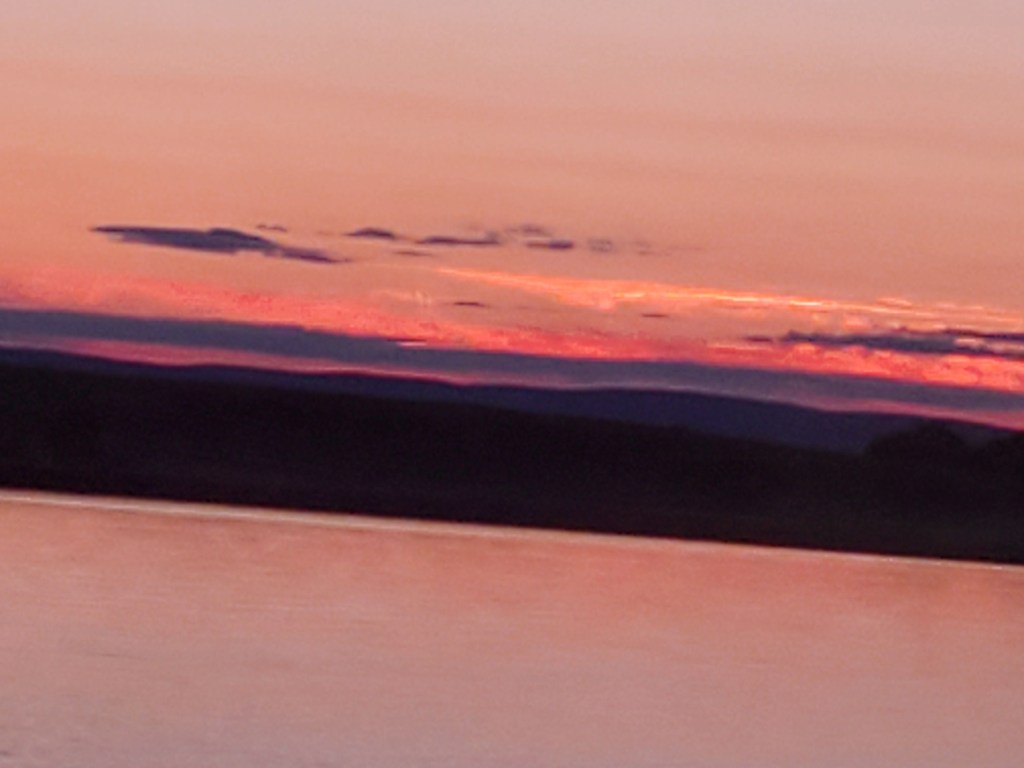
Train back to Poughkeepsie as sun sets over Hudson.
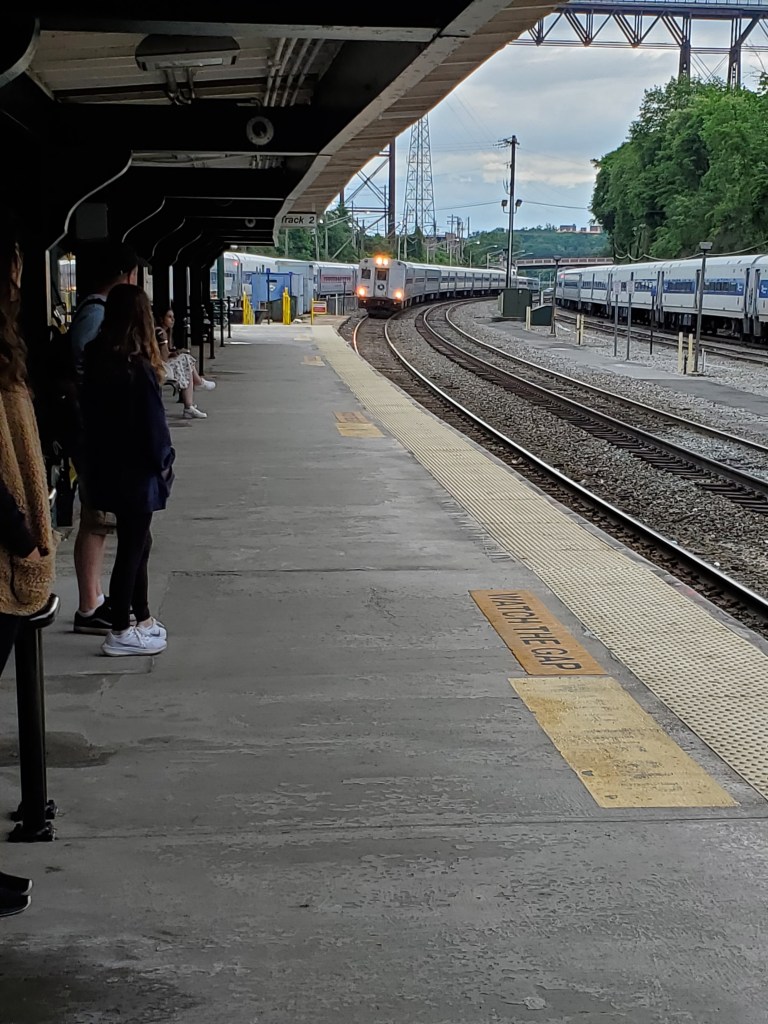
Hudson RR Line…
https://youtu.be/Hl6Rl9N2NyA

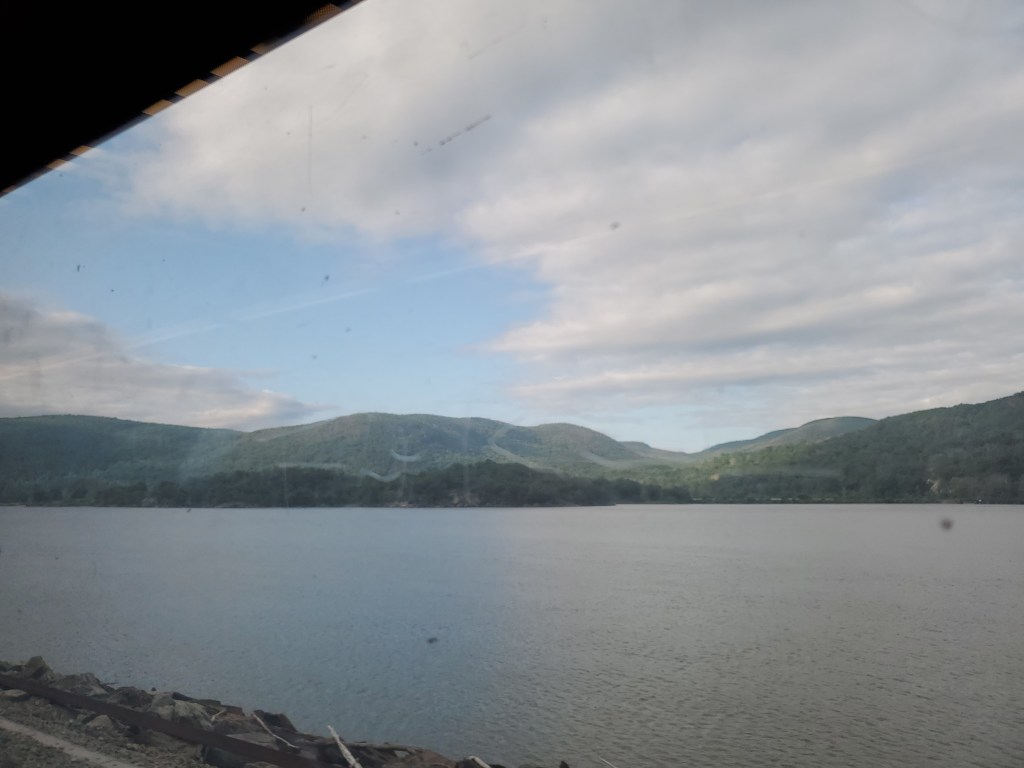
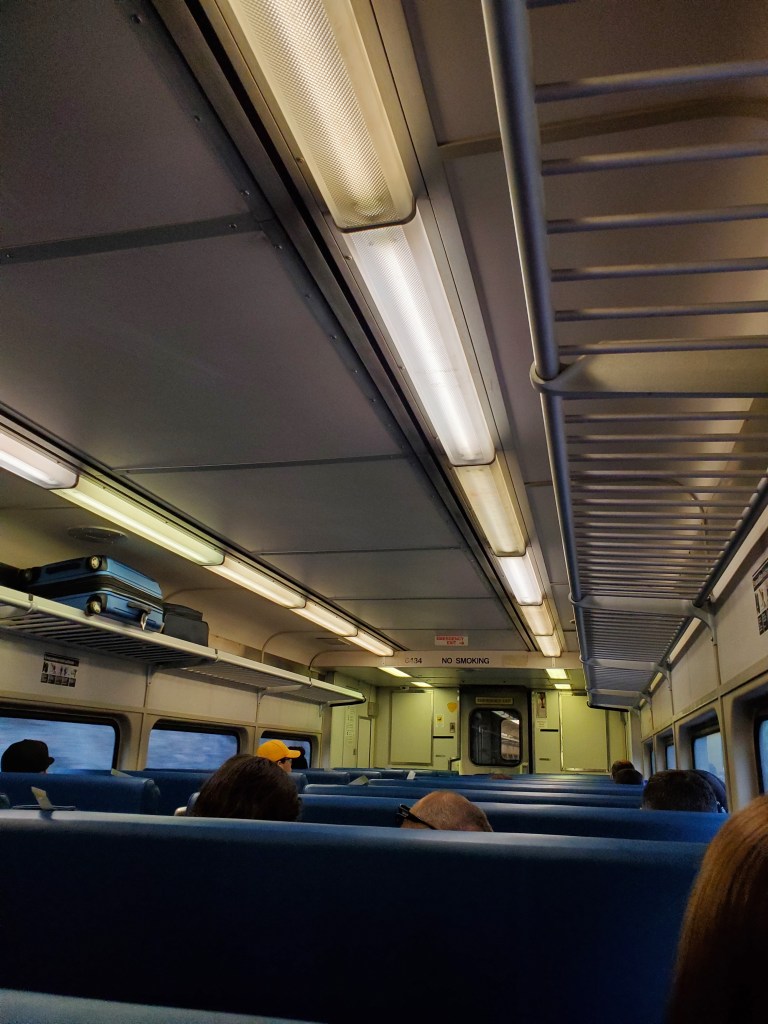
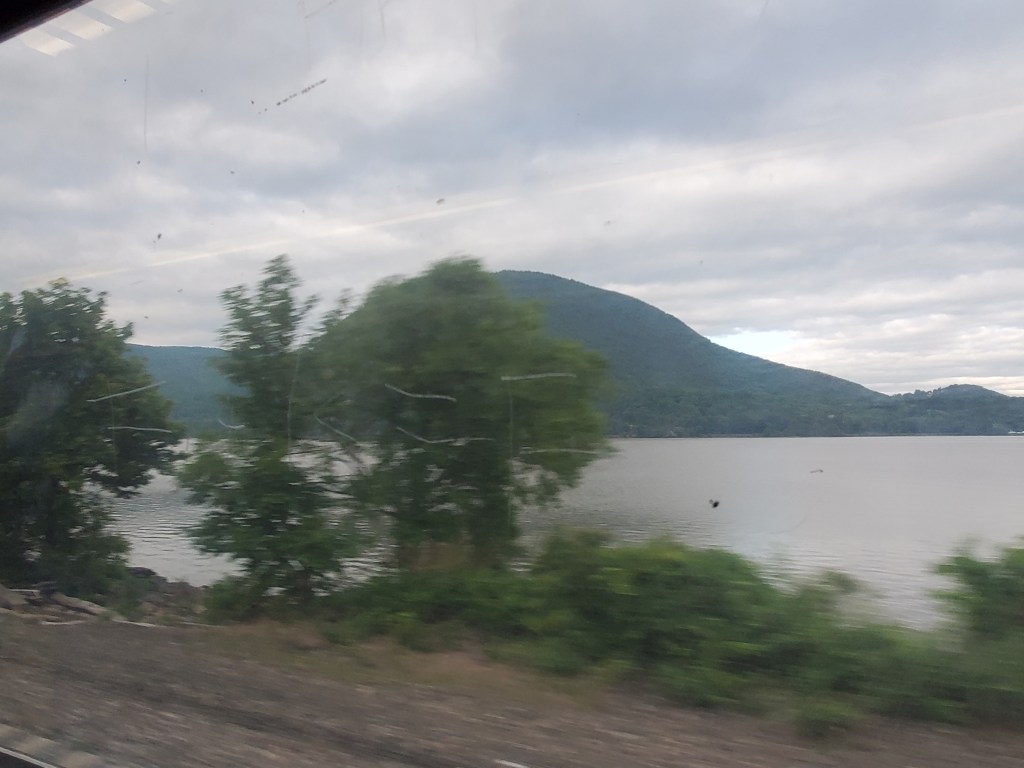
Scenes from the train on the Hudson
River and mountains

Not crowded on Sunday
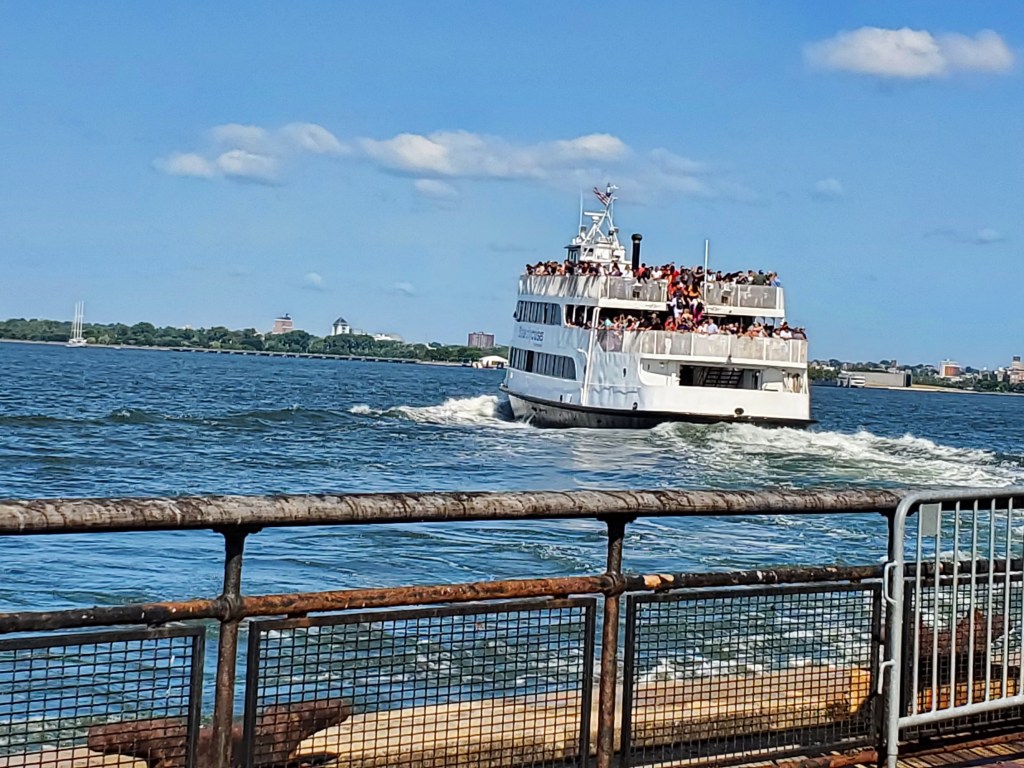
Ferry to Liberty and Ellis Island
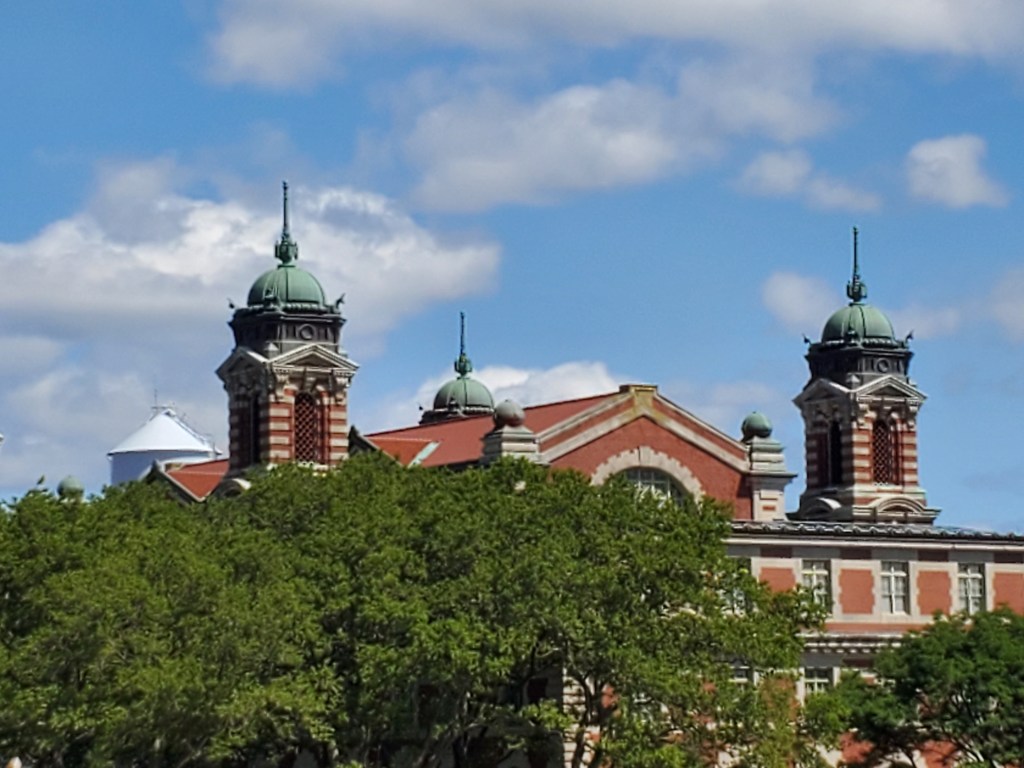
Ellis Island
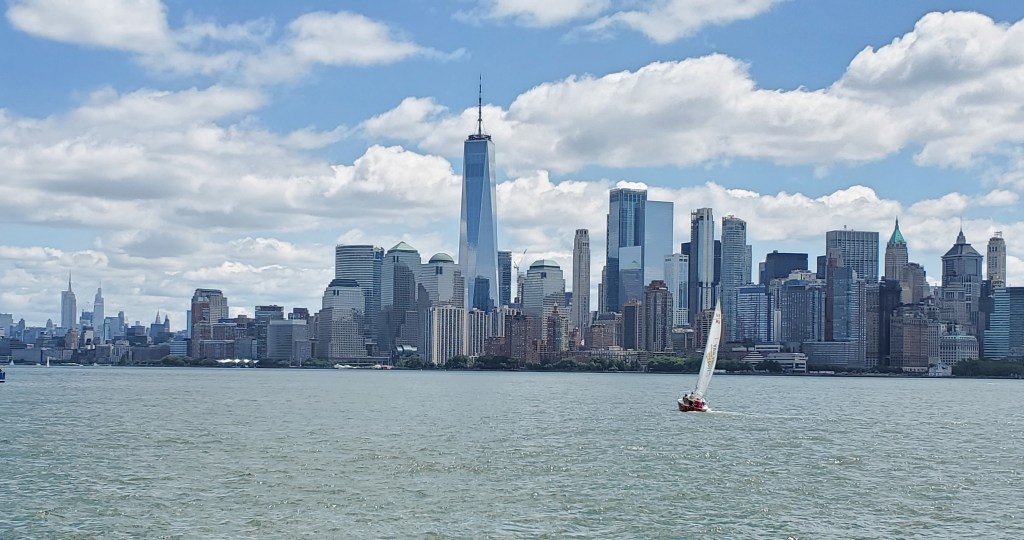
Skyline
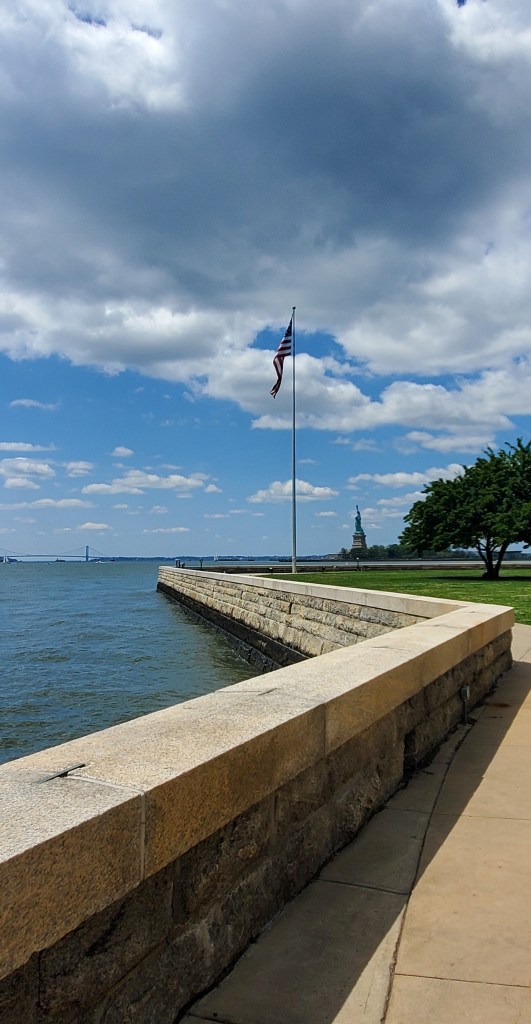
On Ellis Island. Looking back toward Lady Liberty
Lady Liberty
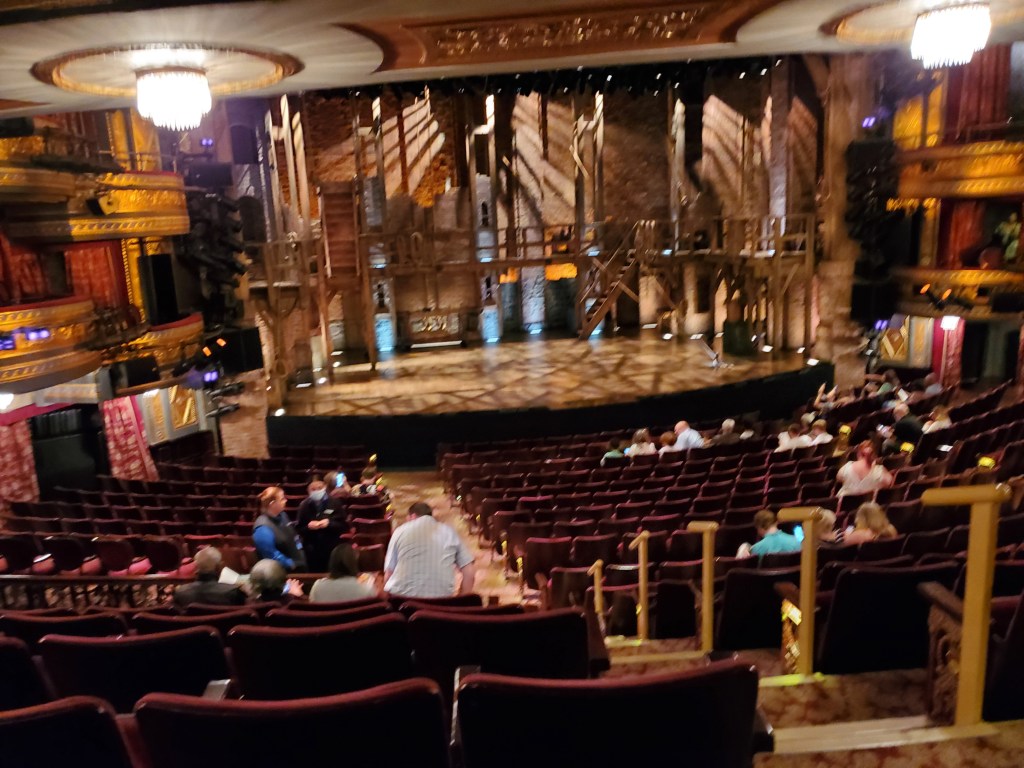
Ready to see the show
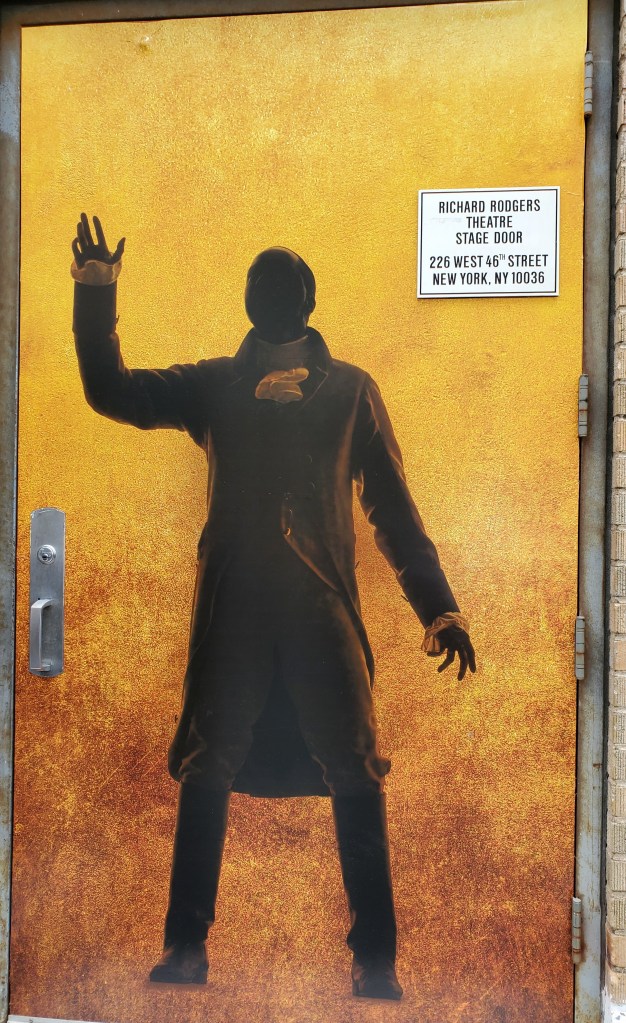
Backstage door
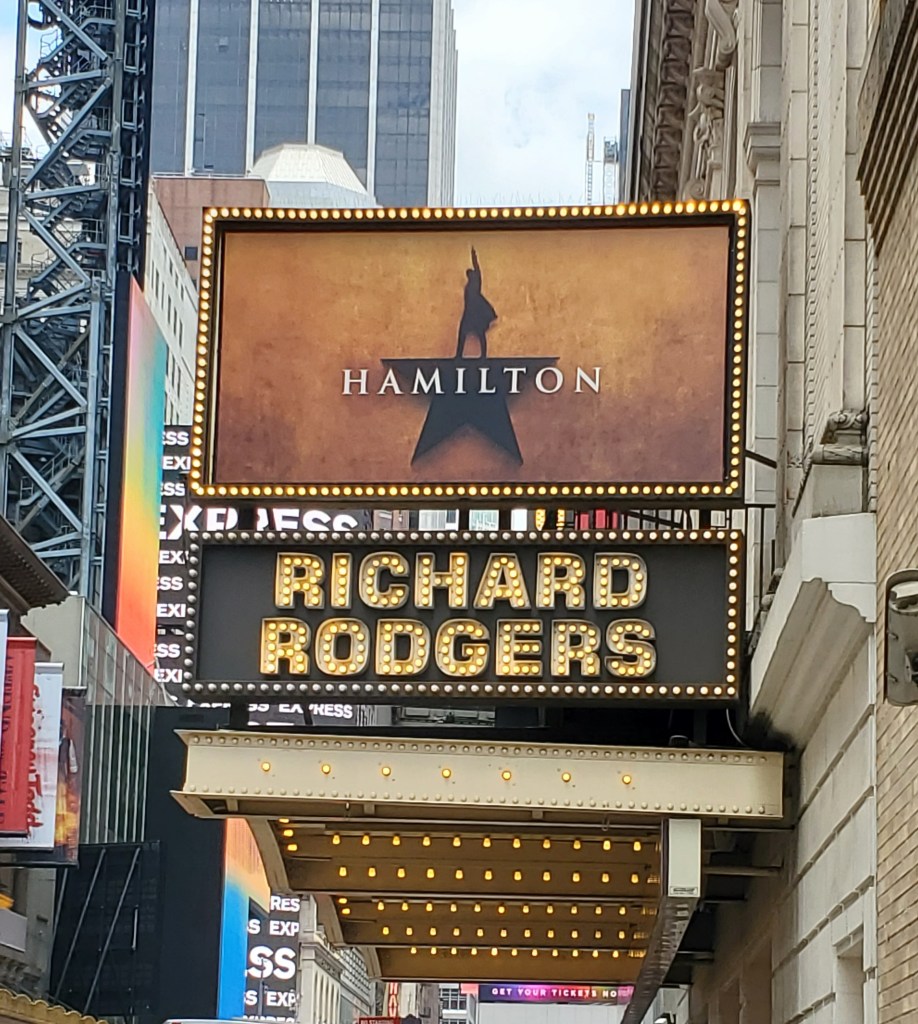
On Broadway
Richard Rodgers Theater
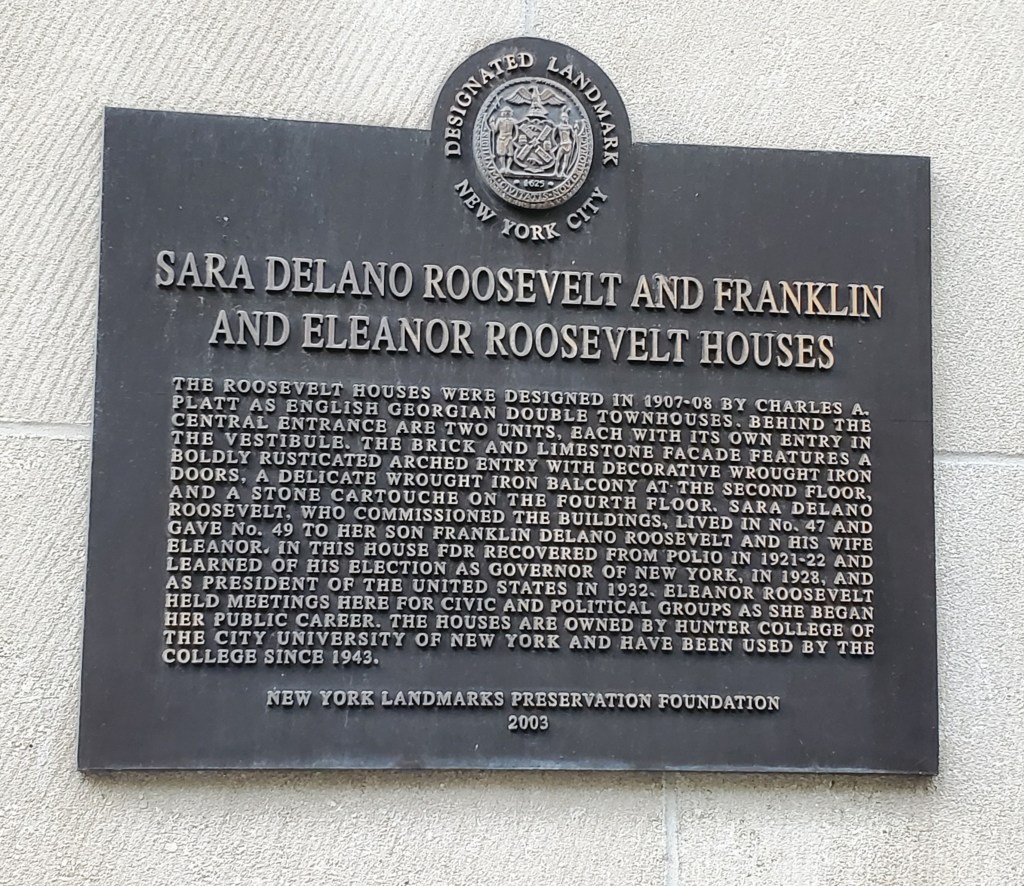
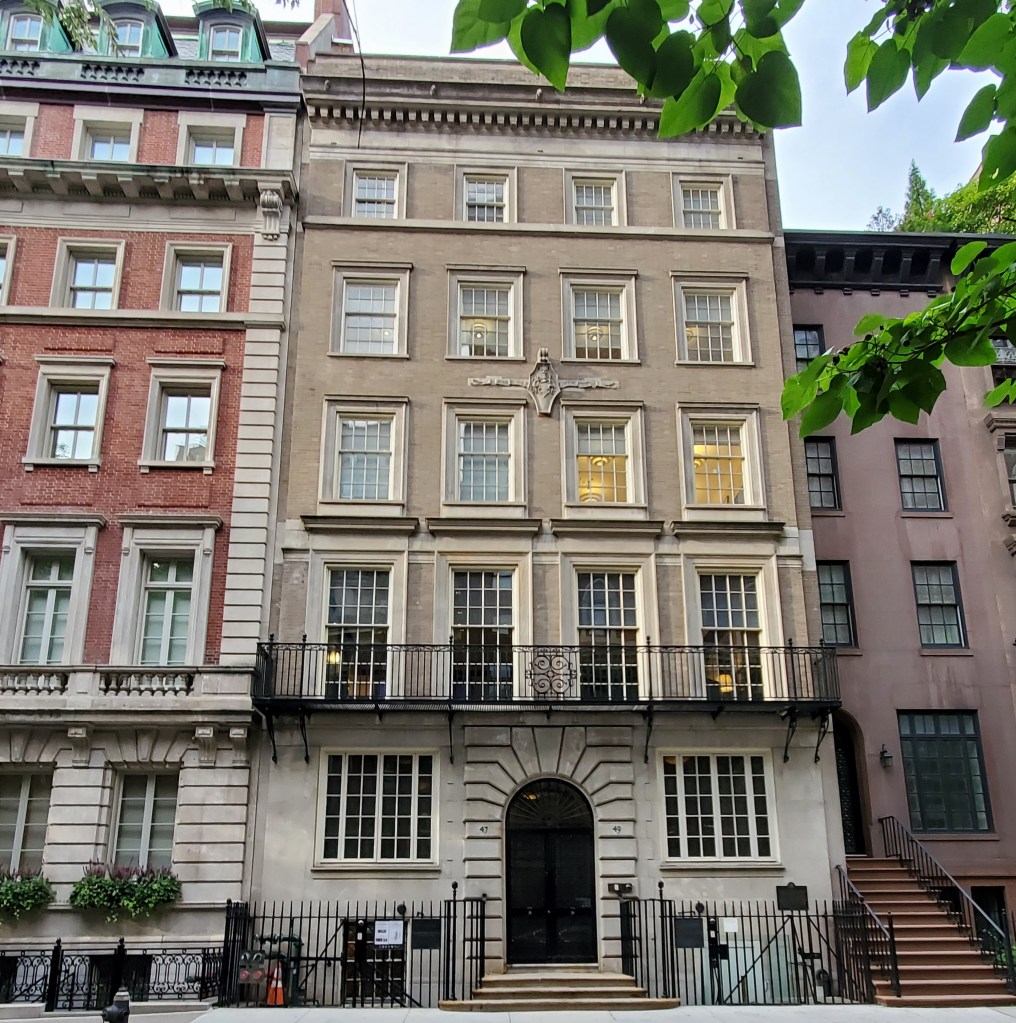
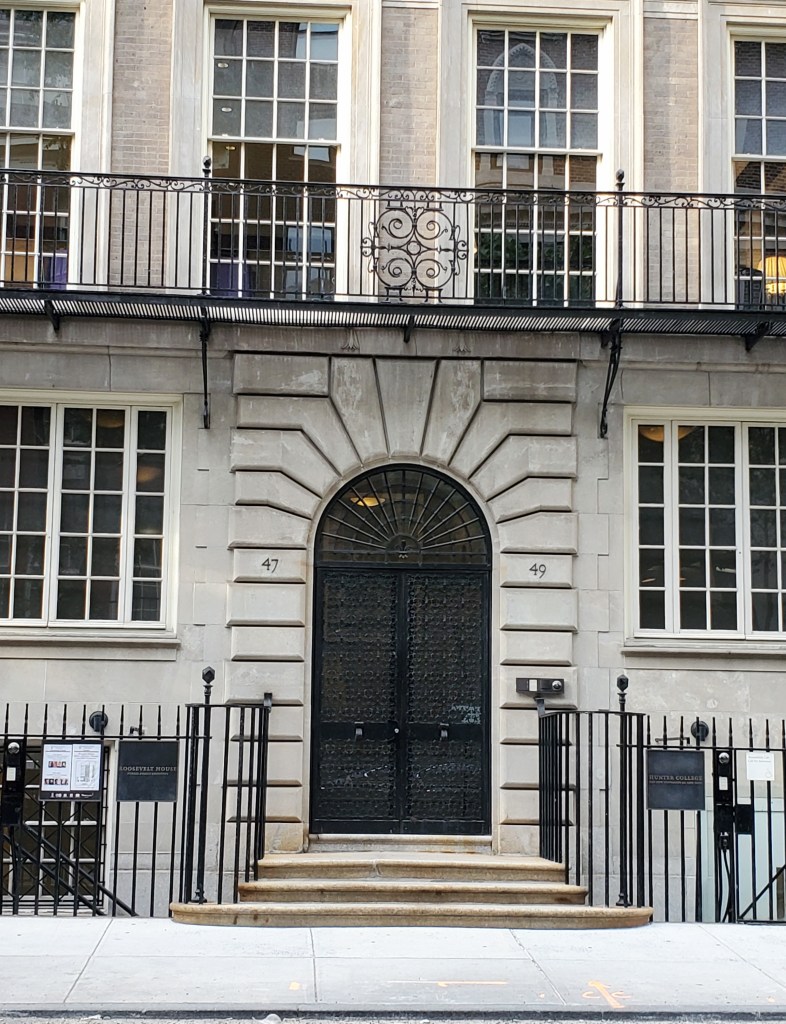
East 65th Street. Townhouses of Sara Delano Roosevelt, #47, Franklin and Eleanor #49
Upscale neighborhood

Shared entry hall of the connected townhouse
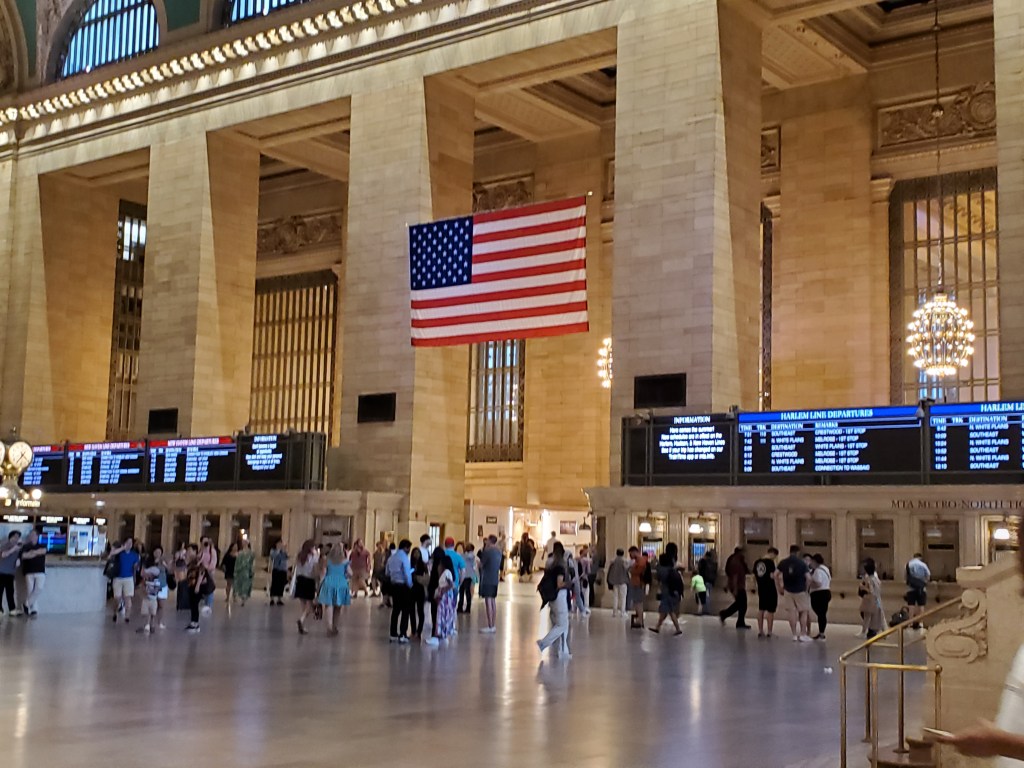
Grand Central Station
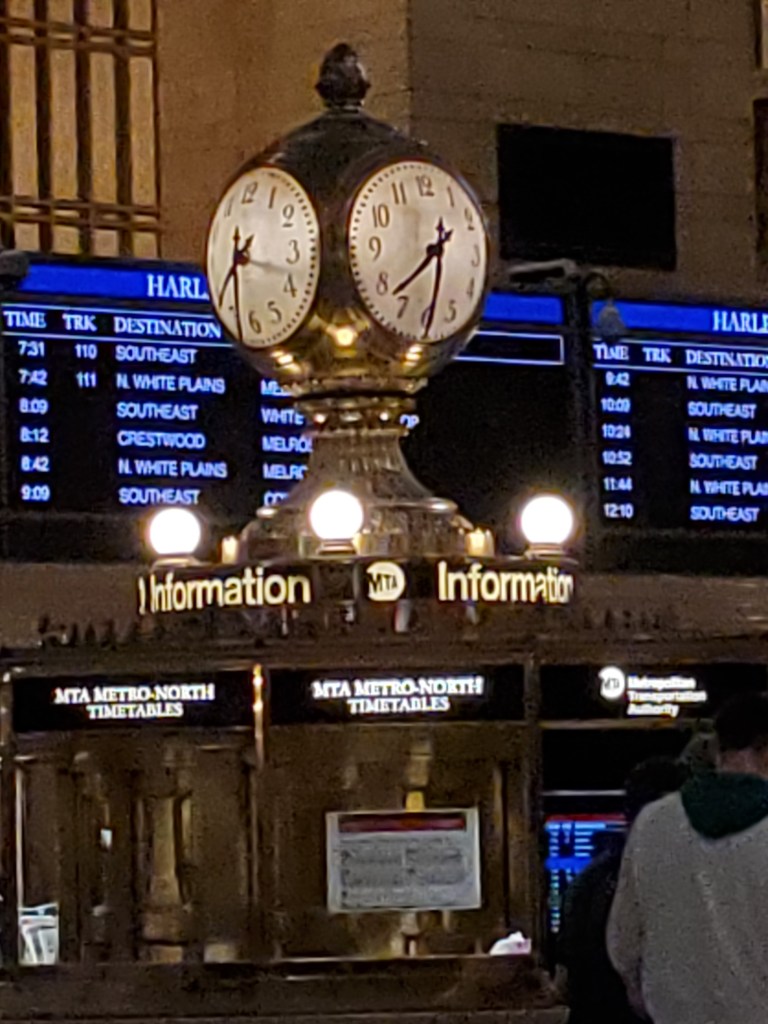
Clock in Grand Central Ready to catch 7:50 train
Train ride back to Poughkeepsie after day in the city

This and That…

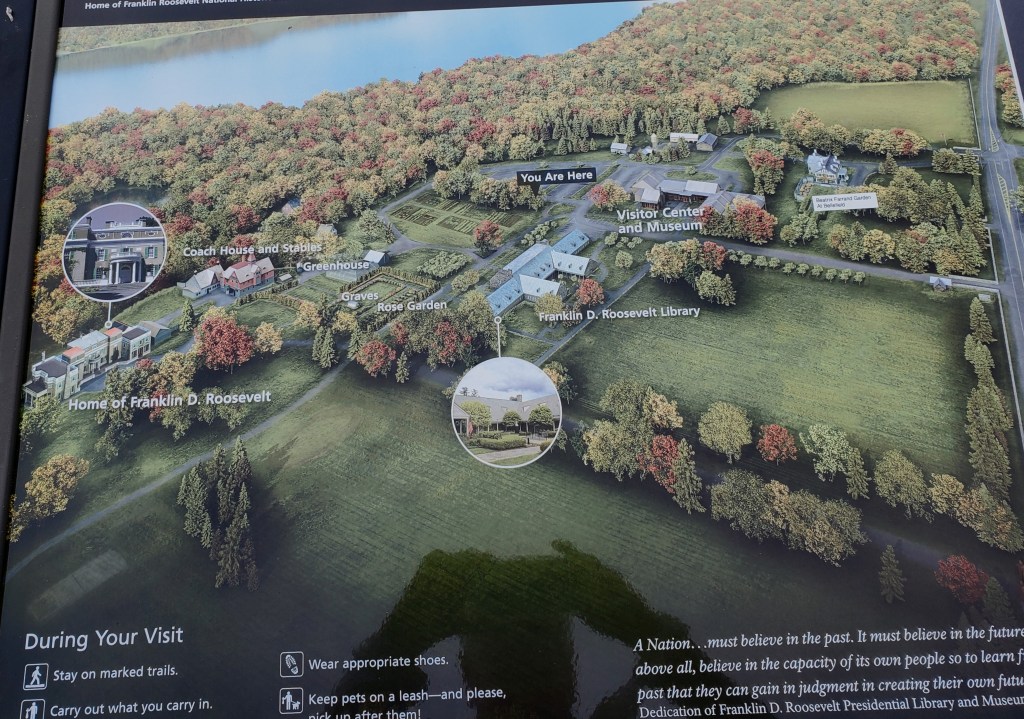
Ariel view of FDR Historic Site
D-Train Whistle
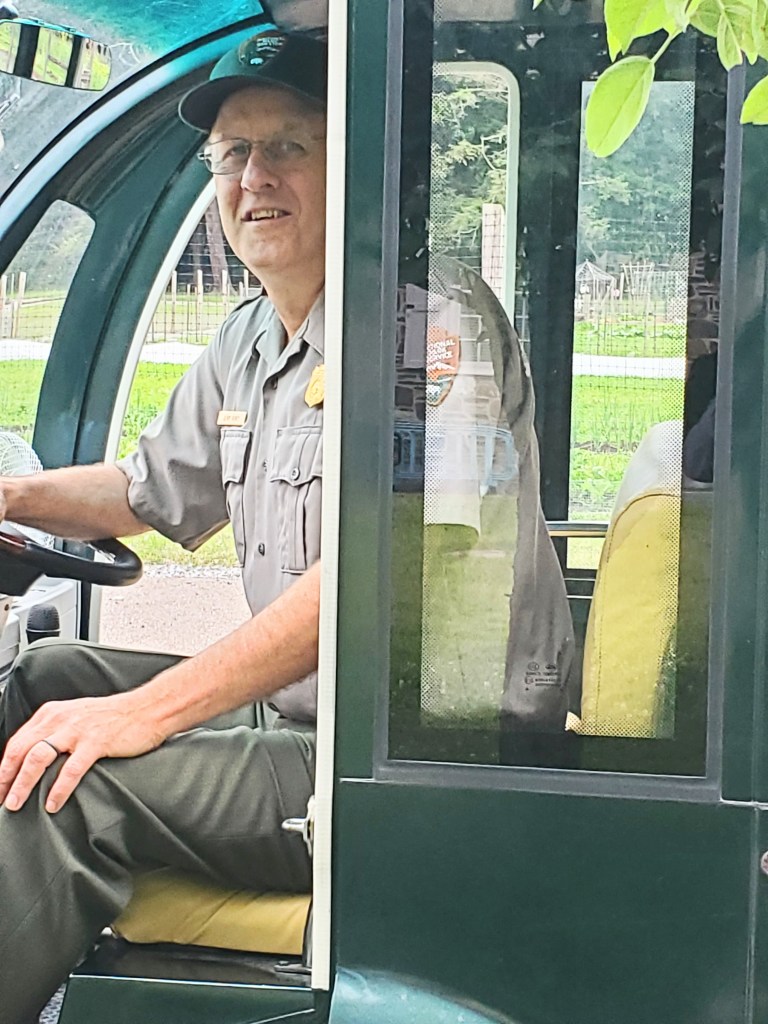
Ranger Jerry. Responsible for giving me the “handle”

D-Train”
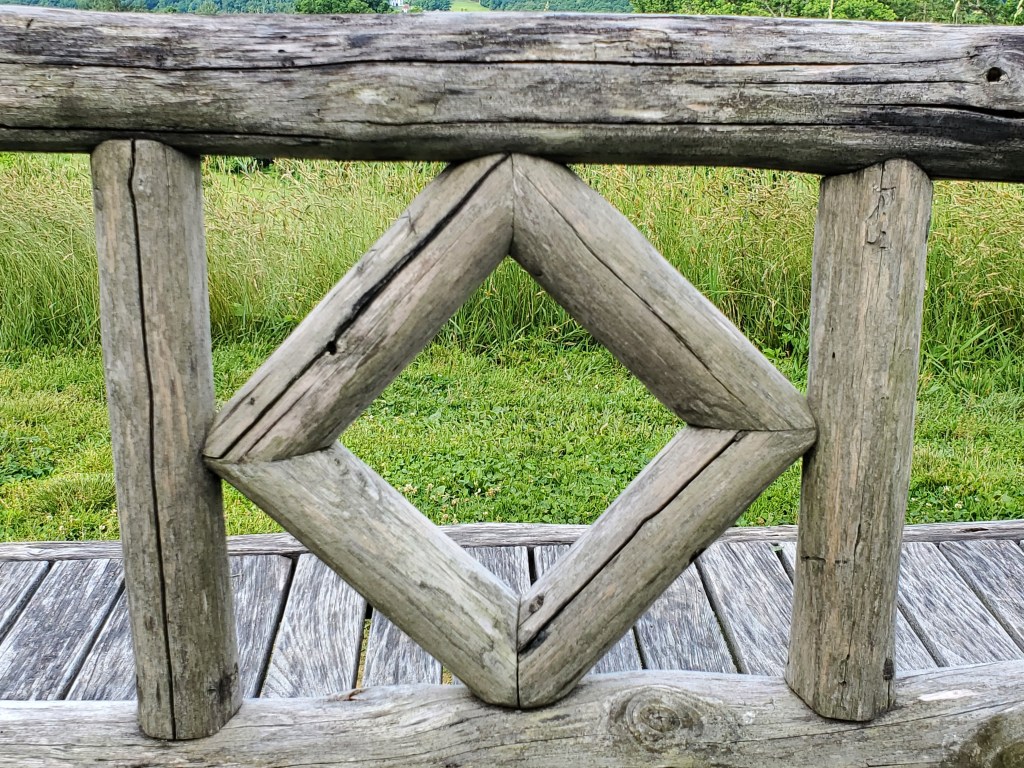
THE bench

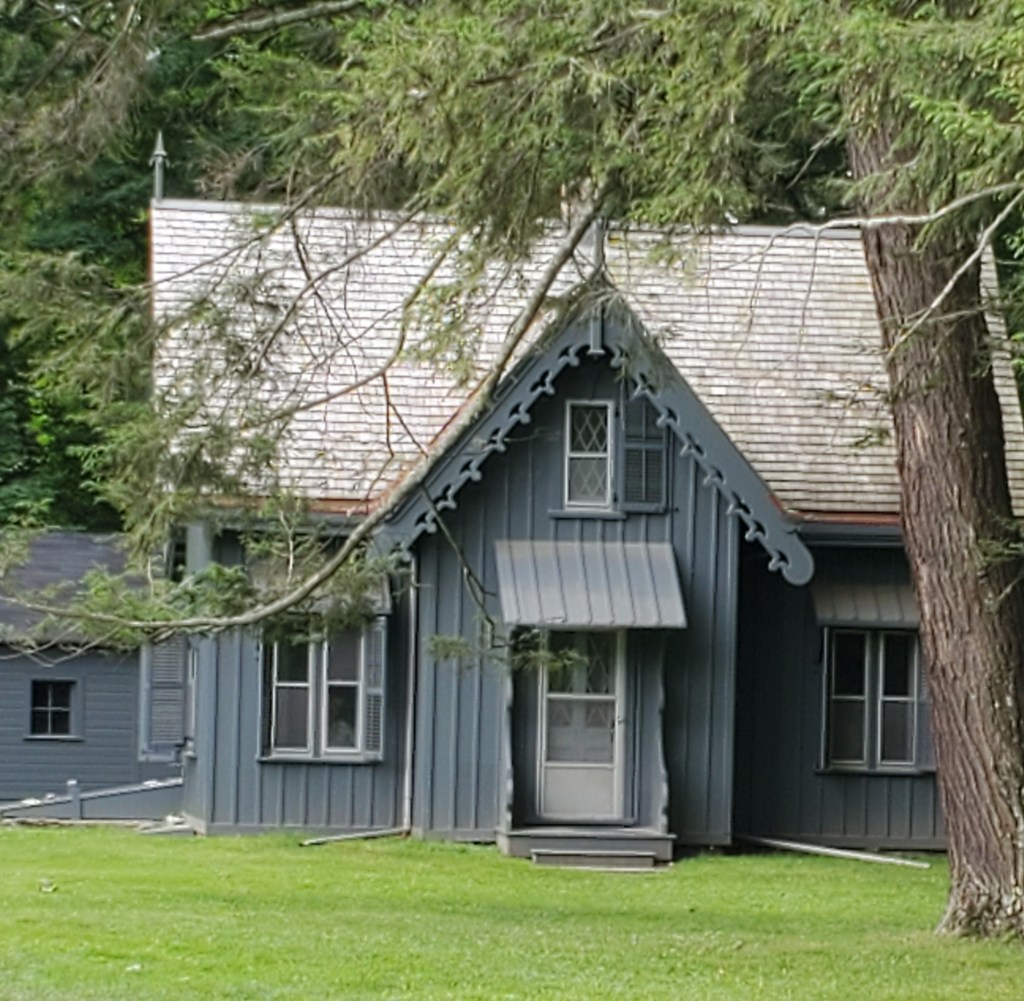
The “Gingerbread House” where Park Rangers meet and start their day.
It was the home of Mr. Plogg. Mr. Plog helped with the burial of FDR and continued to maintain the property when it became a National Park. He died in April of 1952 after working here for over 55 years.

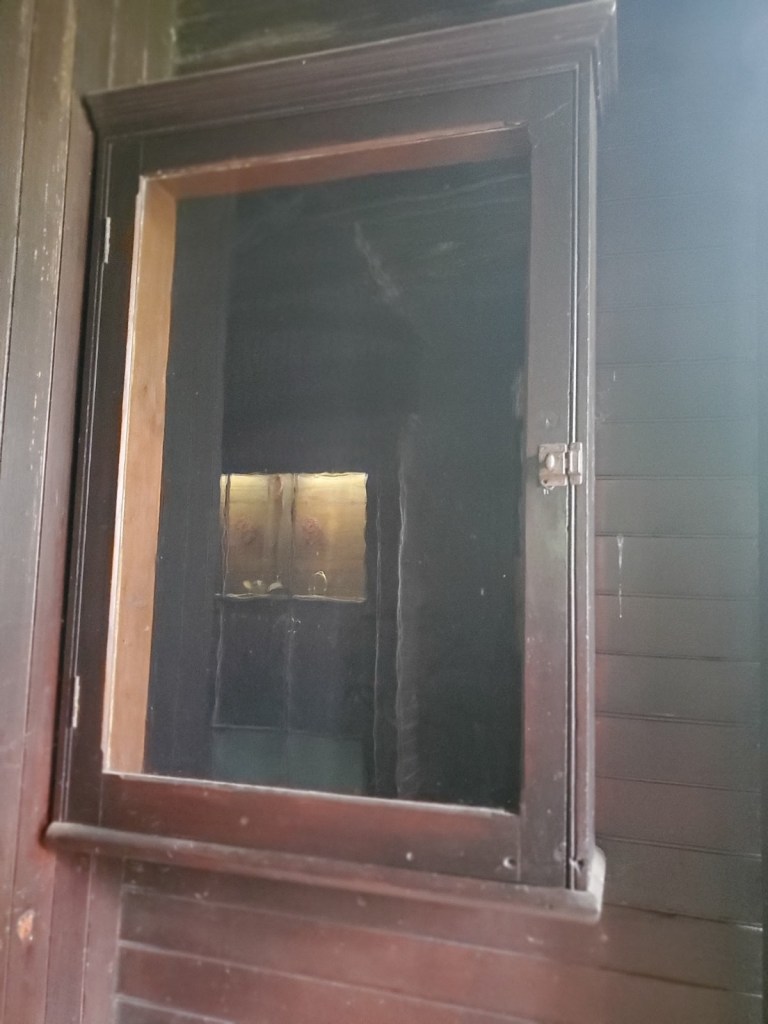
This frame, located in the stables, once held the tail of Gloster, a race horse.
According to some, Gloster died in a train wreck while being shipped to California in spring 1874, and a stable hand removed and mounted his tail.

Years later, the tail was presented to Roosevelt in 1930, who hung it in the governor’s mansion and subsequently his White House bedroom as a memento of his Hudson Valley boyhood.

I was told that an animal rights group protested this practice and thus the tail was removed.
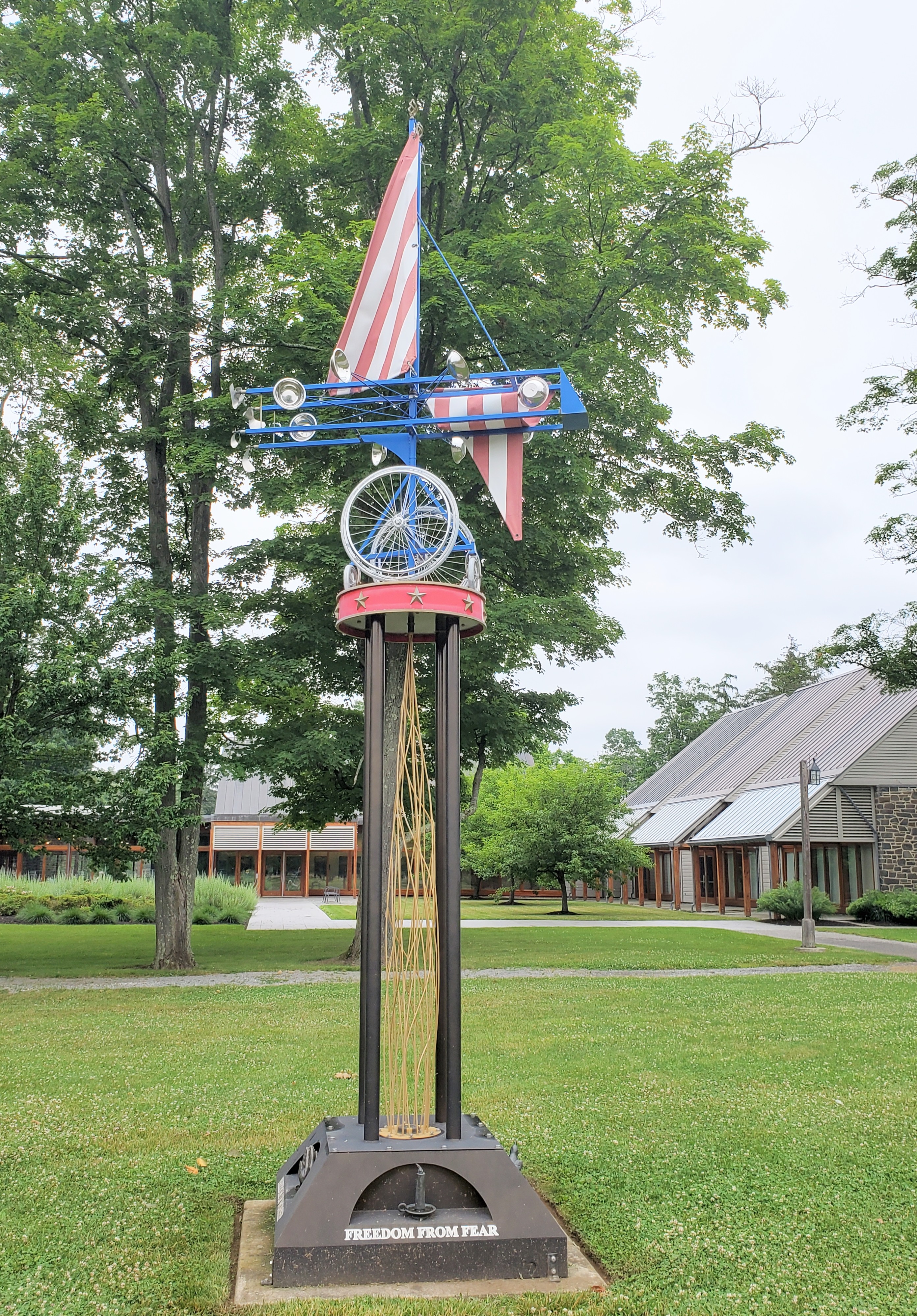
Henry Loustau’s kinetic sculpture, The Four Freedoms 
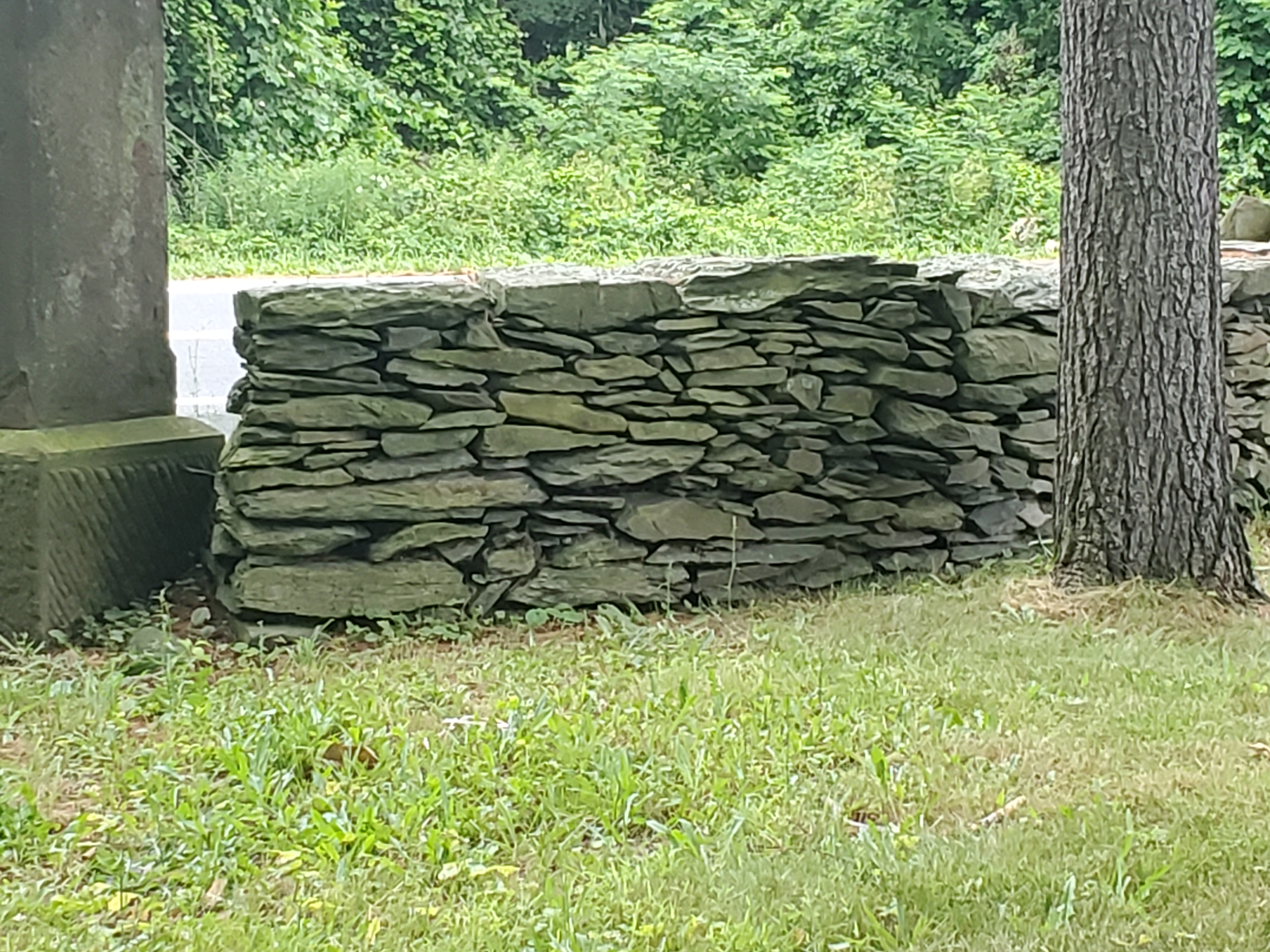
How a stone wall should look.
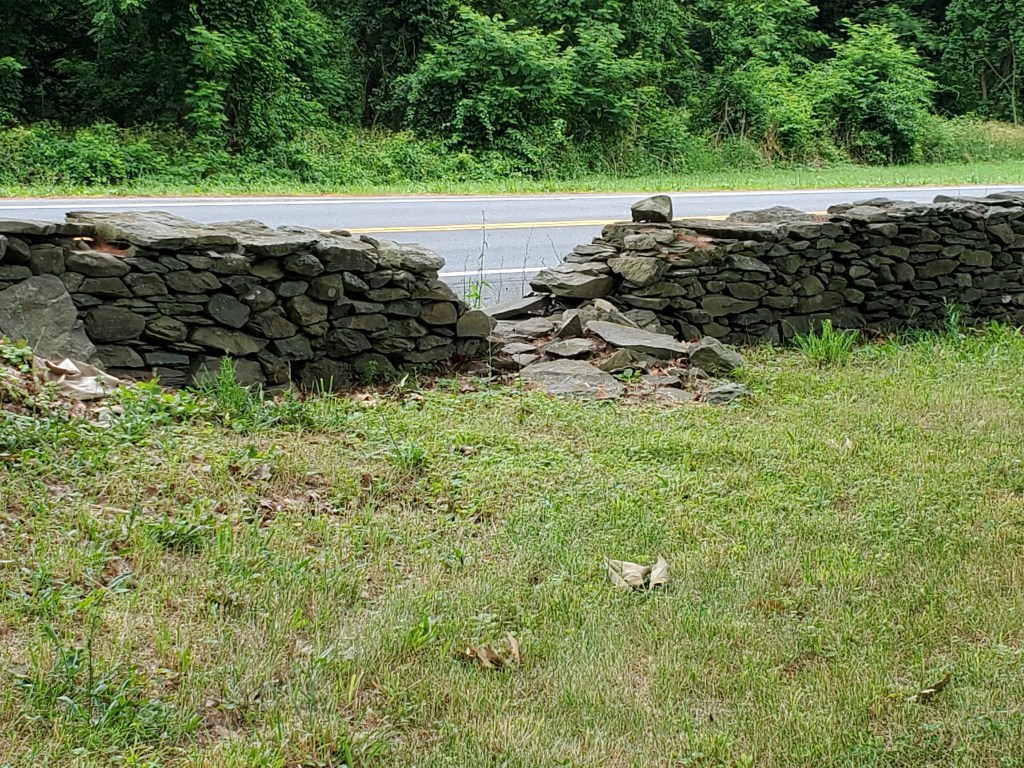
How it would look if I had built it.
Entrance to Library
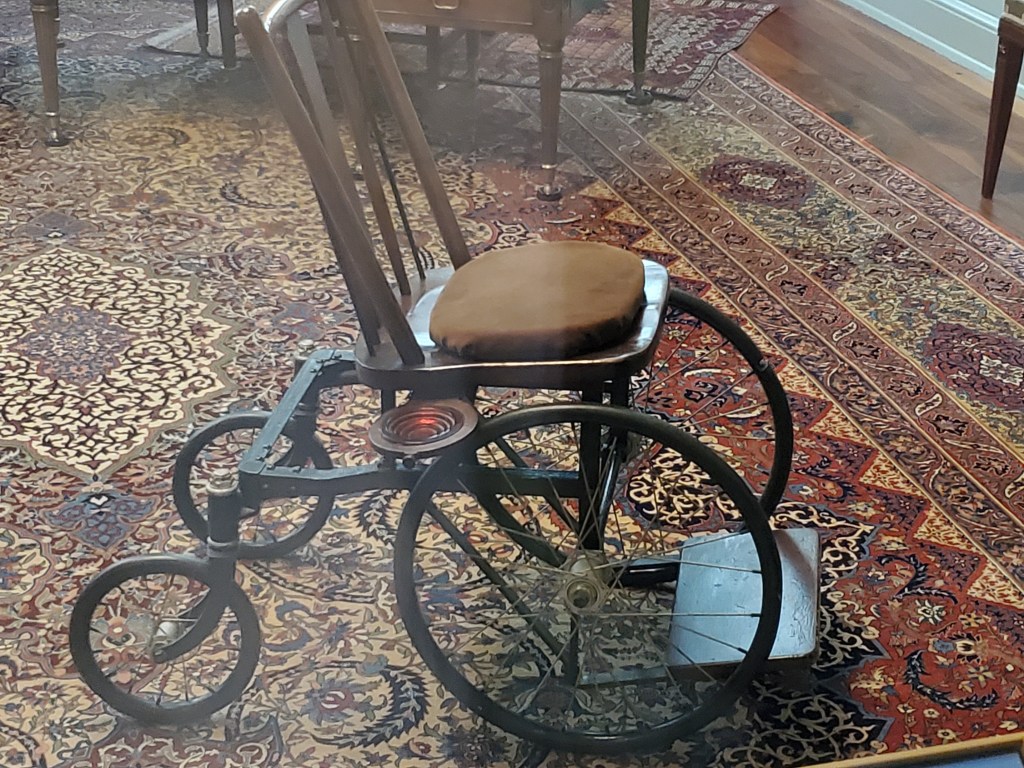
FDR’s wheelchair with attached ashtray
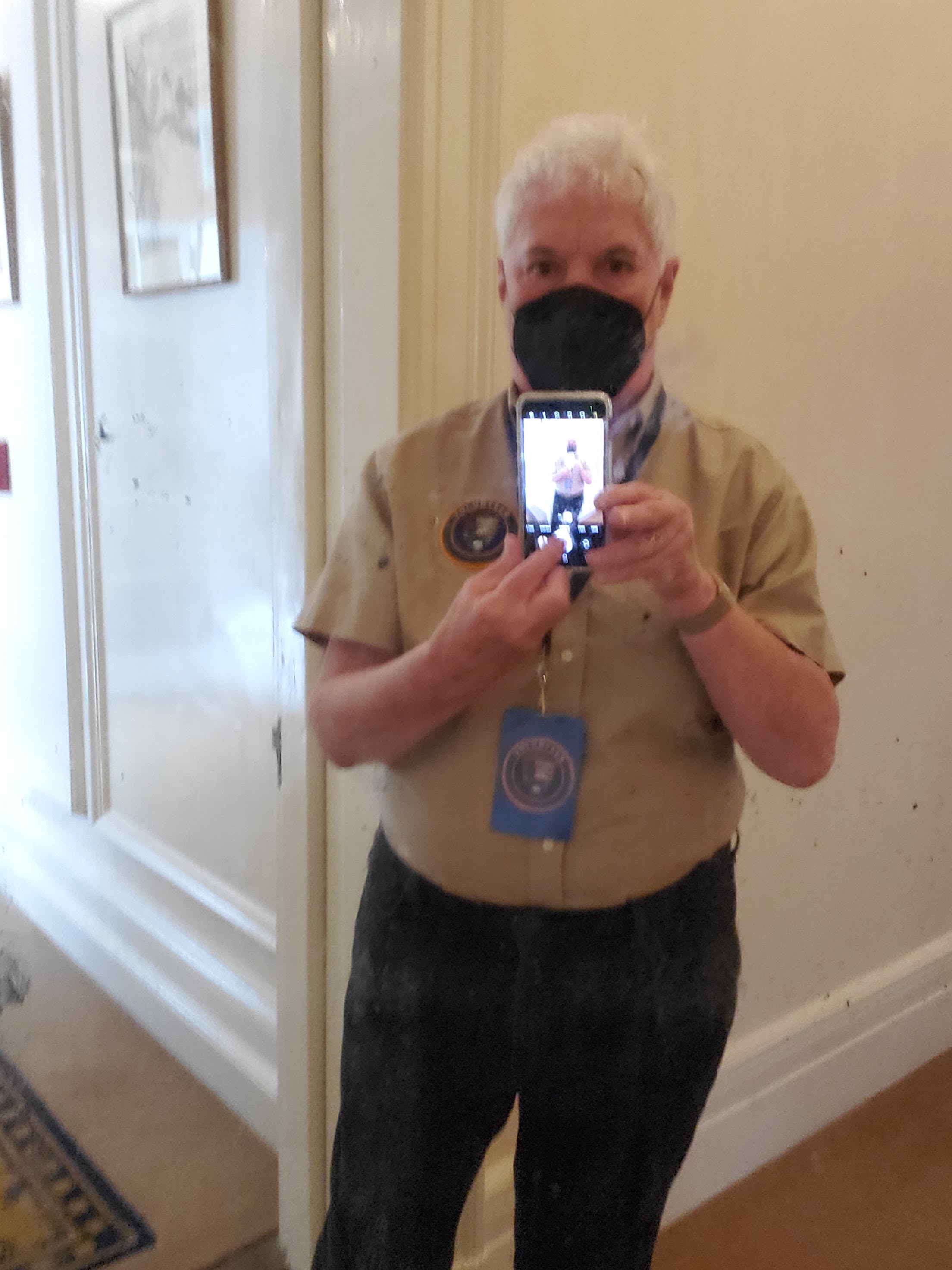
Taking a photo in the mirror that Secret Service installed outside FDR’s bedroom in order to see who was coming down the hall

High-Tech
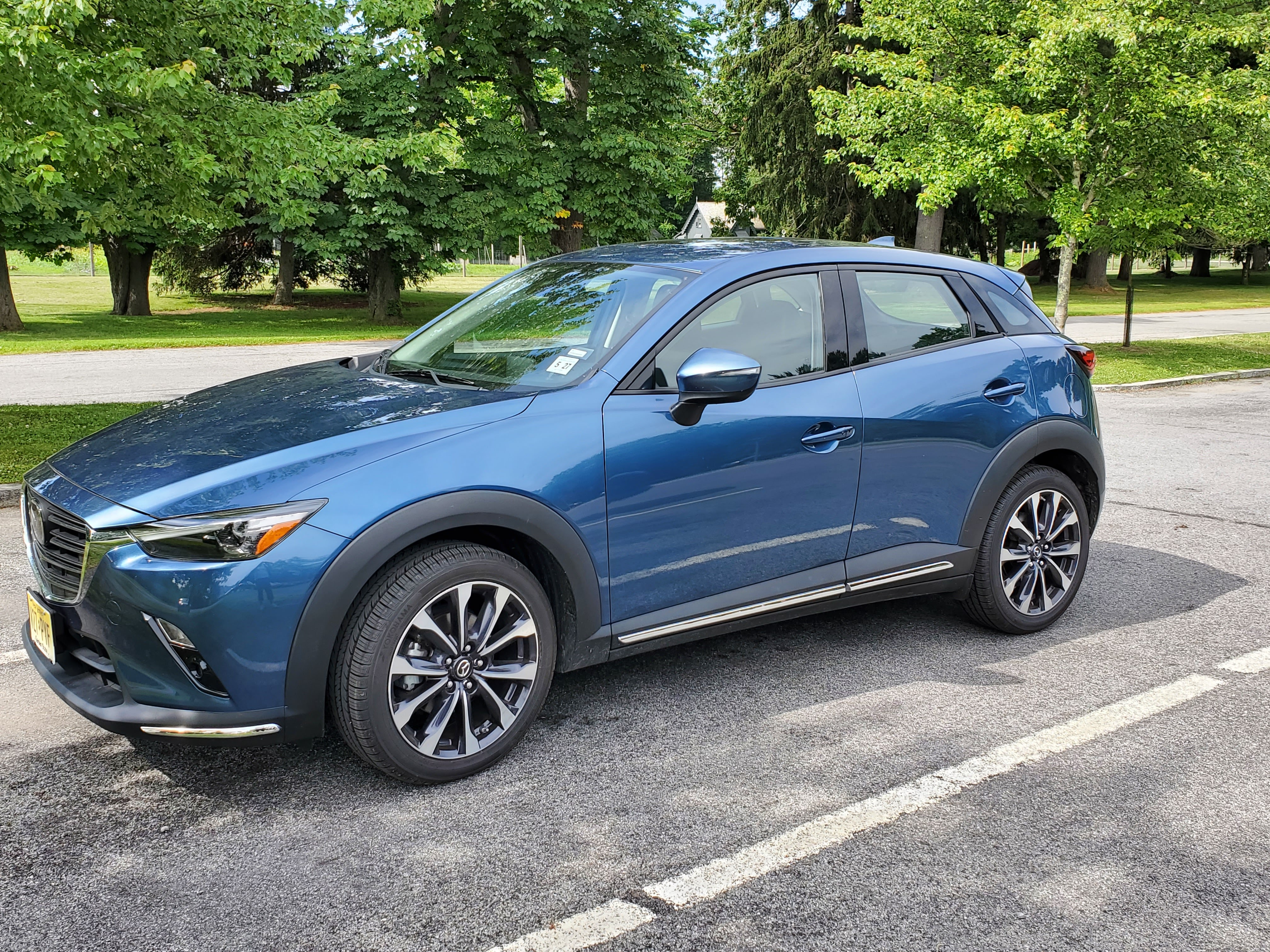
My wheels
FDR’s wheels
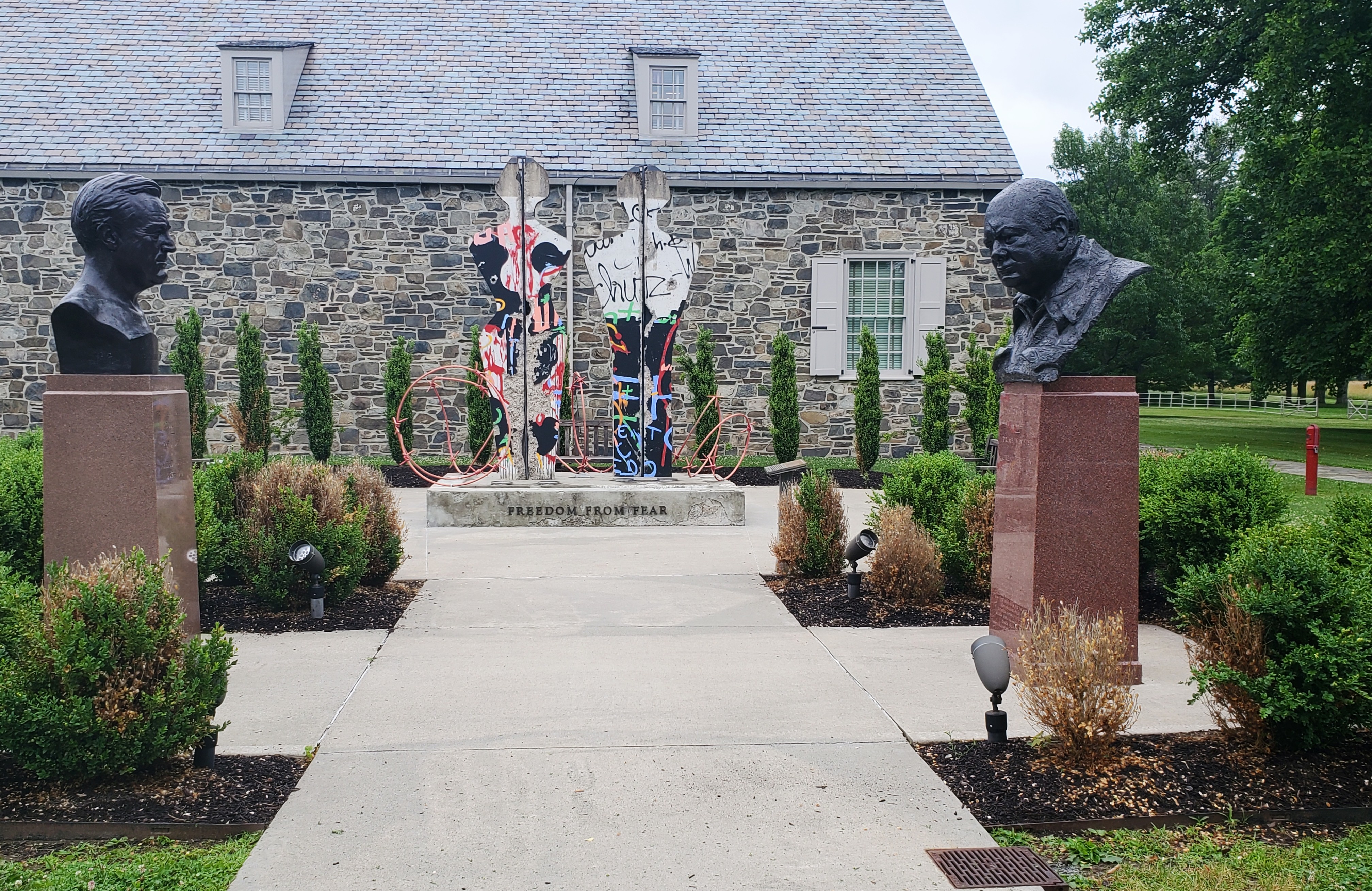
Freedom Court.
Human forms, covered in graffiti, were cut from sections of the Berlin Wall, after the collapse of East Germany.
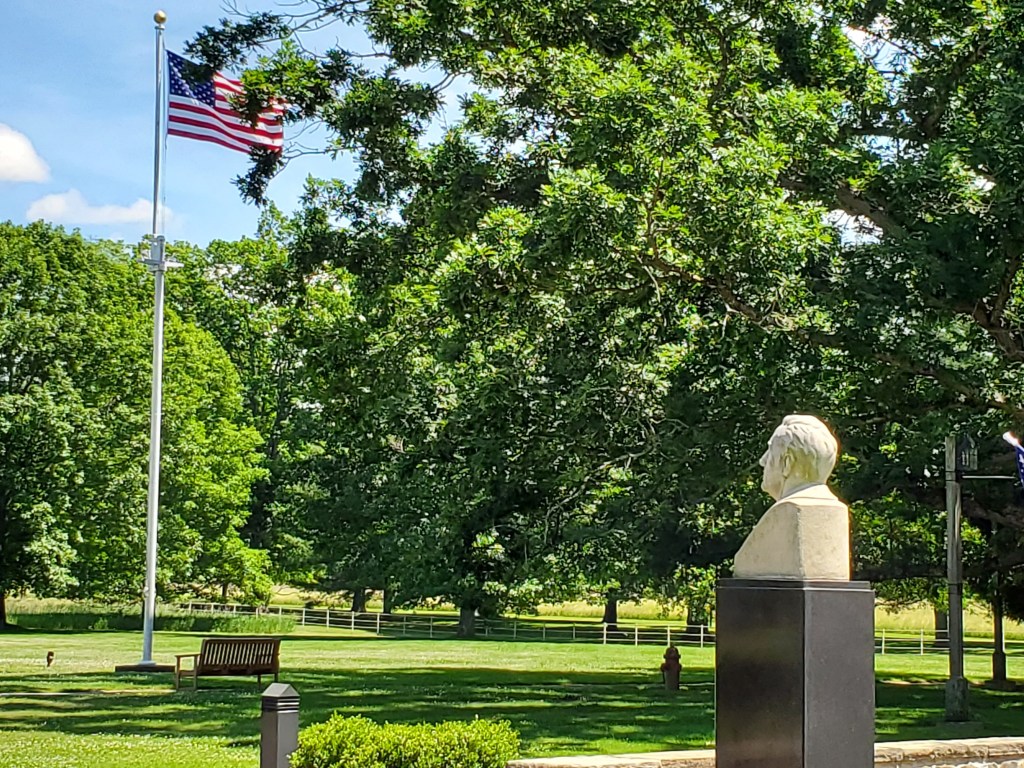
Busts of Churchill and FDR
Friends from Chapel Hill touring the FDR Library.

I gave the a tour lasting from 11-4 with a short break for lunch ..whew
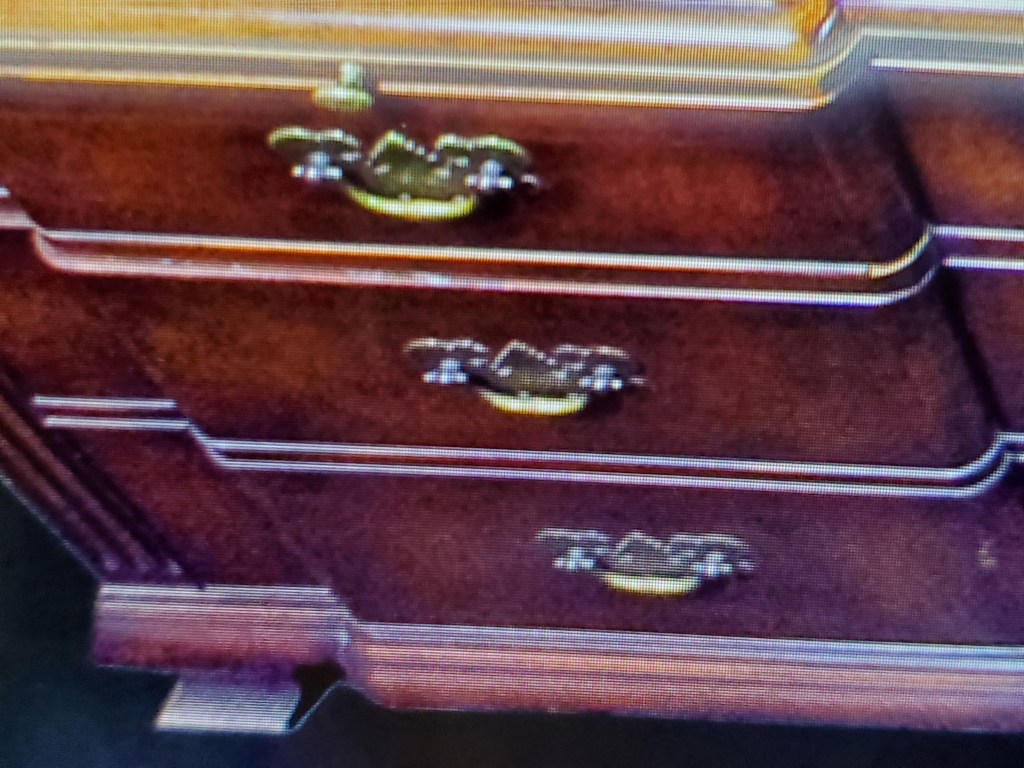
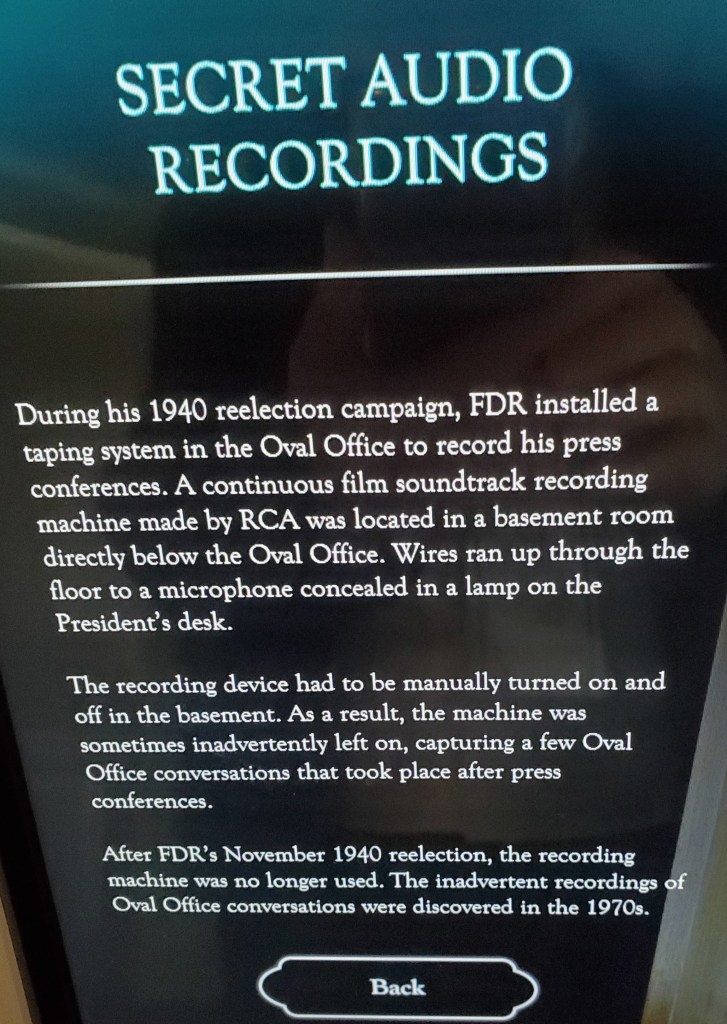
Secret Drawer in FDR’s desk used in the Oval Office.If you push the top drawer, this pops out.

FDR’s Registration Card
Fala’s bowl and ball
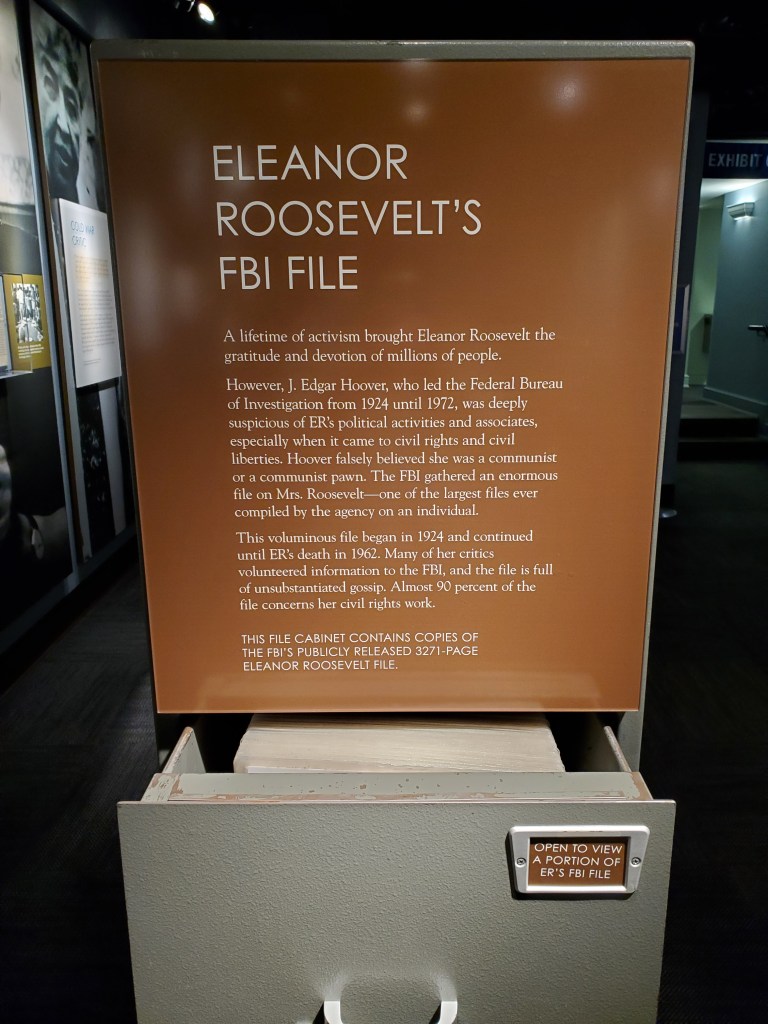
FBI kept a file on ER from 1924-1972
FDR’s sketch for plan for his Presidential Library.
Opened June 1941.

The First Presidential Library and the Only Presidential Library used by a Predident still in office.
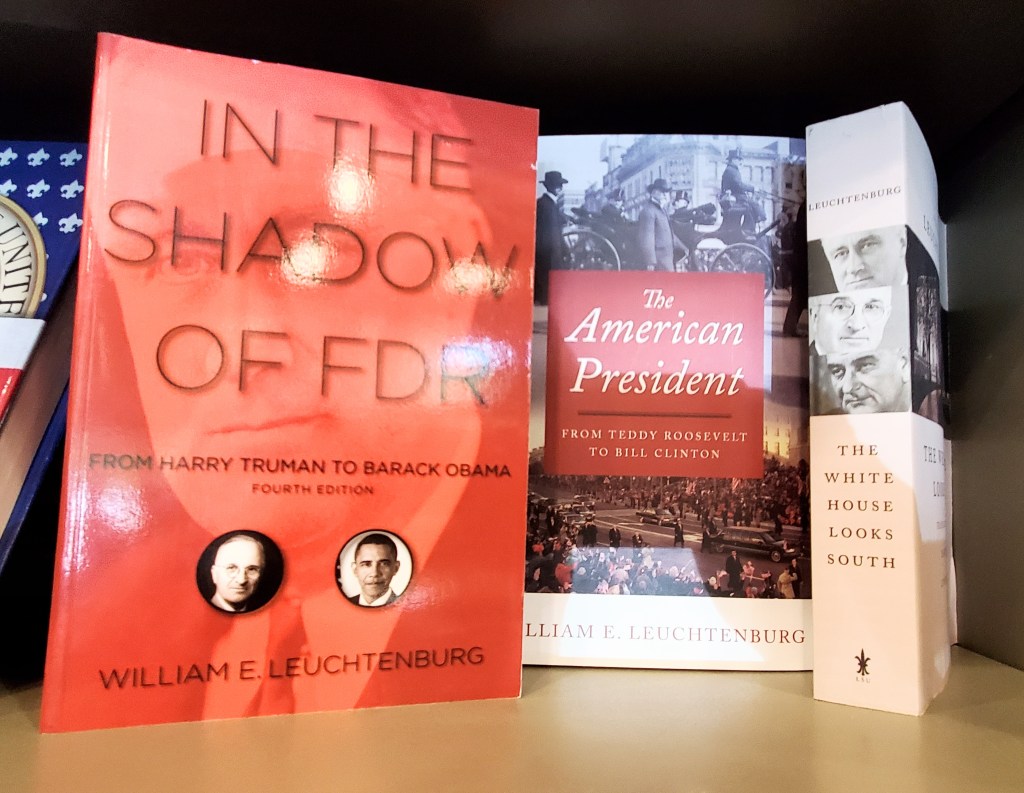
3 of Bill Leuchtenburg’s books on display. He is revered in FDR land
William E. Leuchtenburg, Historians Review Committee

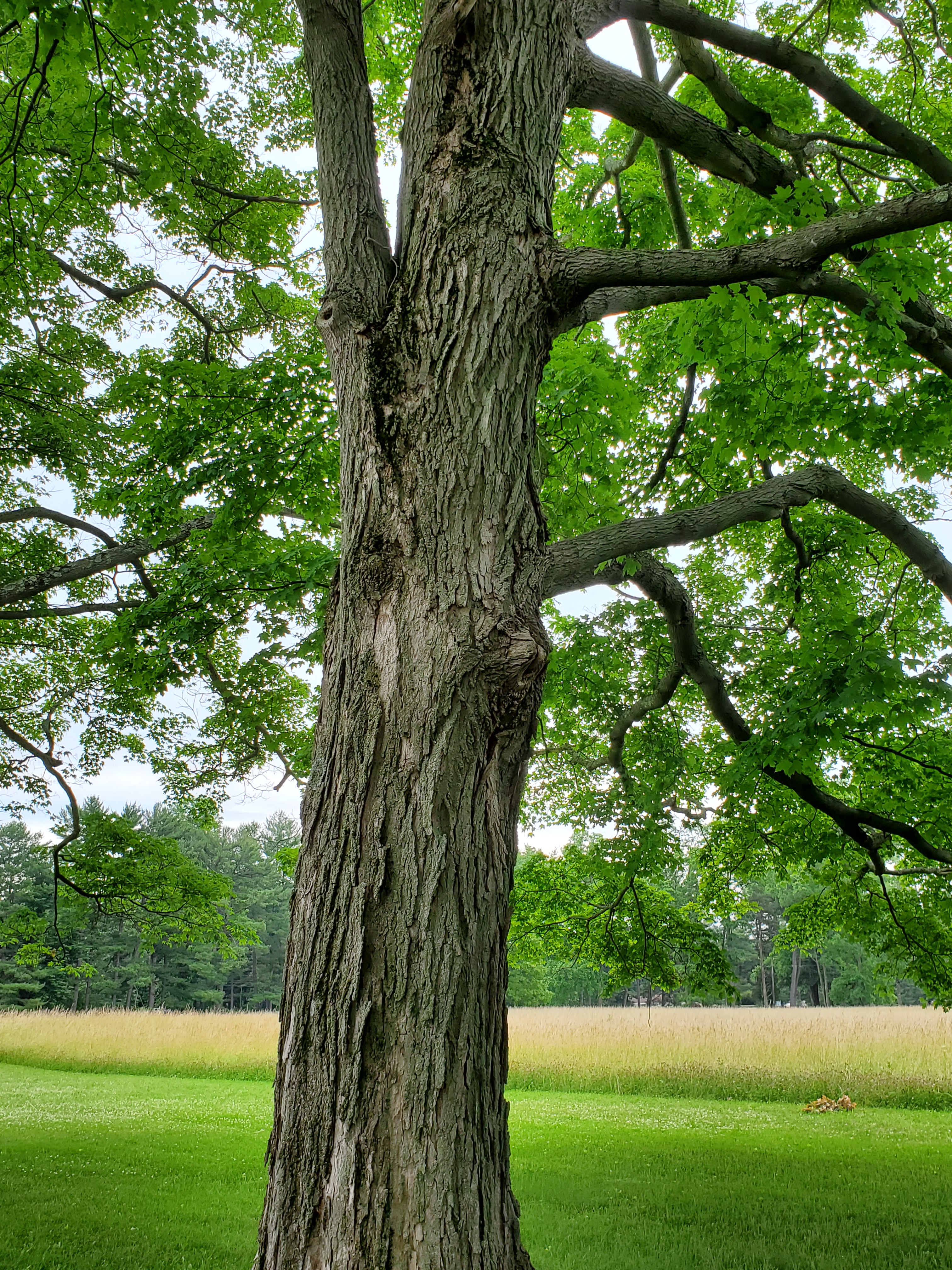
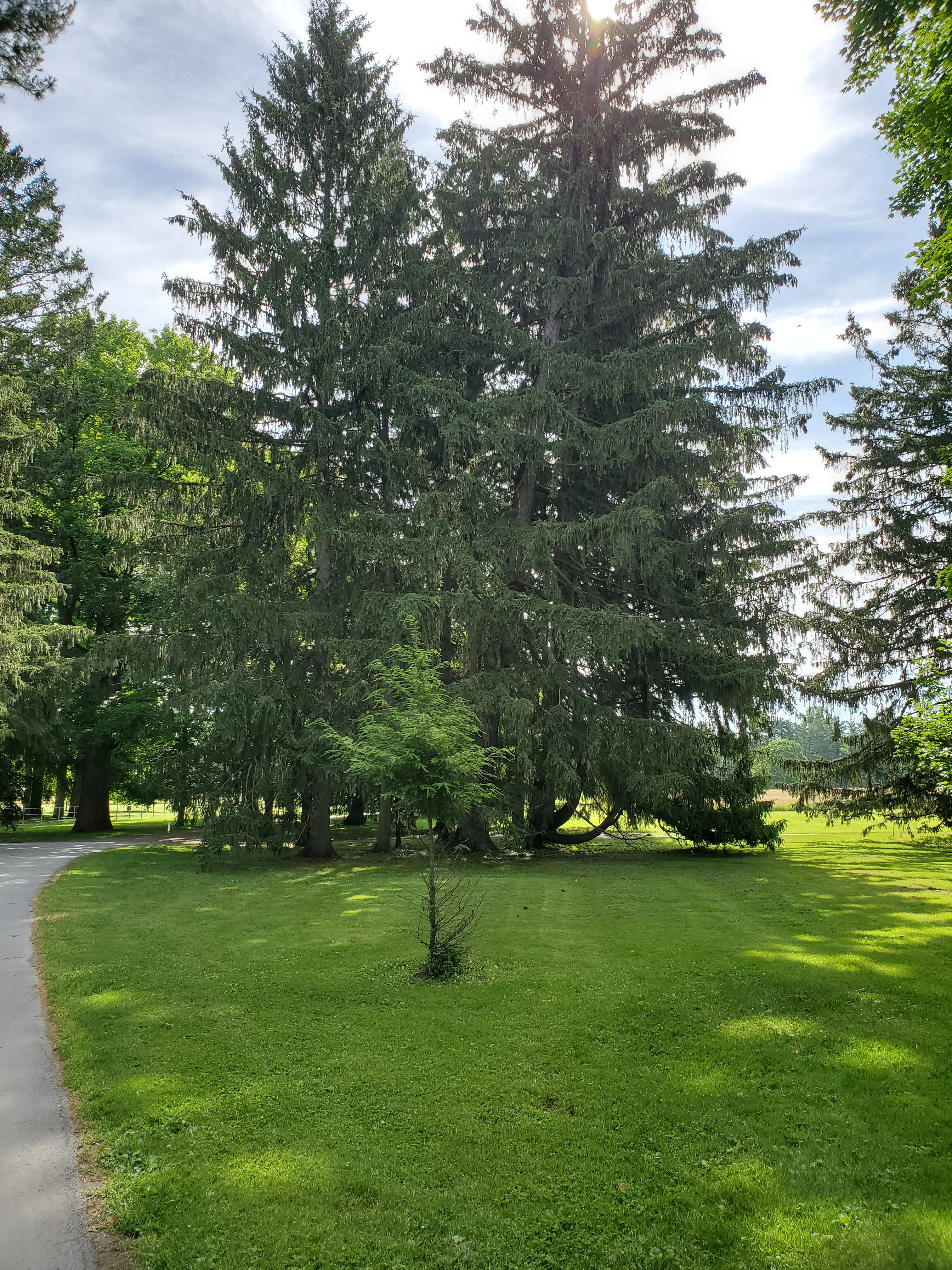
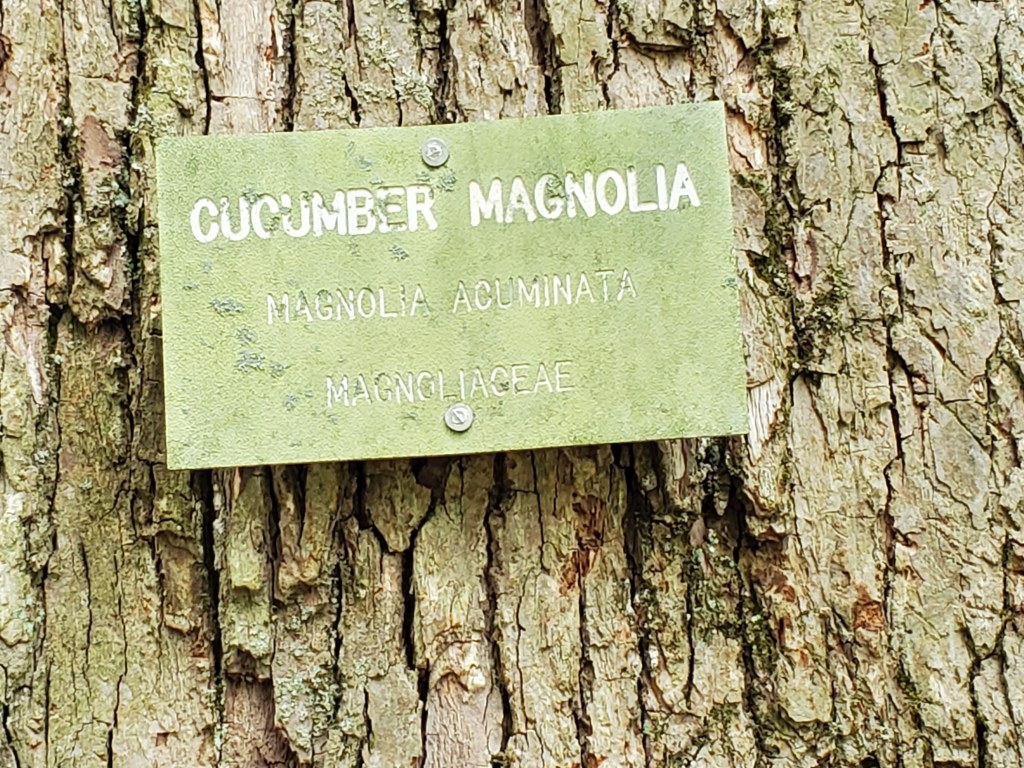
FDR–Tree Farmer

“There is nothing in nature I am as fond of as a tree.” – FDR, 1936

On FDR’s Voter Registration card, he listed his Occupation as Tree Farmer. His favorite tree was the Tulip Popular. The Roosevelt Family is Dutch.
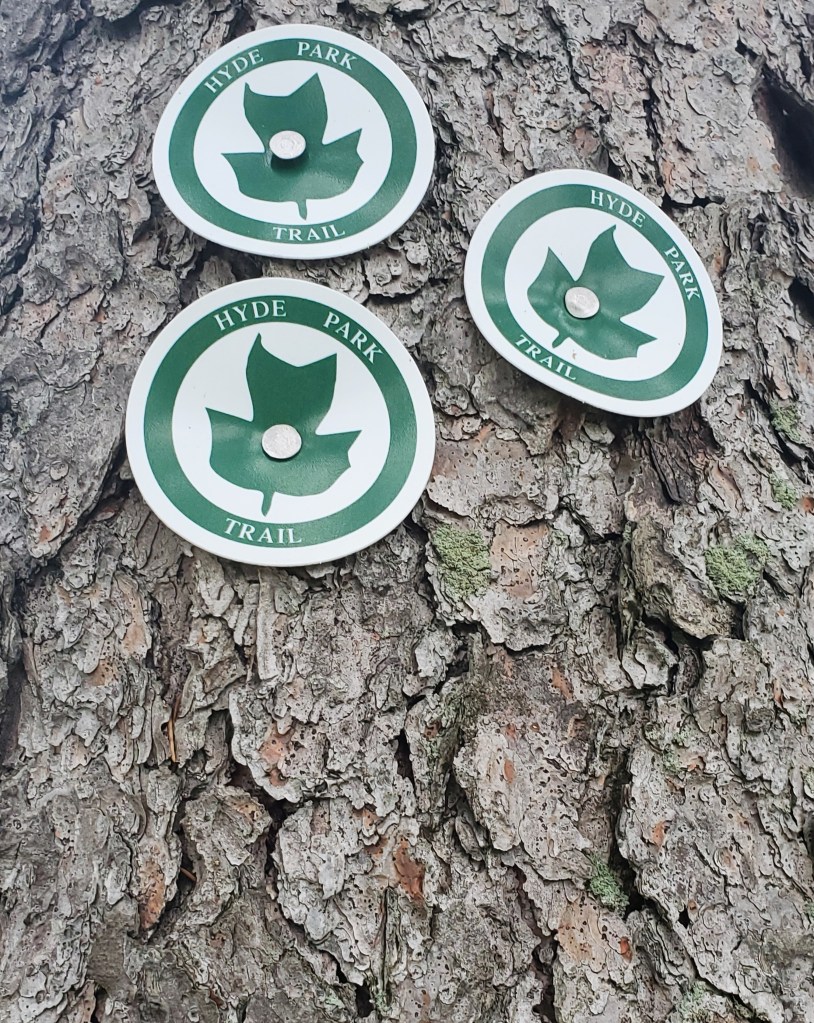
Markers to keep you on the right trail 😉

Following in the footsteps of Theodore Roosevelt, FDR was a committed conservationist.

A nation that destroys its soils destroys itself. Forests are the lungs of our land, purifying the air and giving fresh strength to our people.”

“By the 1930s 20,000 – 55,000 trees were being planted on his land each year, a practice that continued until FDR’s death in 1945.” Kevin Oldenburg, Park Ranger at FDR Historic Site, Hyde Park.

For more information, here is an excellent article written by Kevin

https://www.nps.gov/elro/blogs/franklin-d-roosevelt-tree-farmer.htm
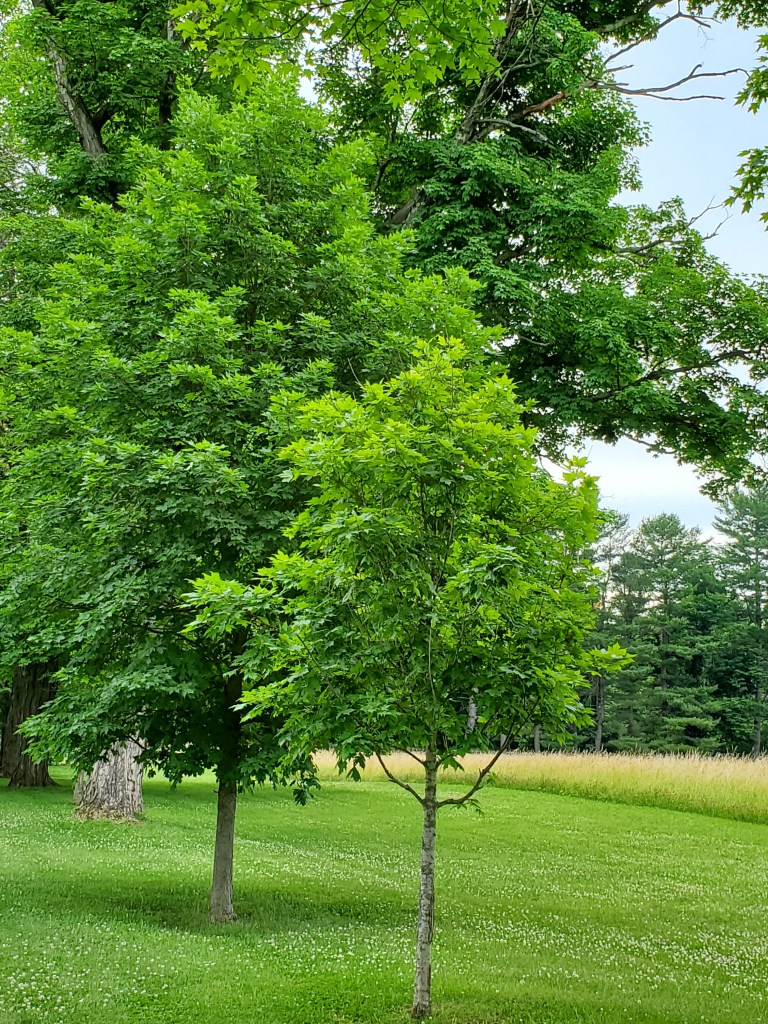
In his Will, FDR stated that if a tree had to be removed that a new one be planted in its place.

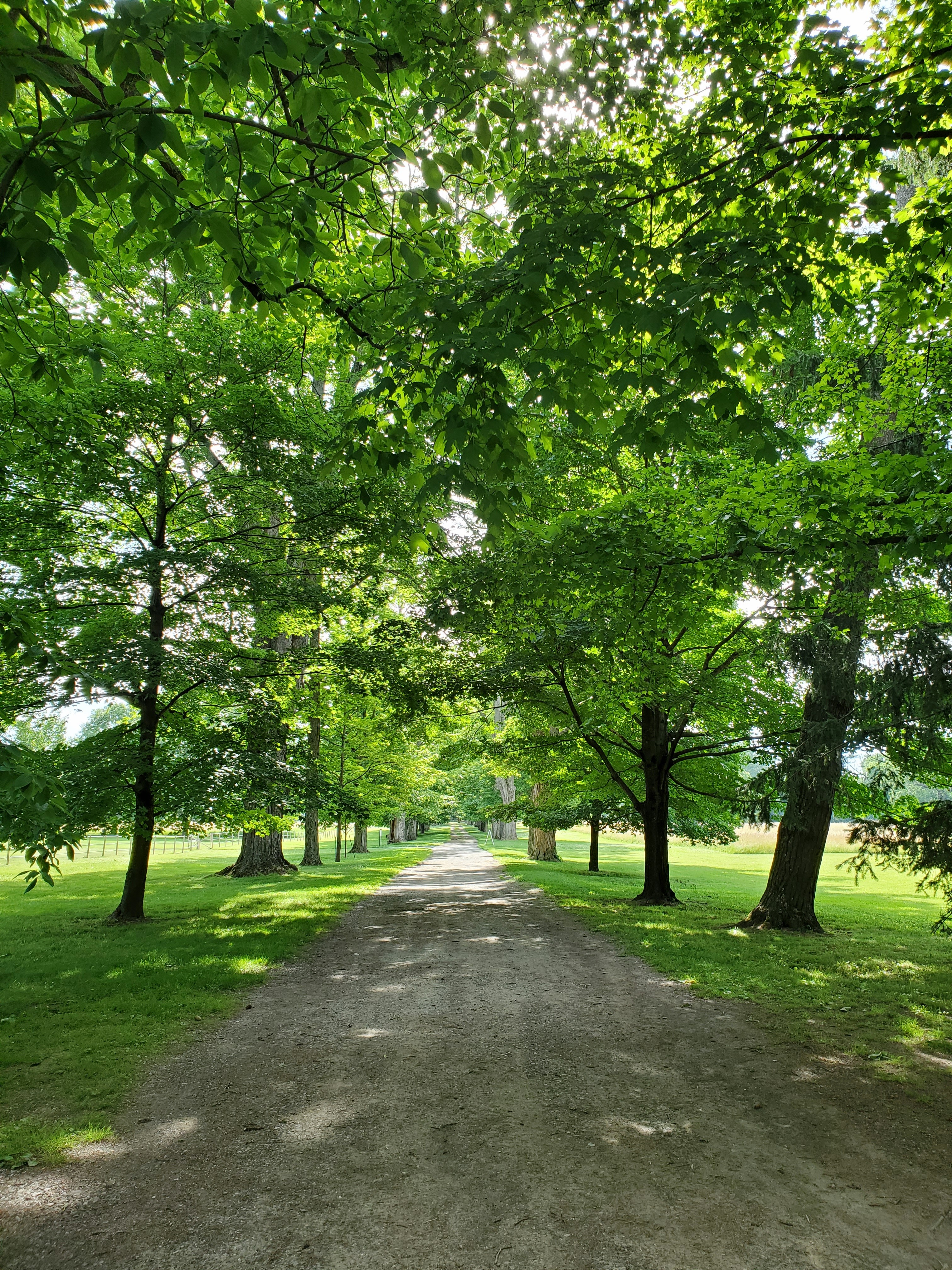
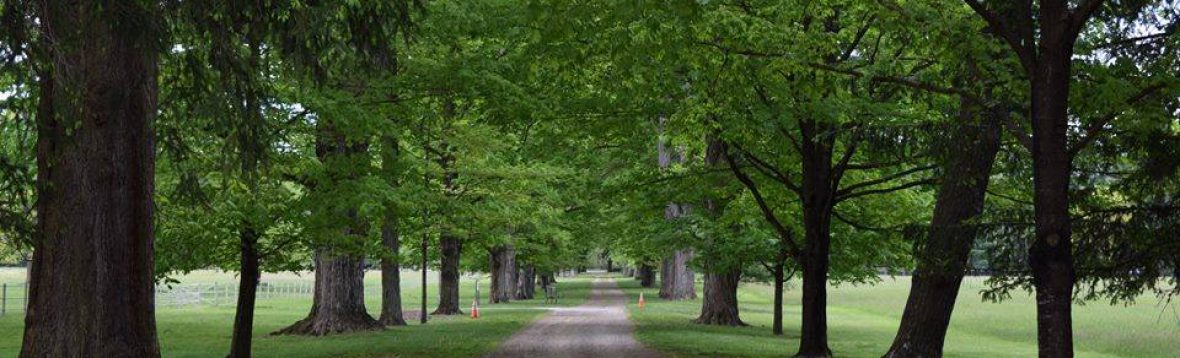
Down the original driveway from Albany Post Road to the home, Springwood.

View from the Library
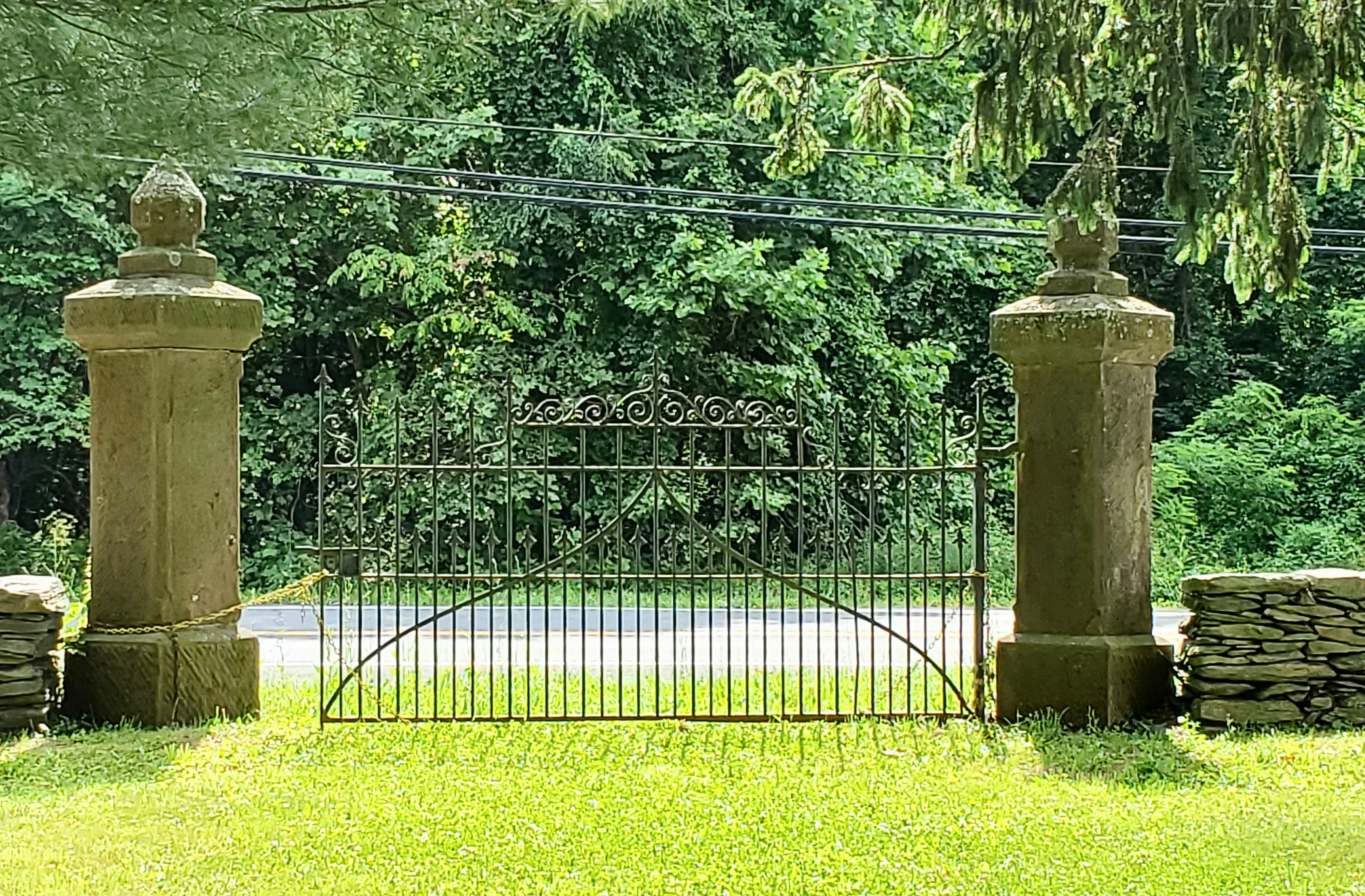
Original driveway gates with trees across Albany Post Rd on land that once was part of the Estate

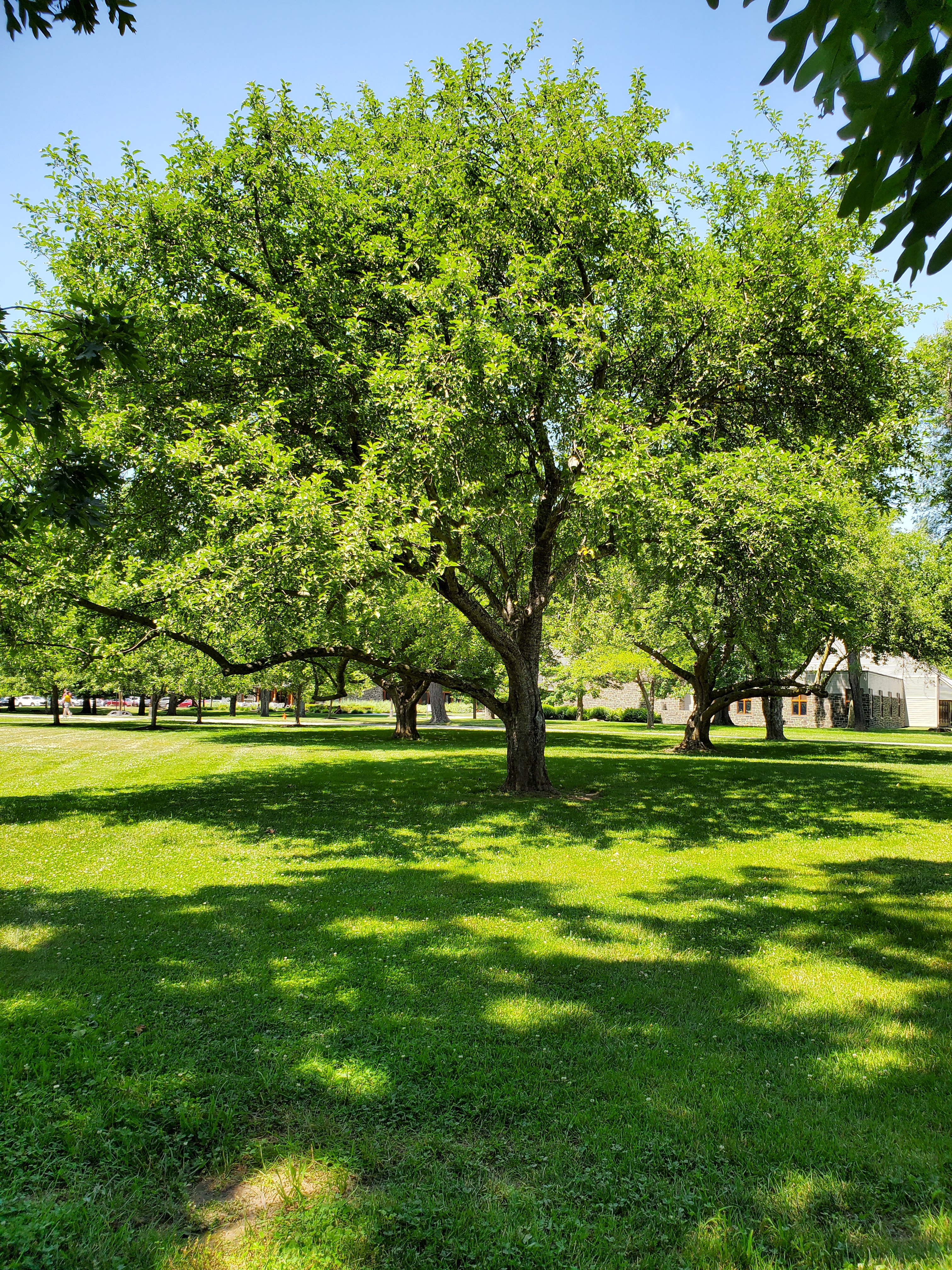
Apple trees..

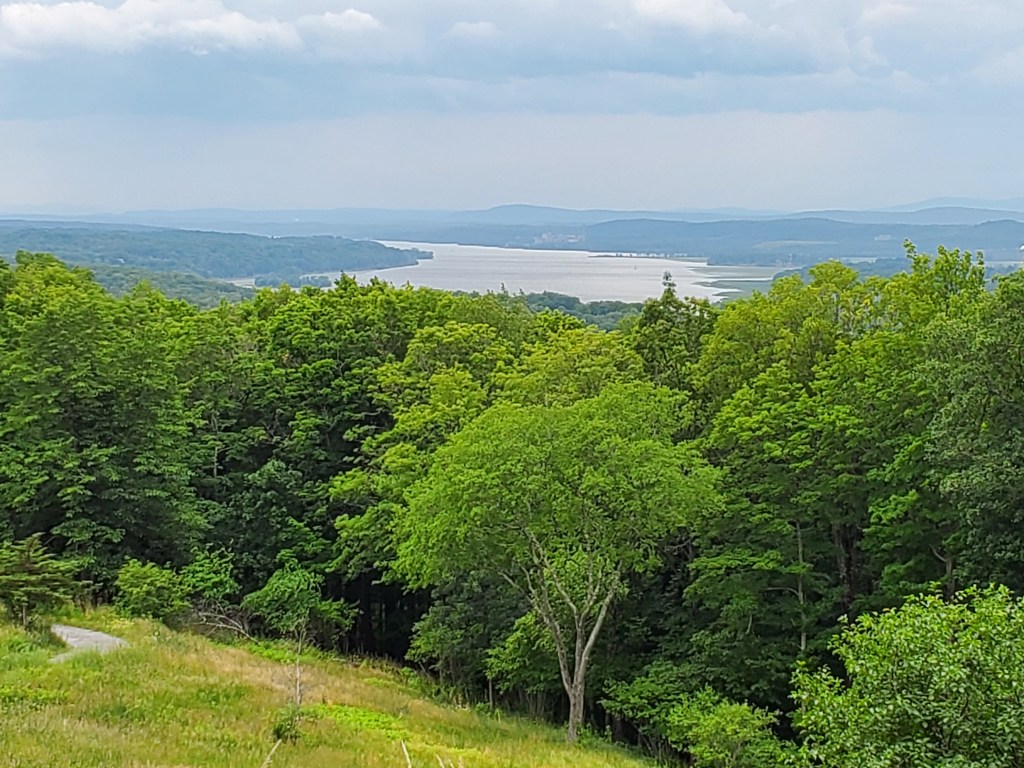
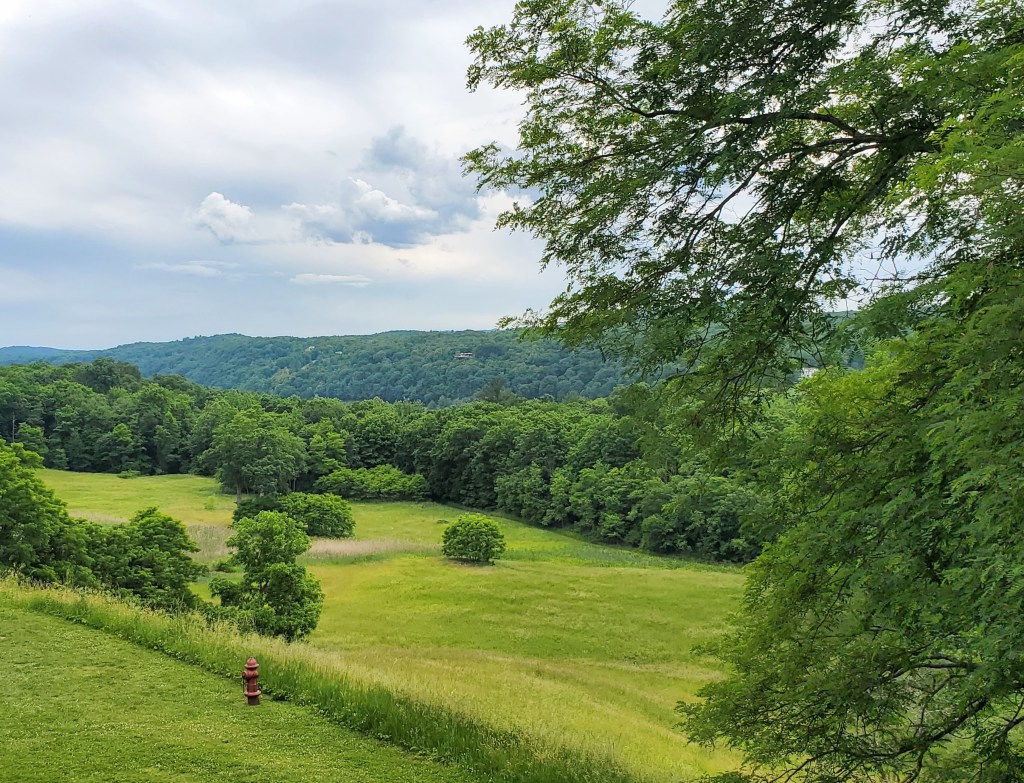
View across Hudson Valley and because of the tree growth, the Mid-Hudson Bridge is no longer visible from Springwood.