My Daily Morning Walk. FDR Historic Site
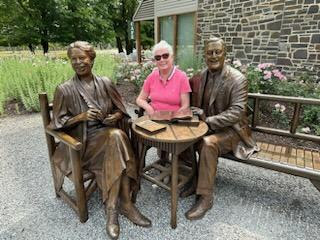
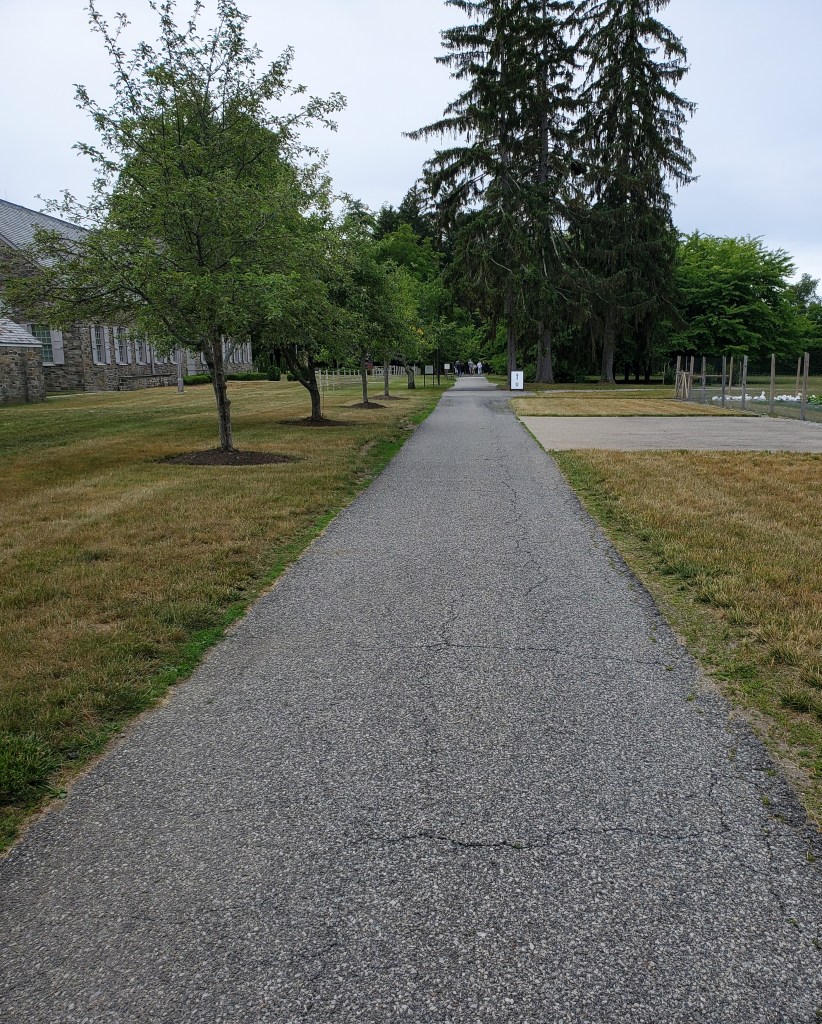
From parking lot and behind Library

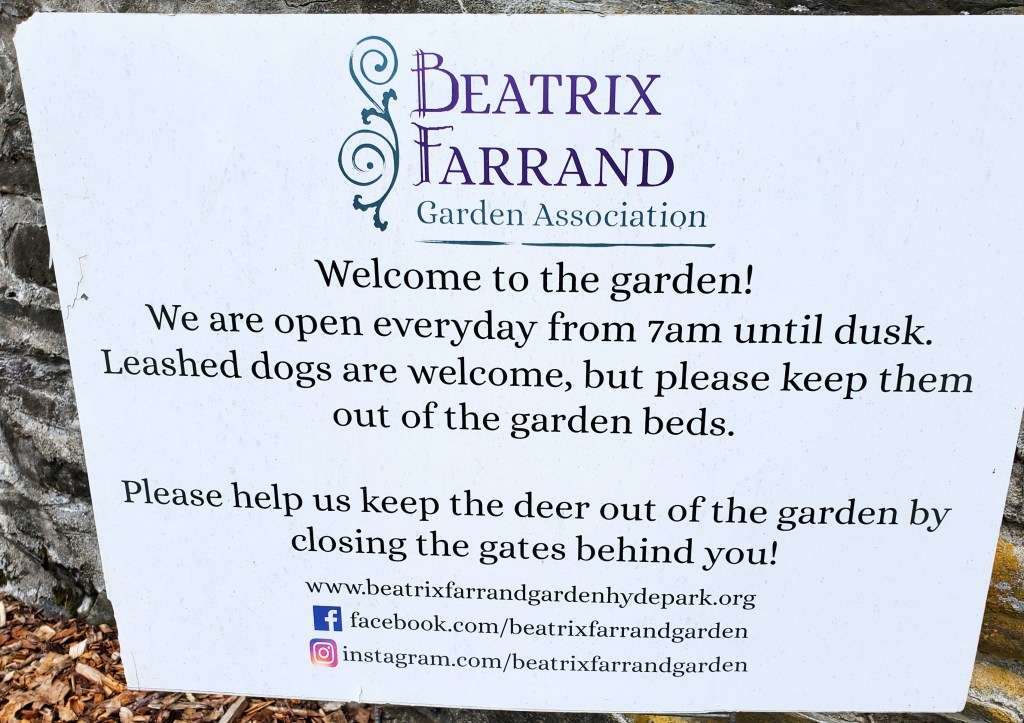
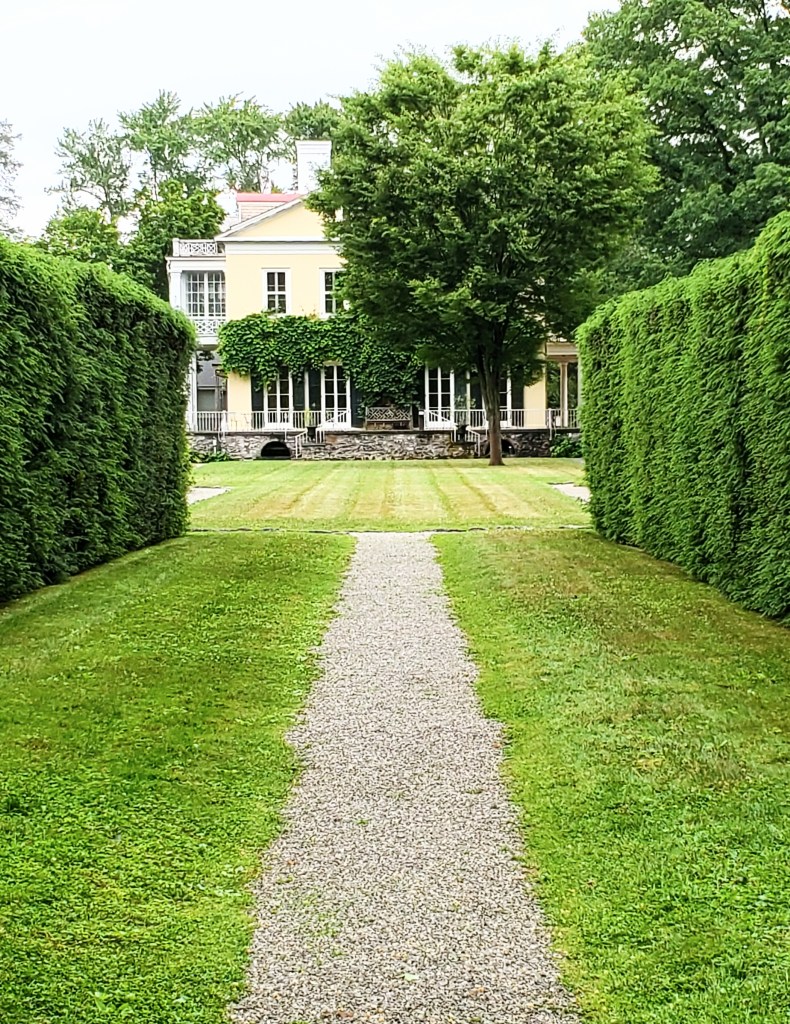
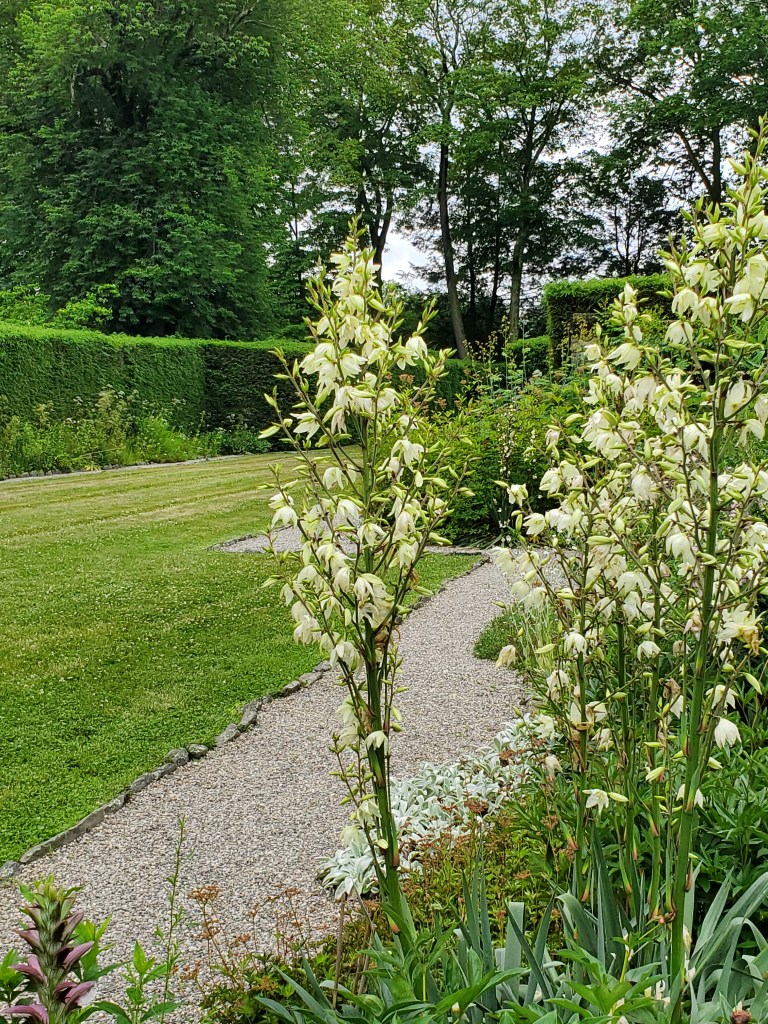
Pass by the garden. The garden is a historic restoration of the original home garden. Visitors may view the many different varieties the Roosevelt family grew and put on their table. Today the garden continues in the spirit of the Roosevelts by addressing food insecurity in our local community through our park partnership with Dutchess Outreach.
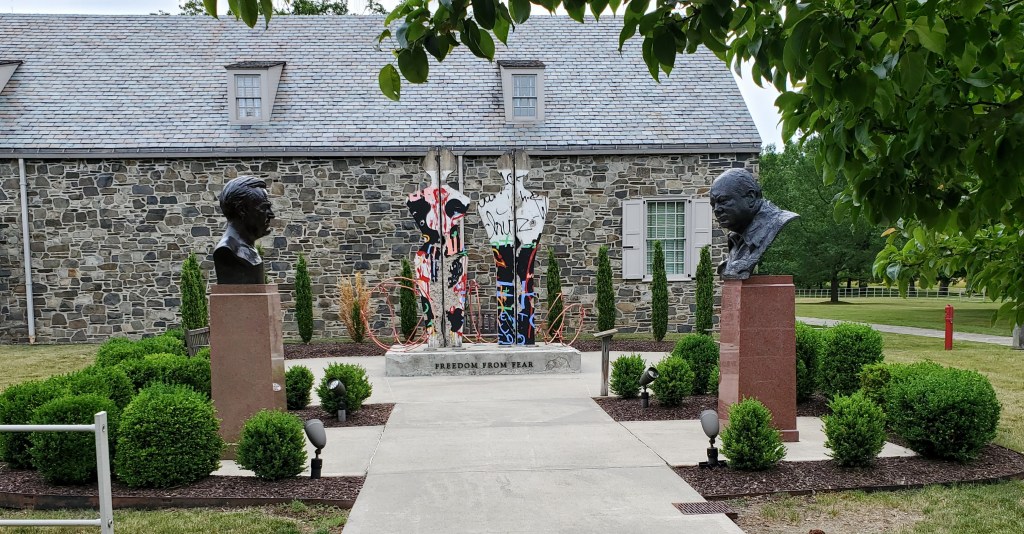
Freedom Court. FDR and Churchill busts and segments from Berlin Wall
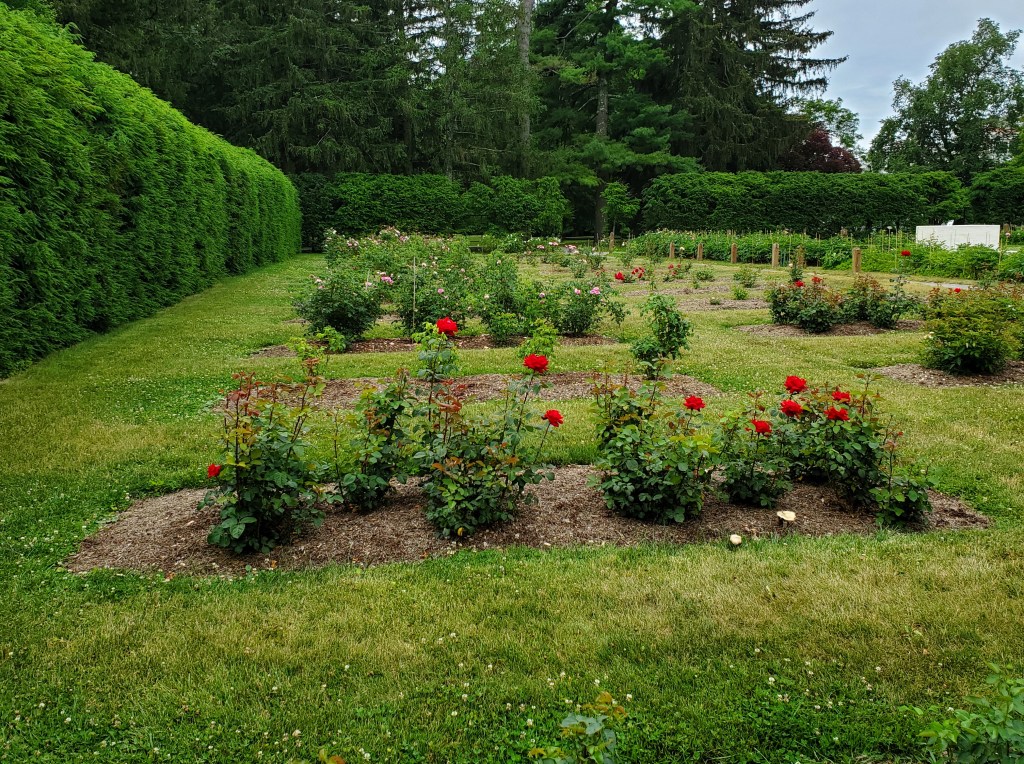
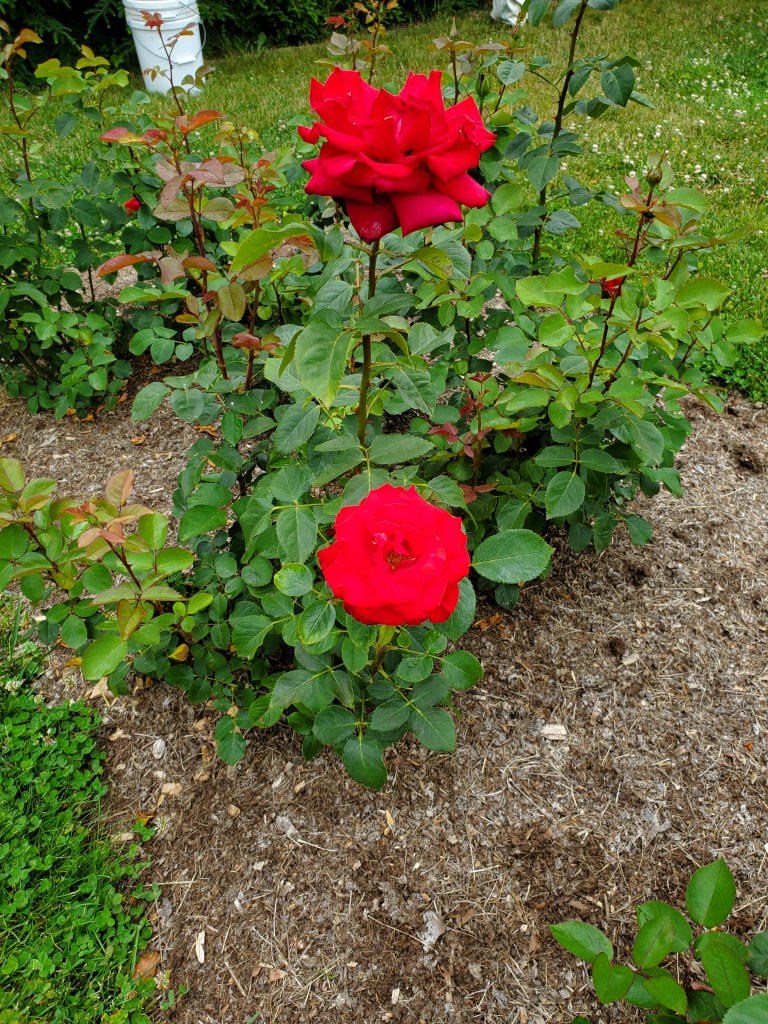
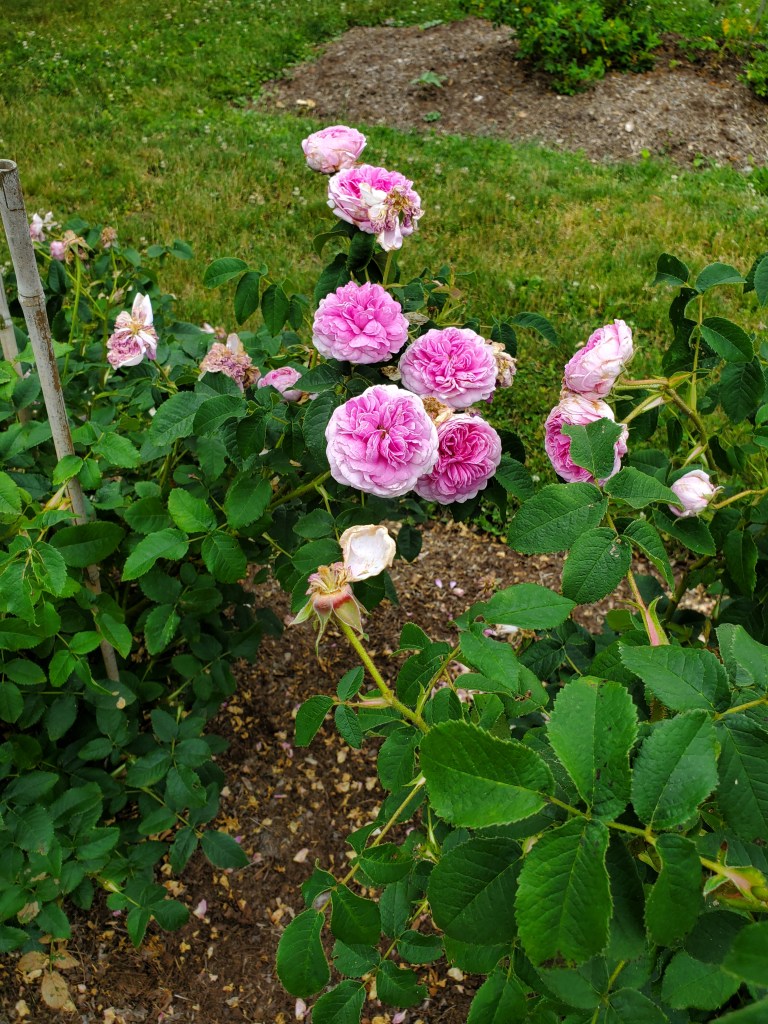
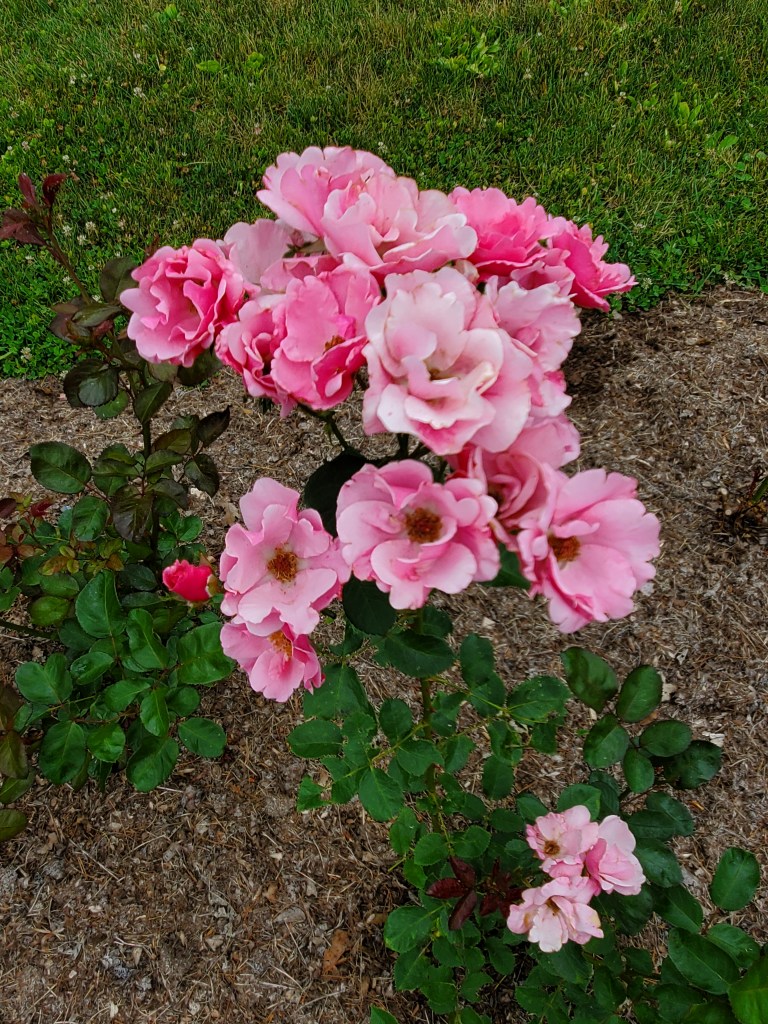
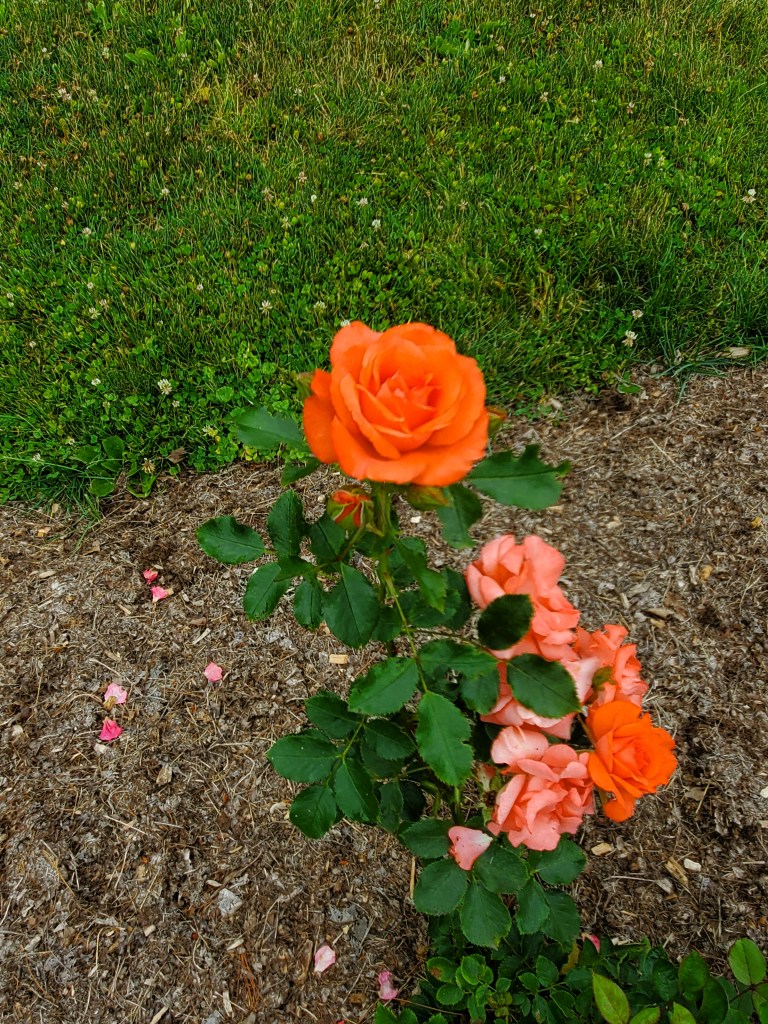
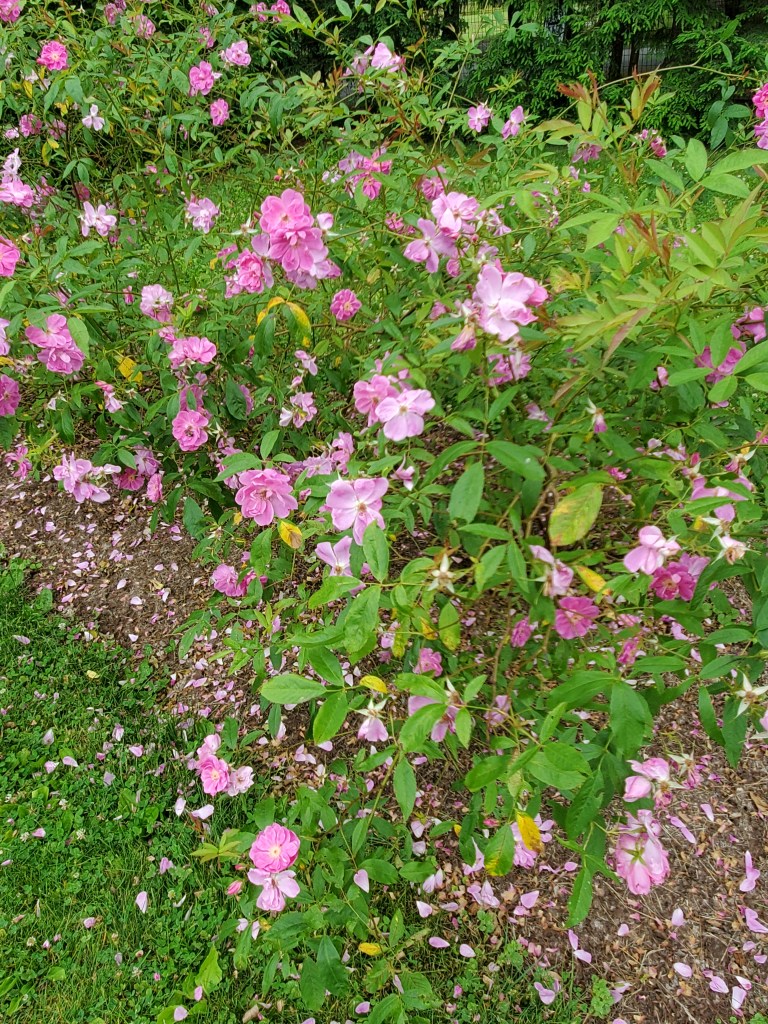
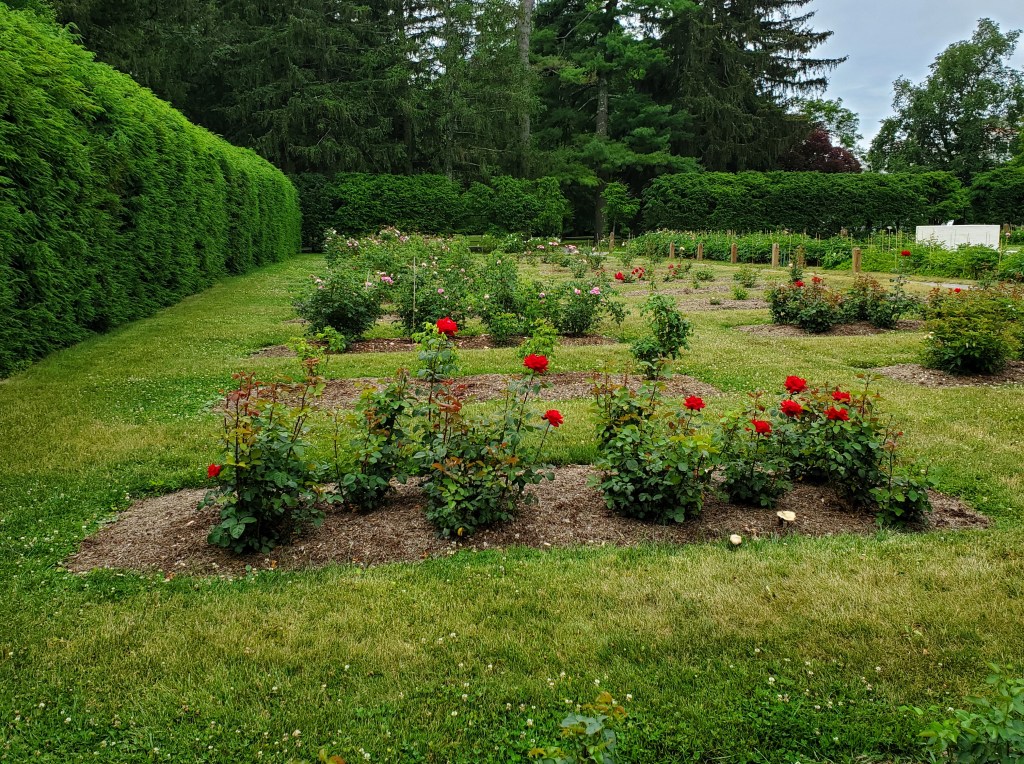
Sara’s Rose Garden with Gravestone on left
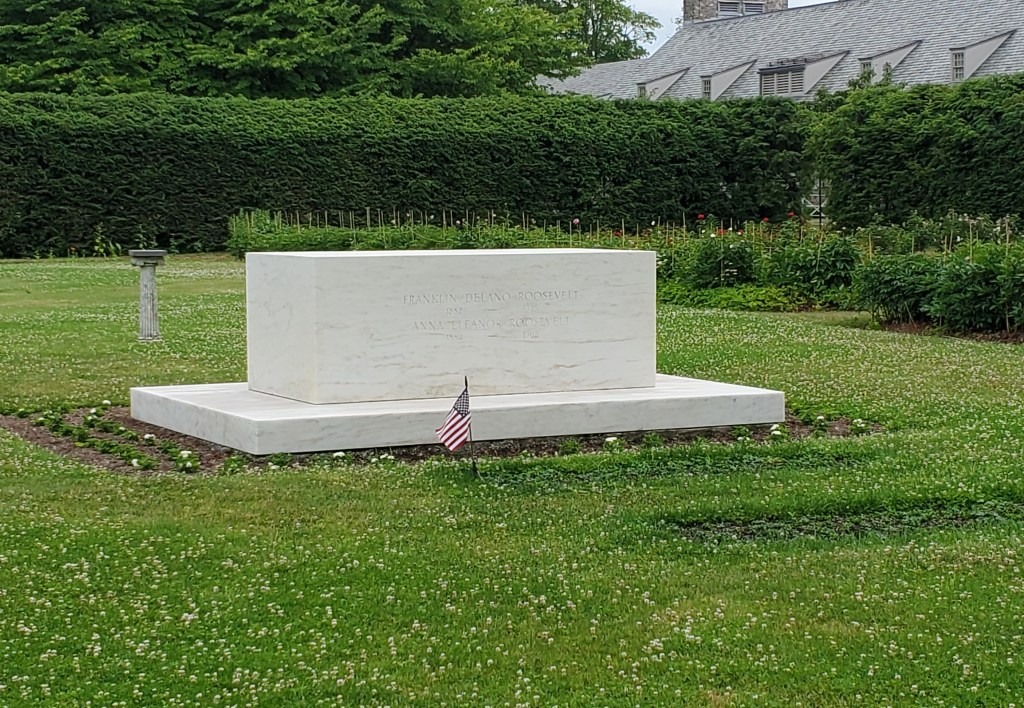
Graves of FDR, Eleanor, Fala and Chief (German Shepherd)
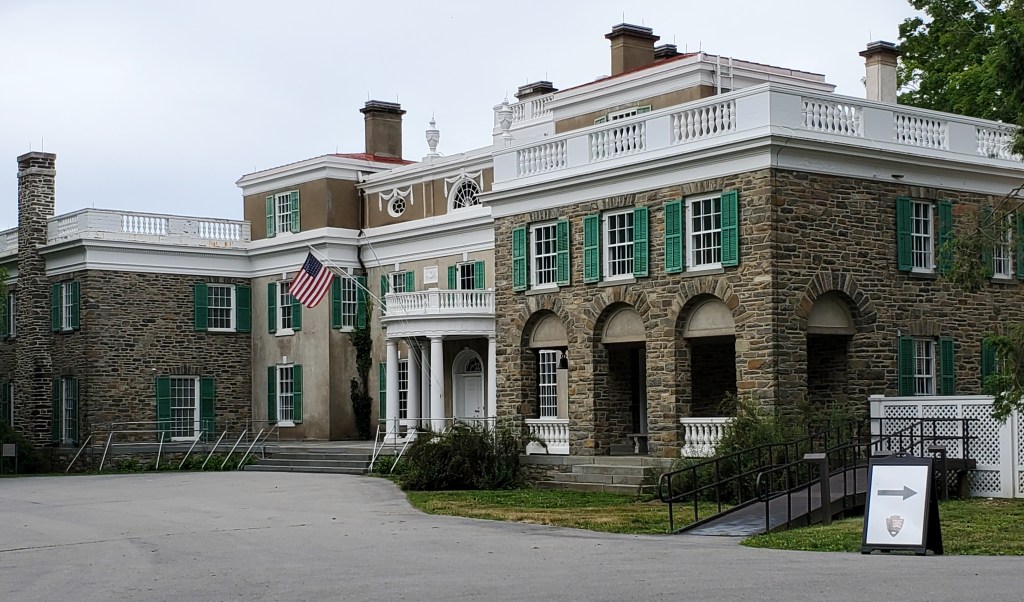
Springwood
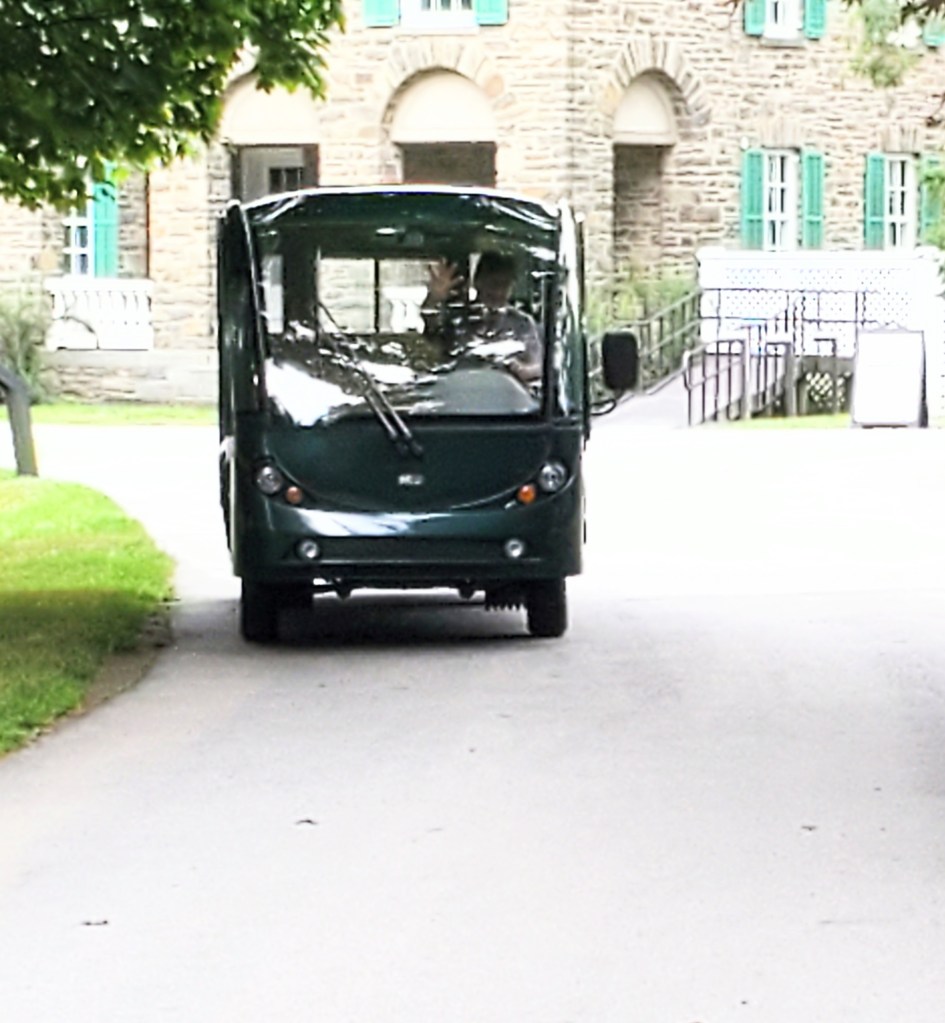
The Tram
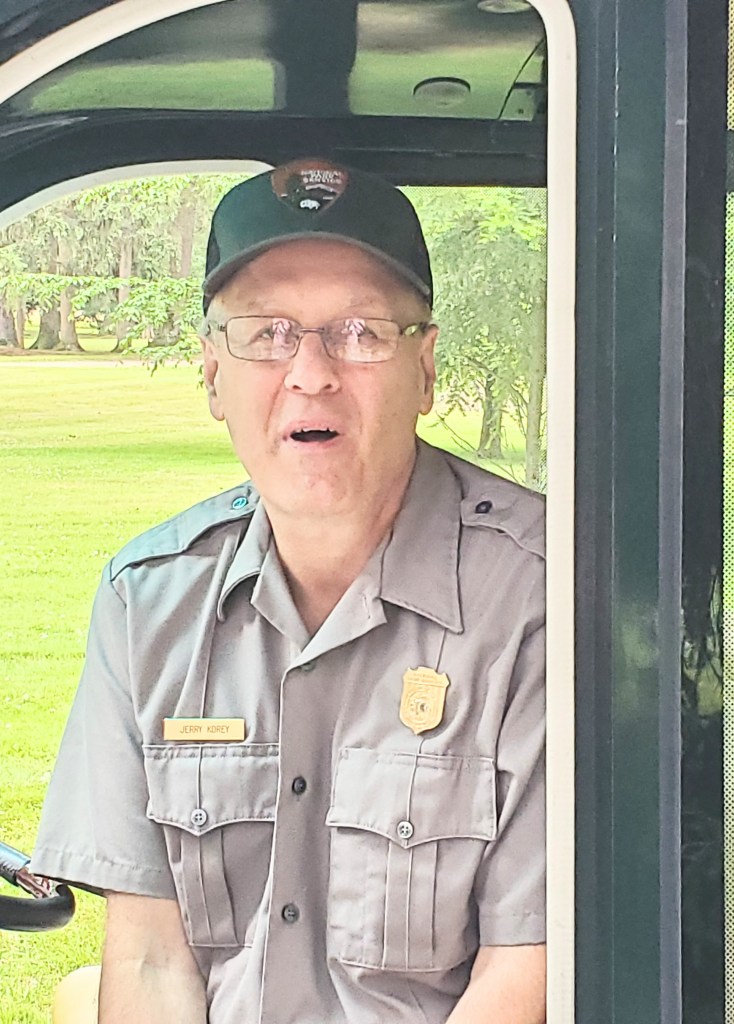
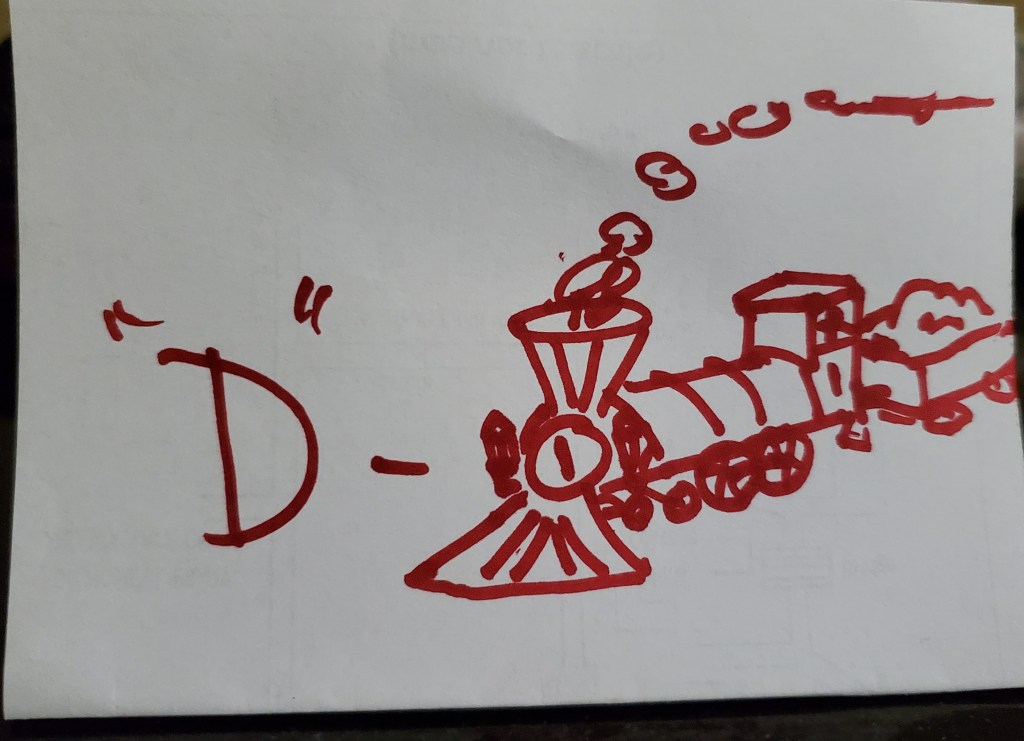
Gerry, Buddy, Tram driver and artist of D-Train (my handle)
My “handle”
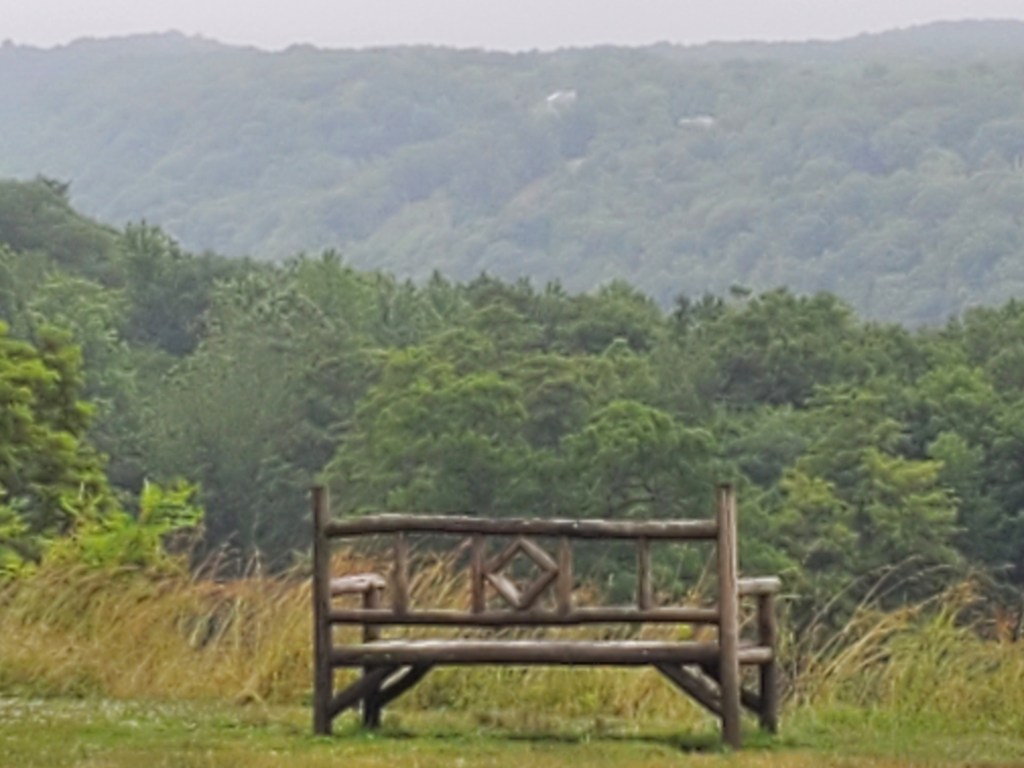
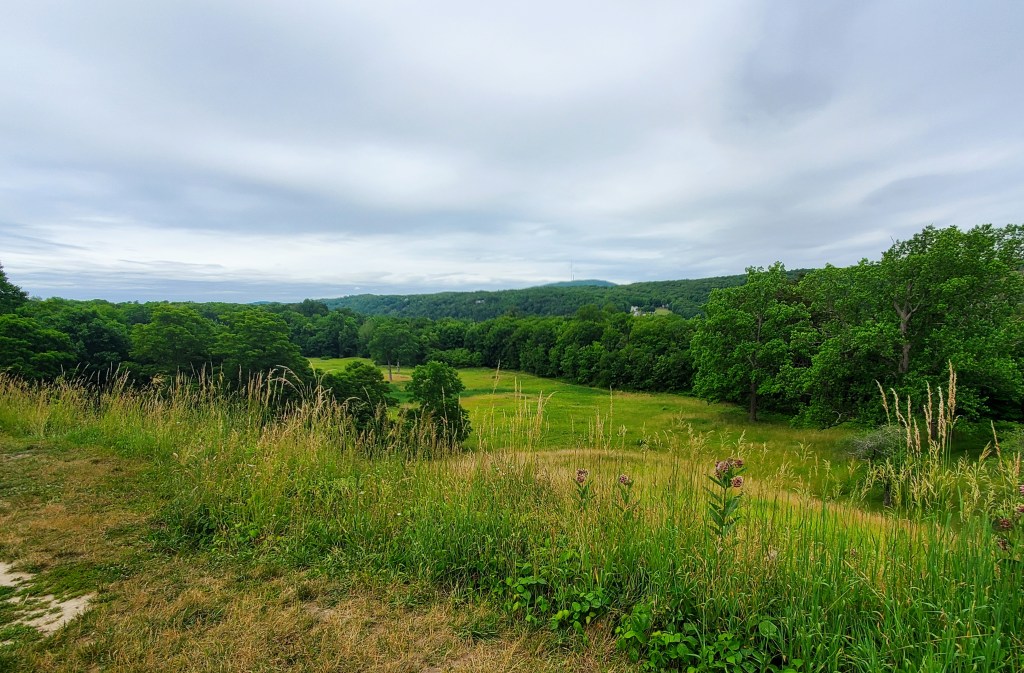
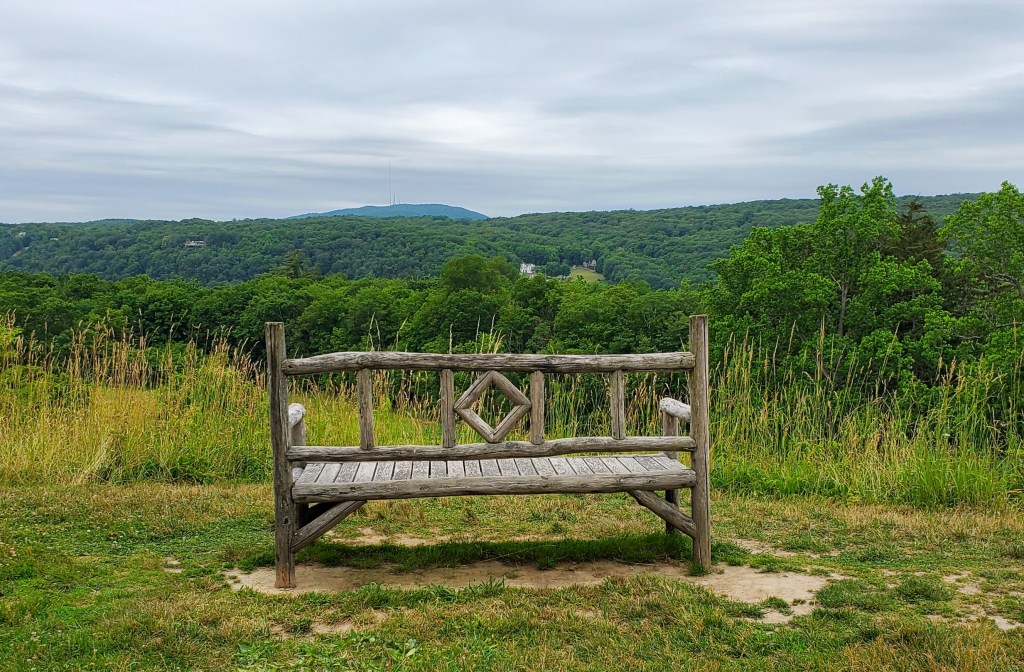
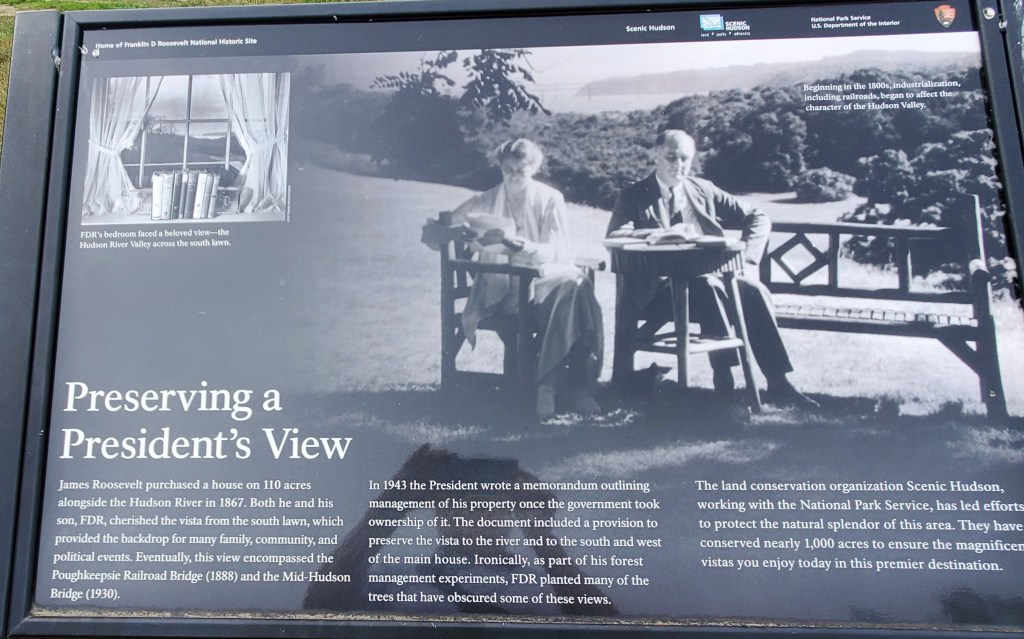
View from Home over Hudson Valley but the benches are GONE! Thursday.
I am so distraught
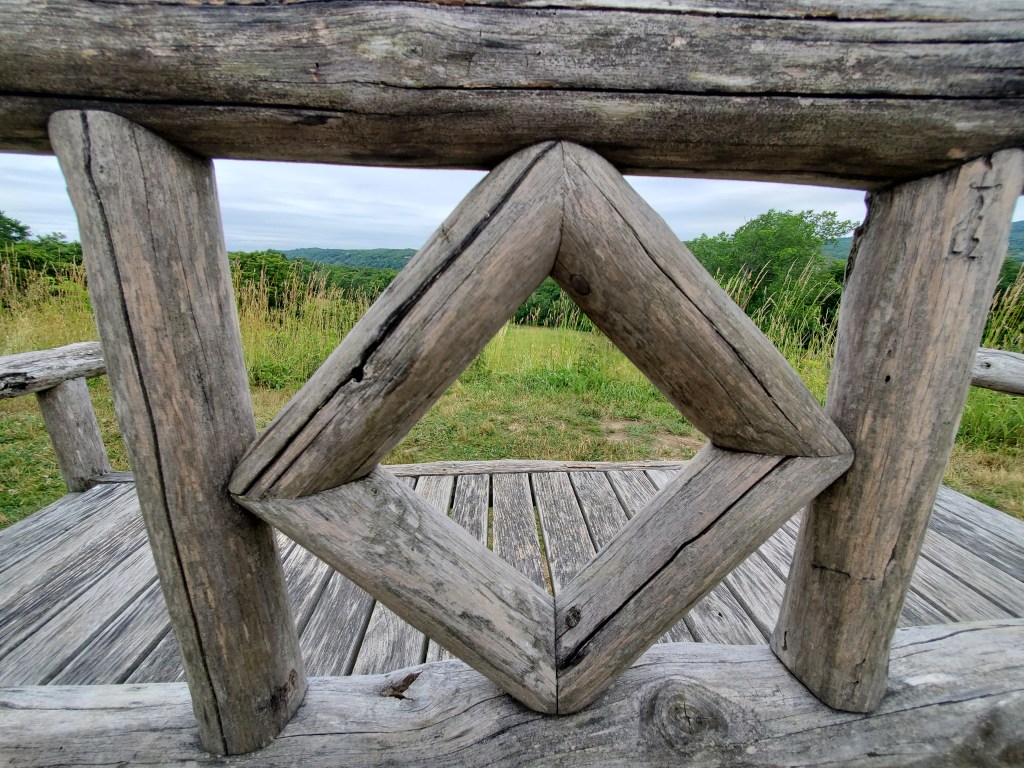
On Friday, The Bench is back!
A different view

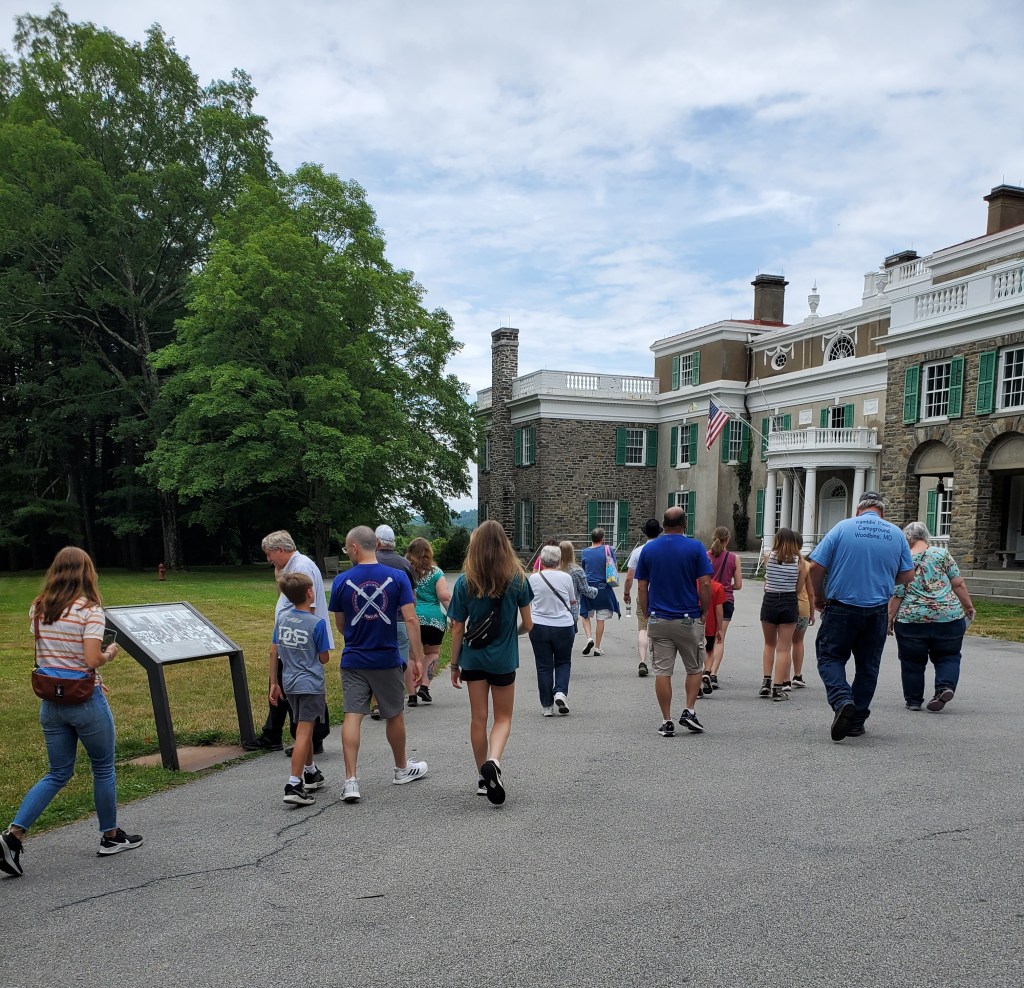
South side of Springwood

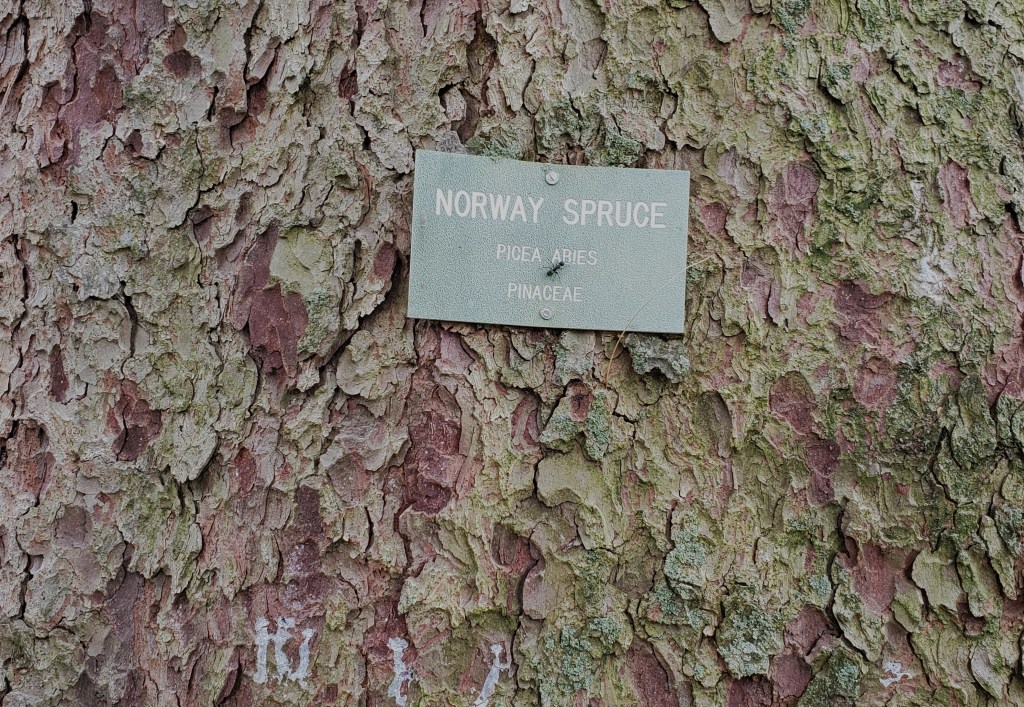
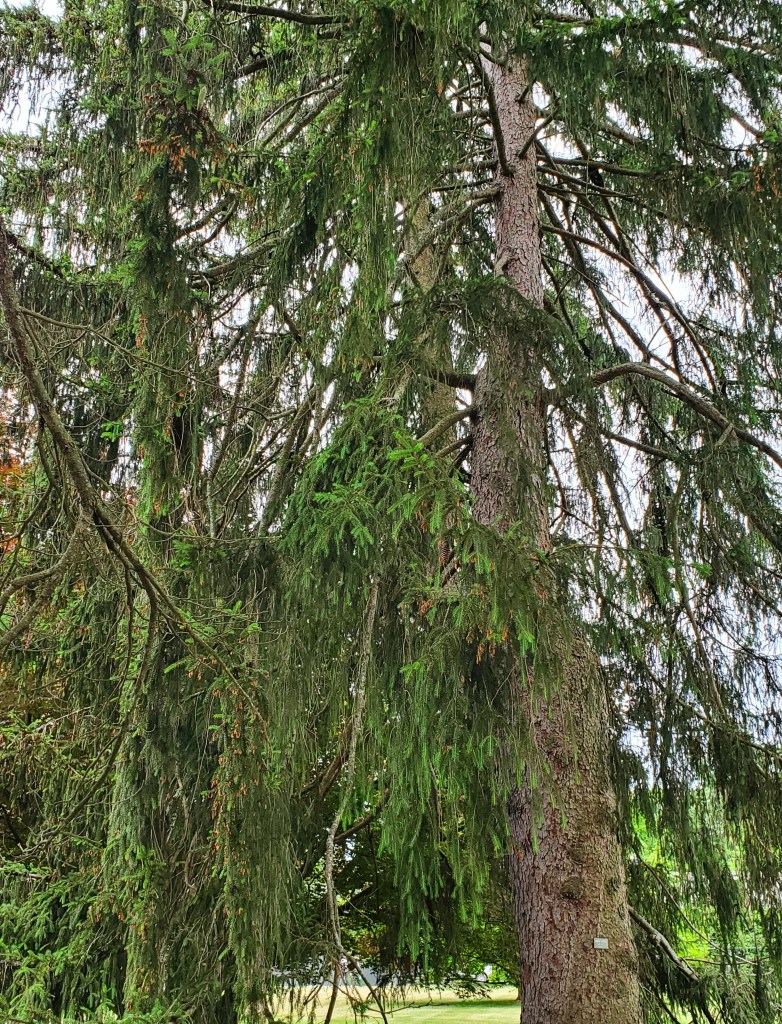
Norway Spruce sign
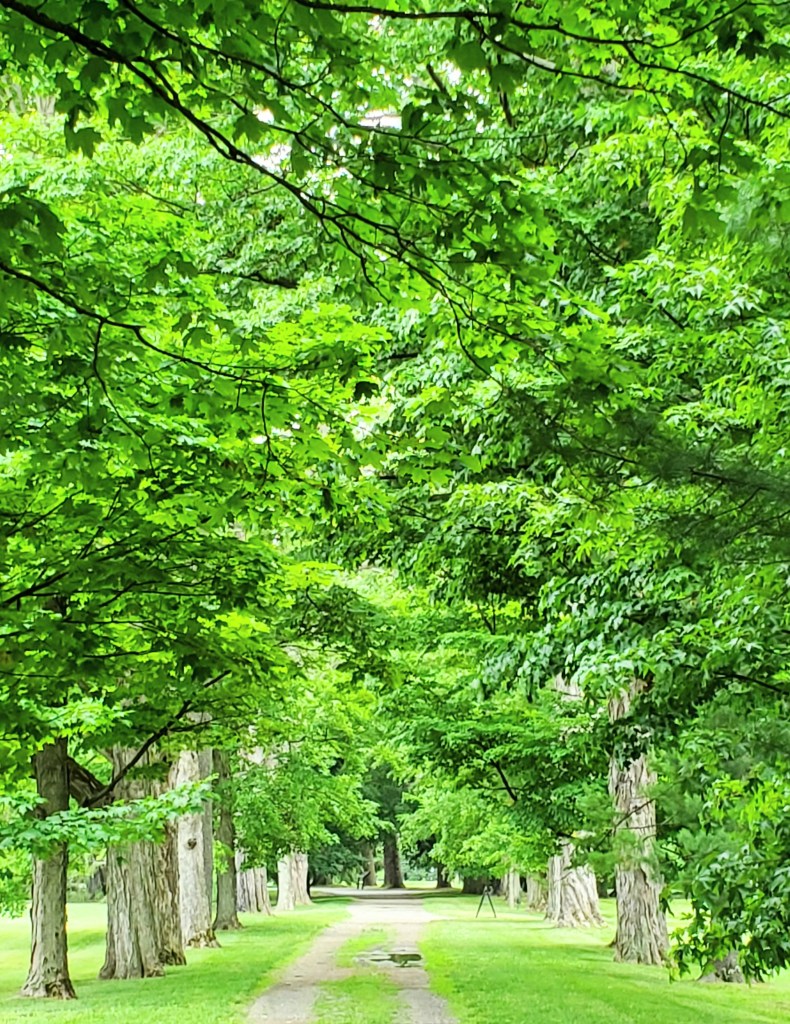
Norway Spruce.. love this tree
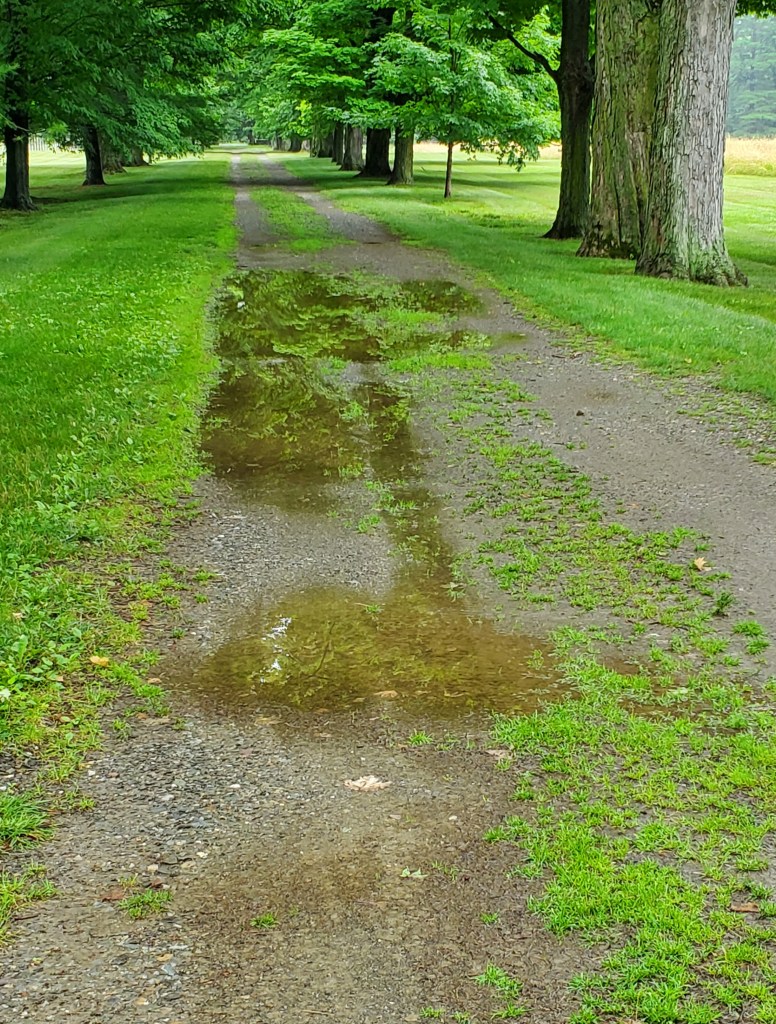
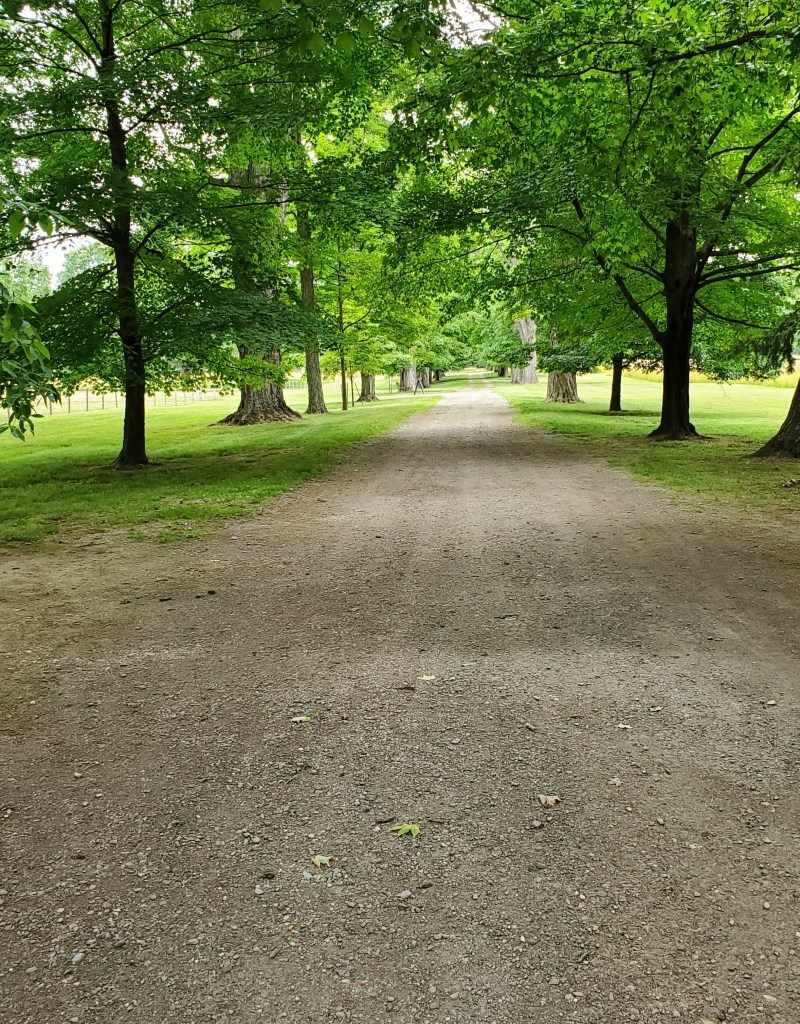
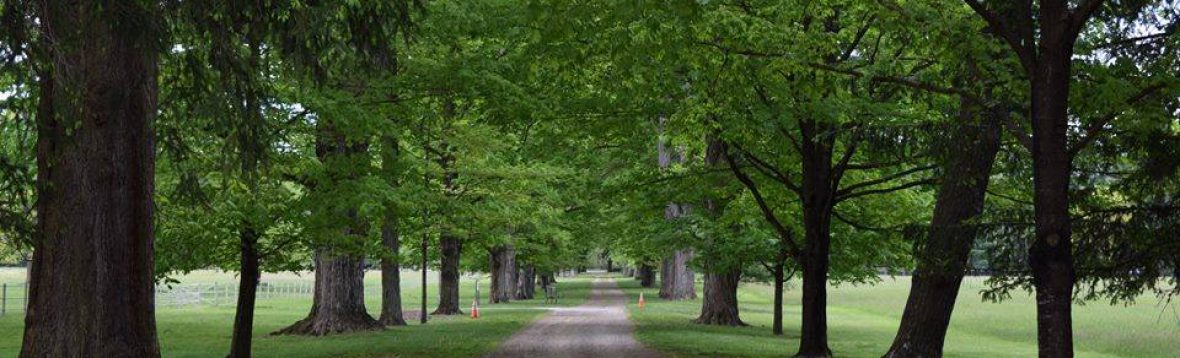
Down driveway to Albany Post Road
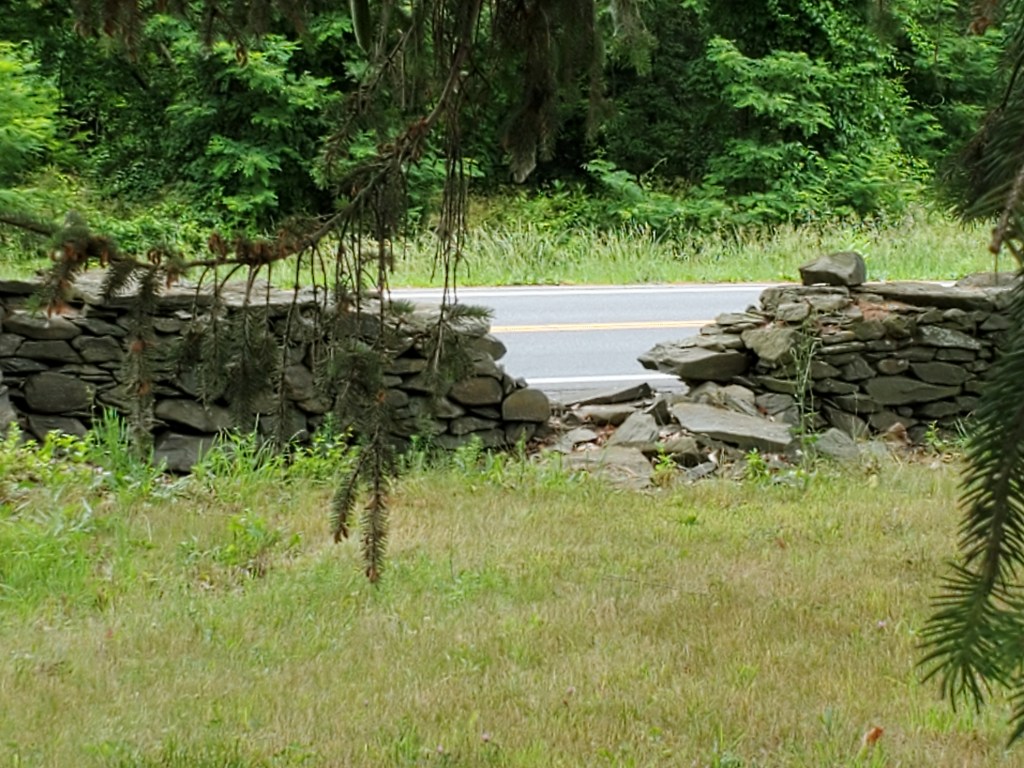
Gates at Albany Post Road
Oops
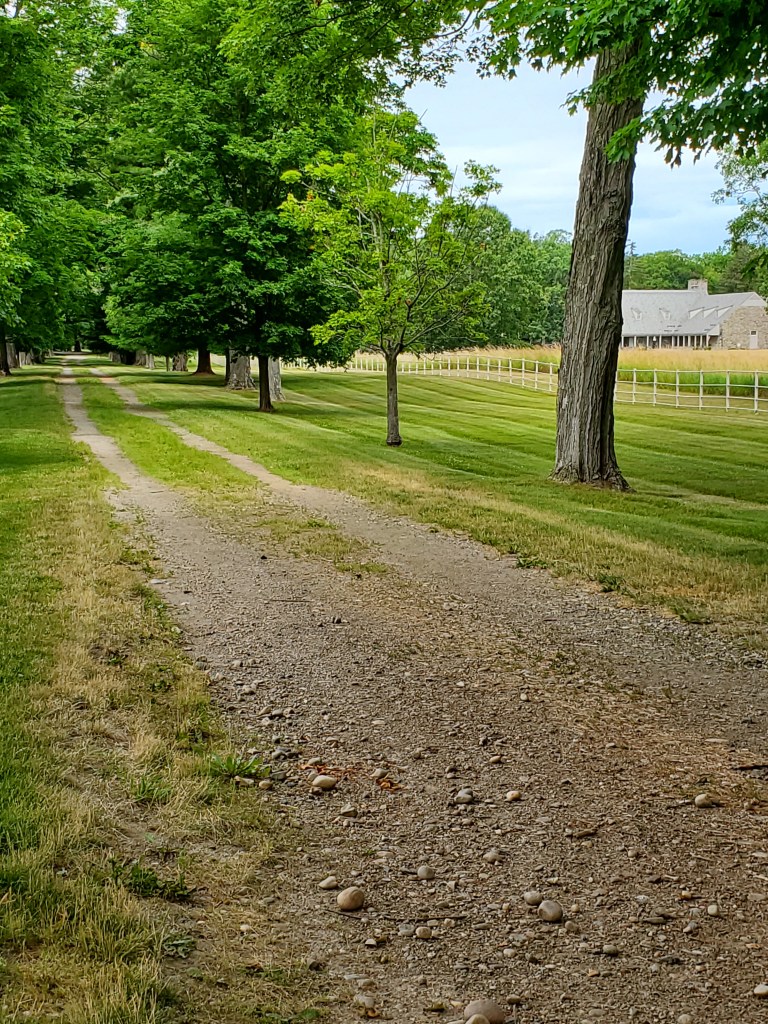
Back up driveway. Library is on right

The Tree Farmer’s Canopy
FDR Presidential Library. The First Presidential Library and only one used by a President still in Office
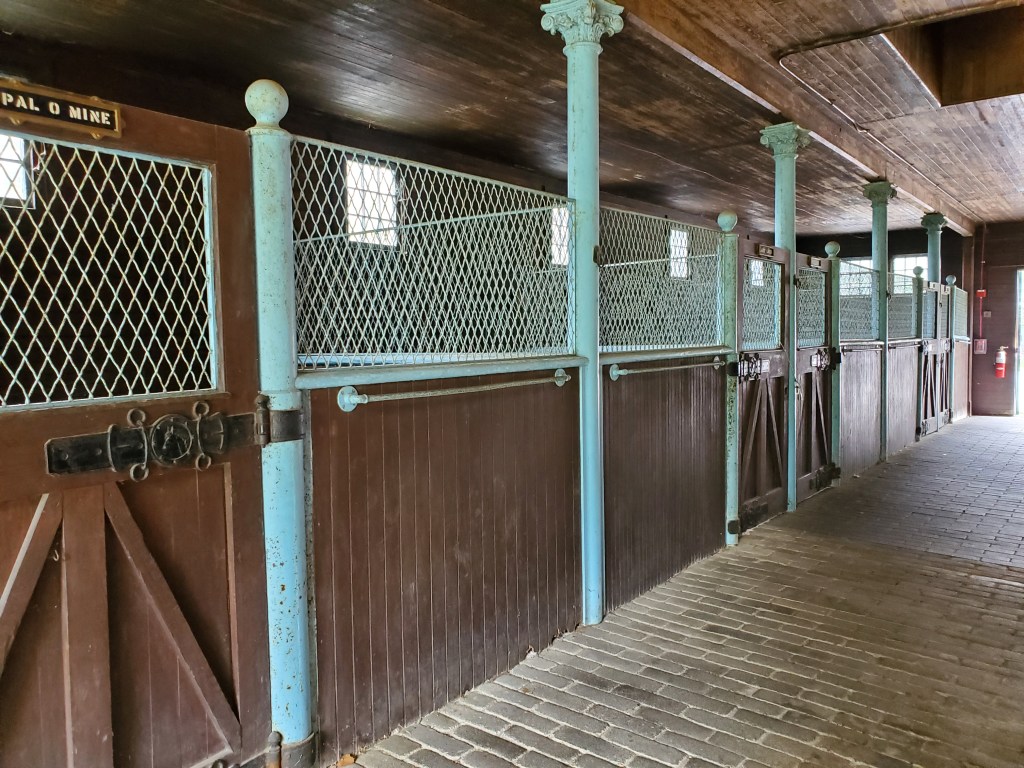
The Stable
The New Deal
“Gloster”. James Roosevelt’s champion trotter, ca. 1874. Once upon a time, the horse’s tail was in frame
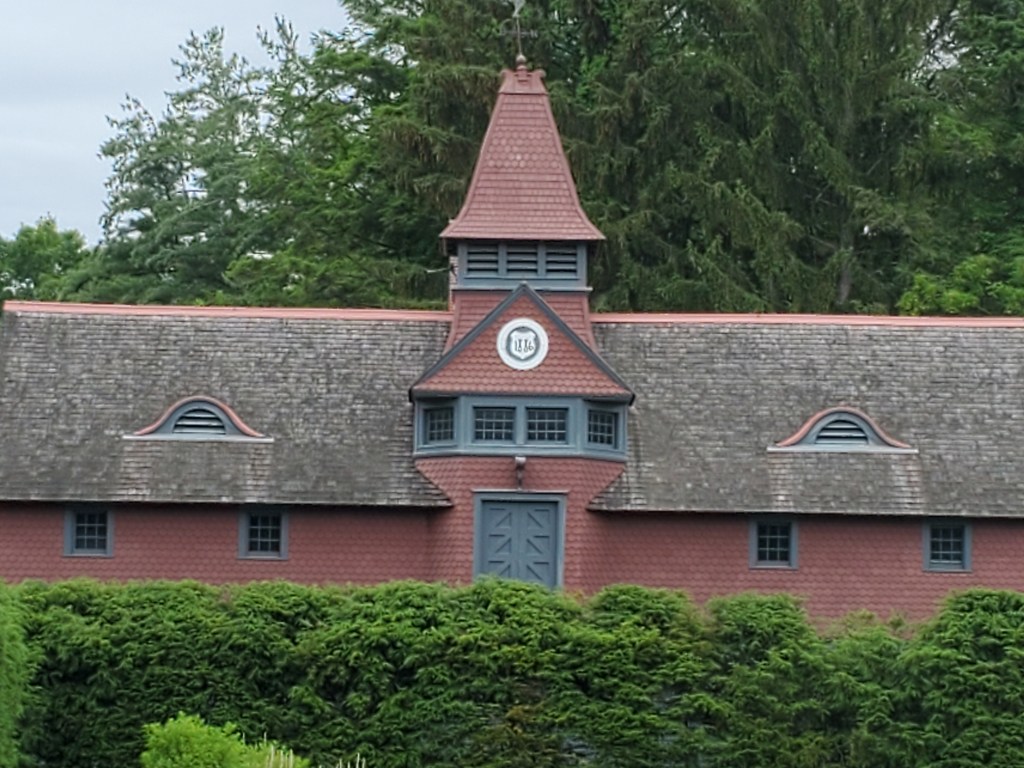
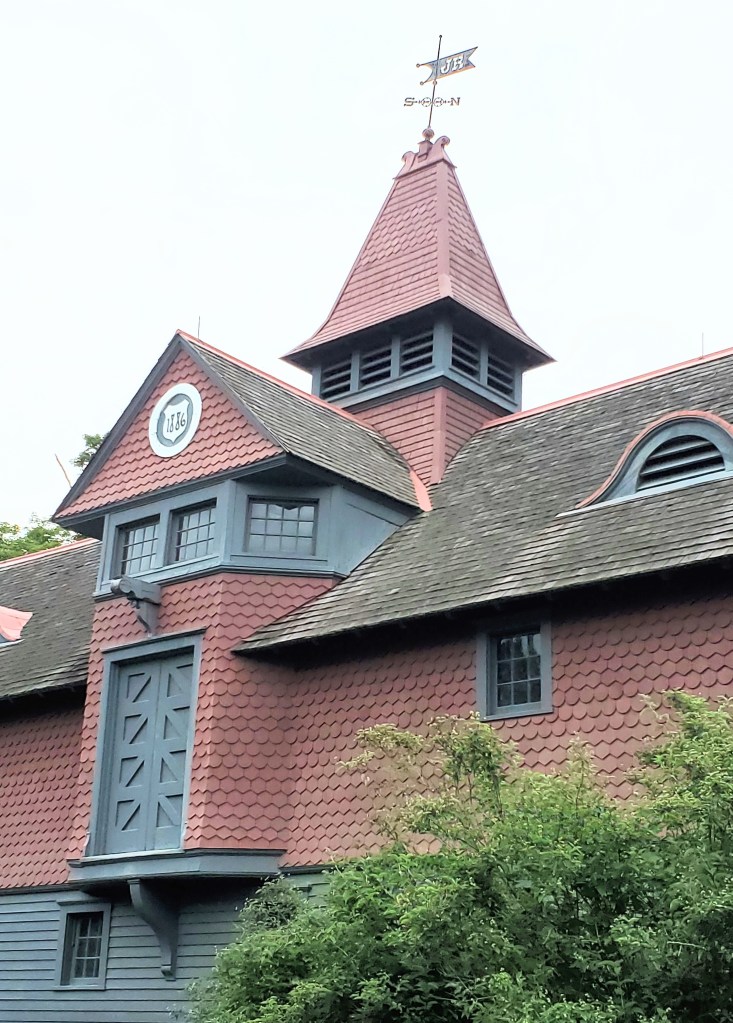
Coach house with initials JR. James Roosevelt

Coach House, 1886, JR
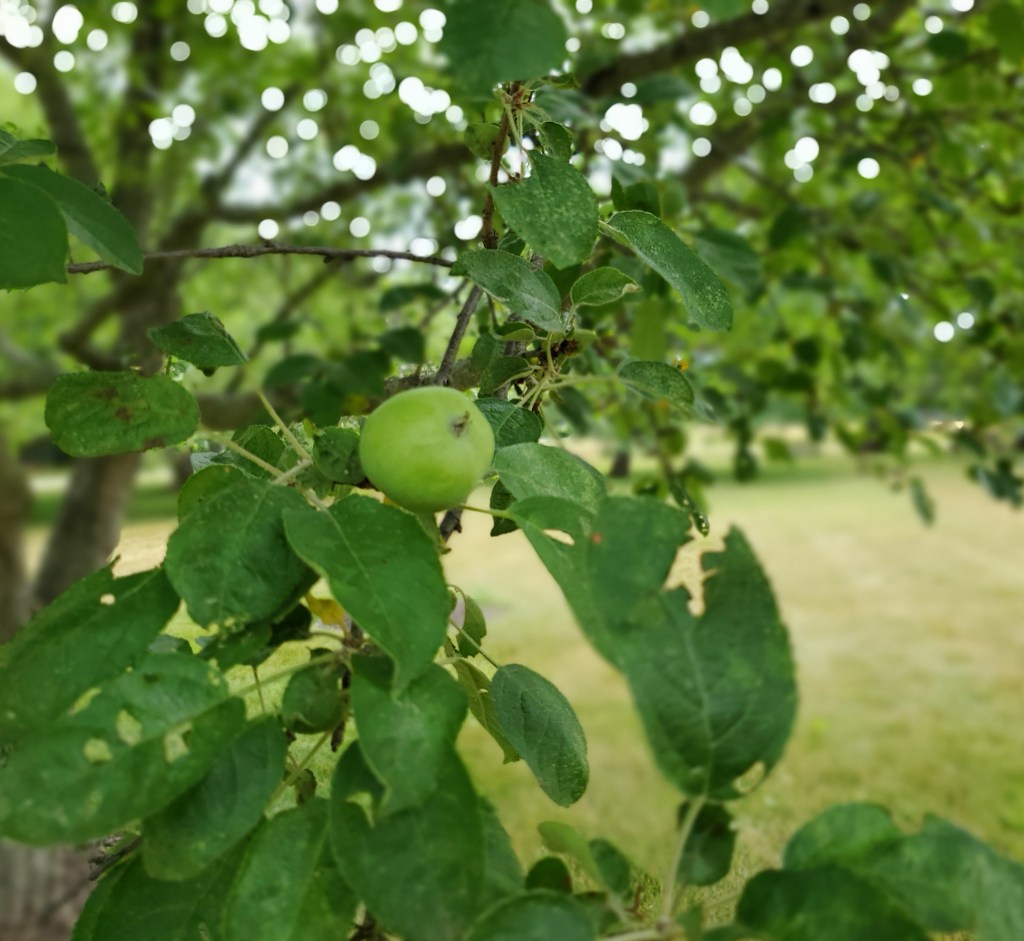
Apple trees


Favorite site for photo


My guess is the total walk is about 5000 steps


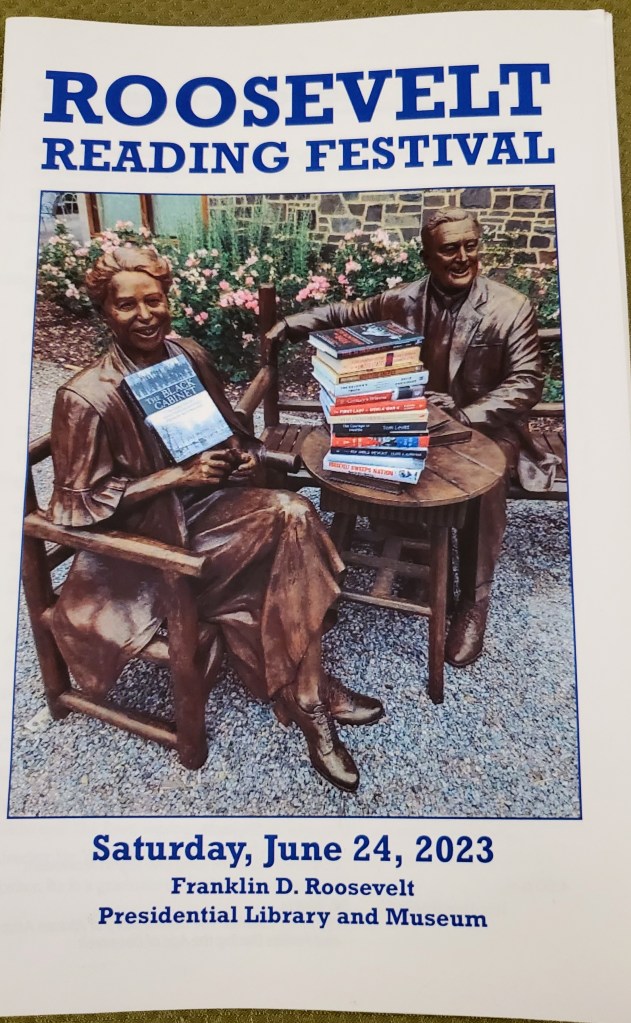
Roosevelt Reading Festival


19th Annual Reading Festival
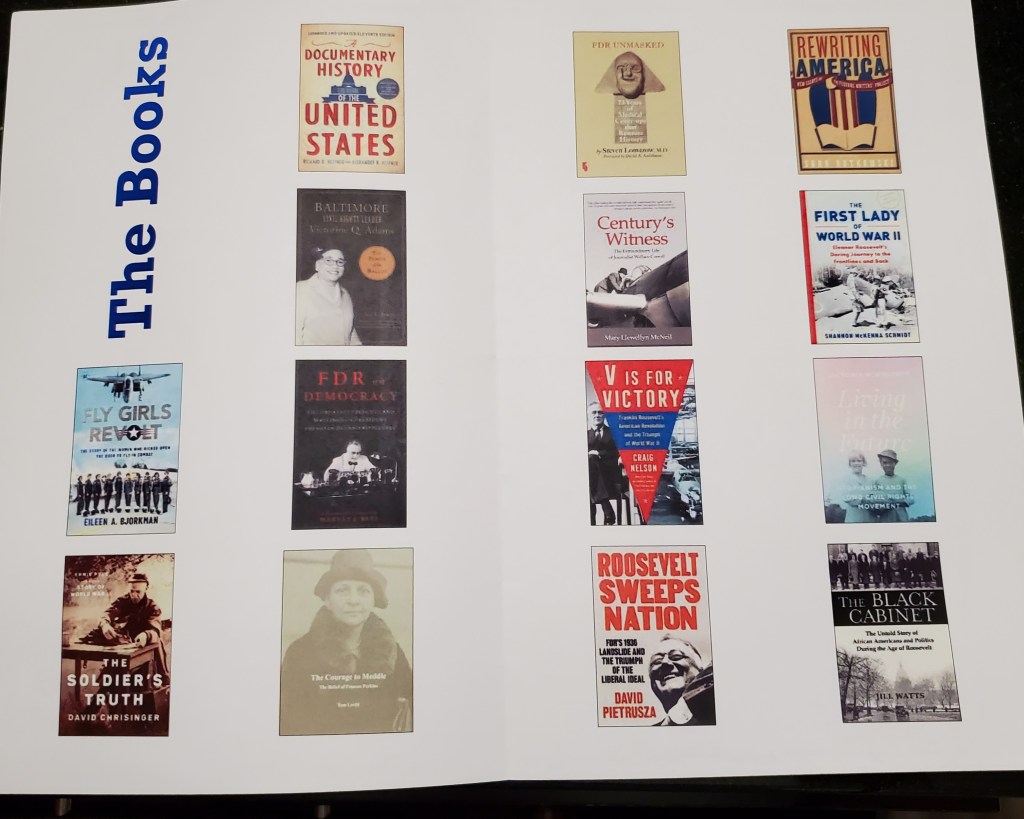
The Books

I attended the following 2 presentations

Harvey J. Kaye

FDR on Democracy: The Greatest Speeches and Writings of President Franklin Delano Roosevelt
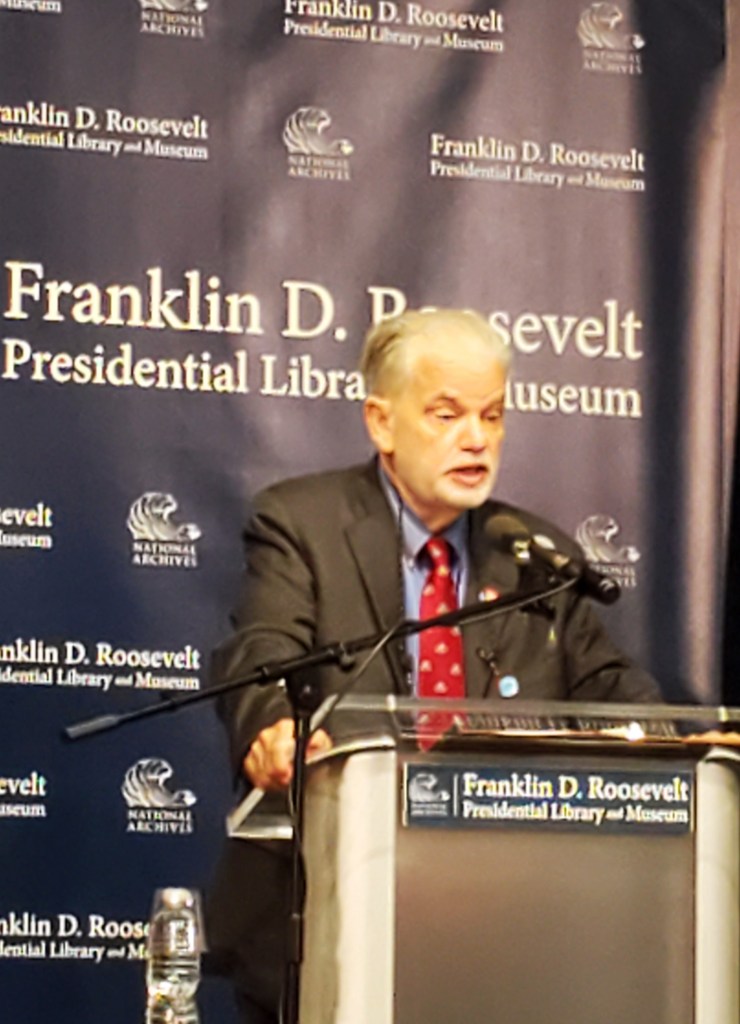


Steven Lomazow, M.D.

FDR Unmasked: 73 Years of Medical Cover-ups That Rewrote History 

I was the Moderator for the 3 following presentations.
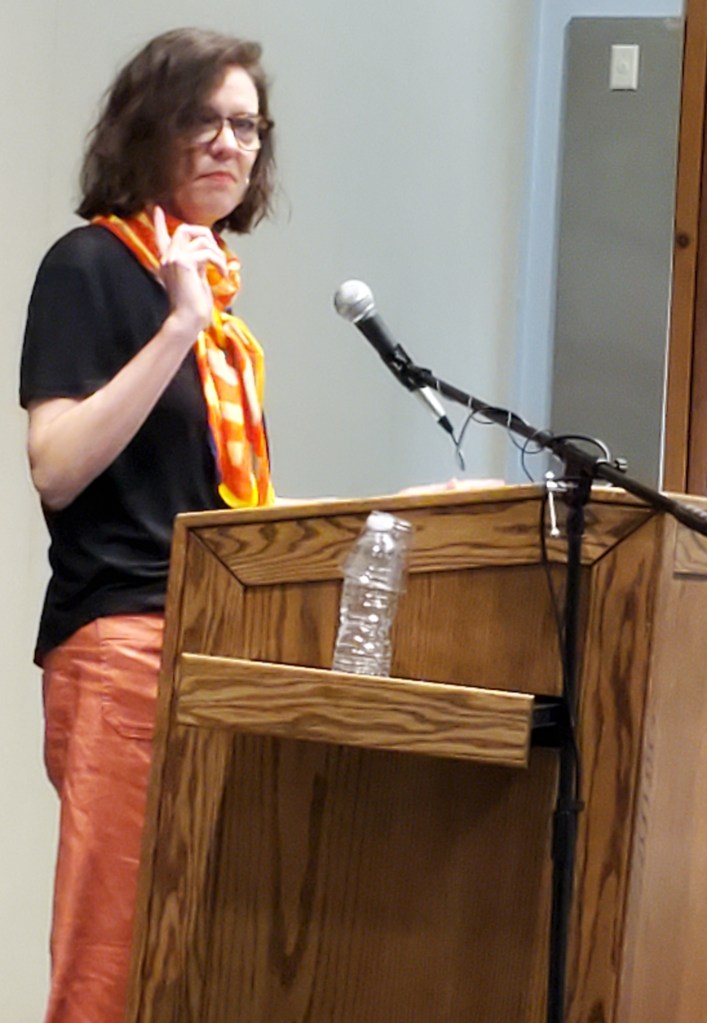

Sara Rutkowski

Rewriting America: New Essays on the Federal Writers’ Project
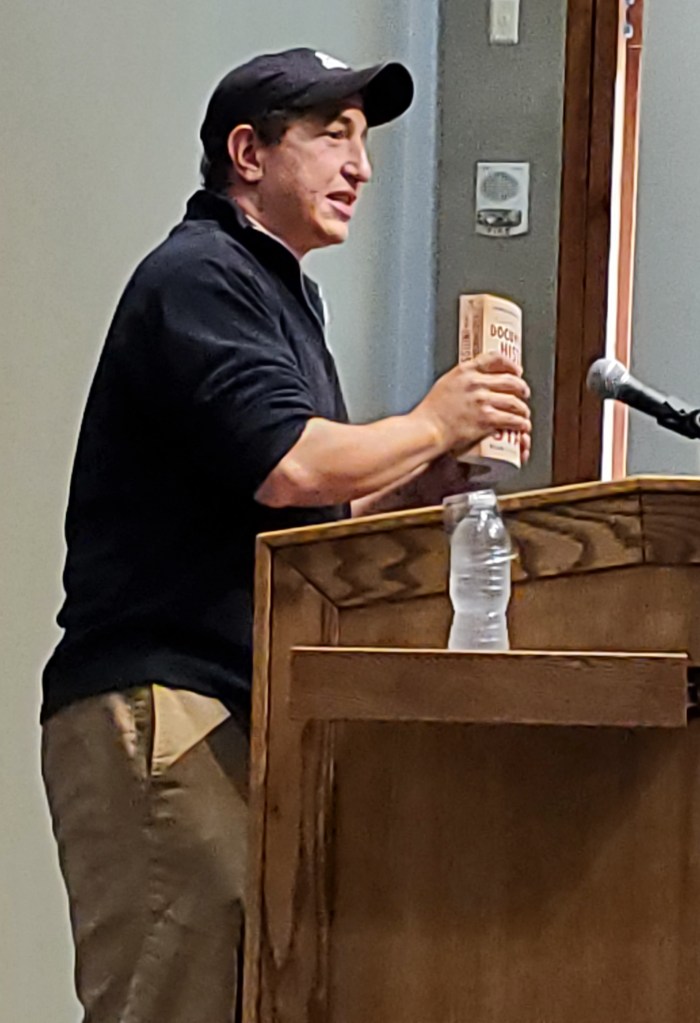

Alexander Heffner

A Documentary History of the United States (11th ed)

Mary Llewellyn McNeil

Century’s Witness: The Extraordinary Life of Journalist Wallace Carroll
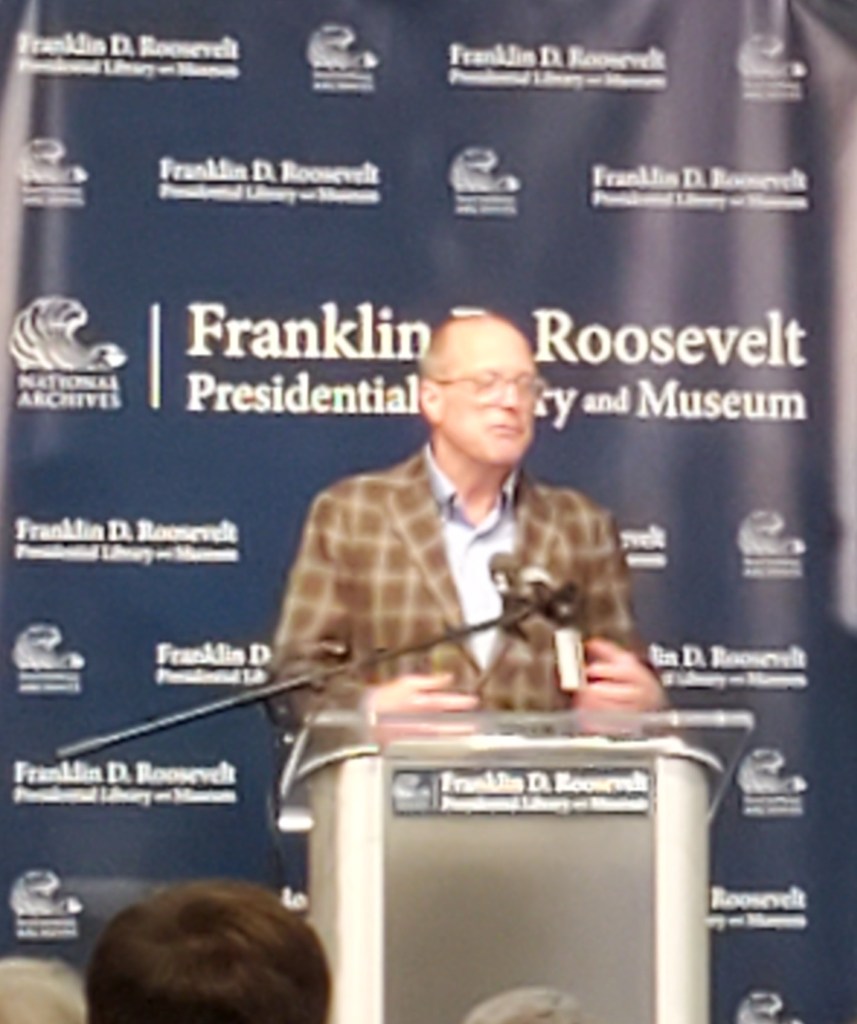

Bill Harris, Director of FDR Presidential Library introduces the Keynote Speaker, Jill Watts.

Jill Watts. Keynote Speaker

The Black Cabinet: The Untold Story of African Americans and Politics During the Age of Roosevelt


A full day of very well-researched, interesting presentations.

Wined and dined with these scholars at Coppola’s. Perfect ending to the day.

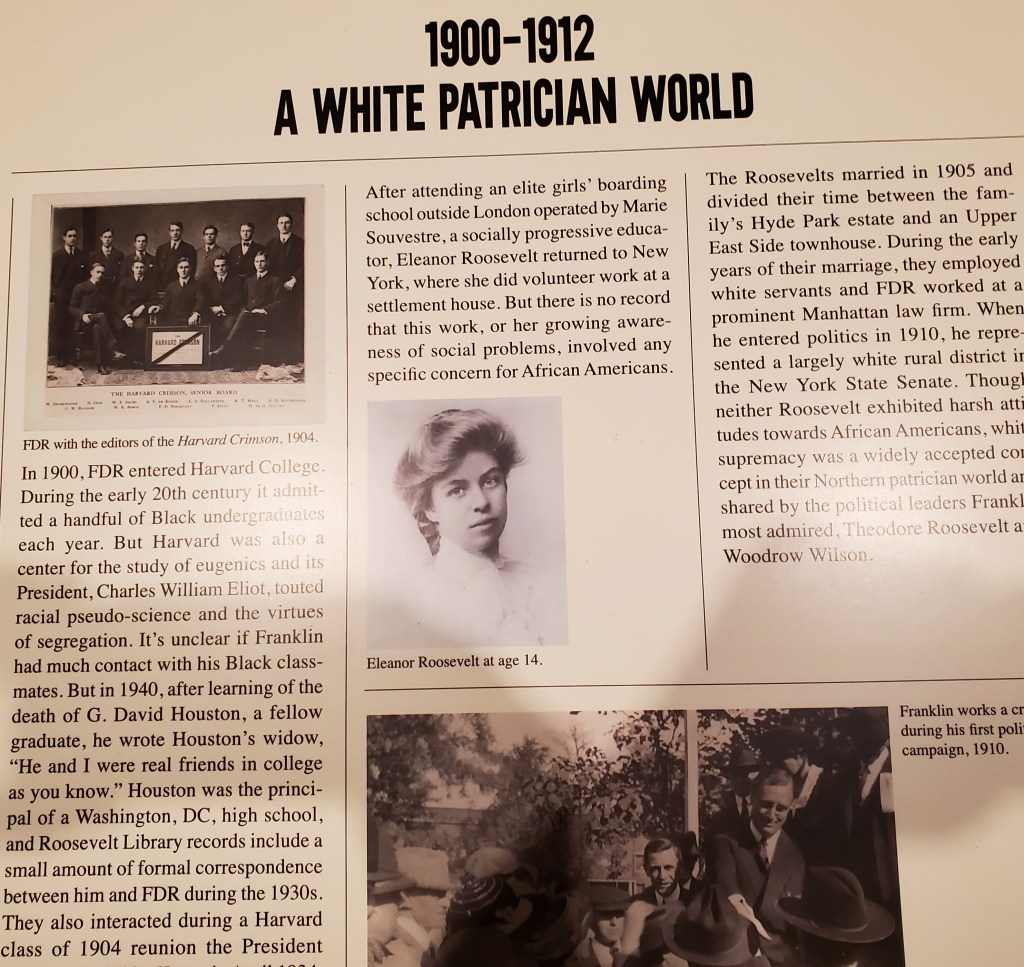
BLACK AMERICANS, CIVIL RIGHTS, AND THE ROOSEVELTS, 1932-1962

The new Special Exhibit in the FDR Library
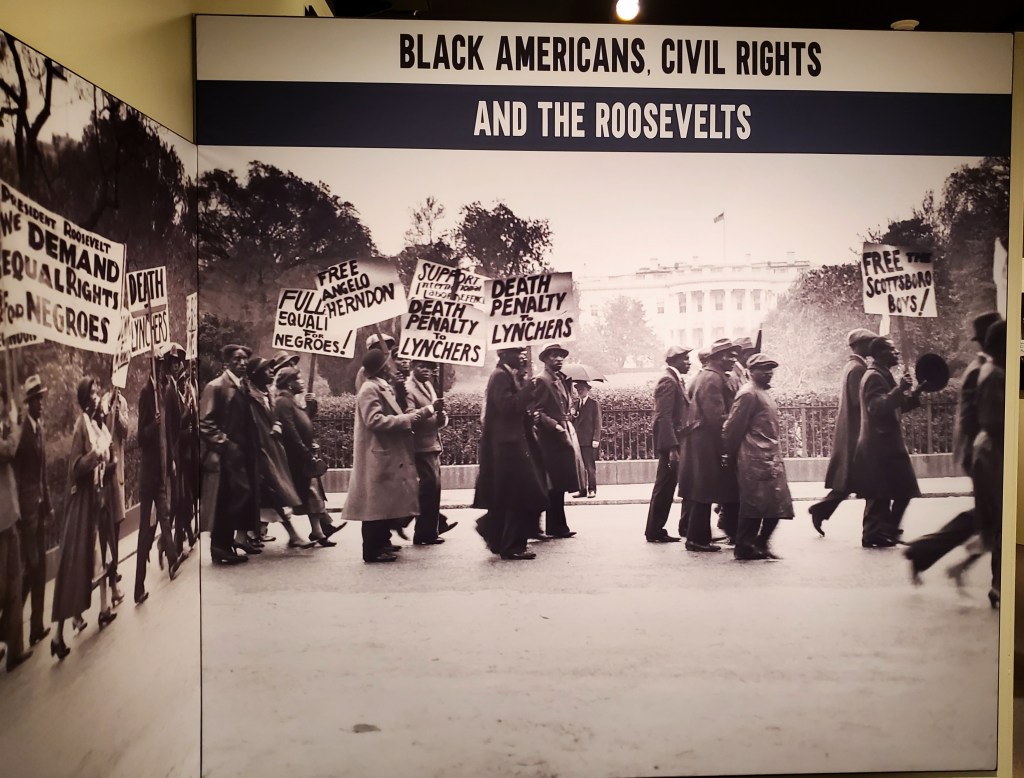


The FDR Museum Curator, Herman Eberhardt, gave the Docents a tour of the new Special Exhibit, BLACK AMERICANS, CIVIL RIGHTS, and THE ROOSEVELTS, 1932-1962.
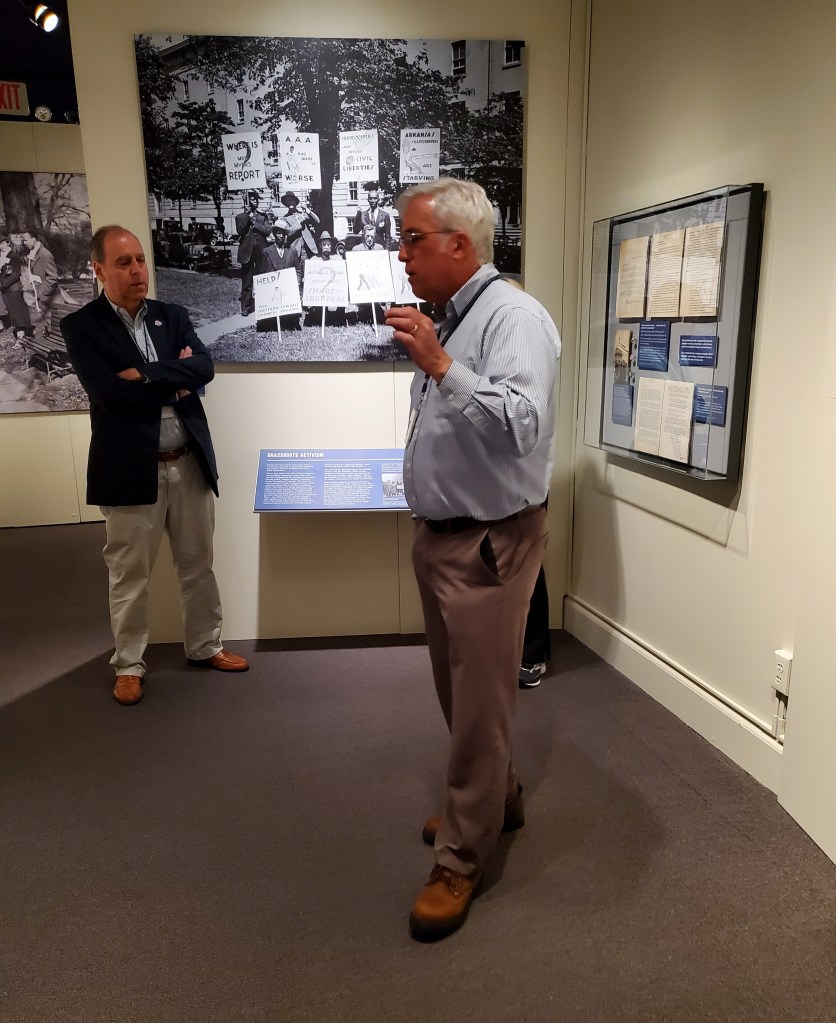
The FDR Museum Curator, Herman Eberhardt

He said that they worked on this Exhibit for 3 years, planning, consulting with historians, and designing the Exhibit.

Consultants for this Exhibit

Mr. Eberhardt gave an incredibly detailed tour, and I was so impressed.

To summarize, the Roosevelts began the slow movement toward civil rights. Certainly not enough, but at least, a start.

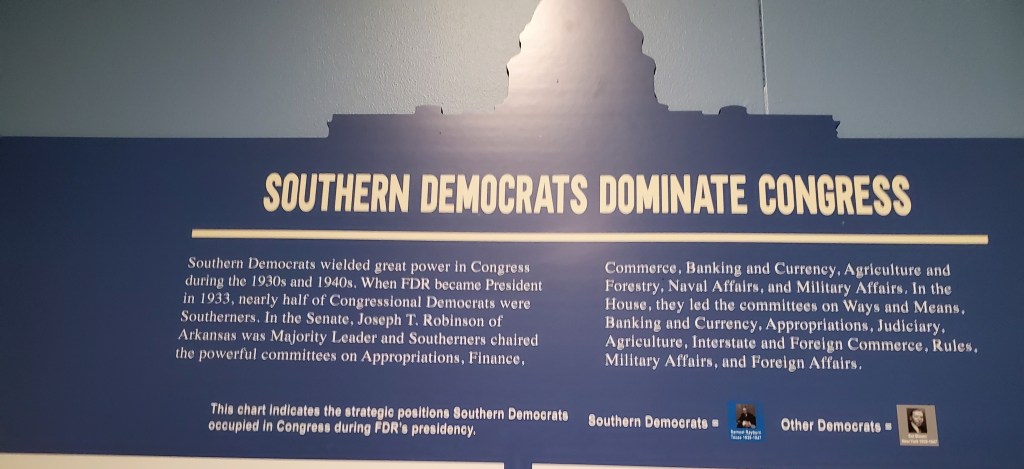
FDR, limited by the Southern Democrats who controlled the House and Senate and were completely racist, had to navigate a fine line if he were to be able to pass any legislation and maintain their support.

He always looked at a situation through the political lens that would do the most good for the most people

Eleanor was much more vocal and active in her support which steadily grew and continued until her death.

As someone once told me, Eleanor knew what SHOULD be done. FDR knew what COULD be done.
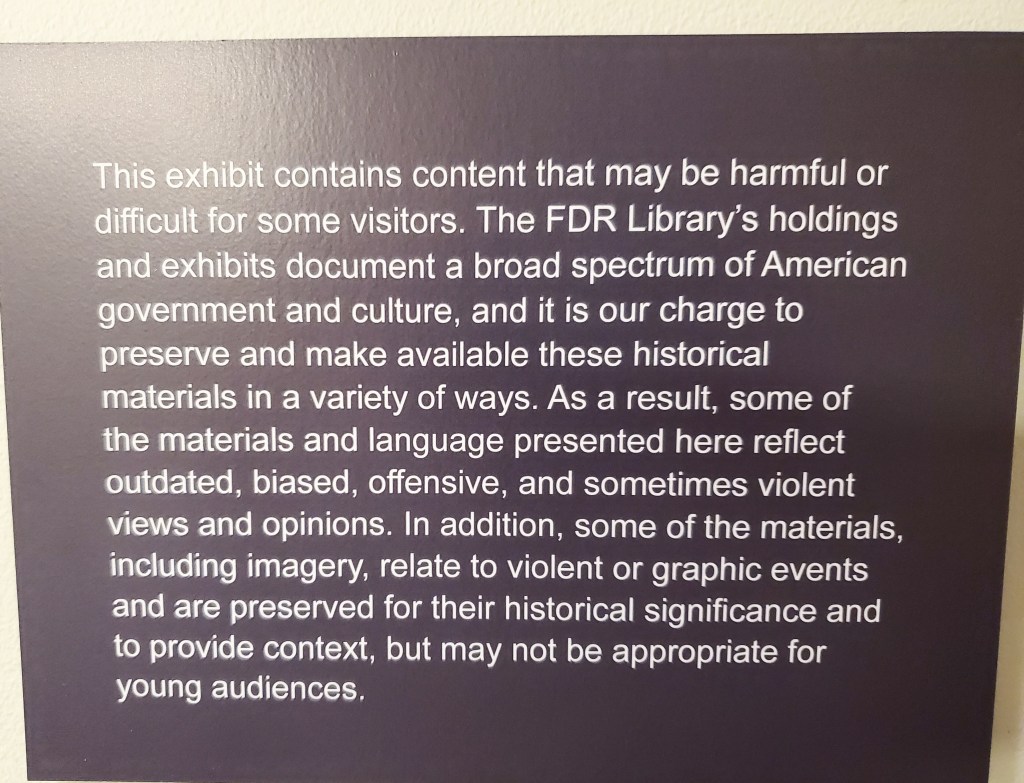
At the start of the exhibit, a note of warning that the exhibit may be disturbing and offensive due to content.
The Roosevelts grew up in a society without people of color. It was just not something that concerned them. Once they moved to Washington in 1913, they did employ Blacks as servants.
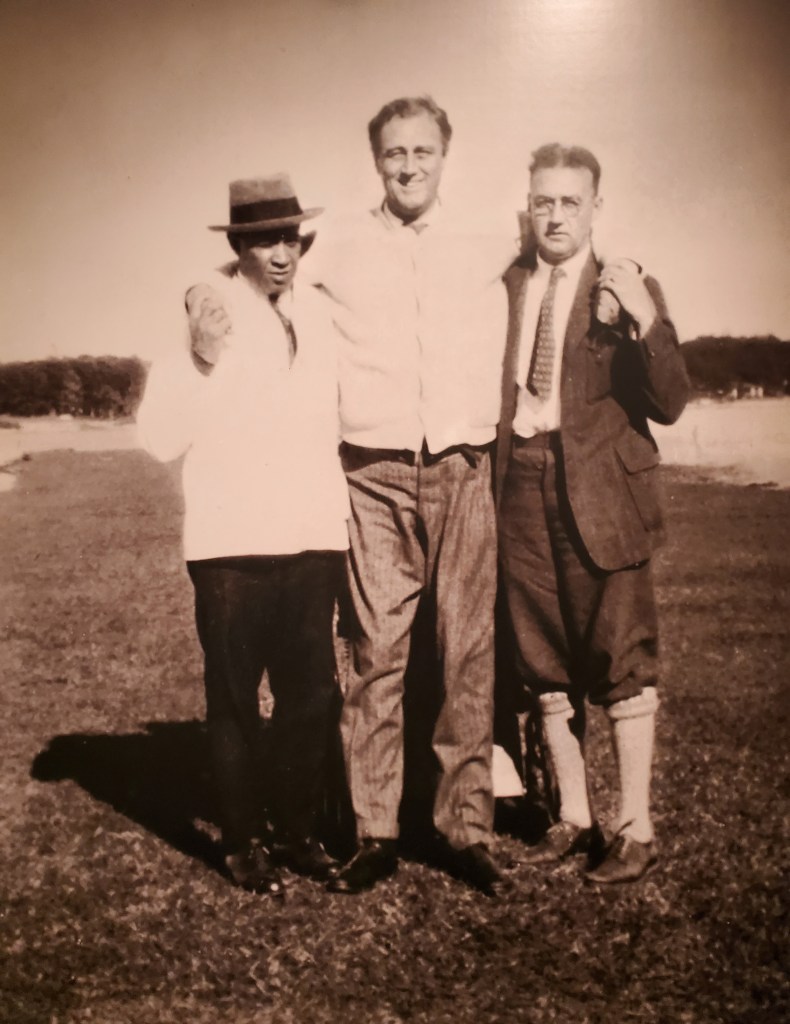
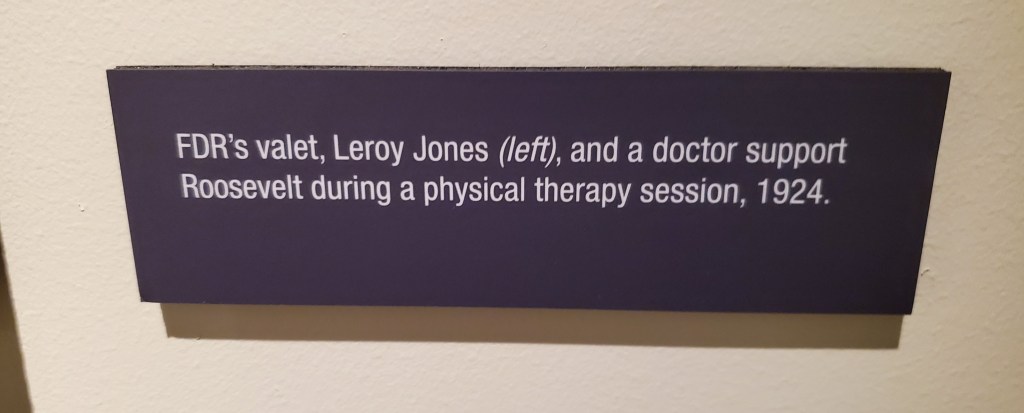
Once FDR was stricken with polio, he always had Black valets who aided him with his most personal activities, dressing, bathing, etc.


In 1932, Blacks begin to consider leaving the Republican Party and look at the Democrats..maybe
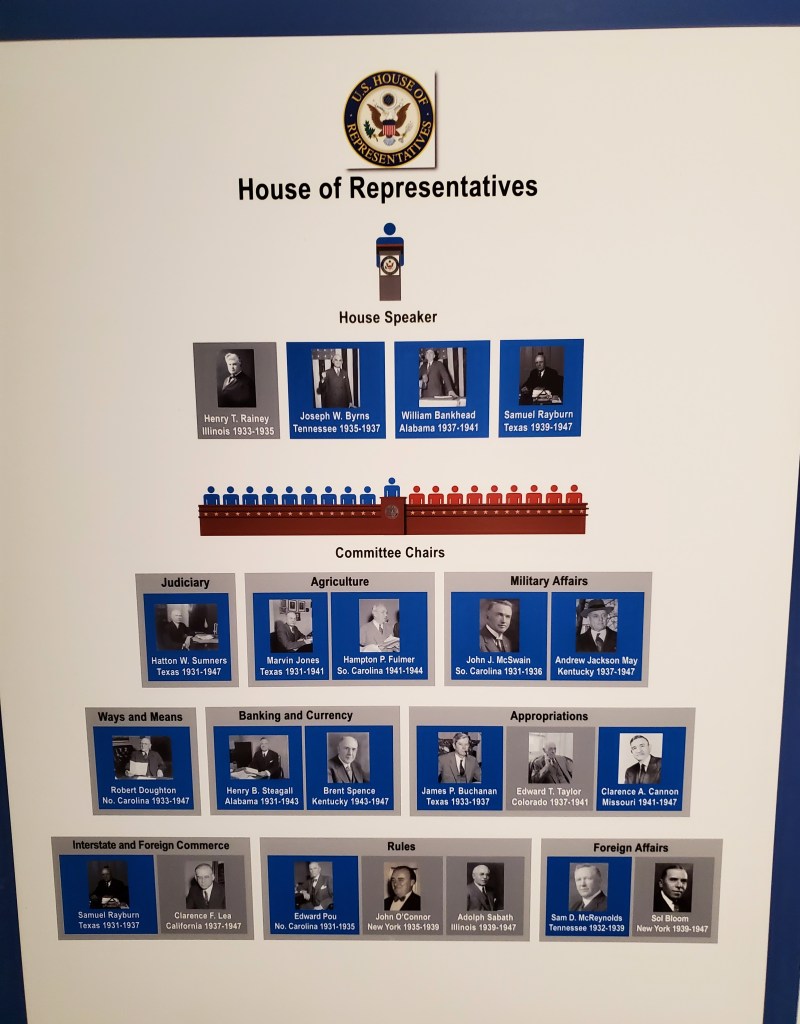
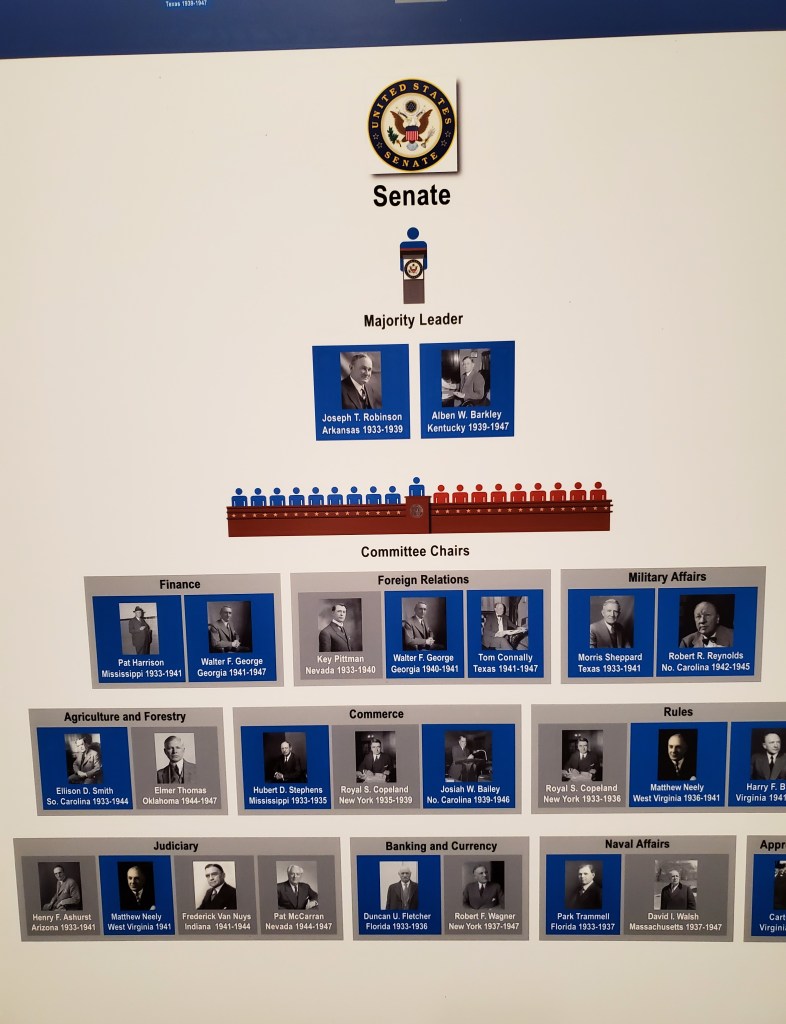
Southern Democrats control both houses of Congress and were racist.
Blue photos are Southern Democrats in House
Blue photos are Southern Democrats in the Senate.

To pass any New Deal legislation, these Southerns had to vote, Aye. FDR had to “deal” with this situation.


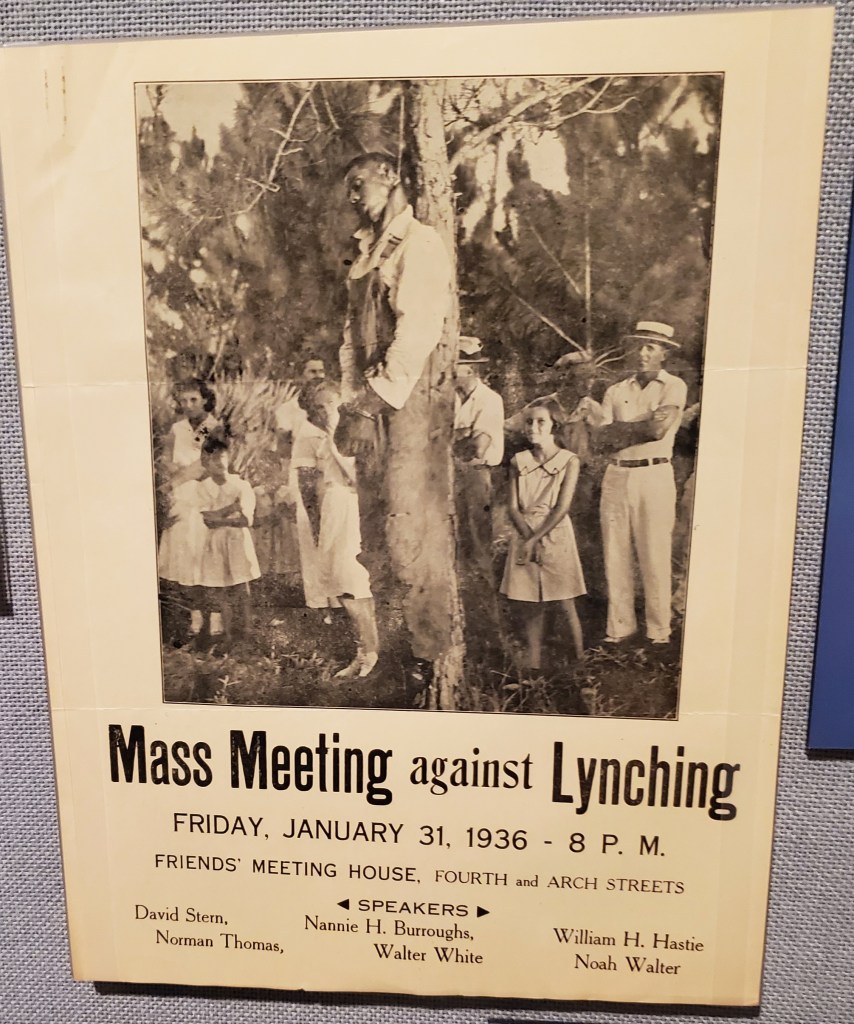
“If I come out for the anti-lynching bill now, [southern Democrats] will block every bill I ask Congress to pass to keep America from collapsing. I just can’t take the risk.” May 1934..
FDR

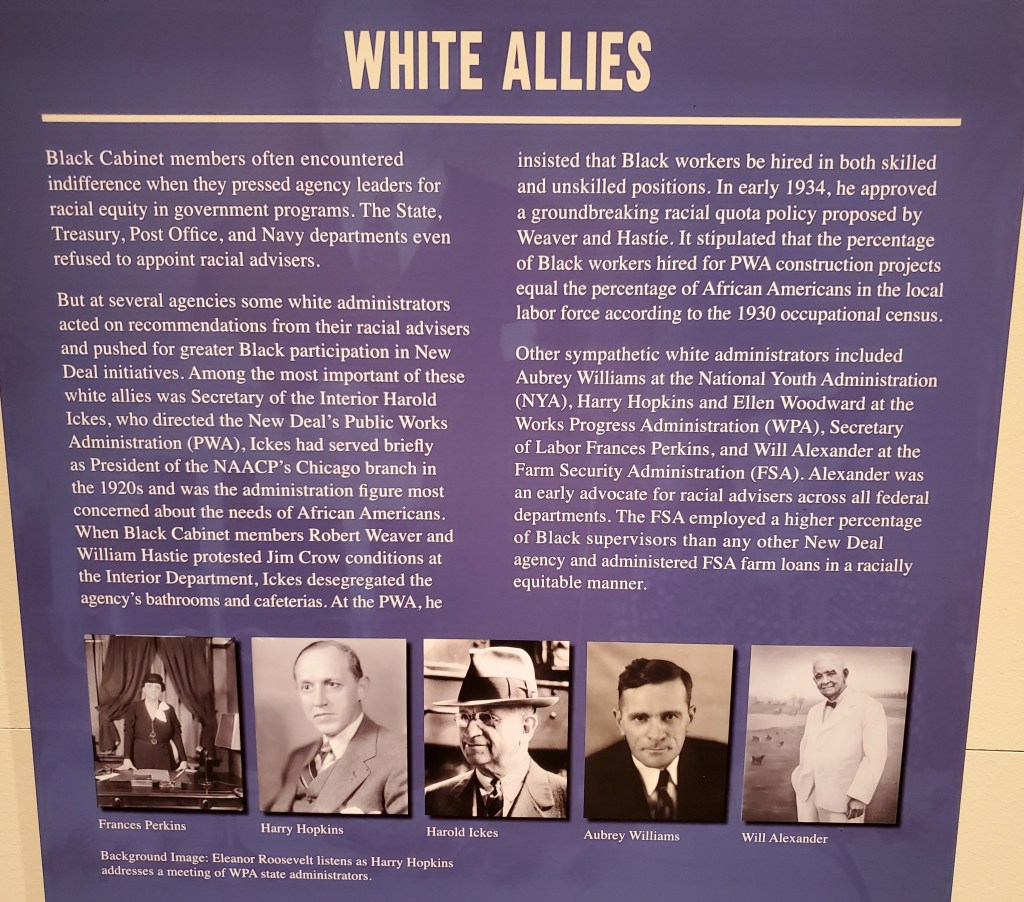
Supporters of civil rights included 2 cabinet members, and close advisor, Frances Perkins, Harry Hopkins, and Harold Ickes
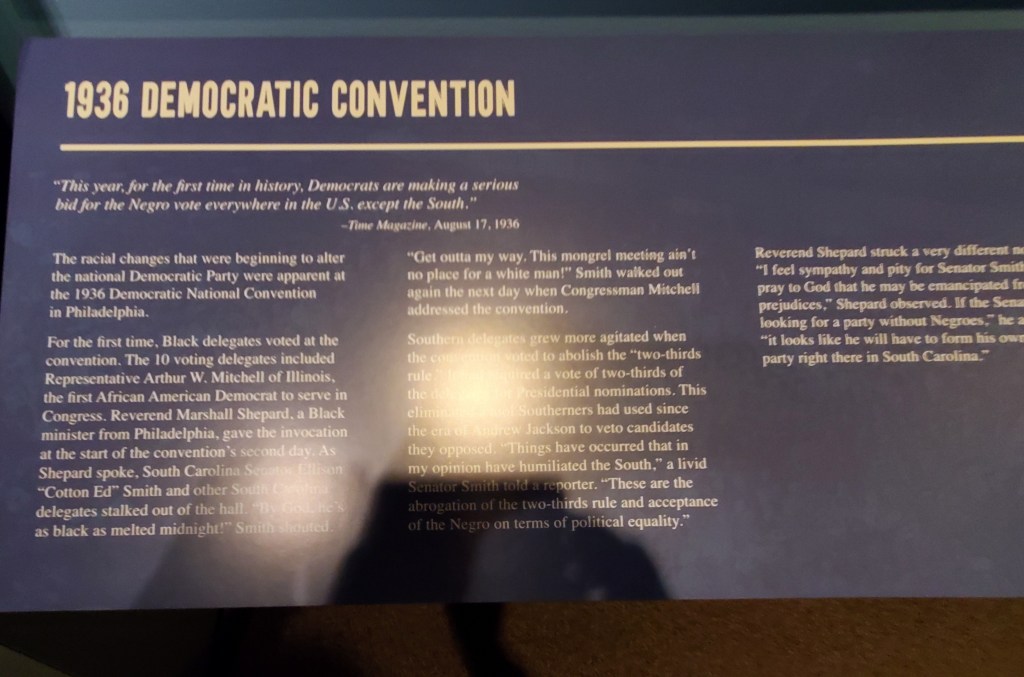
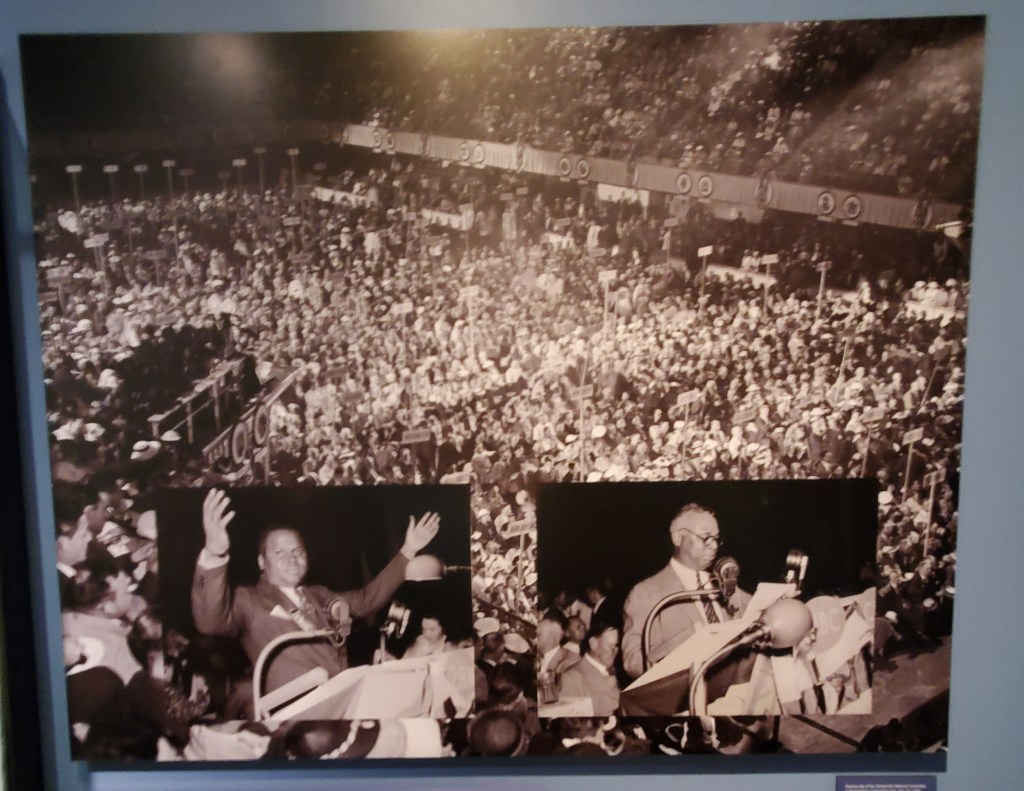
At the 1936 Democratic Conelvention, 2 speakers were African-Americans. The Democratic Party was becoming their party. In 1932 there had been no Blacks.

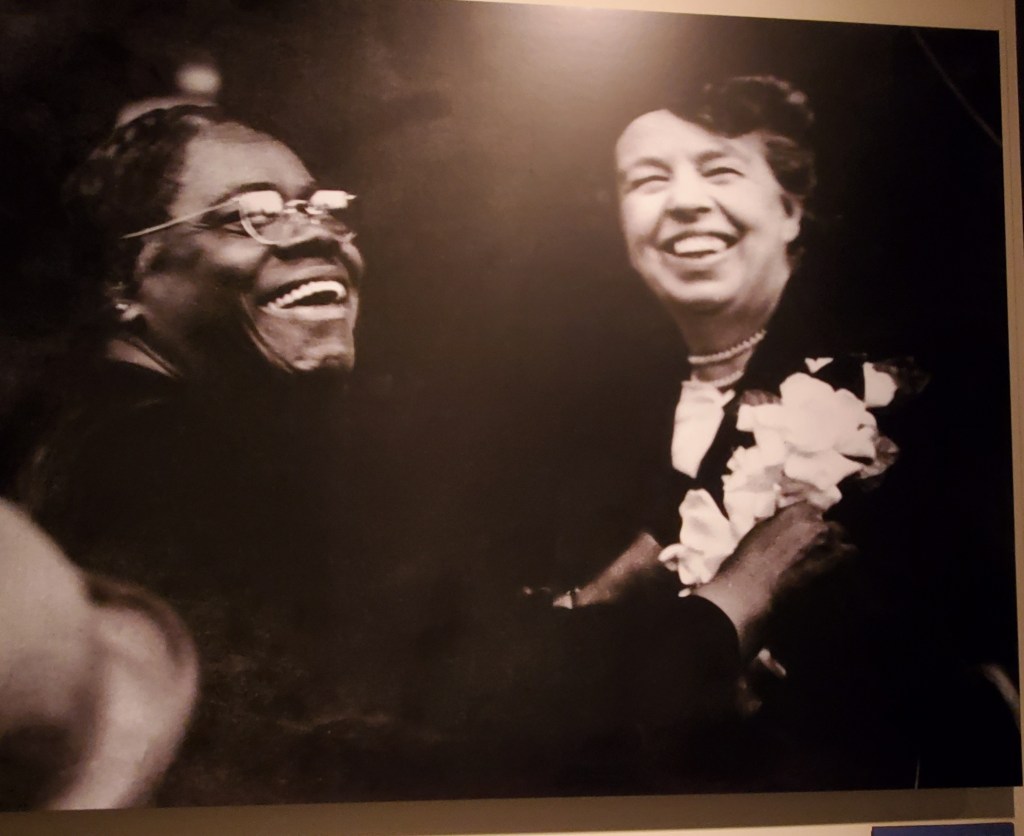
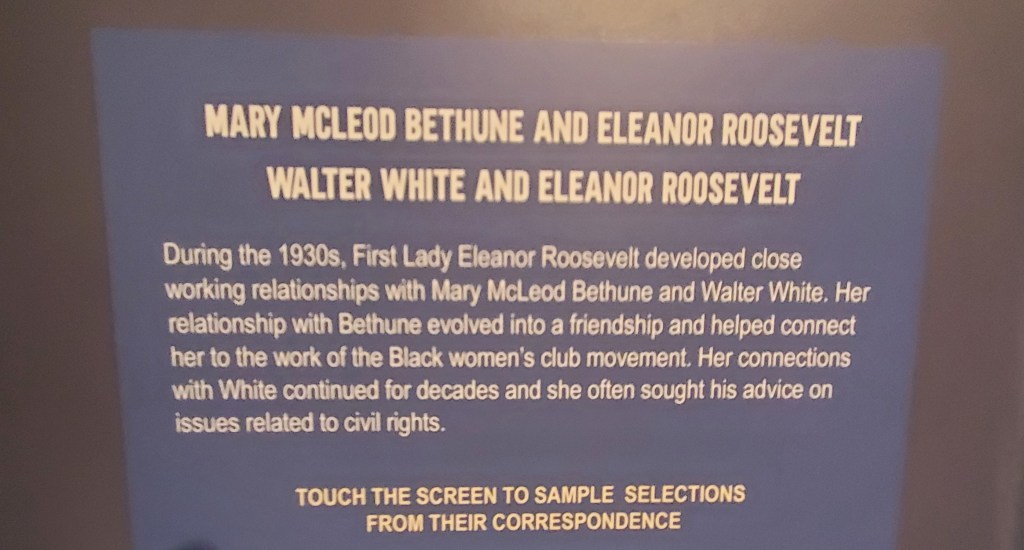
Eleanor continually pushed for more equal rights and worked with movement leaders in their struggle.
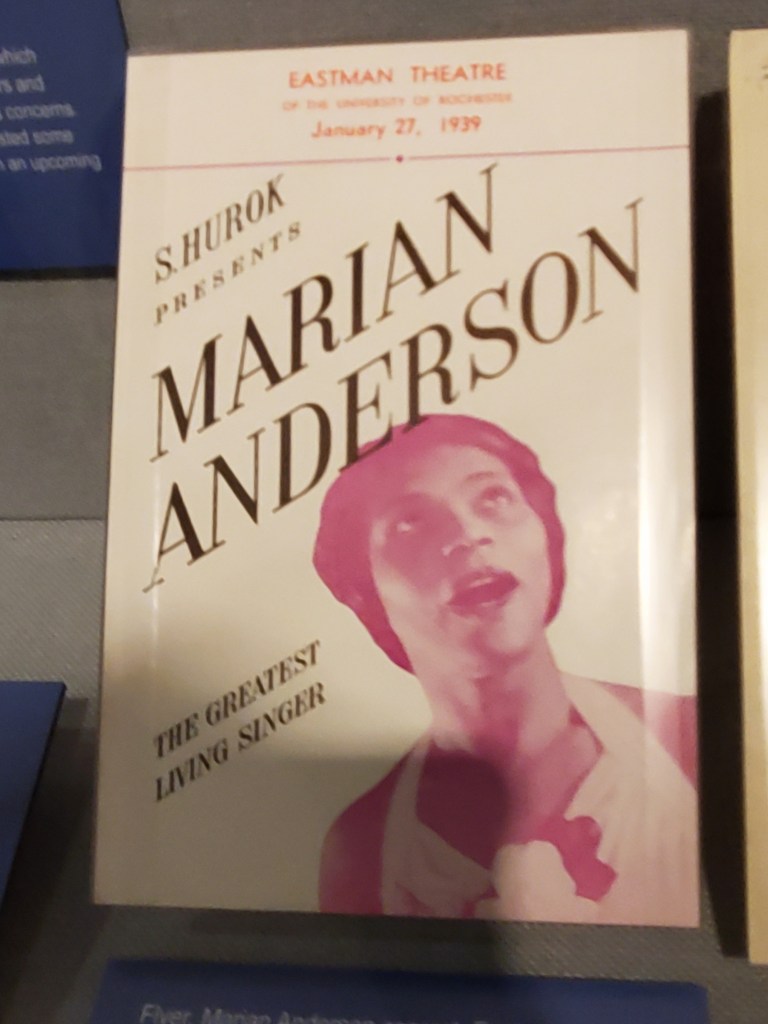
Marion Anderson sings at Lincoln Memorial Supported by Eleanor and Ickes. Eleanor resigned from DAR due to their refusal to allow Anderson to sing in a venue they controlled.
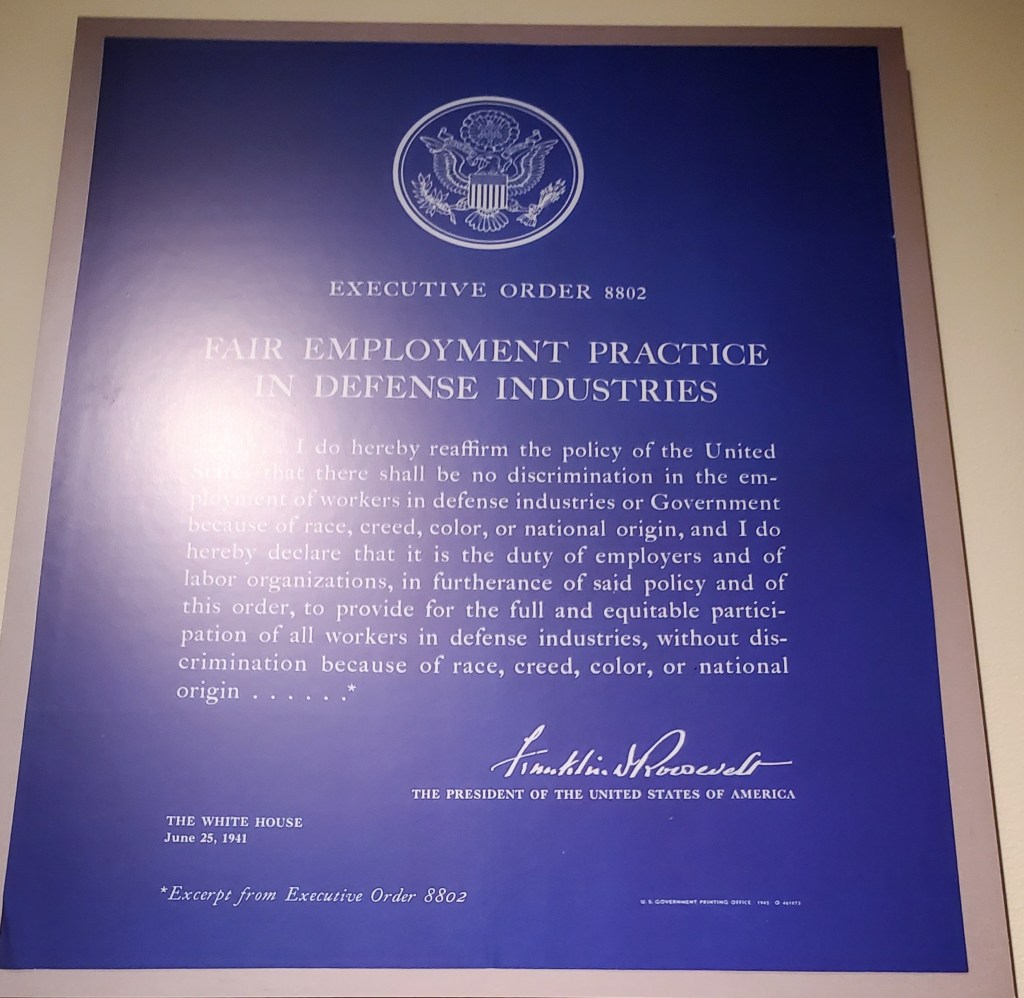
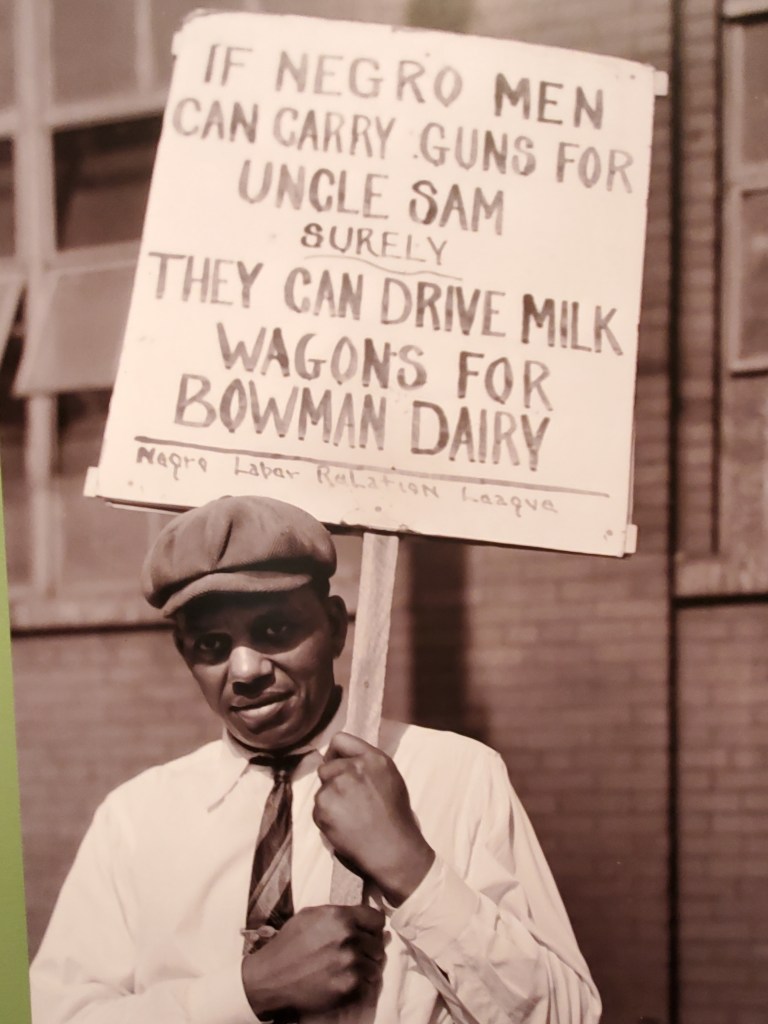
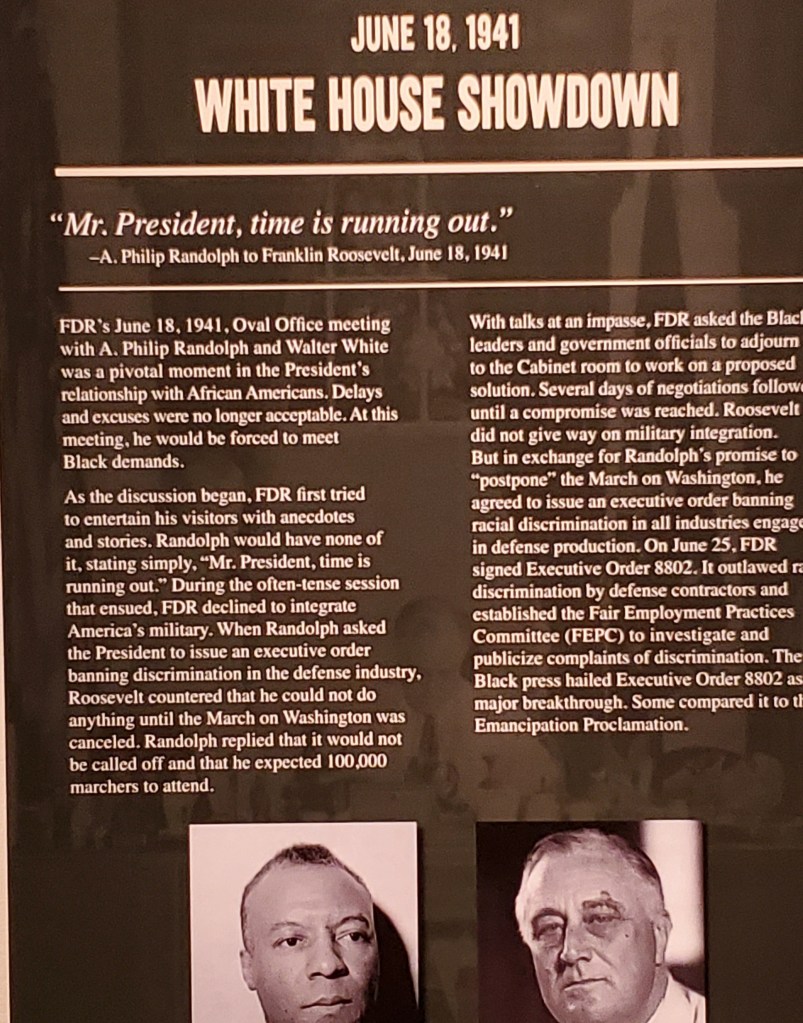
June 1942..Threating a March on Washington, FDR meets with leaders White and Randolph. He agrees to support blacks working in the defense industries and signs Executive Order 8802. FDR does not agree to integrate the armed forces. The March was “postponed”, thus a comprimise.
Executive Order 8802
Fighting for Democracy and Equal Rights
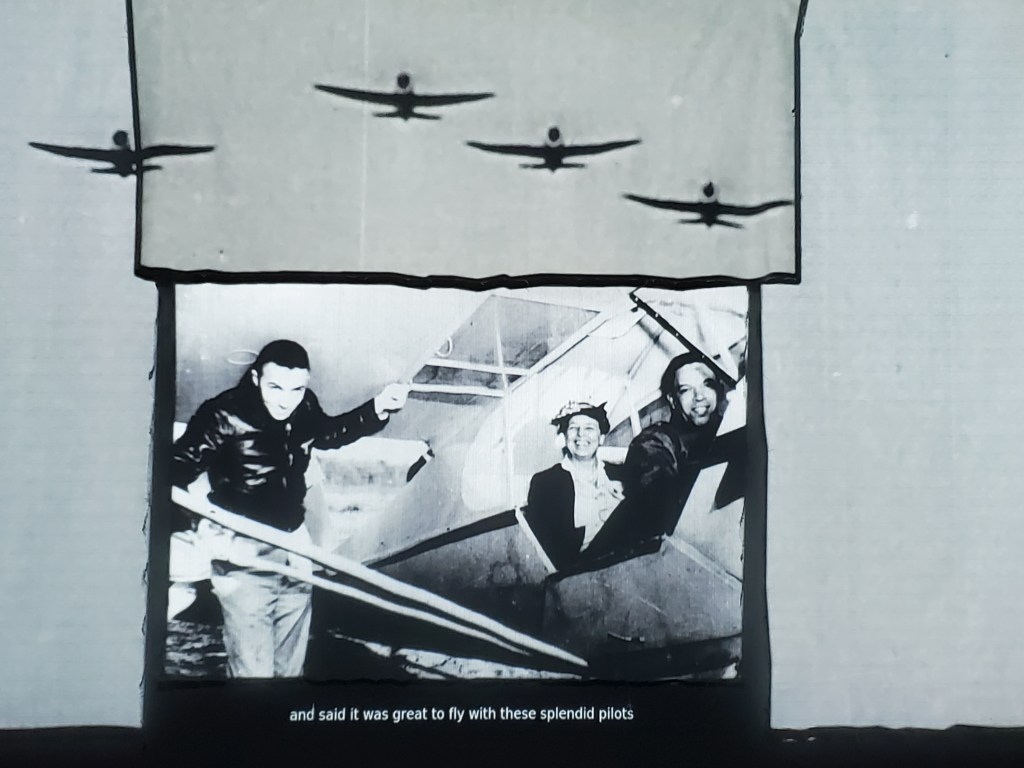
Tuskegee Airmen and Eleanor
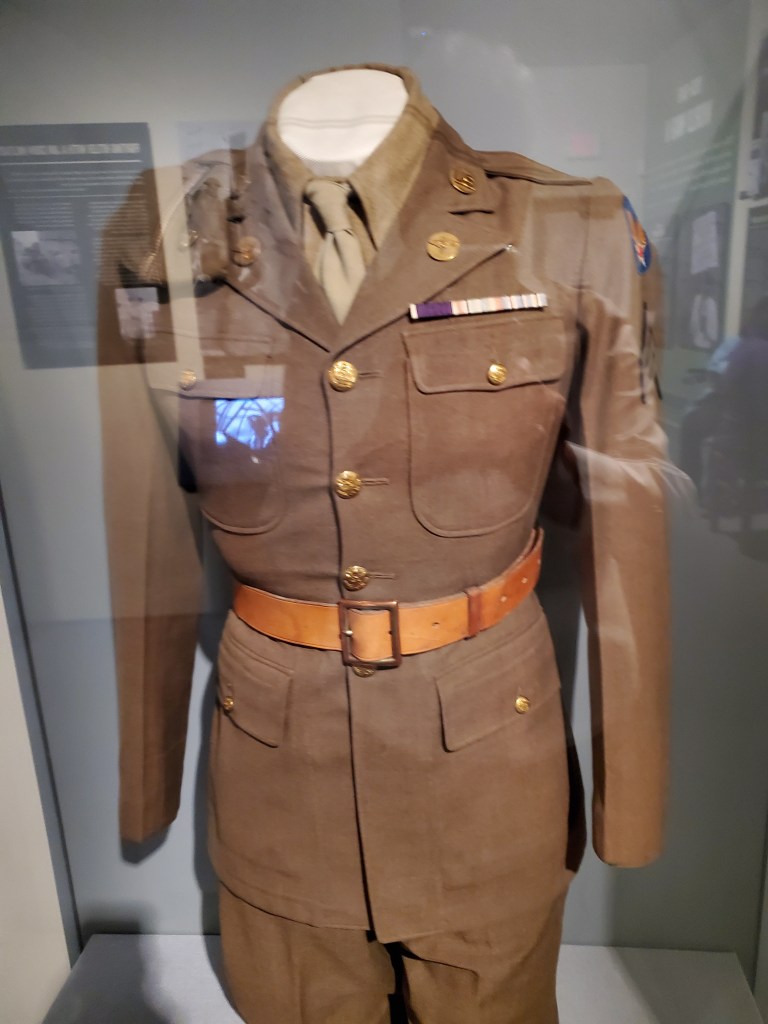
Tuskegee Airman Uniform

Eleanor never gave up on fighting for equal rights until her death in 1962

President Truman desegregates the military, 1948
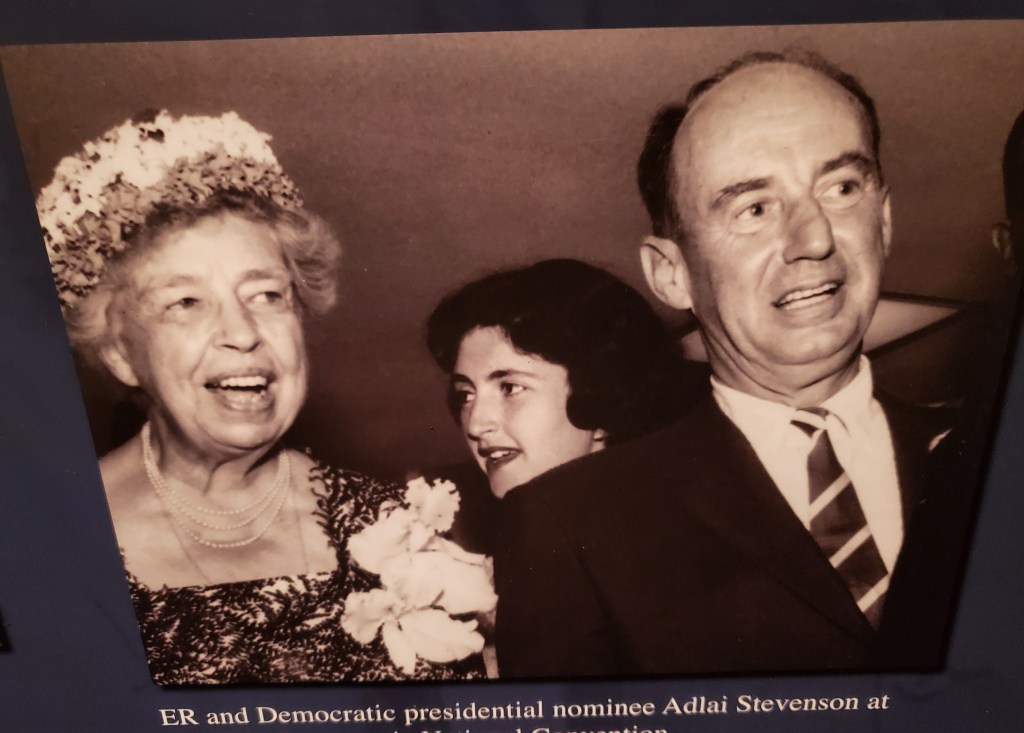
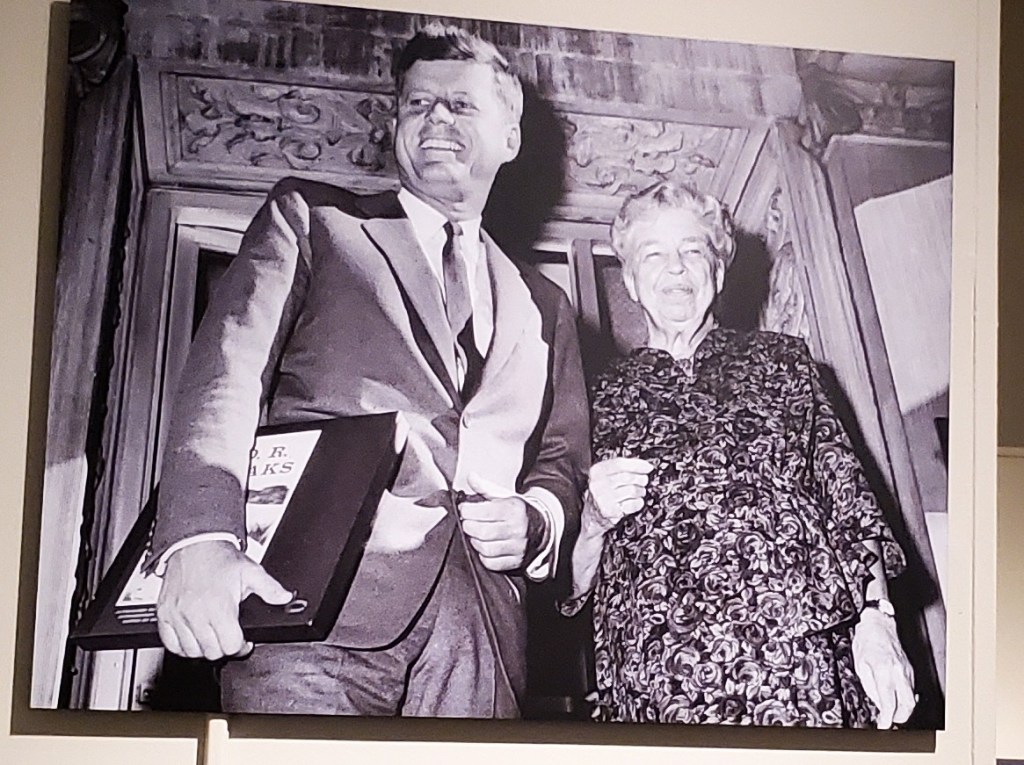
Supported Adlai Stevenson for President
Supported JFK
From Exhibit Film.

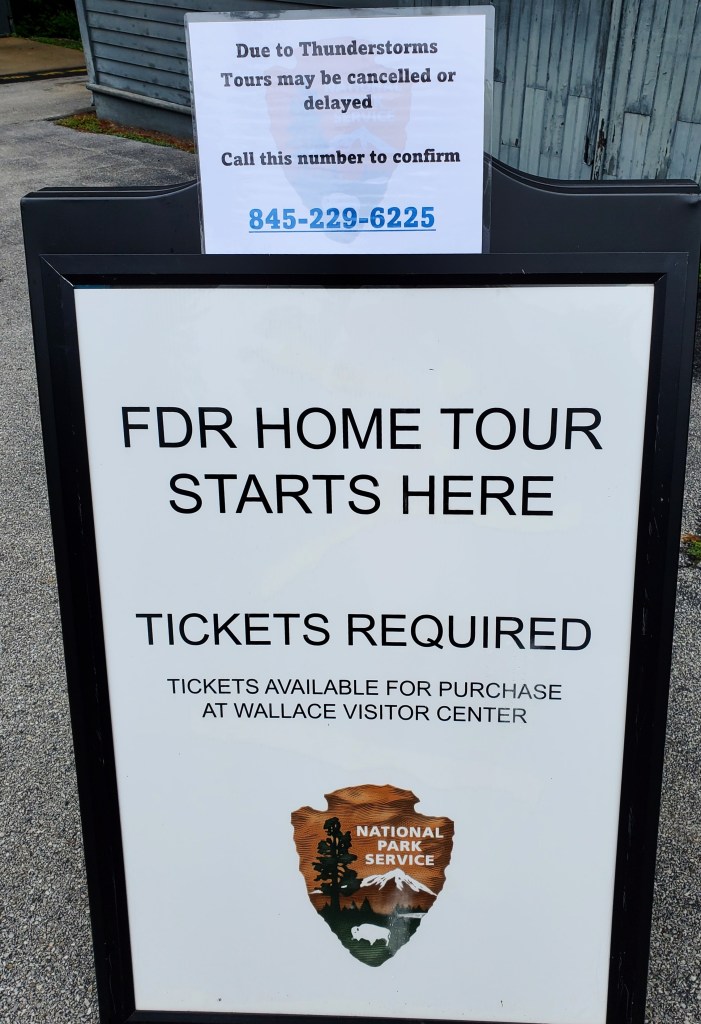
Tour of Springwood

Springwood

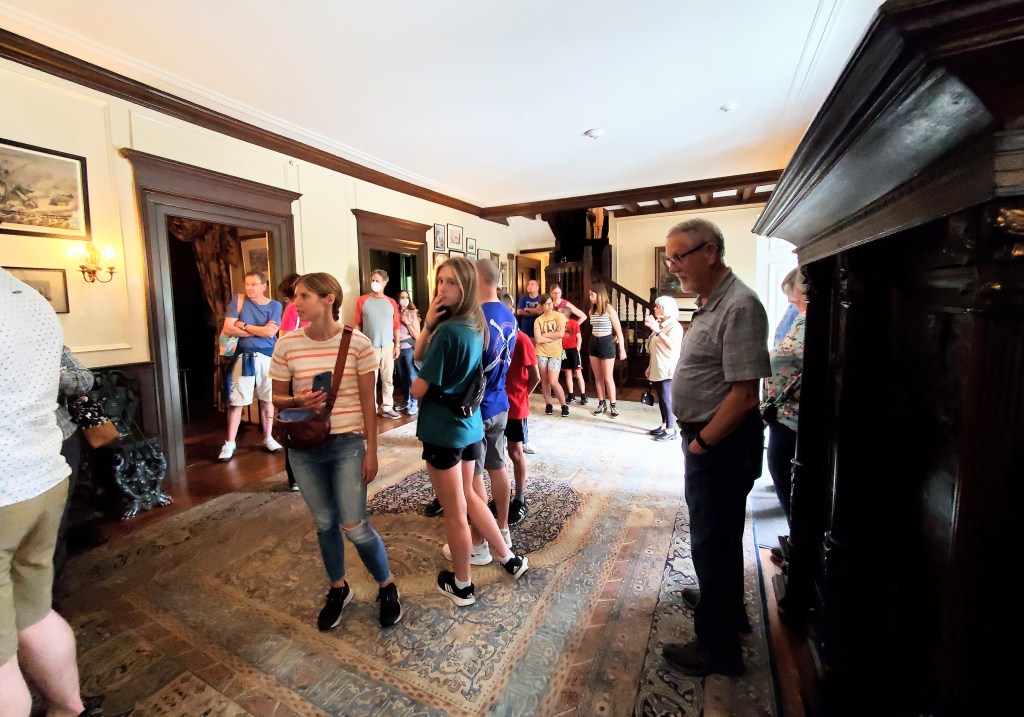
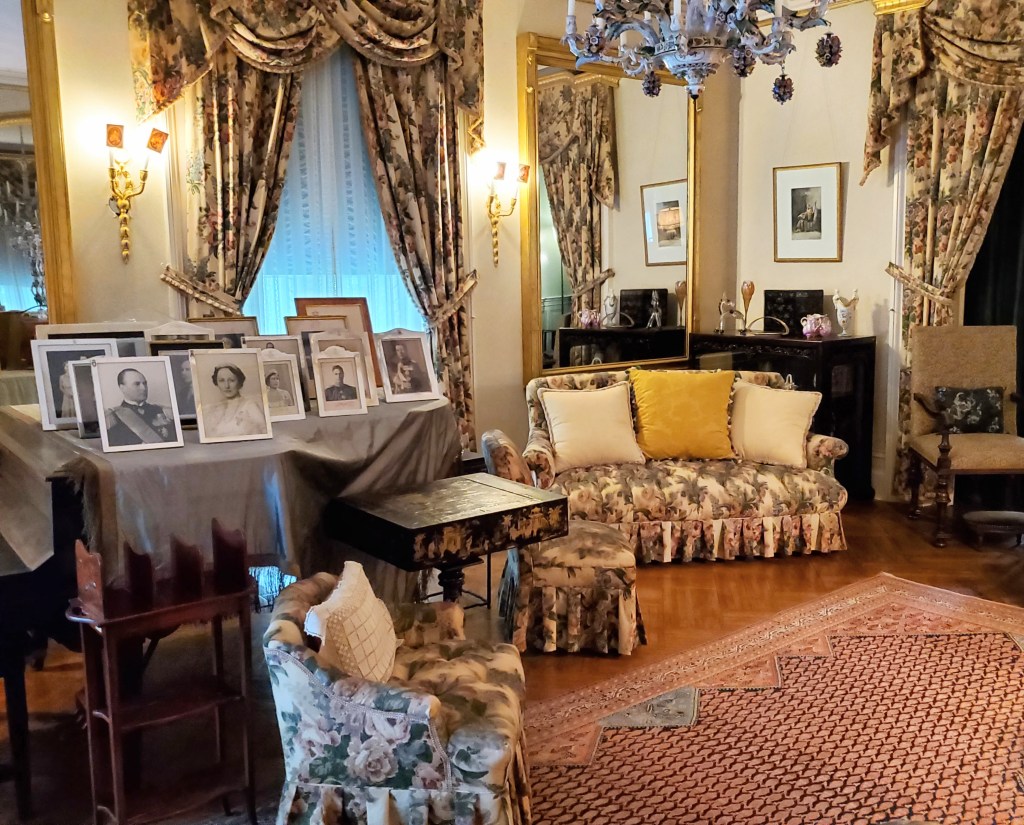
Entry Hall


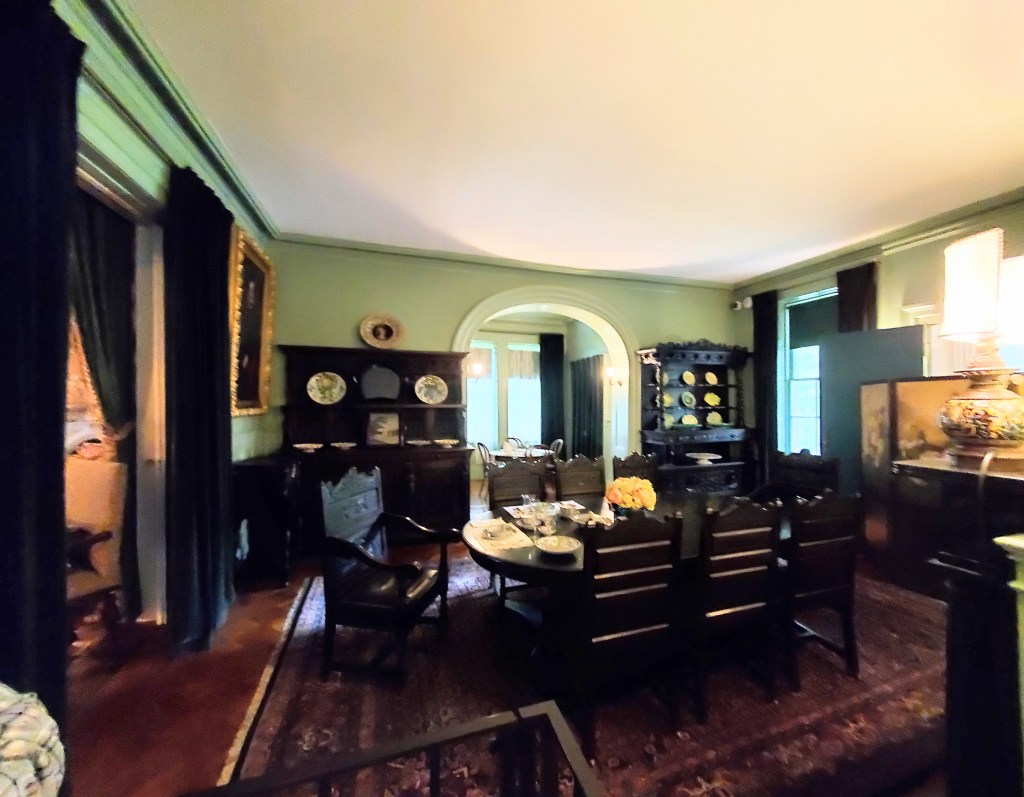
Dining Room.

Music Room

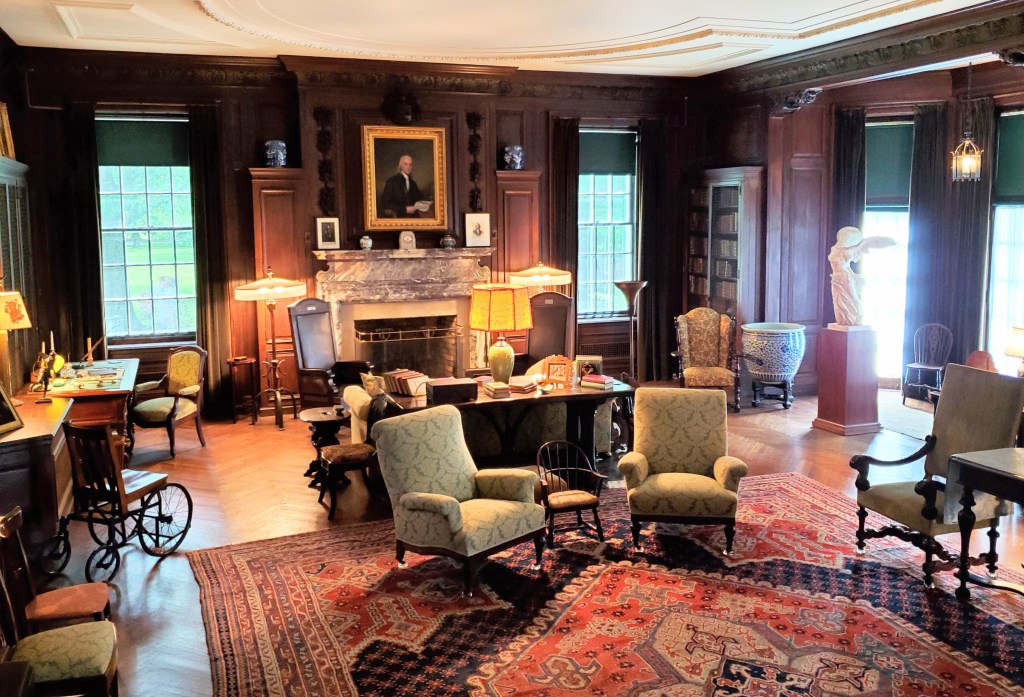
Library/Living Room

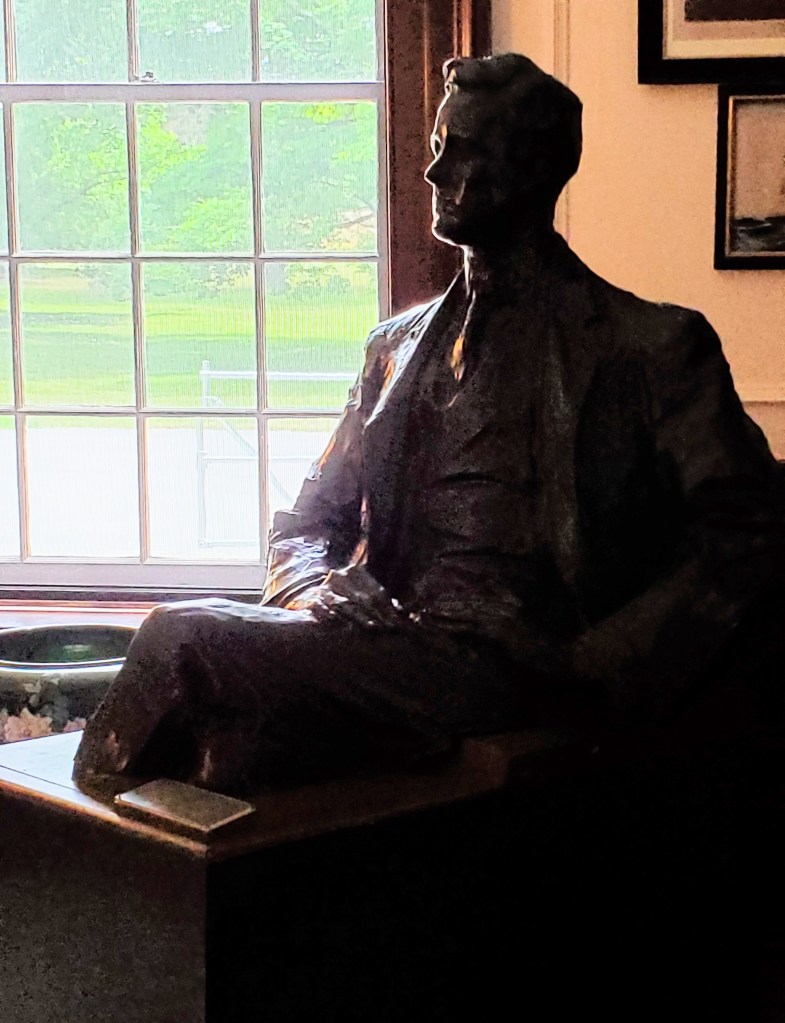
Statue of FDR.


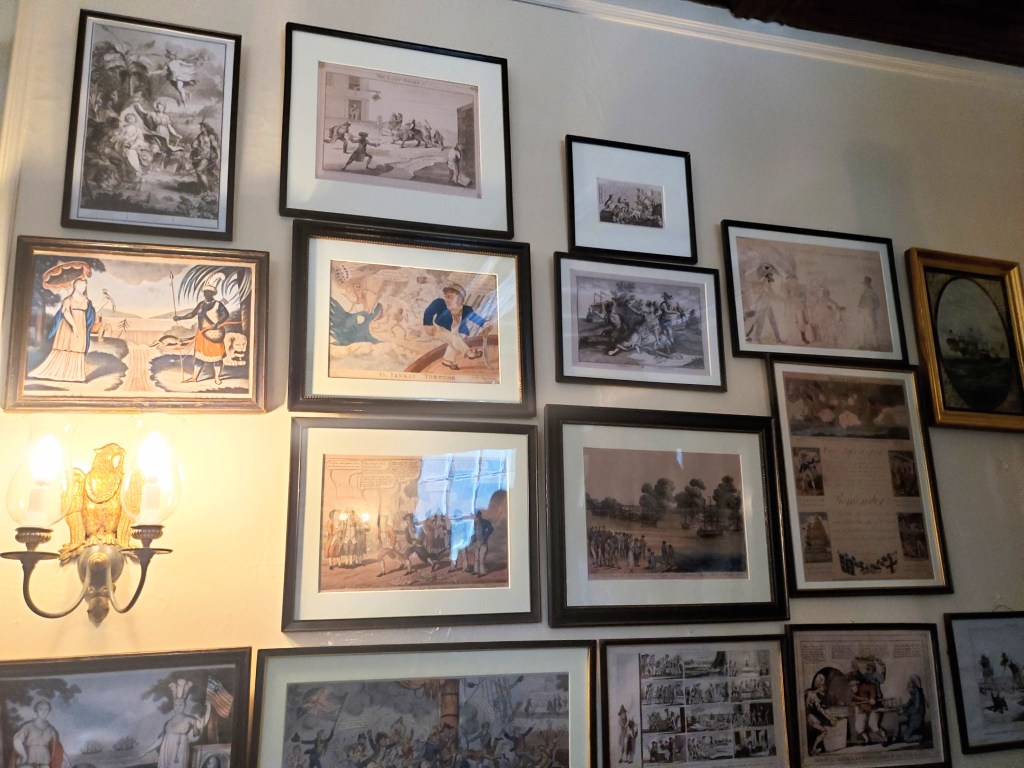
FDR’s Collection on Anti-British cartoons. Apparently King George was amused

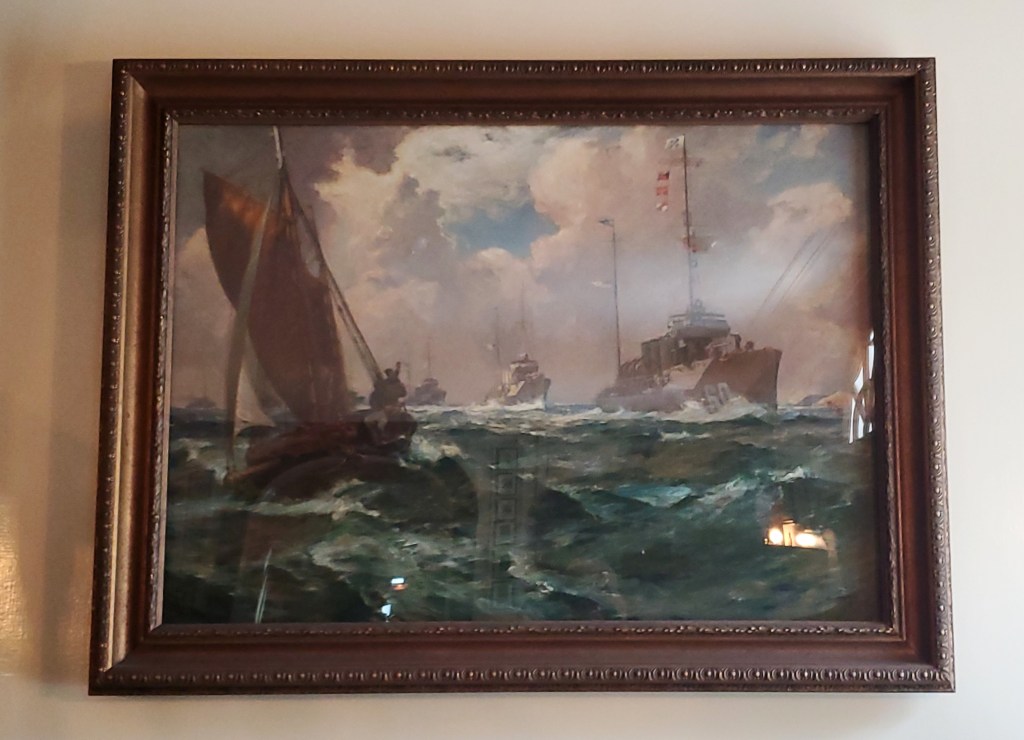
Return of the Mayflower

Located on landing to 2nd Floor. One of FDR’s favorite naval paintings

Lift for luggage. FDR used to pull himself in his wheelchair to the 2nd and 3rd floors.


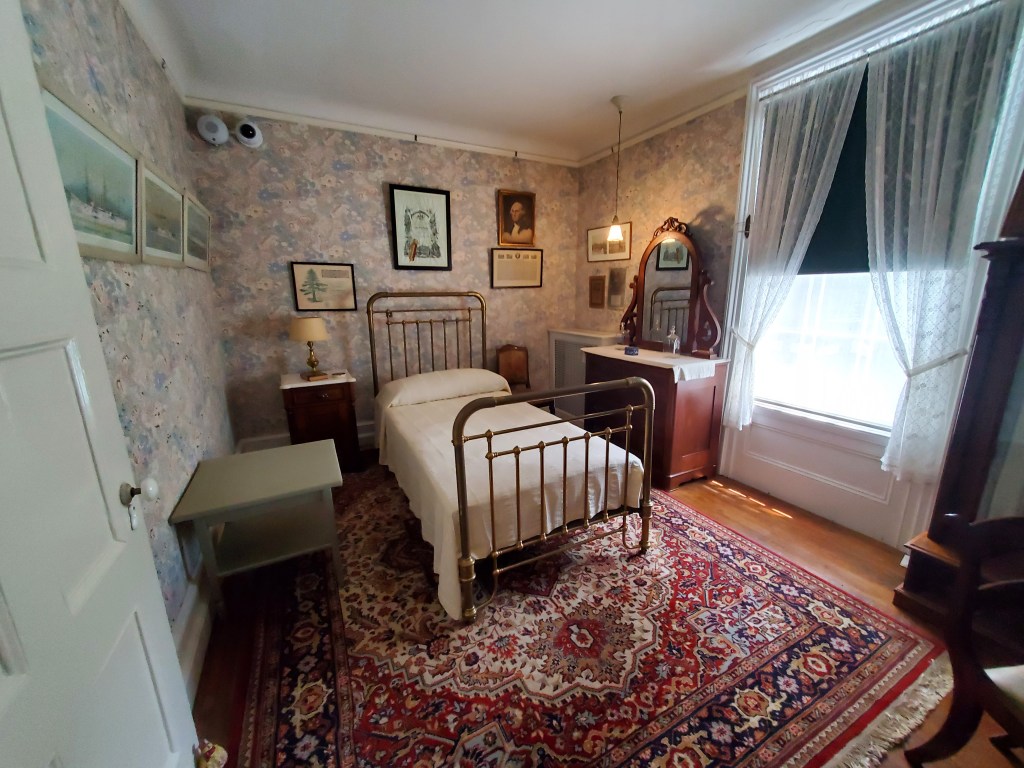
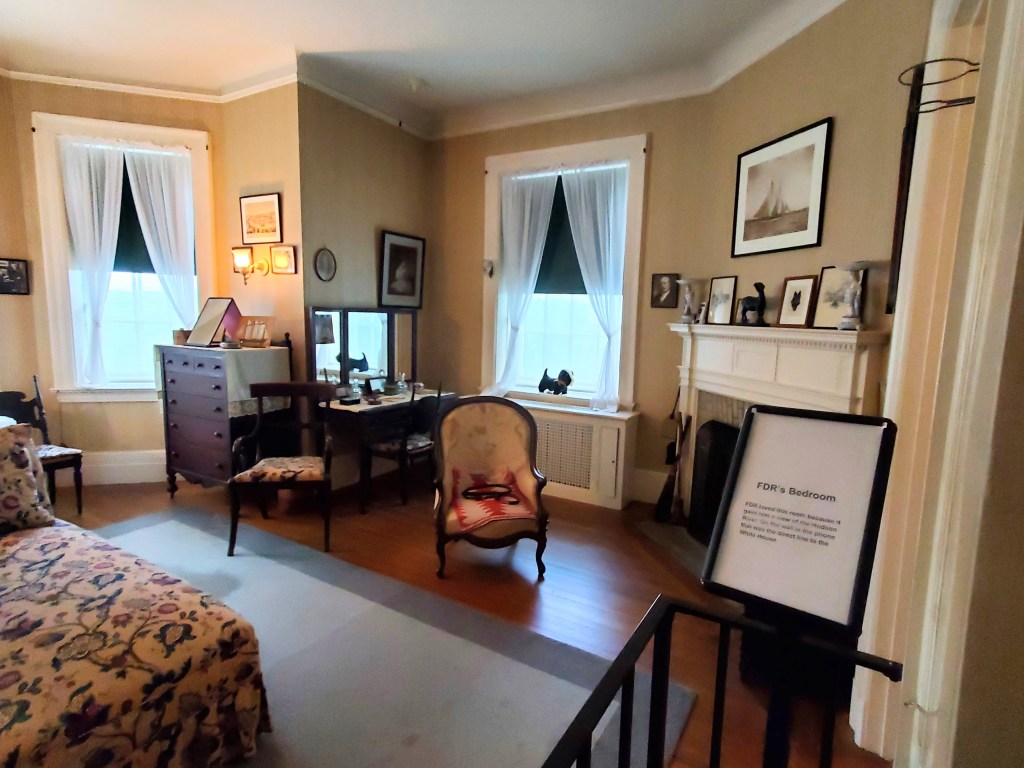
FDR’s bedroom

In his bedroom is chair where Fala slept

Closet with famous boat cloke. Wheelchair was kitchen chair with bycycle wheels. His design


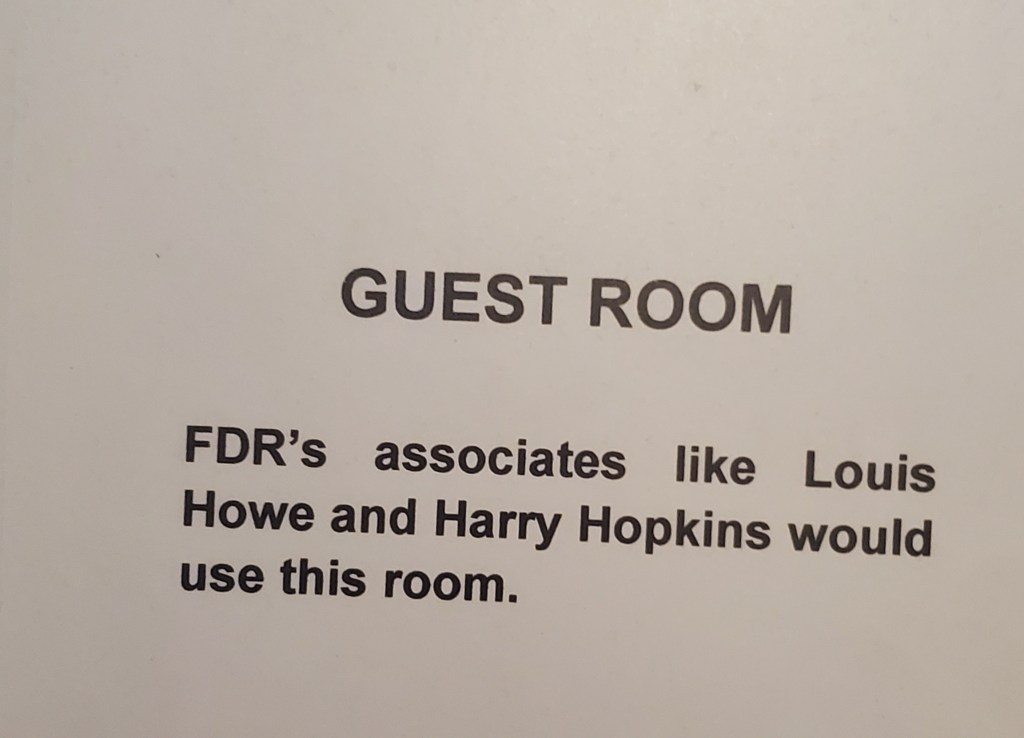
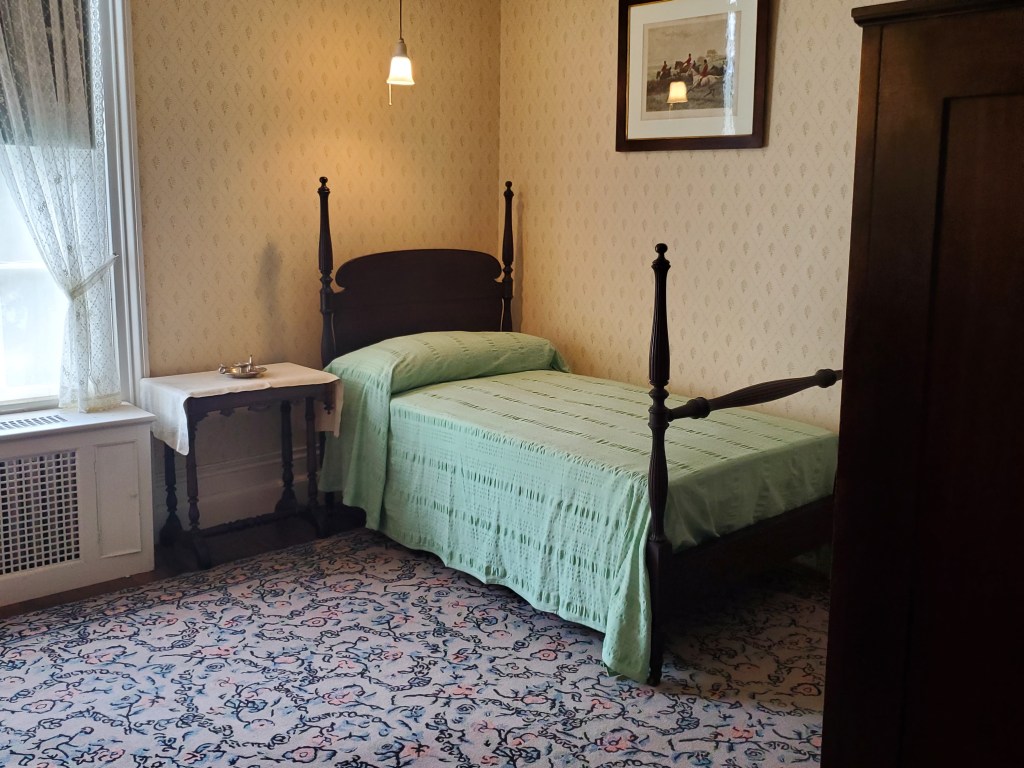
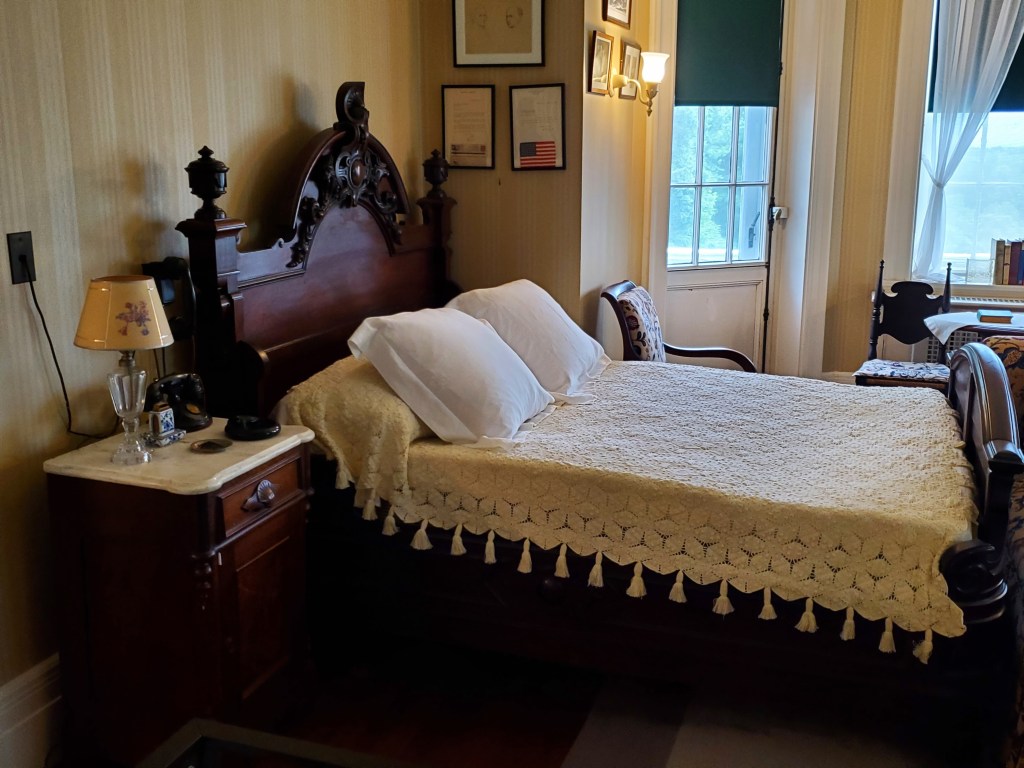
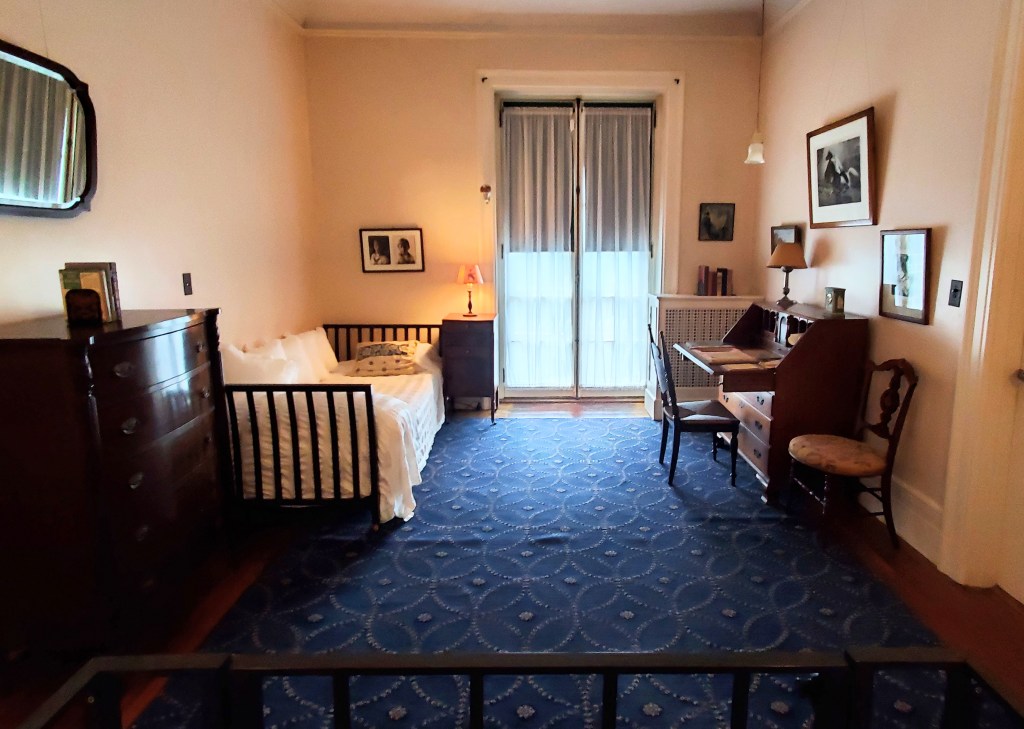
Sara’s bedroom


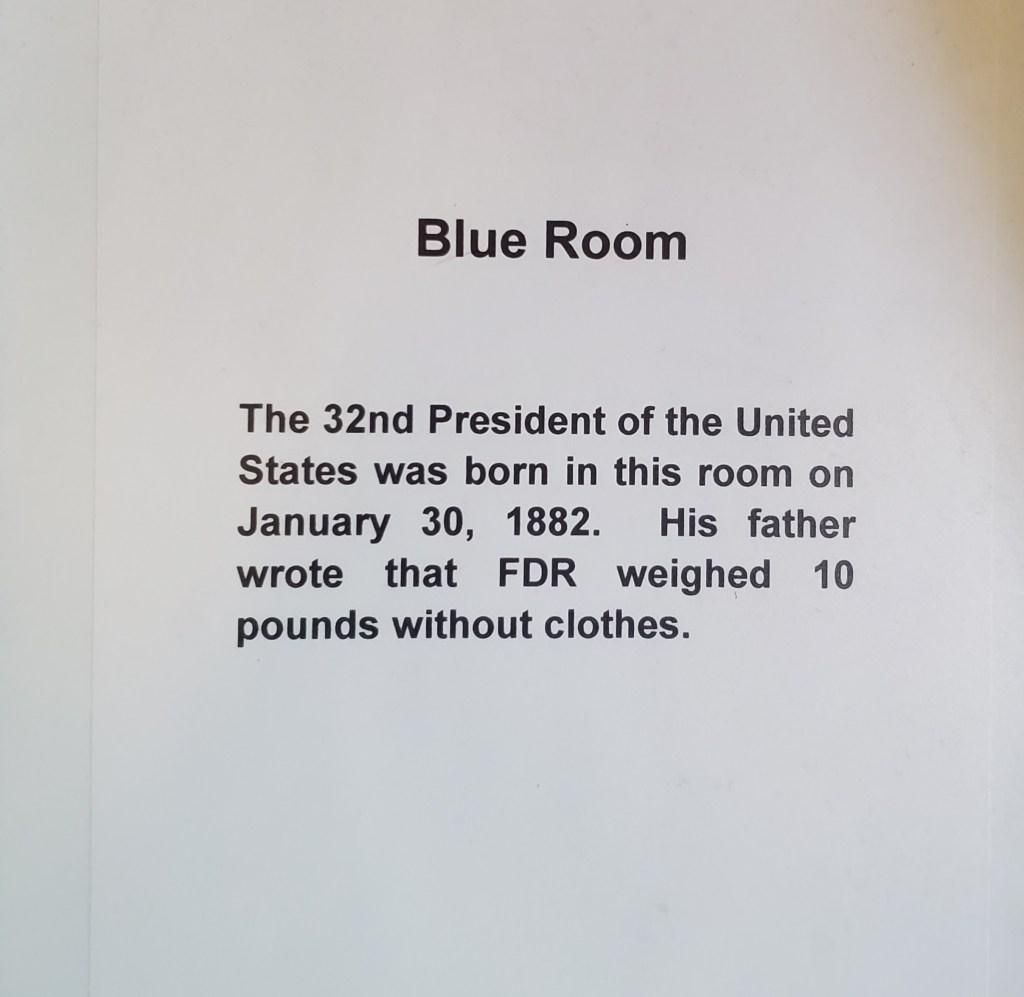
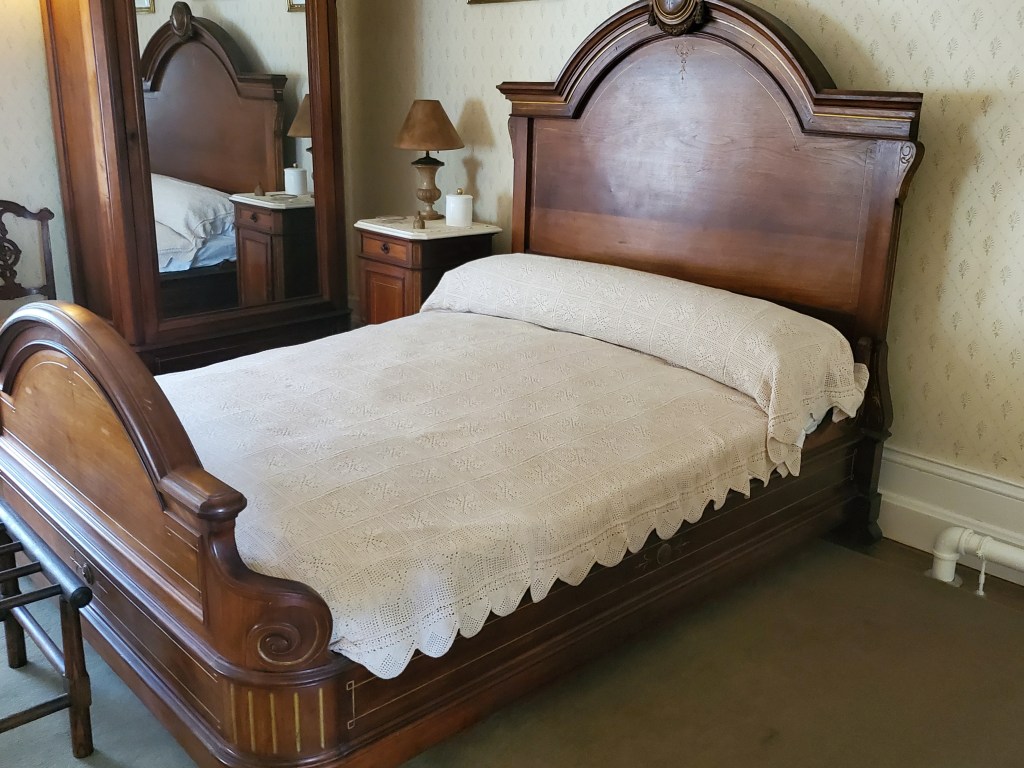
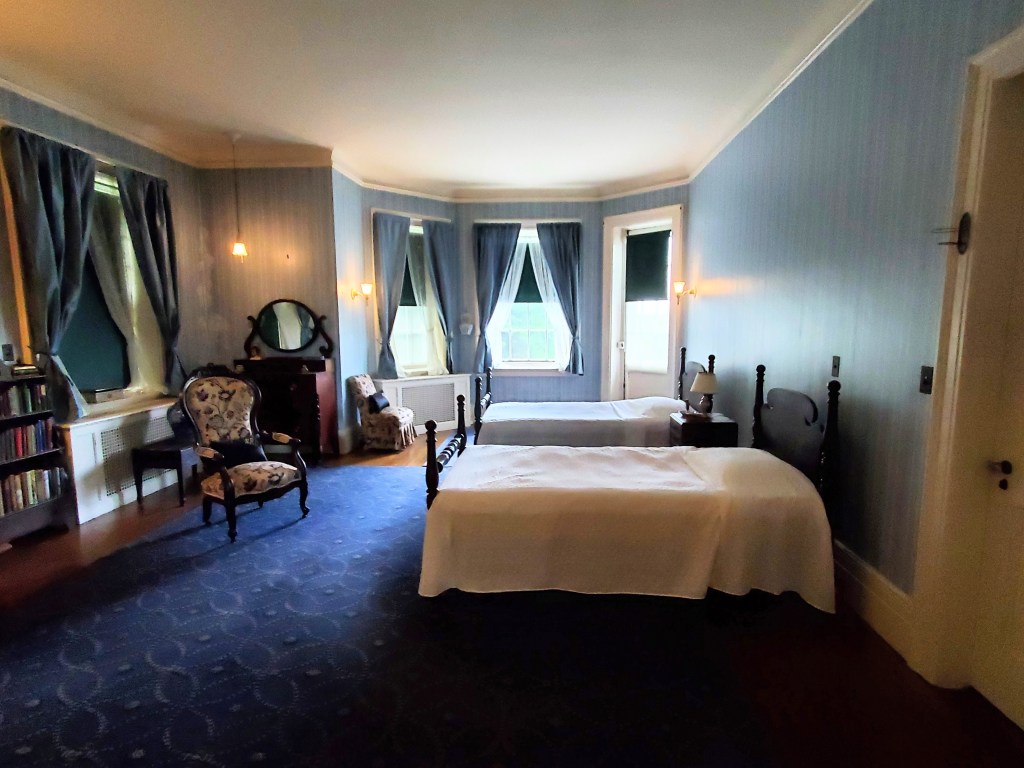
Eleanor’s bedroom

FDR’s study. Not included in tours, but I managed to see on way out a side door.

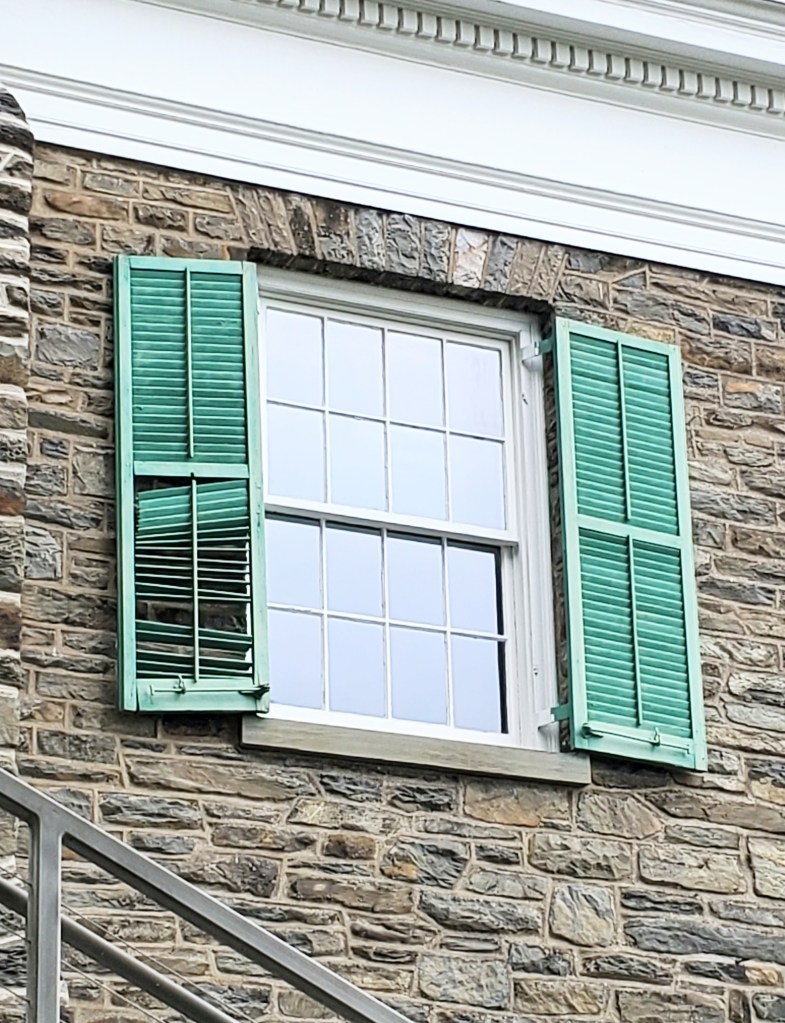
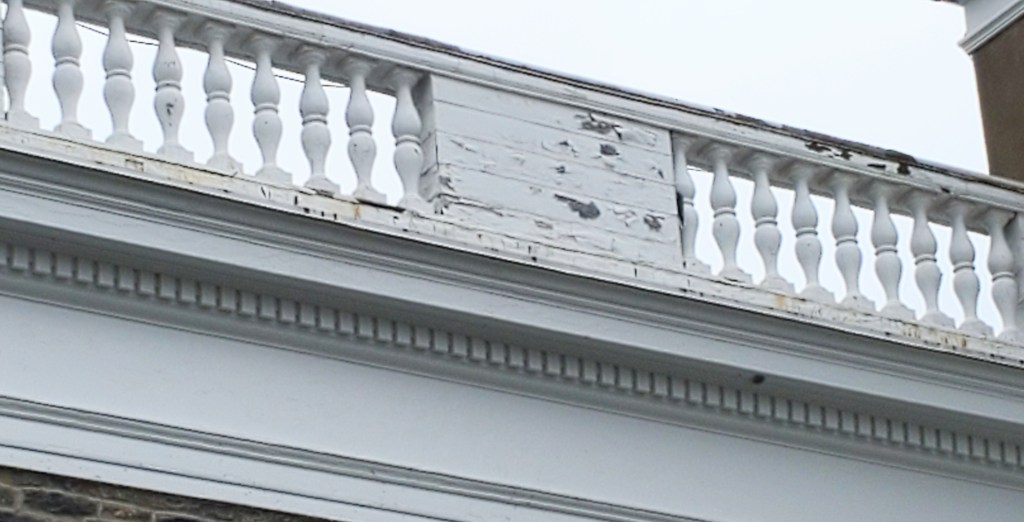
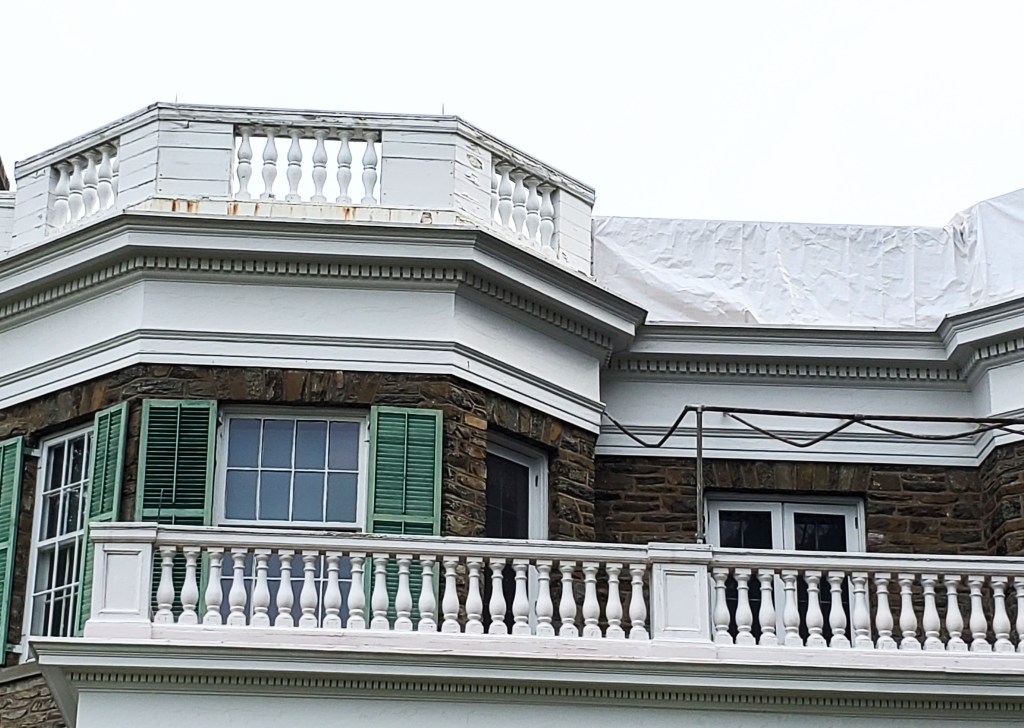
Exterior in need of repair.

During Covid, the interior of the home was refreshed and repaired. No longer ceilings covered in blue tarp. Yay!! Hopefully repairs on exterior will be next

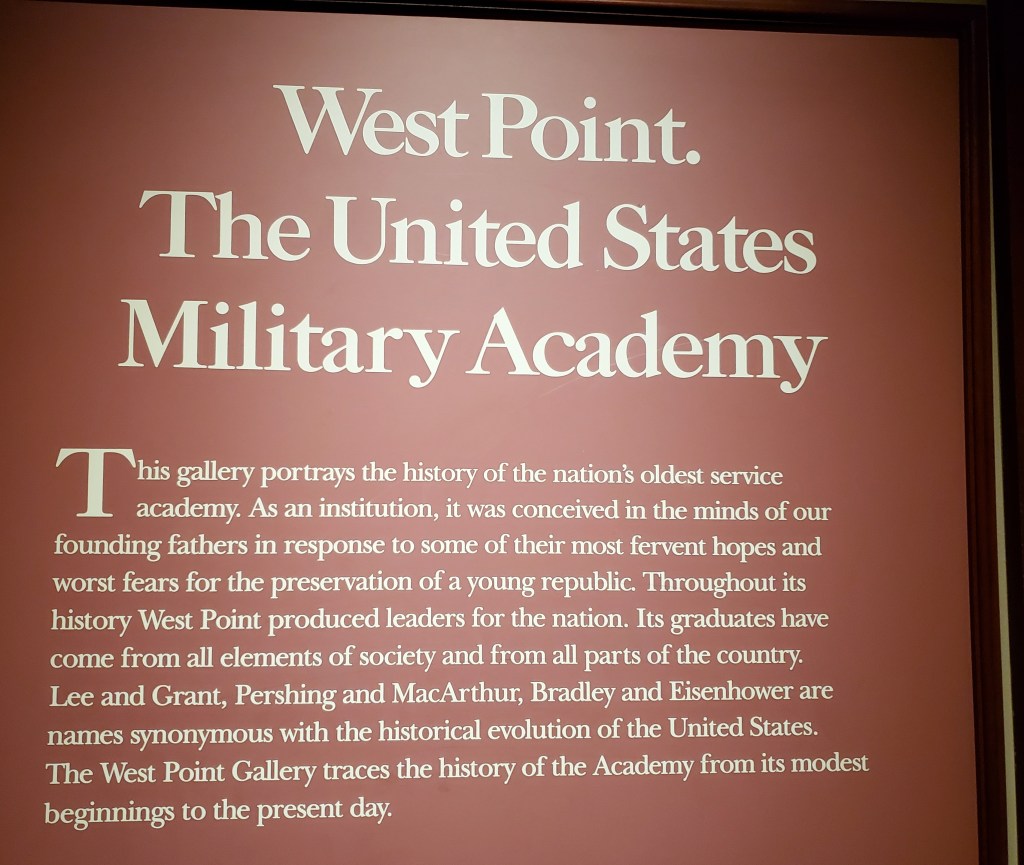
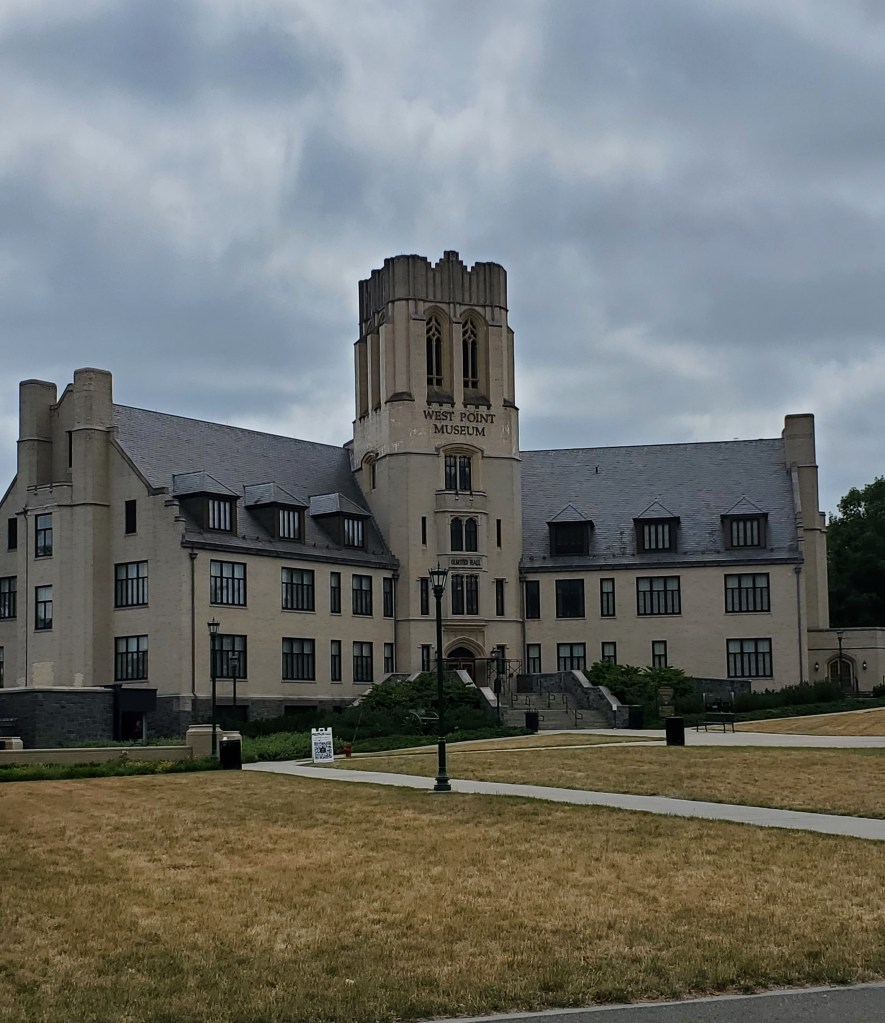
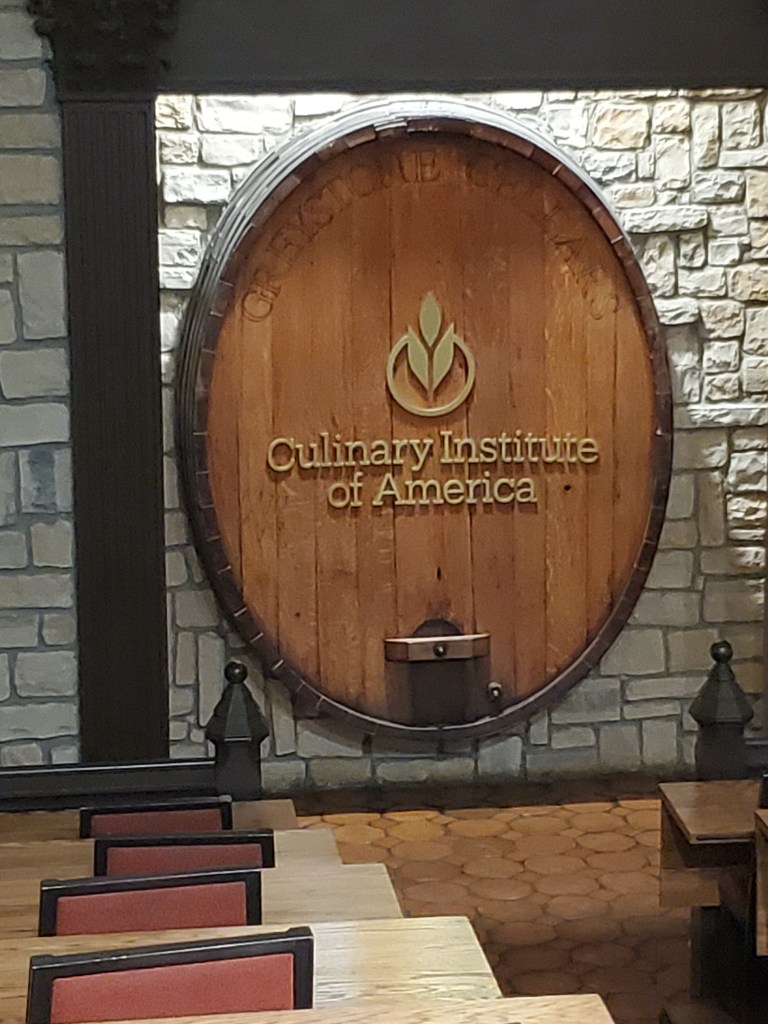
West Point, Walkway over the Hudson, Dinner at Bocuse(CIA)

How we spent Tuesday..another Full day


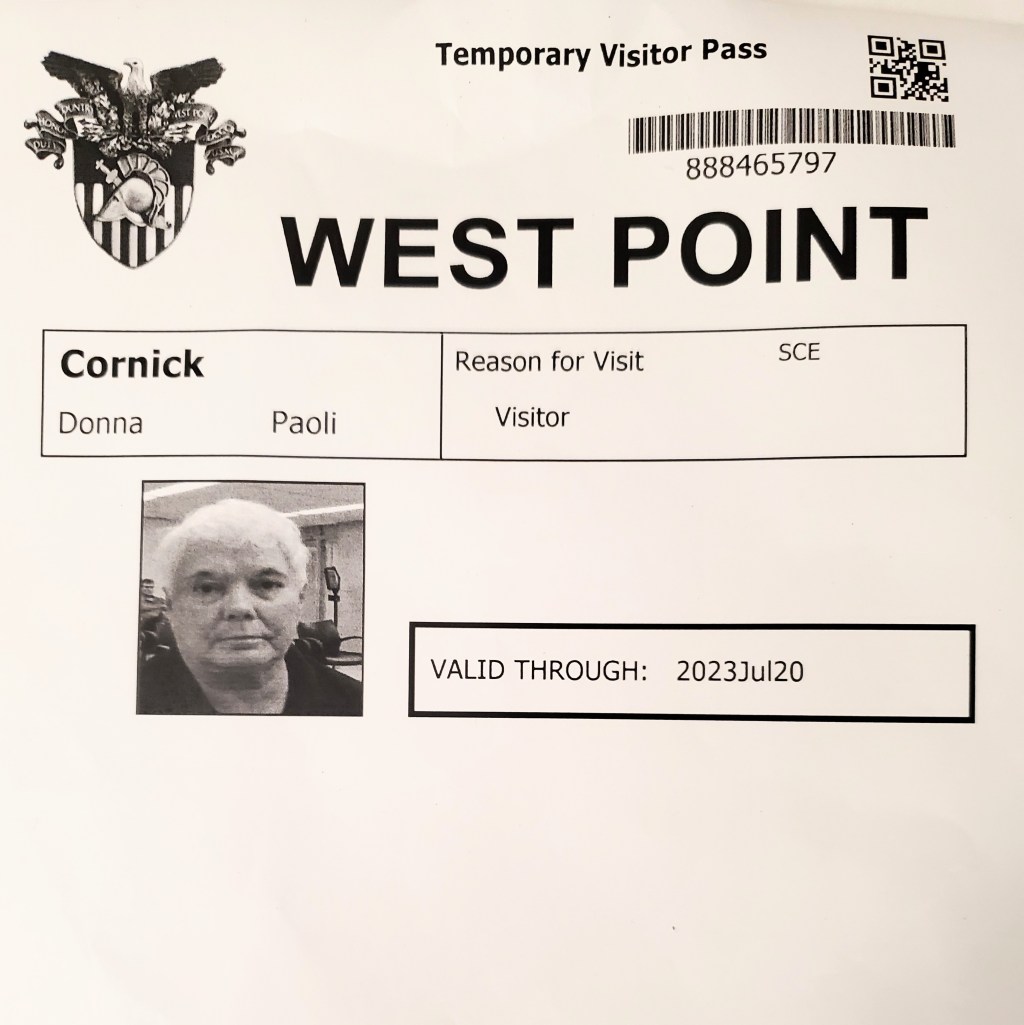
Visitor Control Center
Photo after my background check
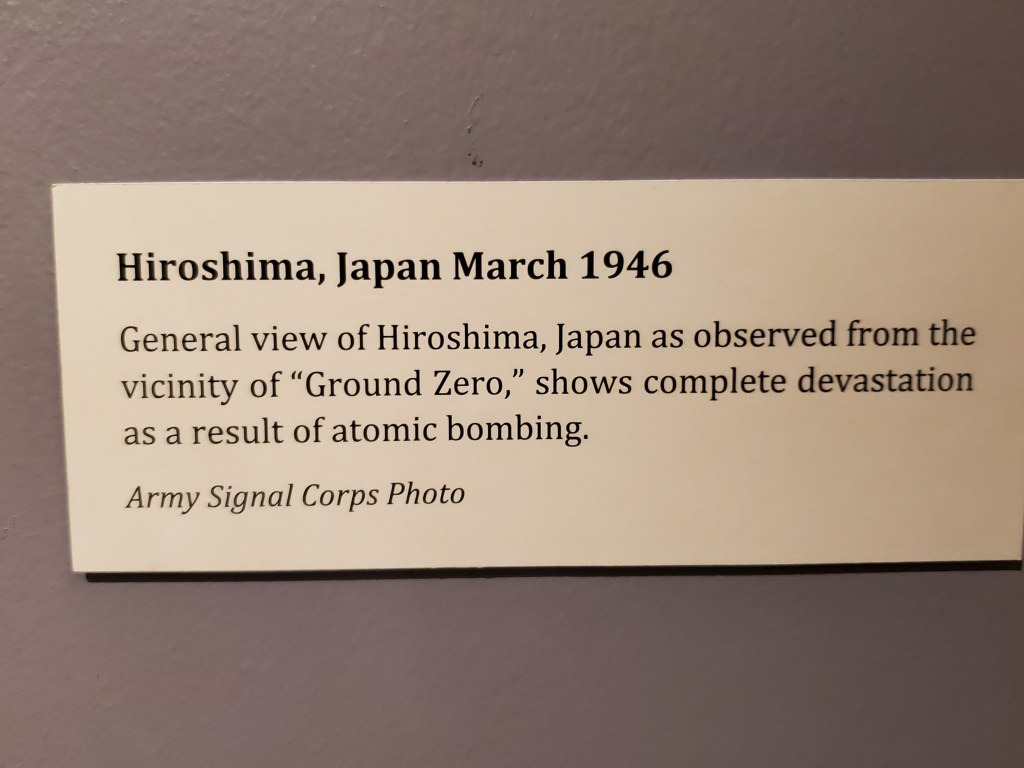
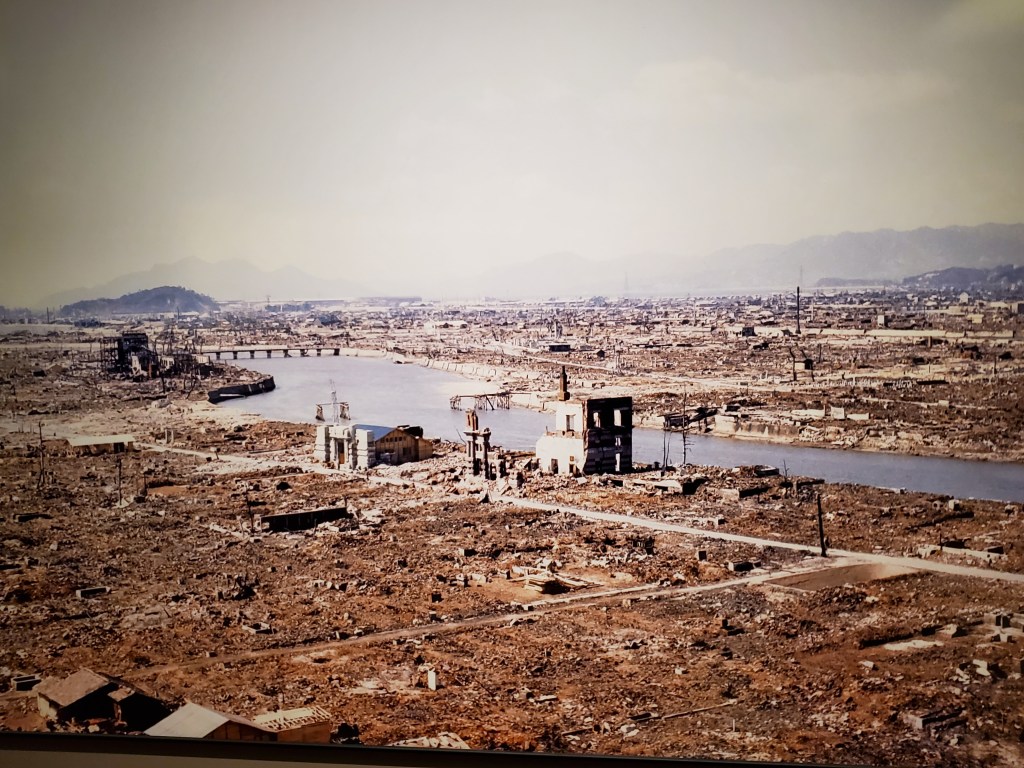
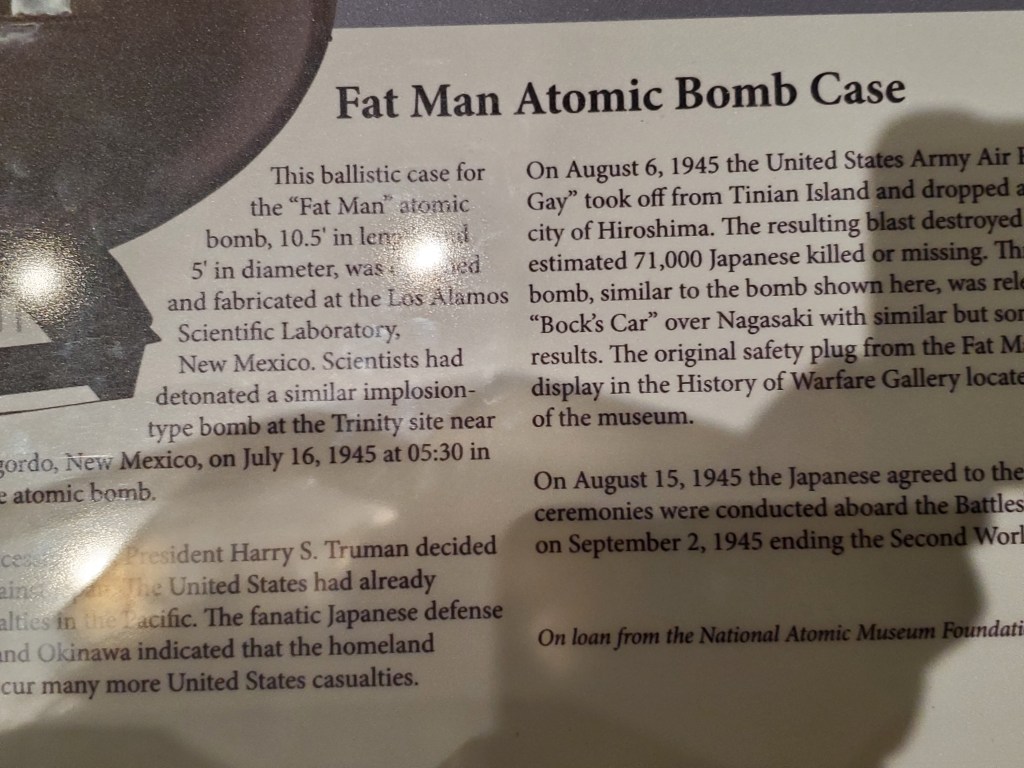
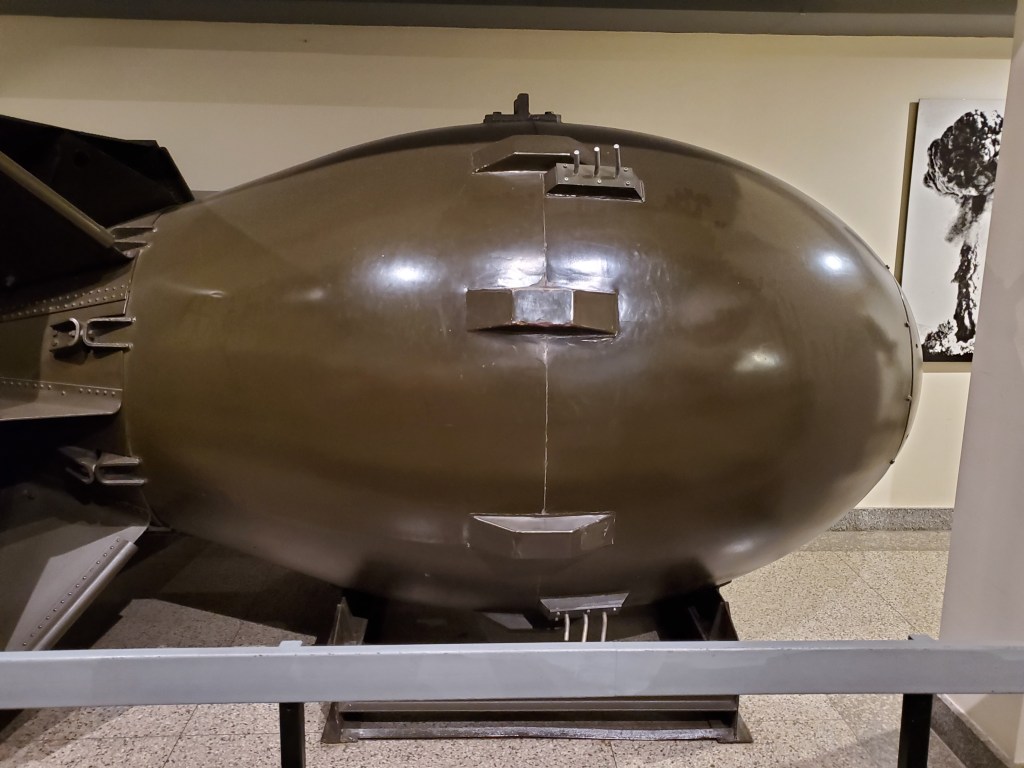
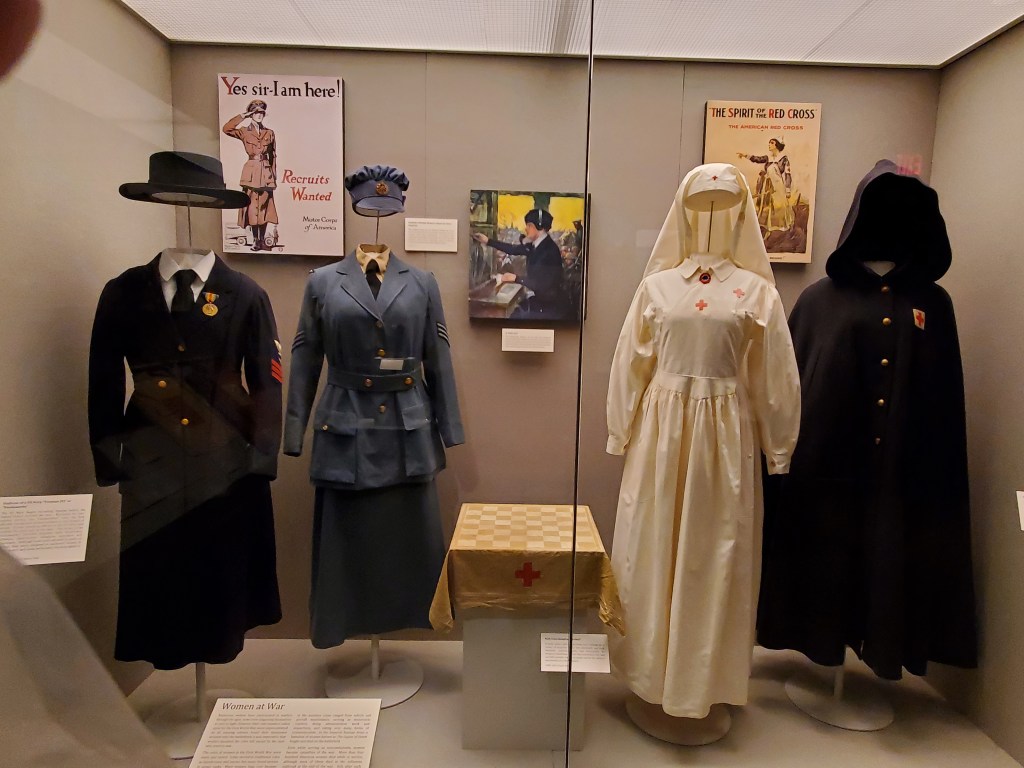
The museum has amazing displays of instruments of war


Women serving
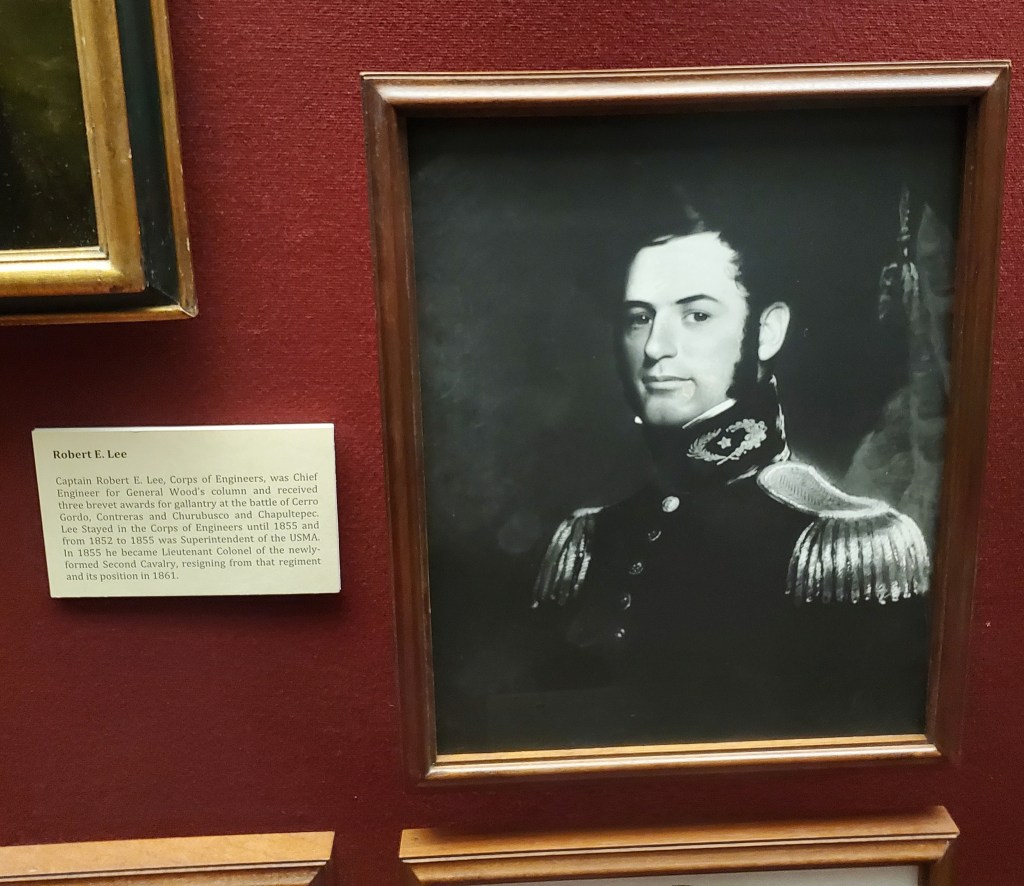
Robert E. Lee
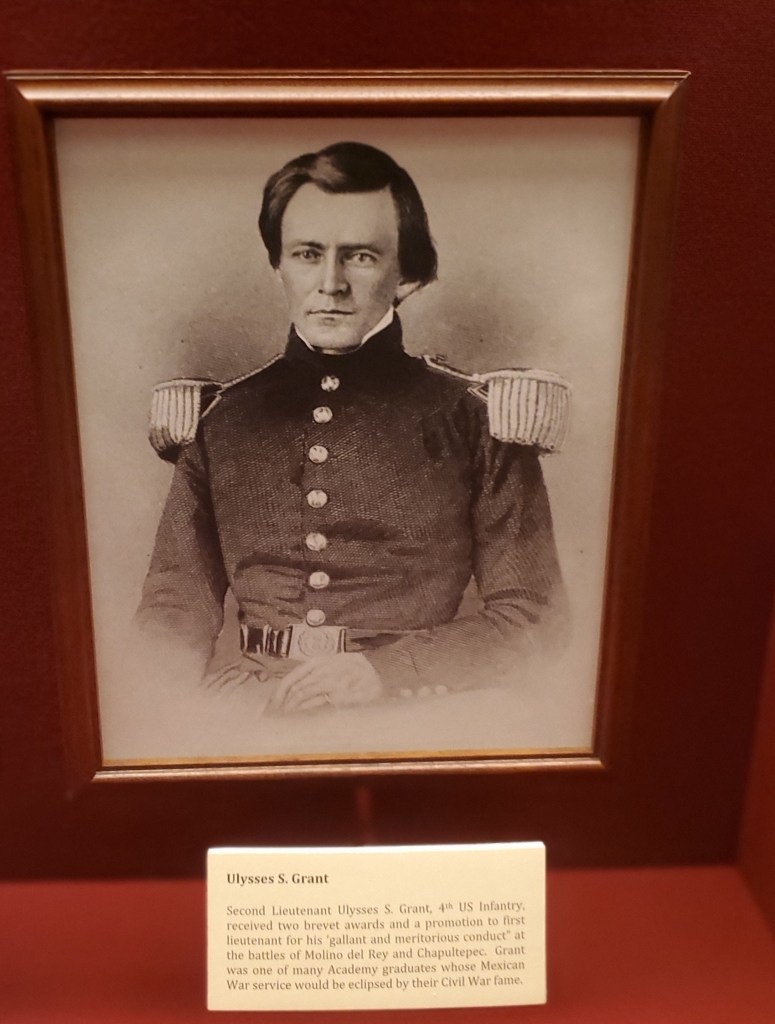
Ulysses S. Grant
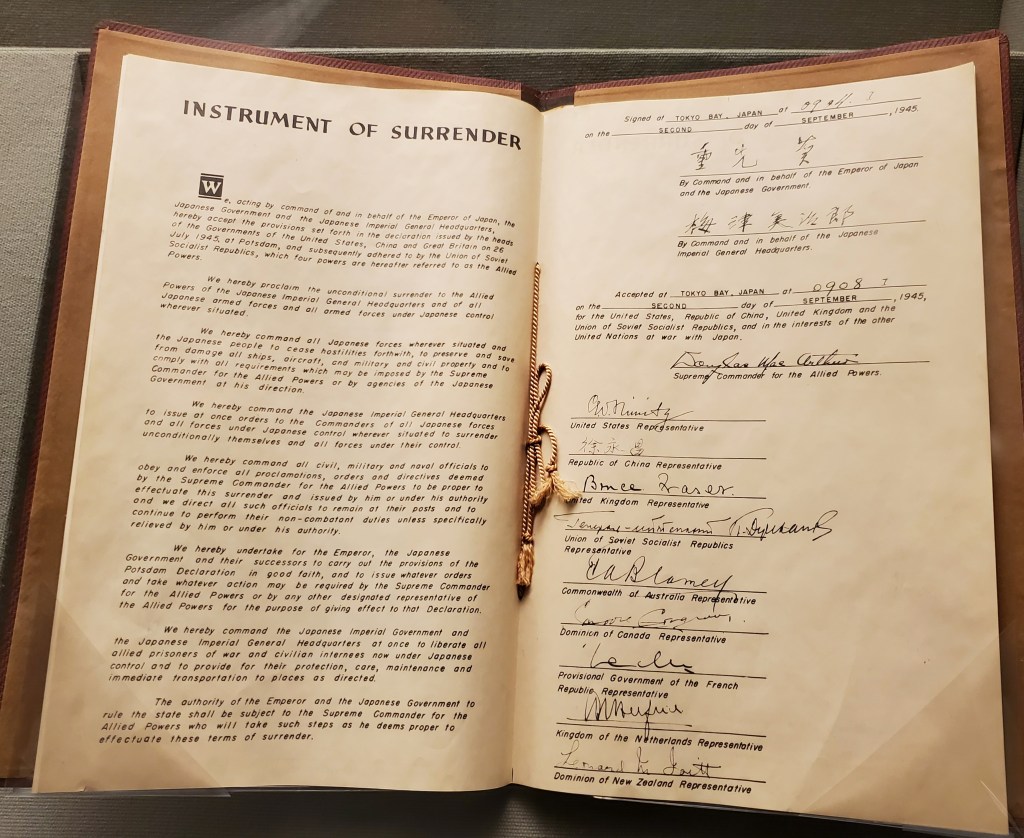
Japanese surrender document
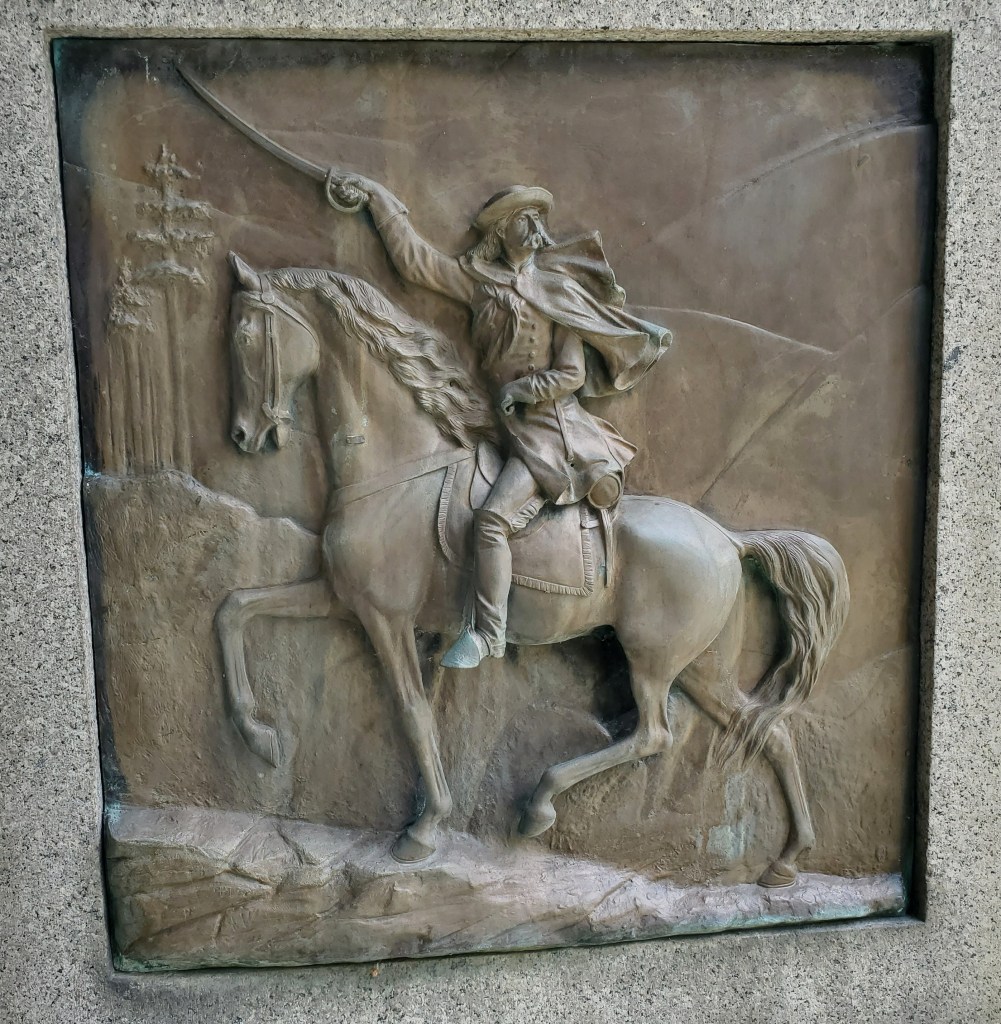
George Custer


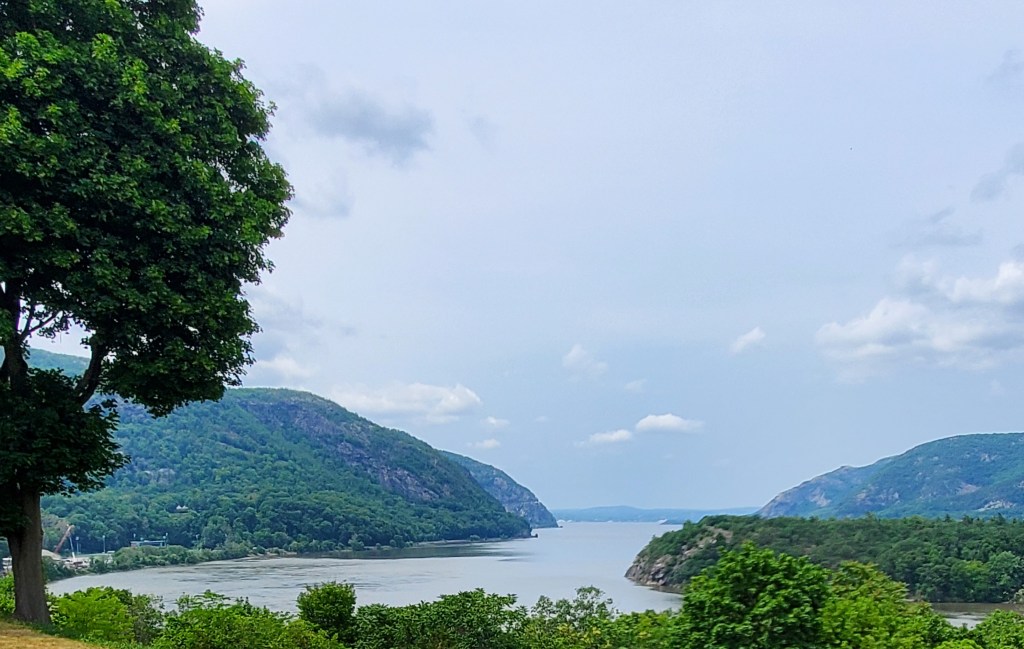
Trophy Point at West Point

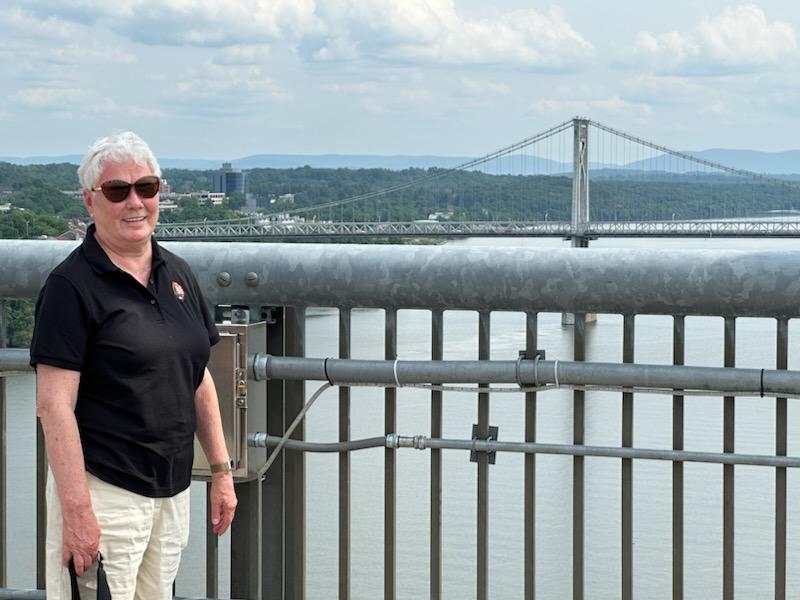
Walkway over the Hudson

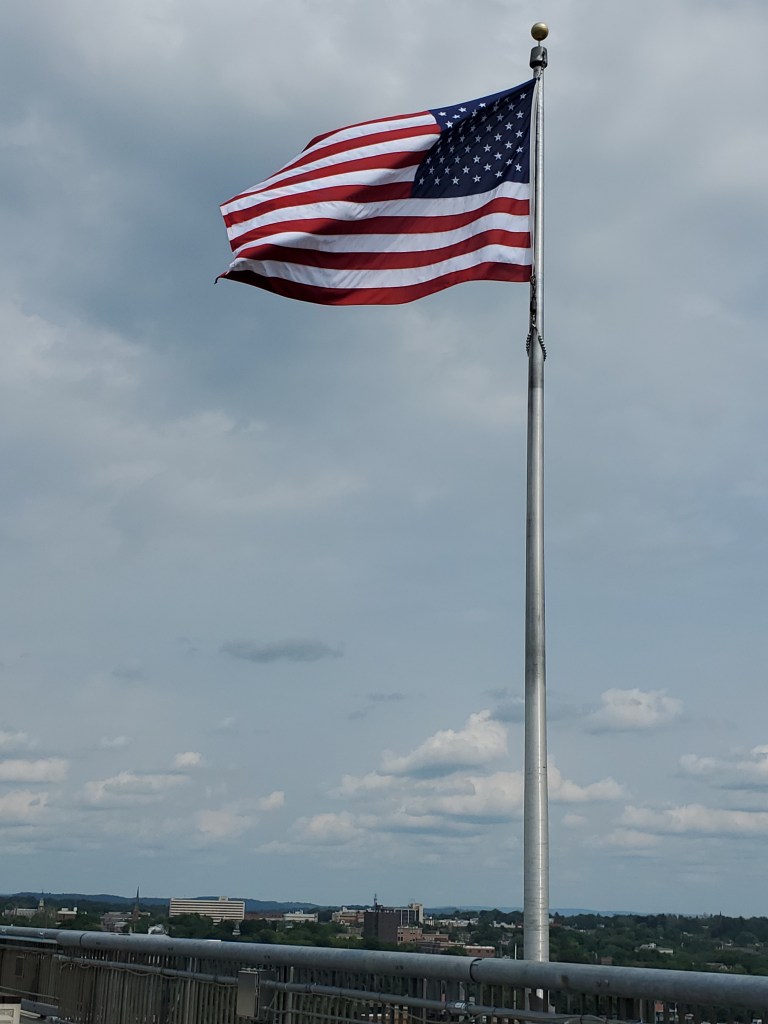
Flqg at Walkway over the Hudson
Scary heights


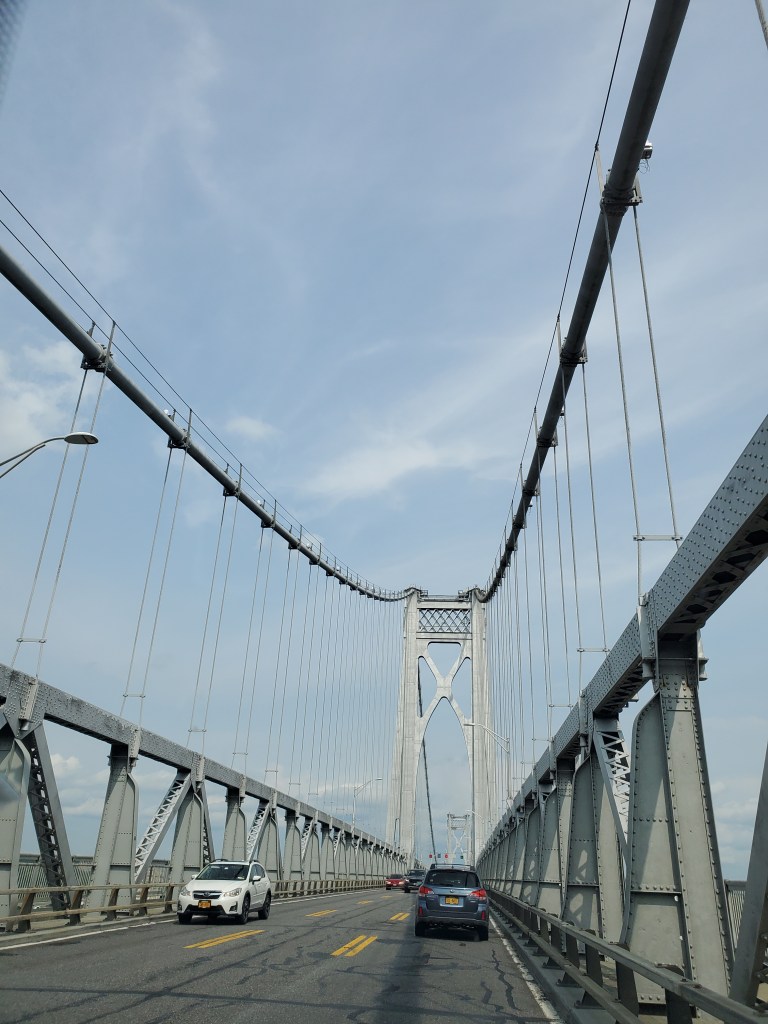
FDR MID Hudson Bridge


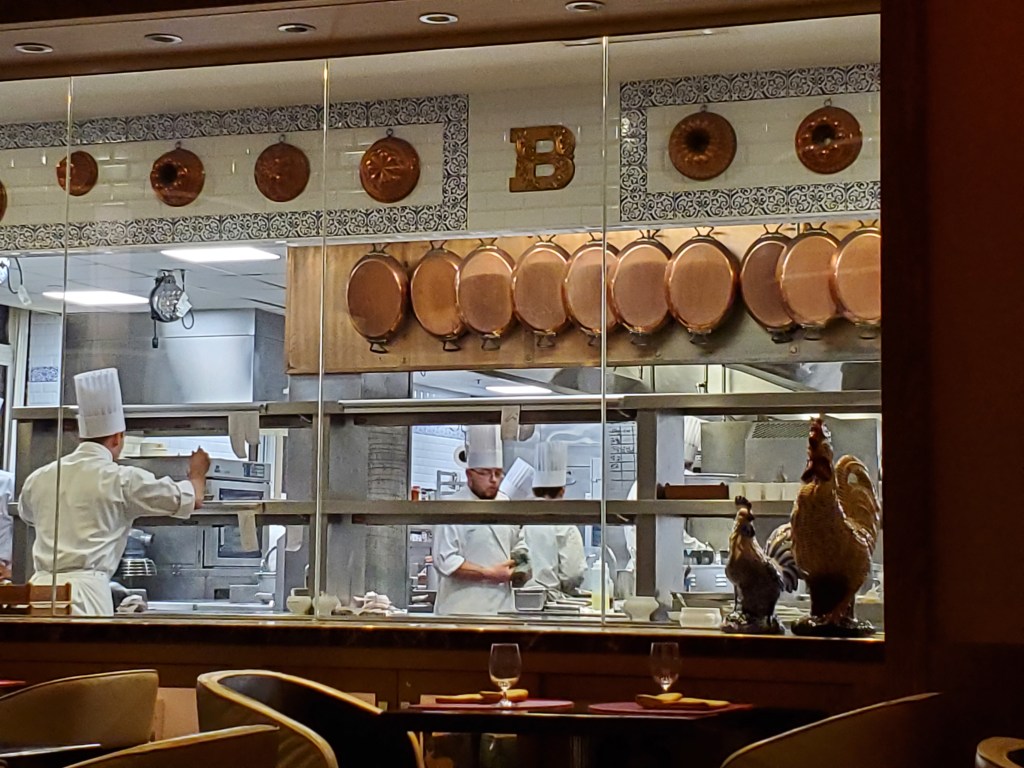
The Chefs at Bocuse. French restaurant at CIA

LES BOULETTES D’AGNEAU
Lamb Meatballs, White Bean Stew, Preserved Lemon Yogurt

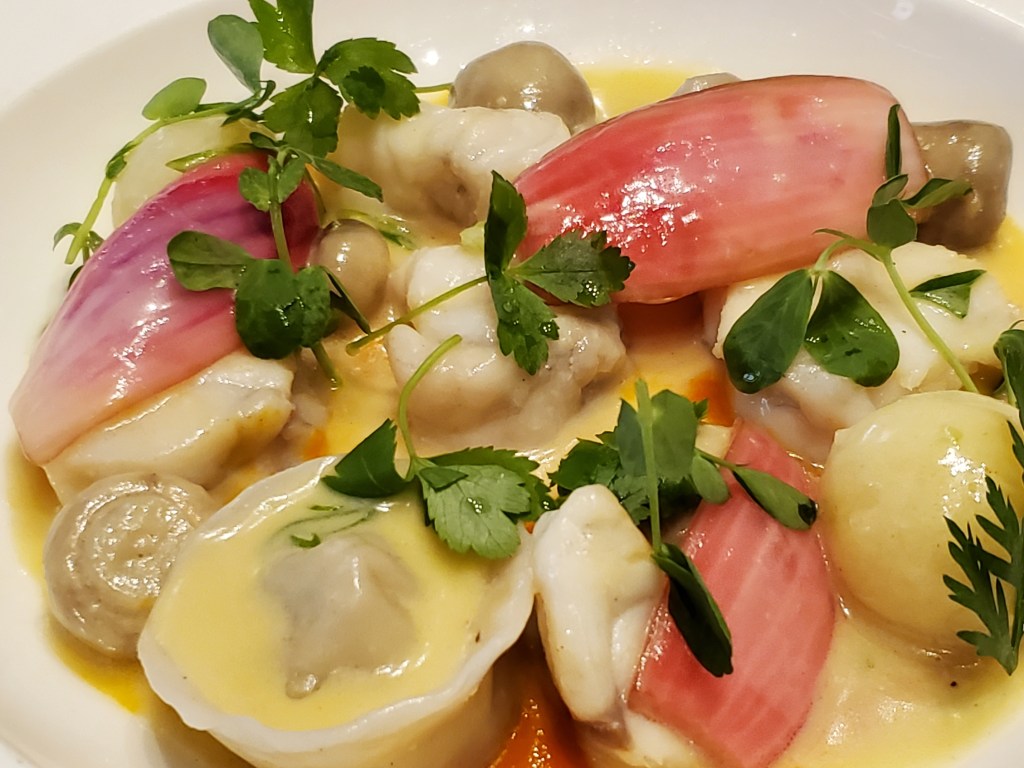
FRICASSÉE DE LOTTE
Monkfish, Shrimp Dumpling, Potato, Pickled Ramps, Mushroom

LE GÂTEAU DE CRÊPES
Crêpe Cake, Mascarpone Cream Filling, Seasonal Sauce & Sorbet

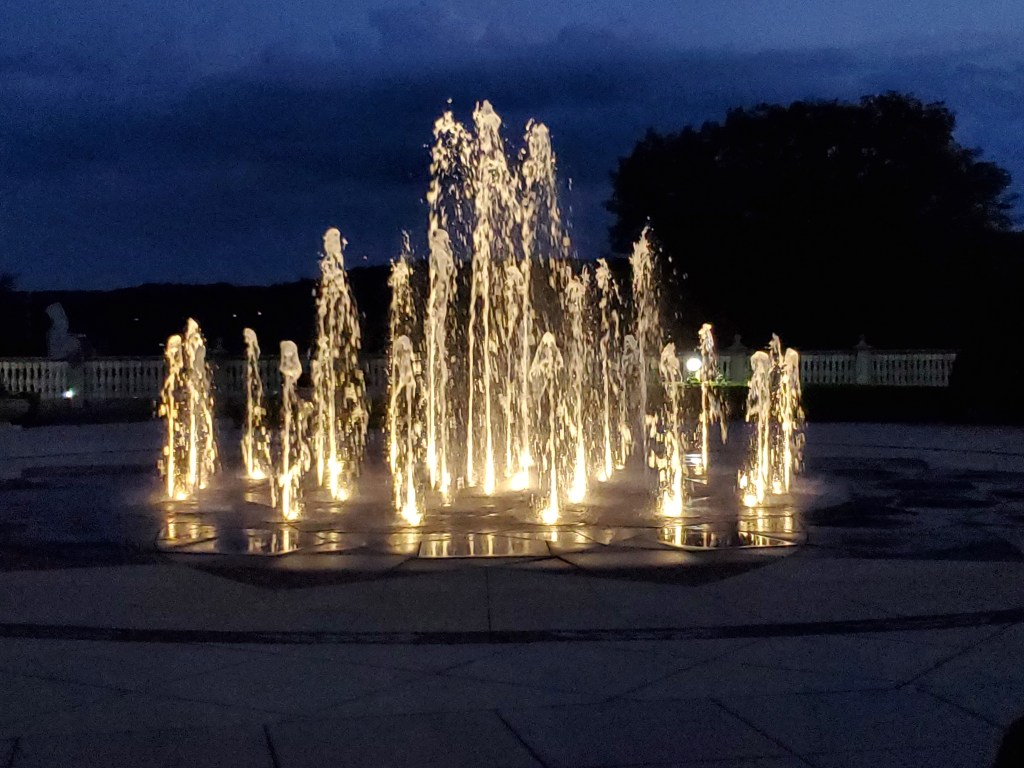
Fountain at CIA

Cruise down the Hudson, Val Kill, St. James, Hyde Park RR Station

After that all day trip to NYC on Sunday, we needed a relaxing day on Monday..thus the cruise

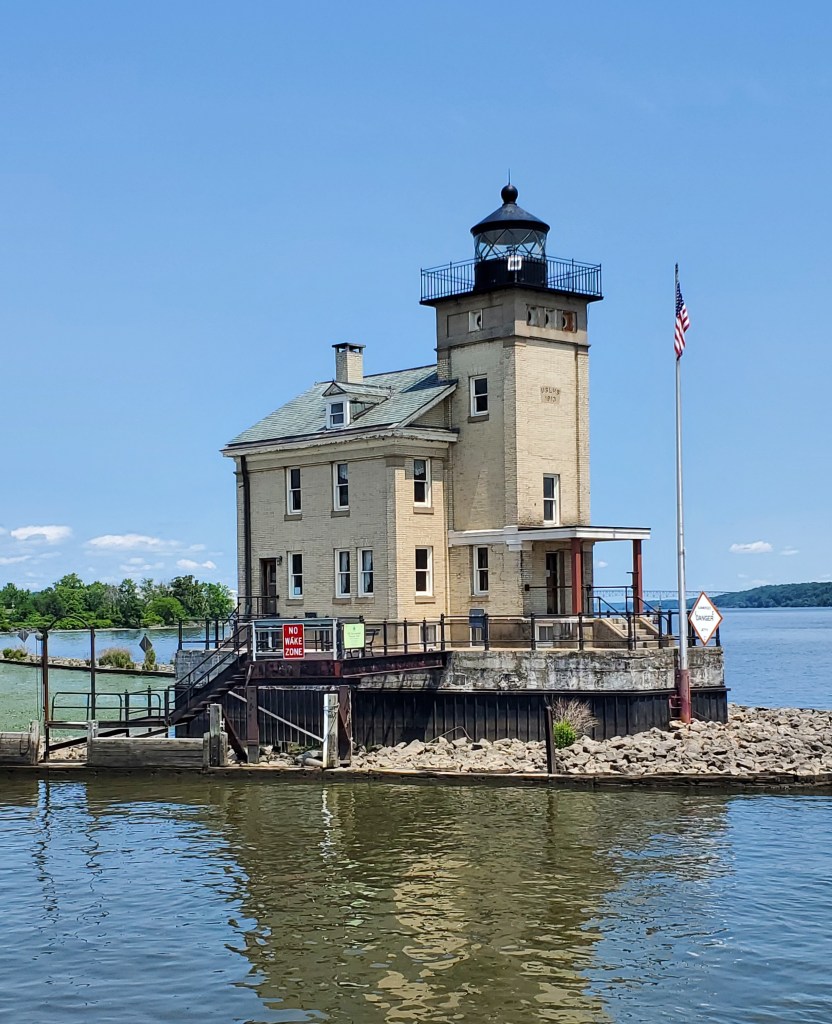
Took relaxing cruise down the Hudson
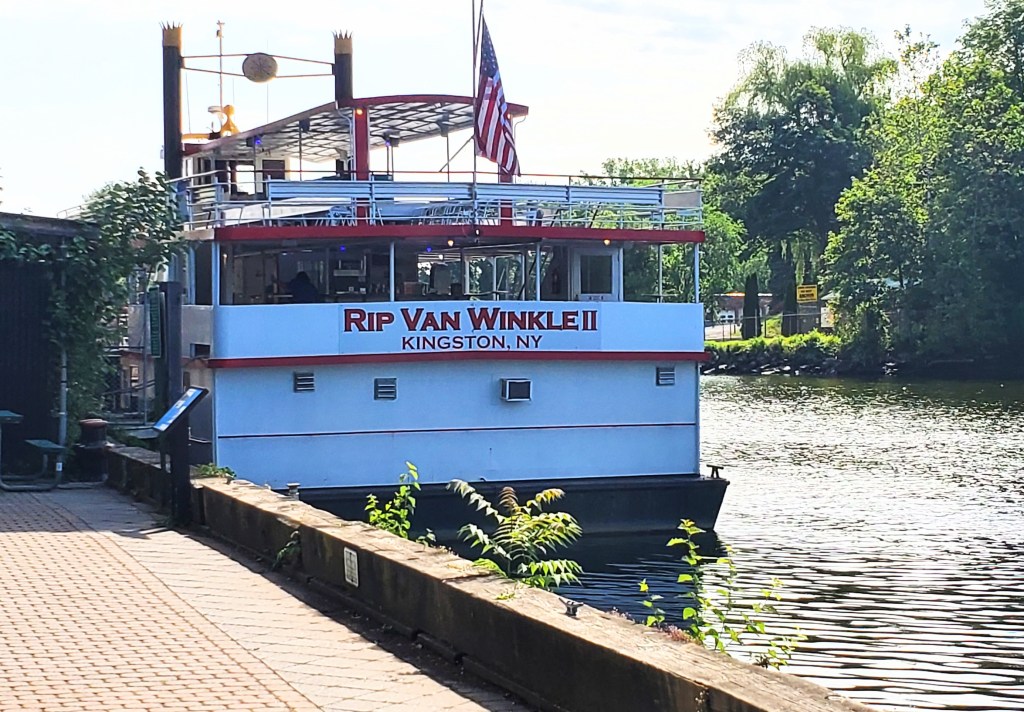
Rip Van Winkle


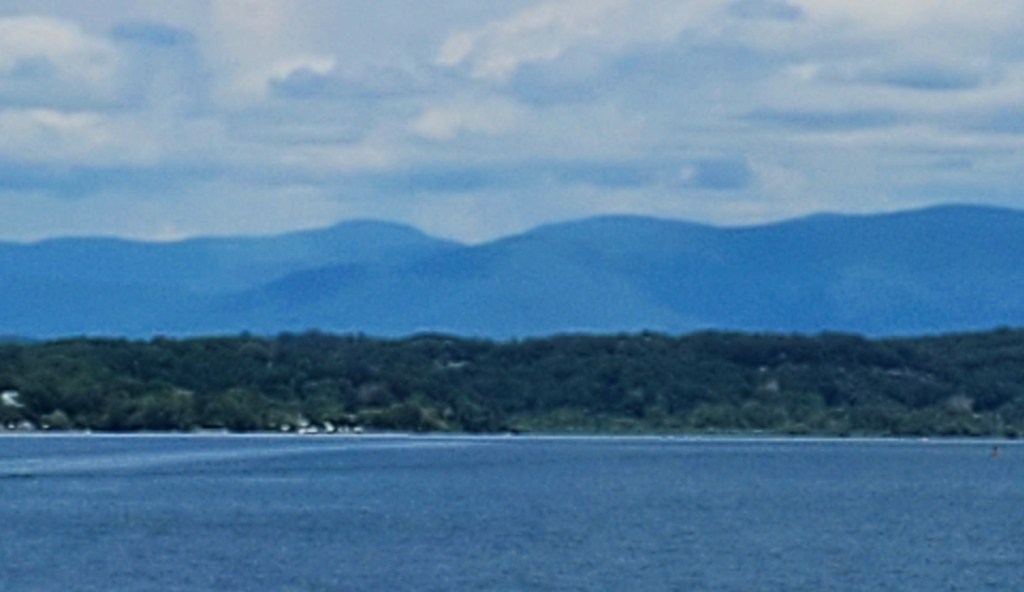
Catskills Mts.
Ole Savannah Restaurant
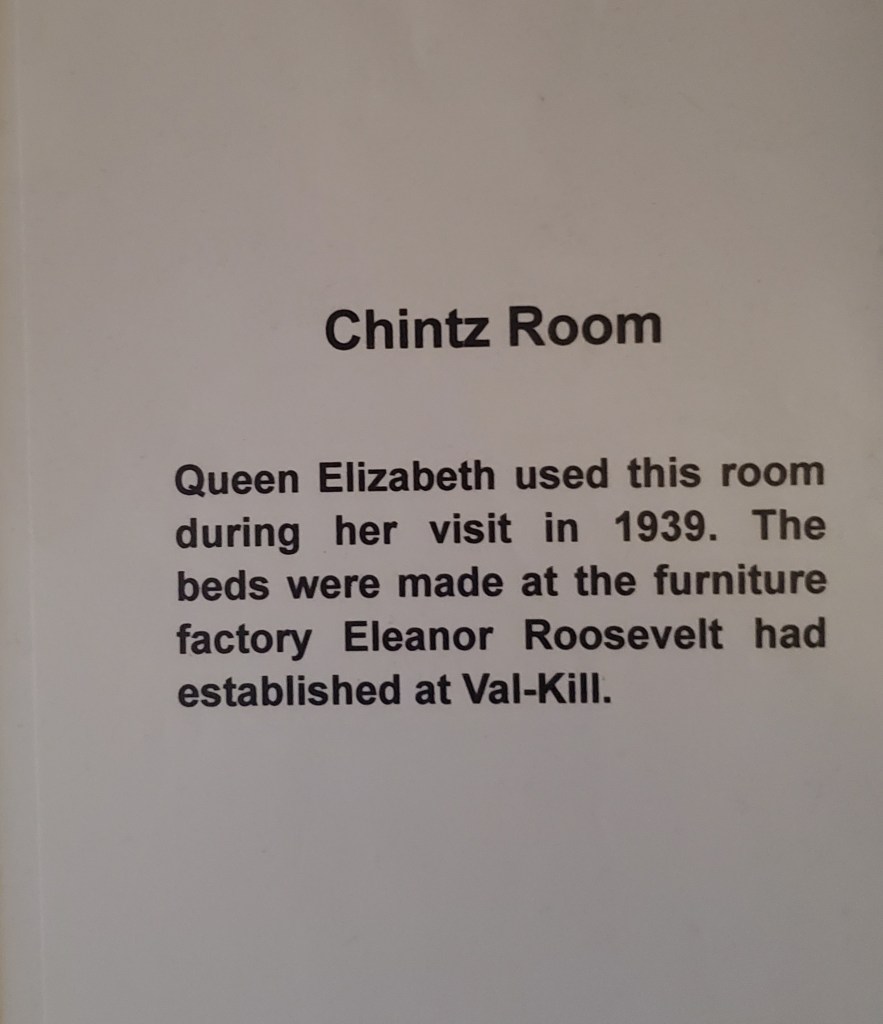
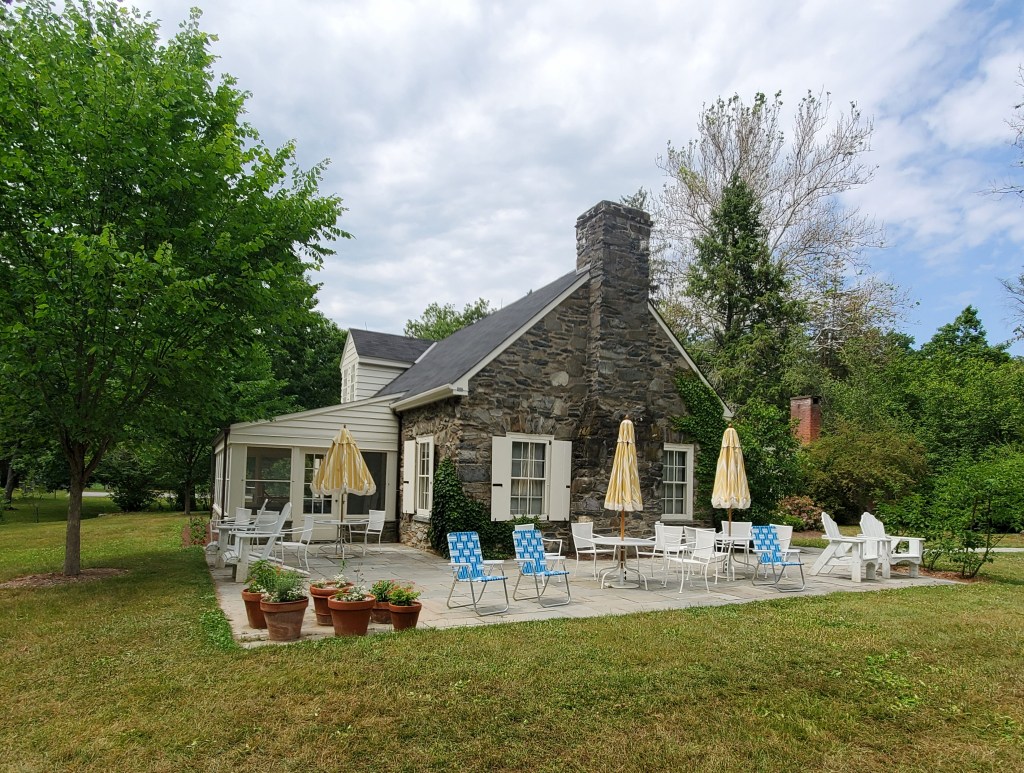
Val Kill
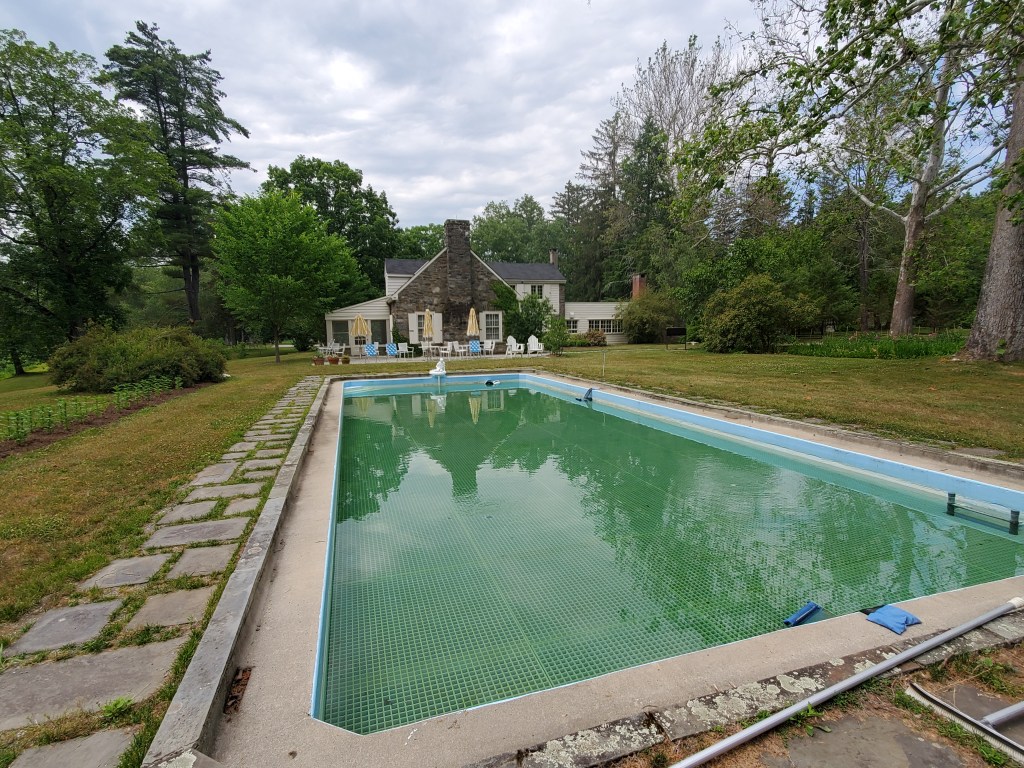
Pool at Val Kill
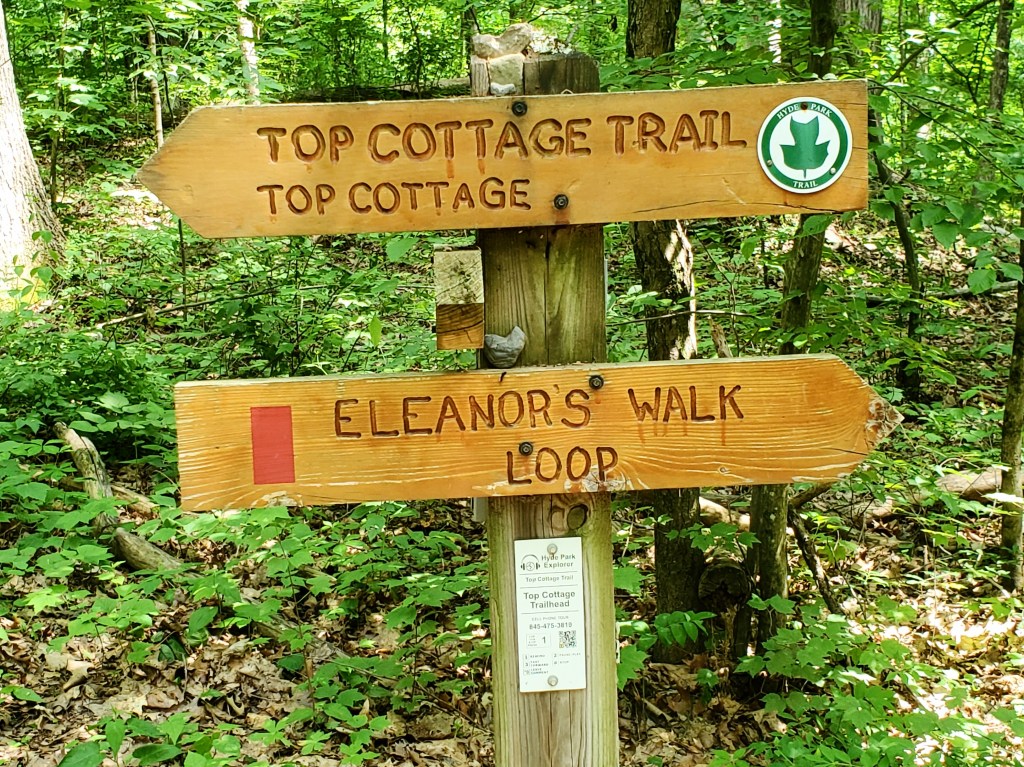
Hikes Not Taken on this trip
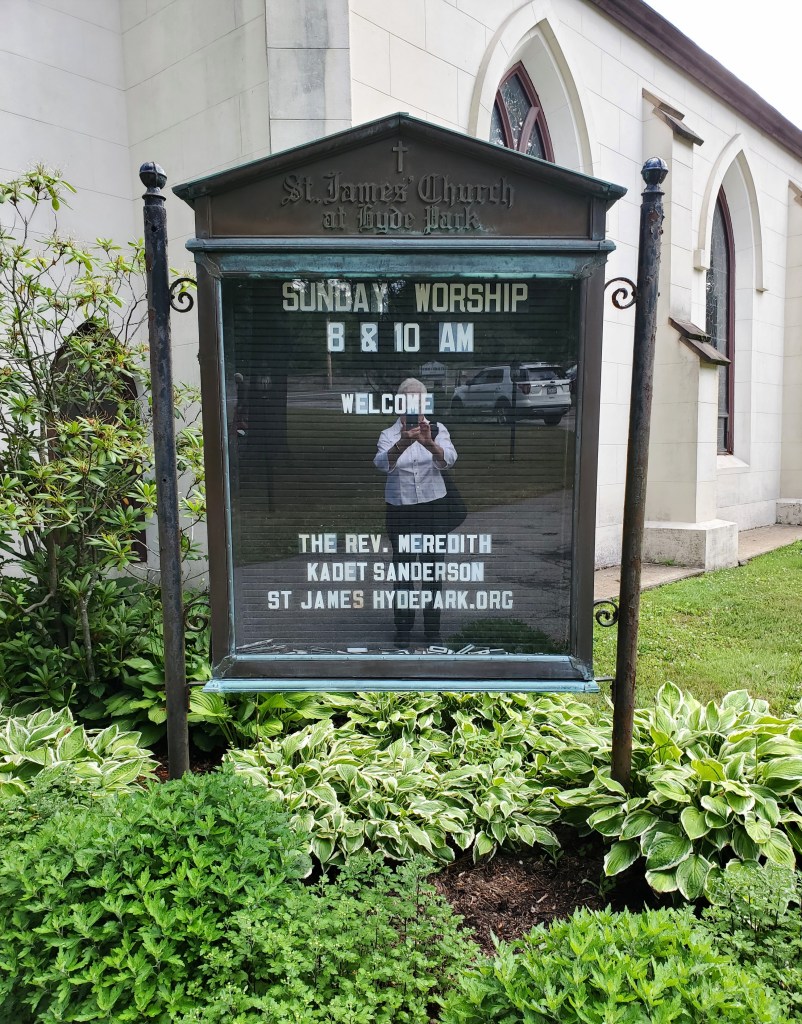
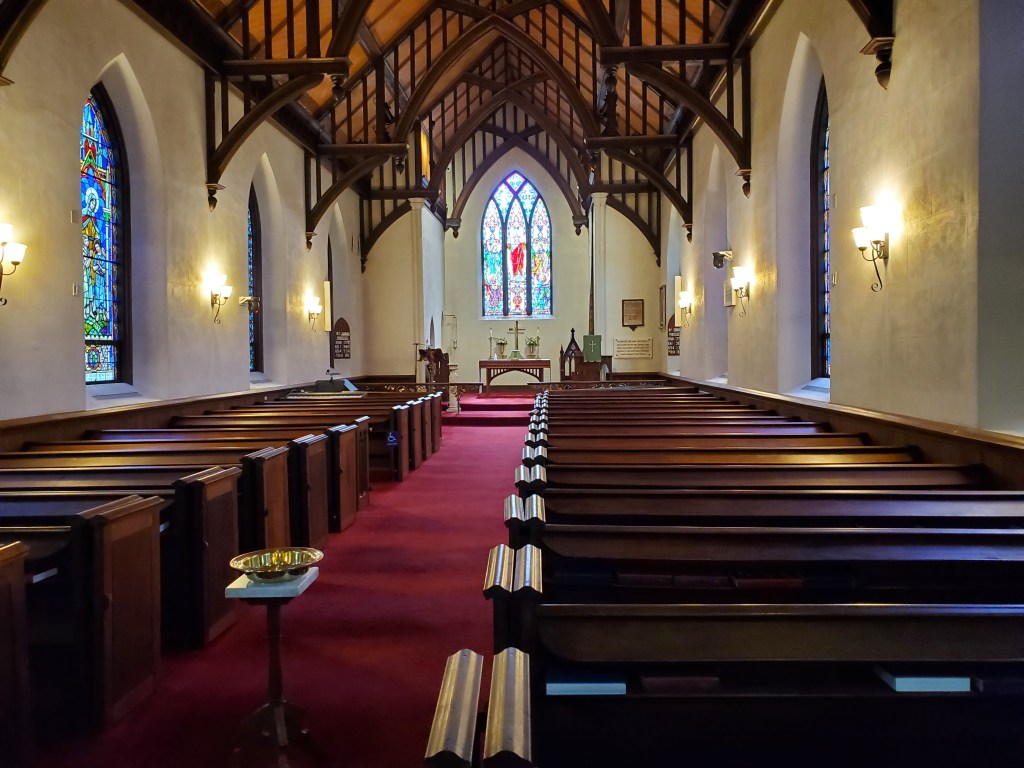
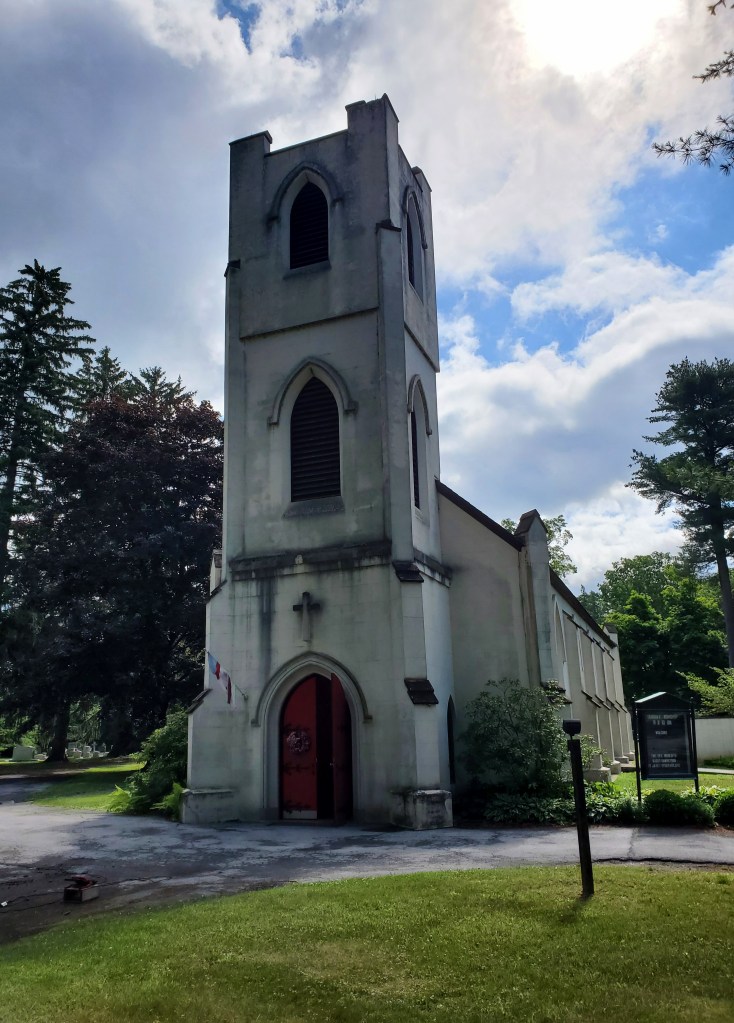
St. James Episcopal Church. Home church of the Roosevelts
I plan to attend on Sunday

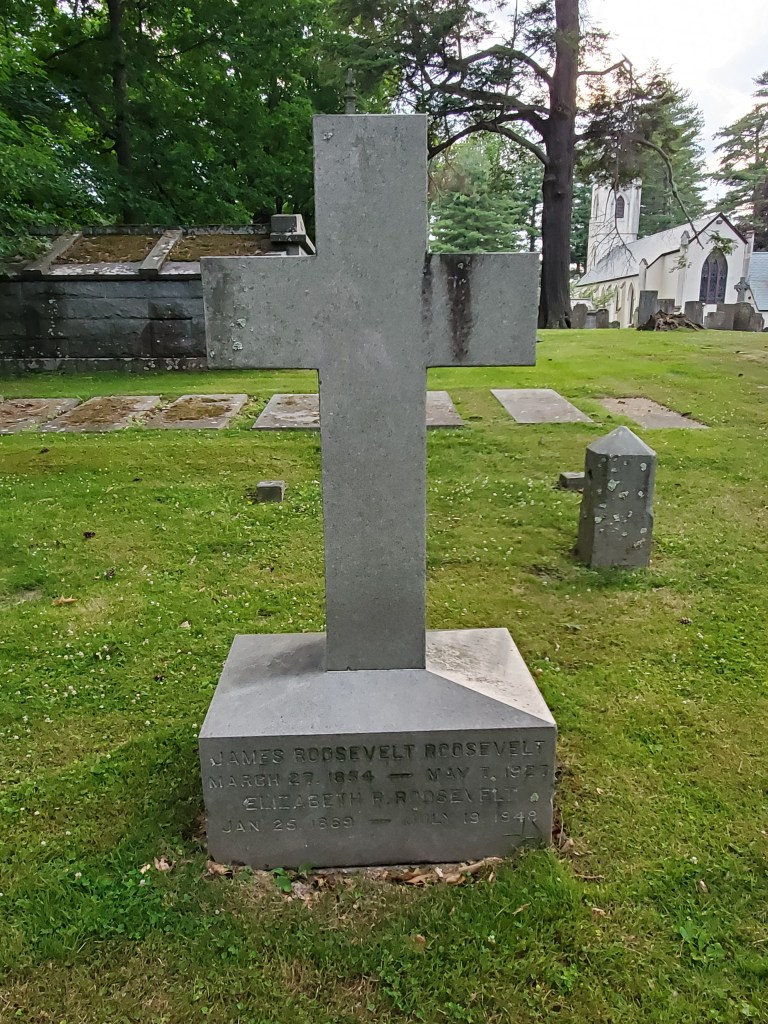
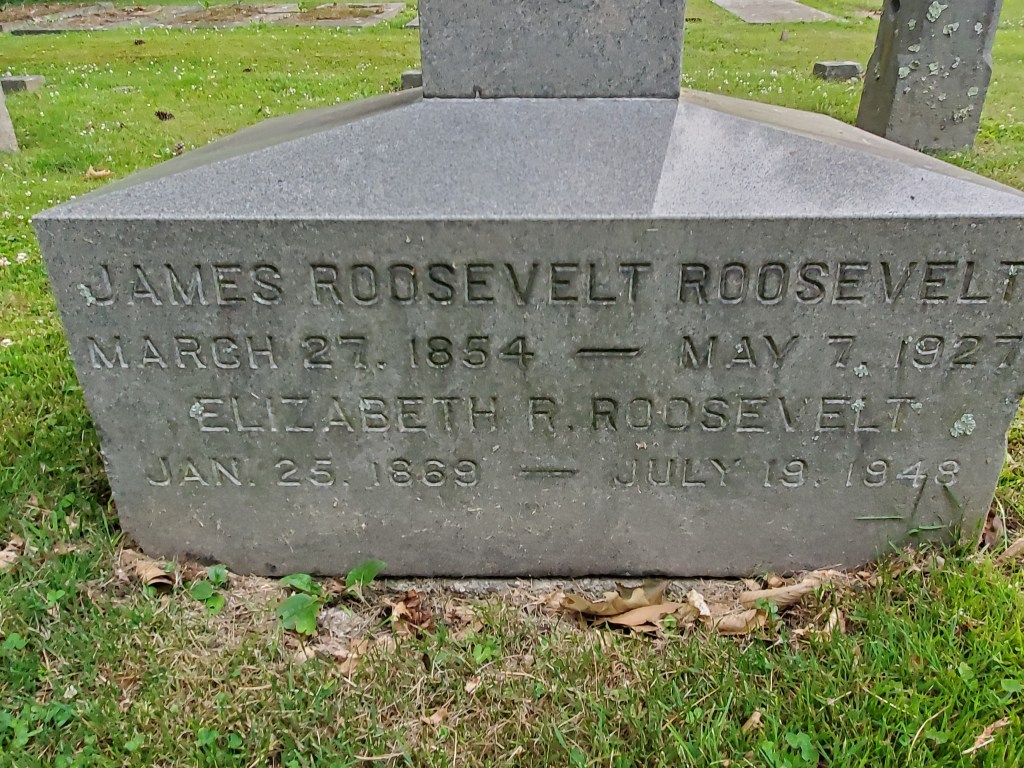
Several generations of Roosevelts are buried here


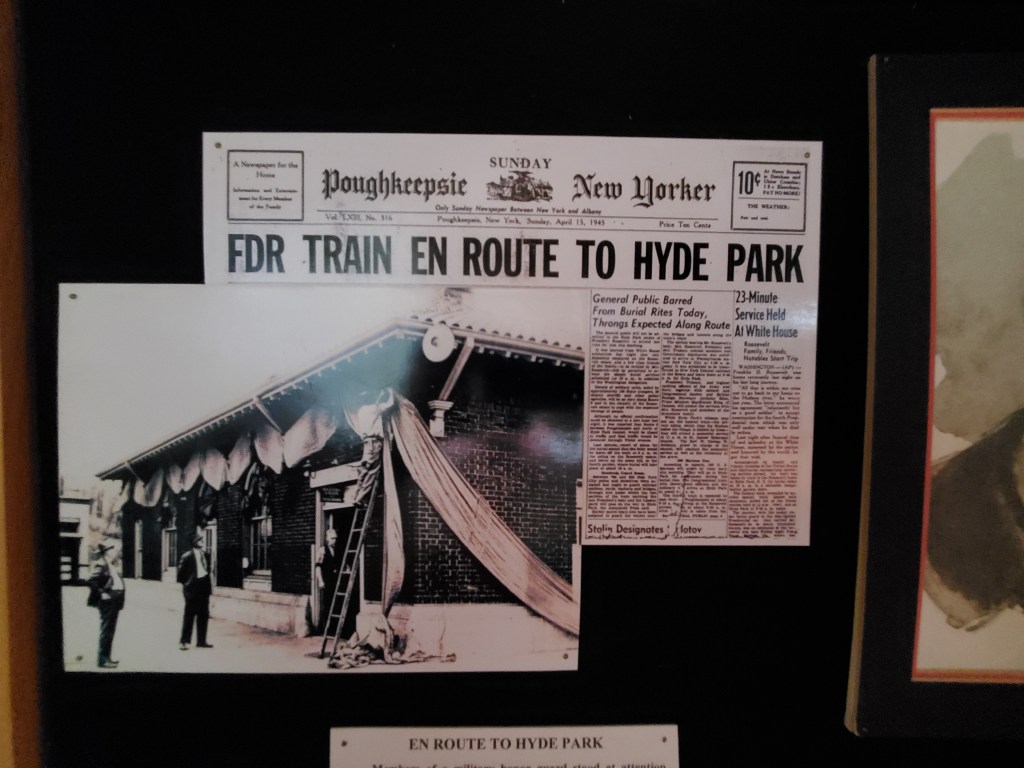
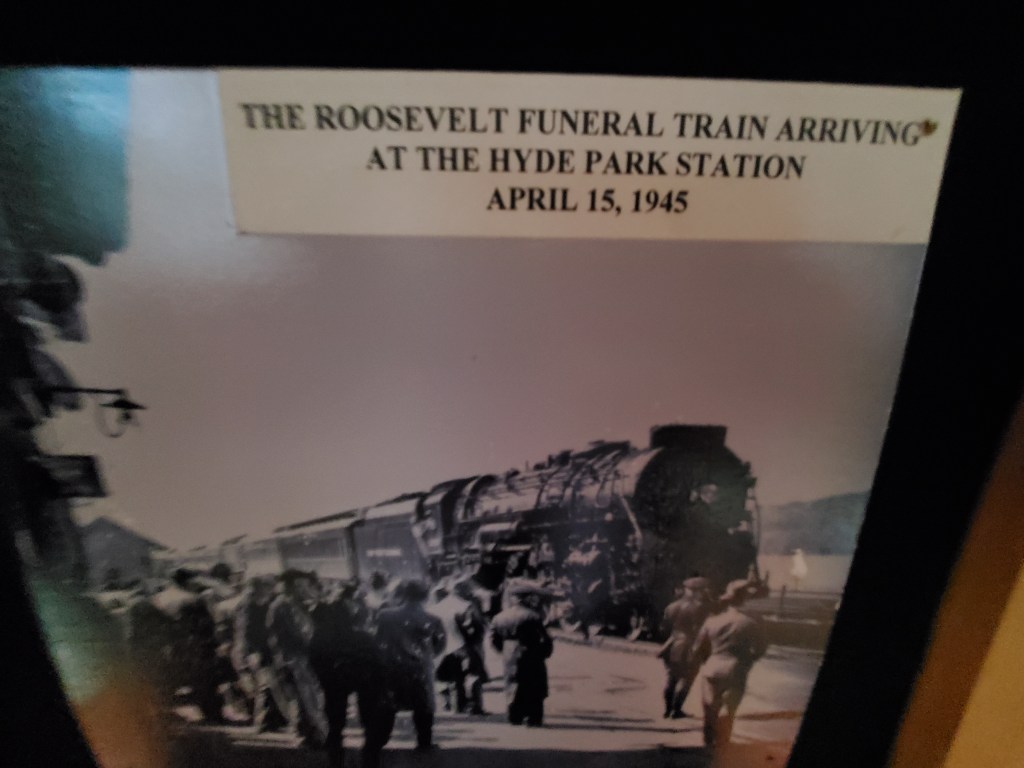
Photos at Hyde Park RR Station of FDR’s Funeral Train


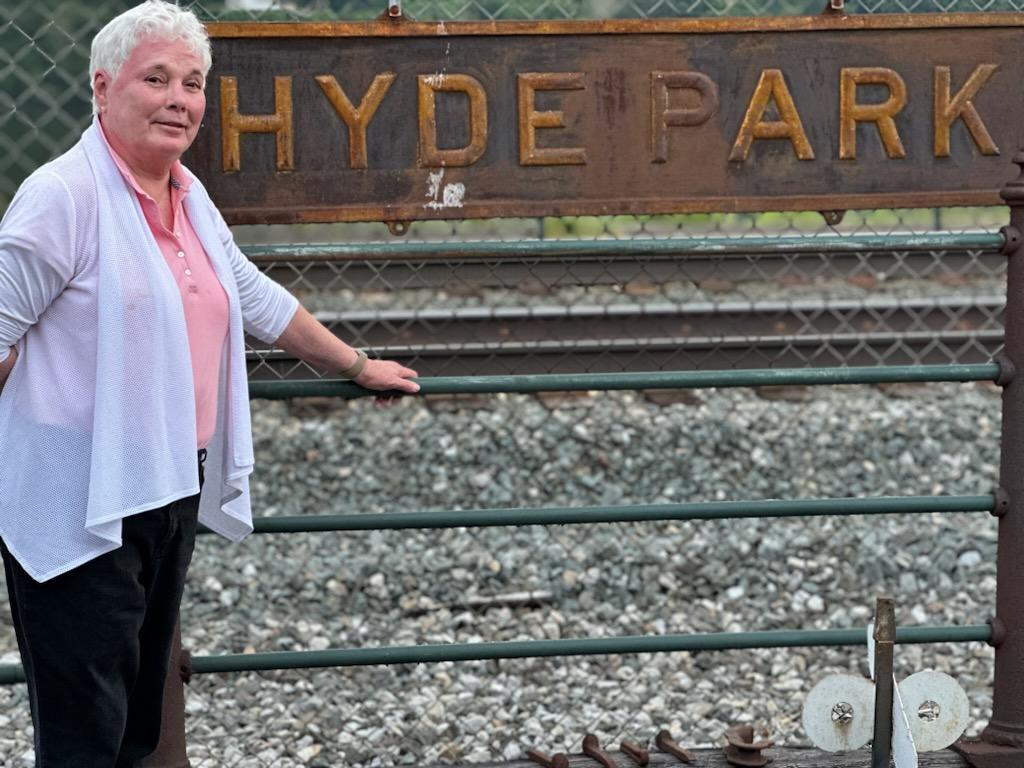
Hyde Park RR Station. No longer in operation.