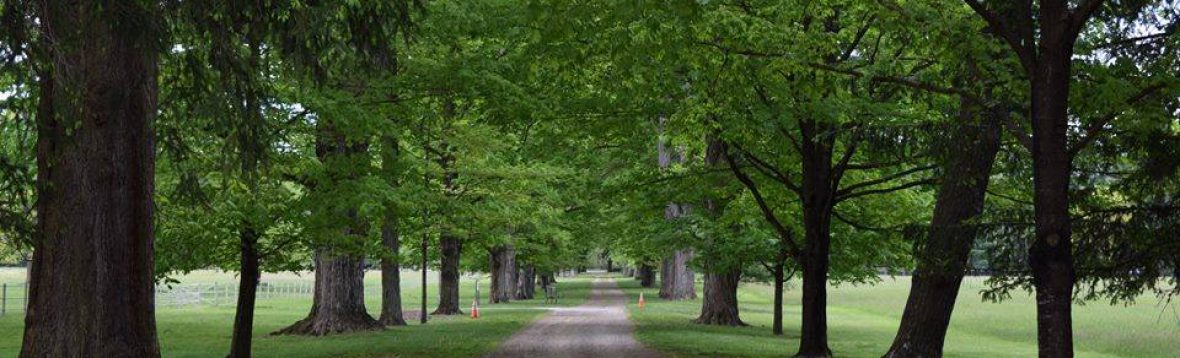
A very rainy morning and was off and on all day. Good day to be a docent..inside!
Guess a lot of other folks wanted to be indoors. The place was packed.
We had 3 docents on duty to handle the number of folks visiting.
So I spent a good deal of time today in the part of the Museum that presents information on FDR’s disability.
Folks seem to have a great interest in that aspect of his life and asked many questions.
On recommendation from one of the Park Rangers, I had been reading The Man He Became by James Tobin. The book discusses FDR’s battle with polio and the impact it had on his life, career and ultimately our American history.
What follows is a very brief summary with photos.
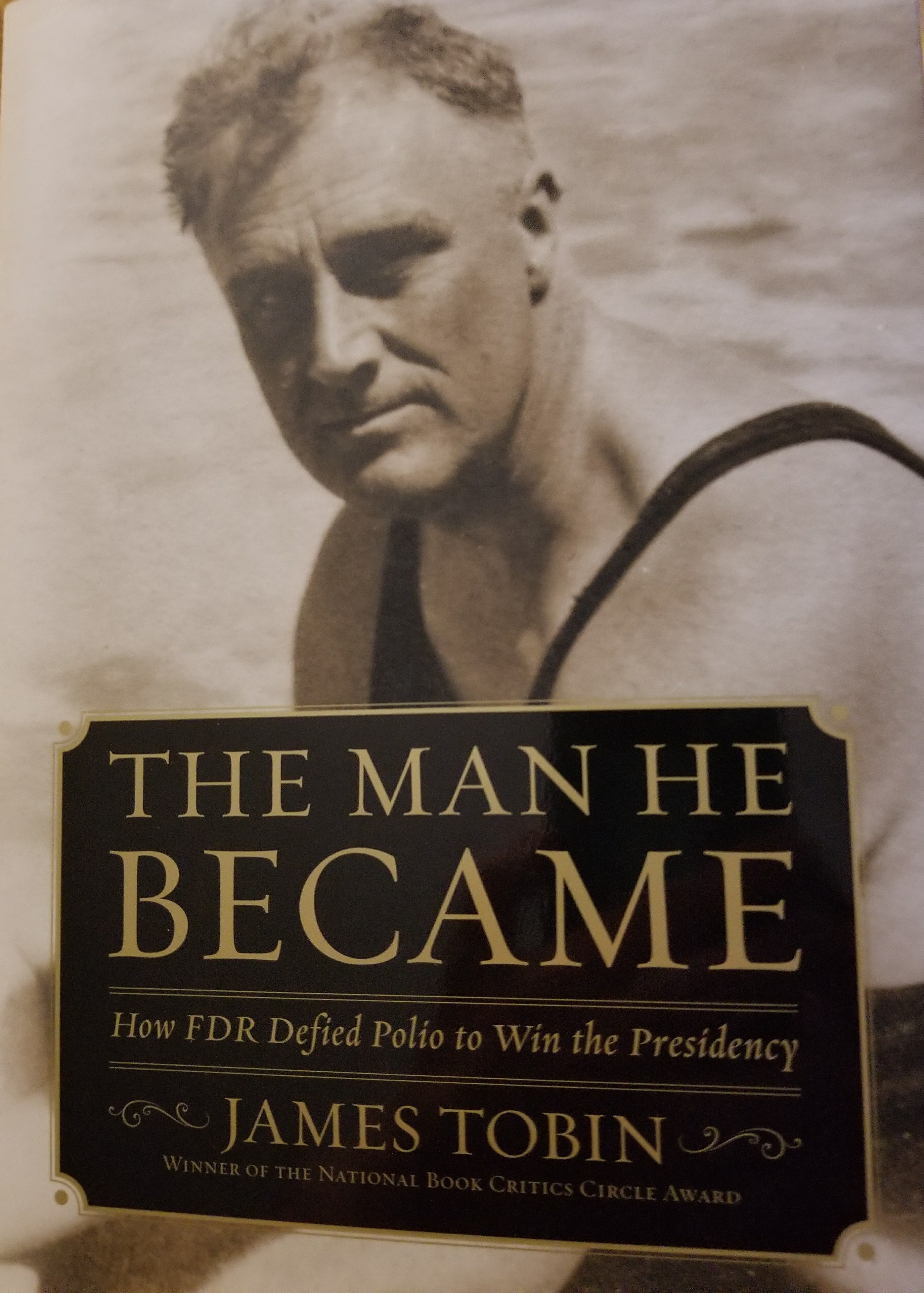
At the age of 39, 1921, while vacationing with family at their home in Campobello, FDR first fell ill and became paralyzed, first in his legs and then the paraylsis spread upward to his neck. and shoulders.
Home in Campobello

View from his bedroom in Campobello

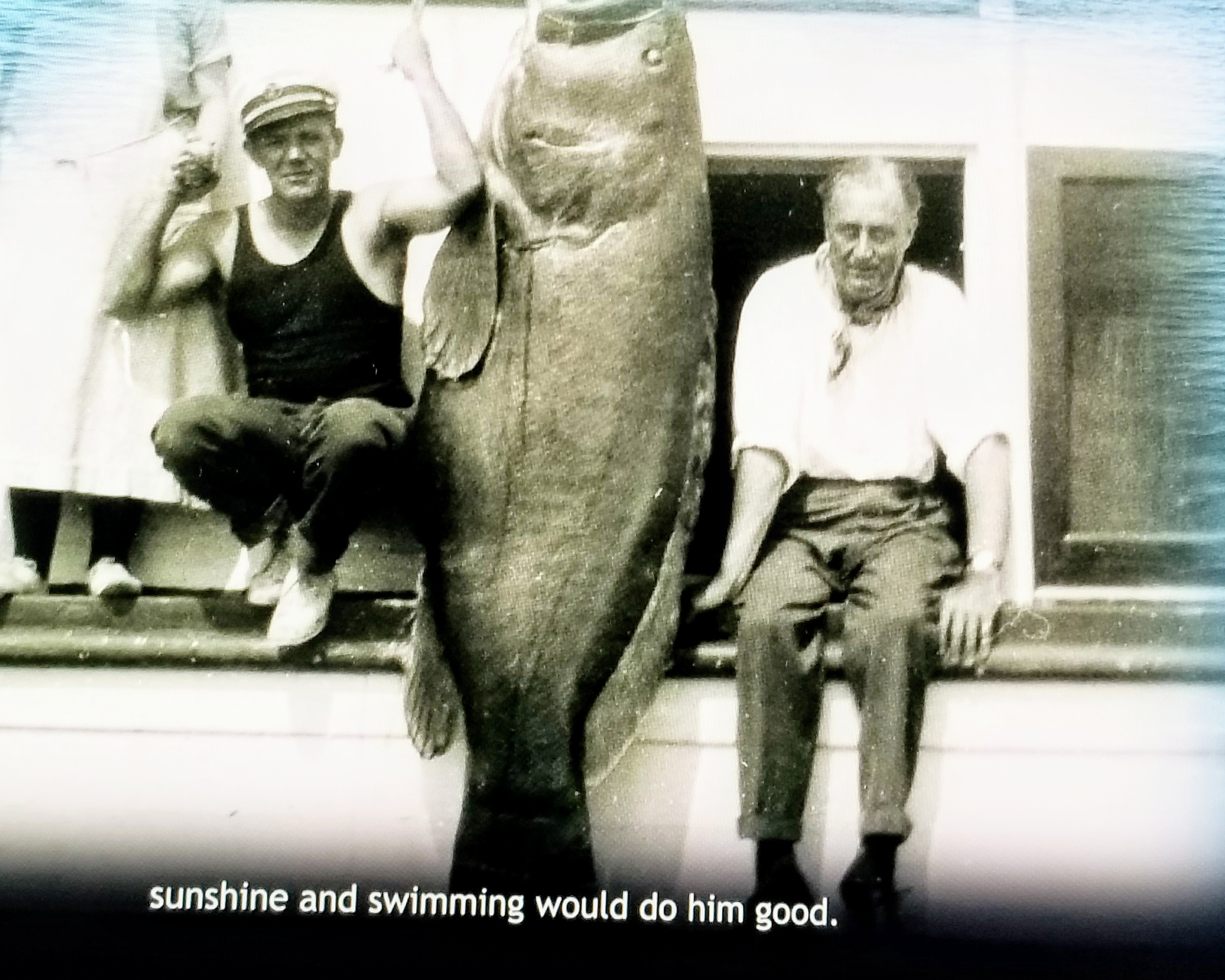
For the next 7 years, FDR’s focus was on rehabilitation. First in the hospital in NYC, then in the townhouse in the city, at Hyde Park, in Florida, and Warm Springs, Ga.
On houseboat in Florida
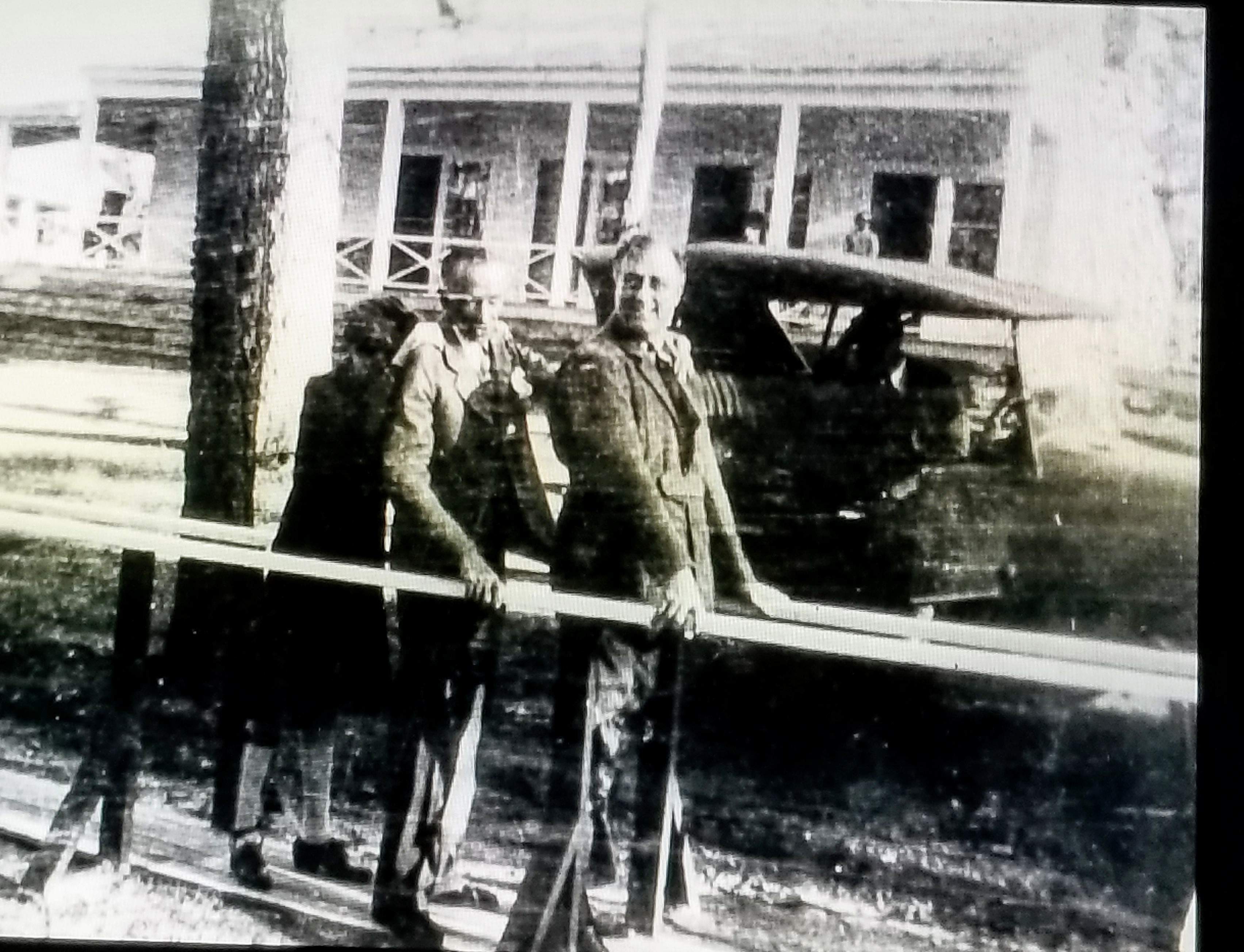
Warm Springs Ga.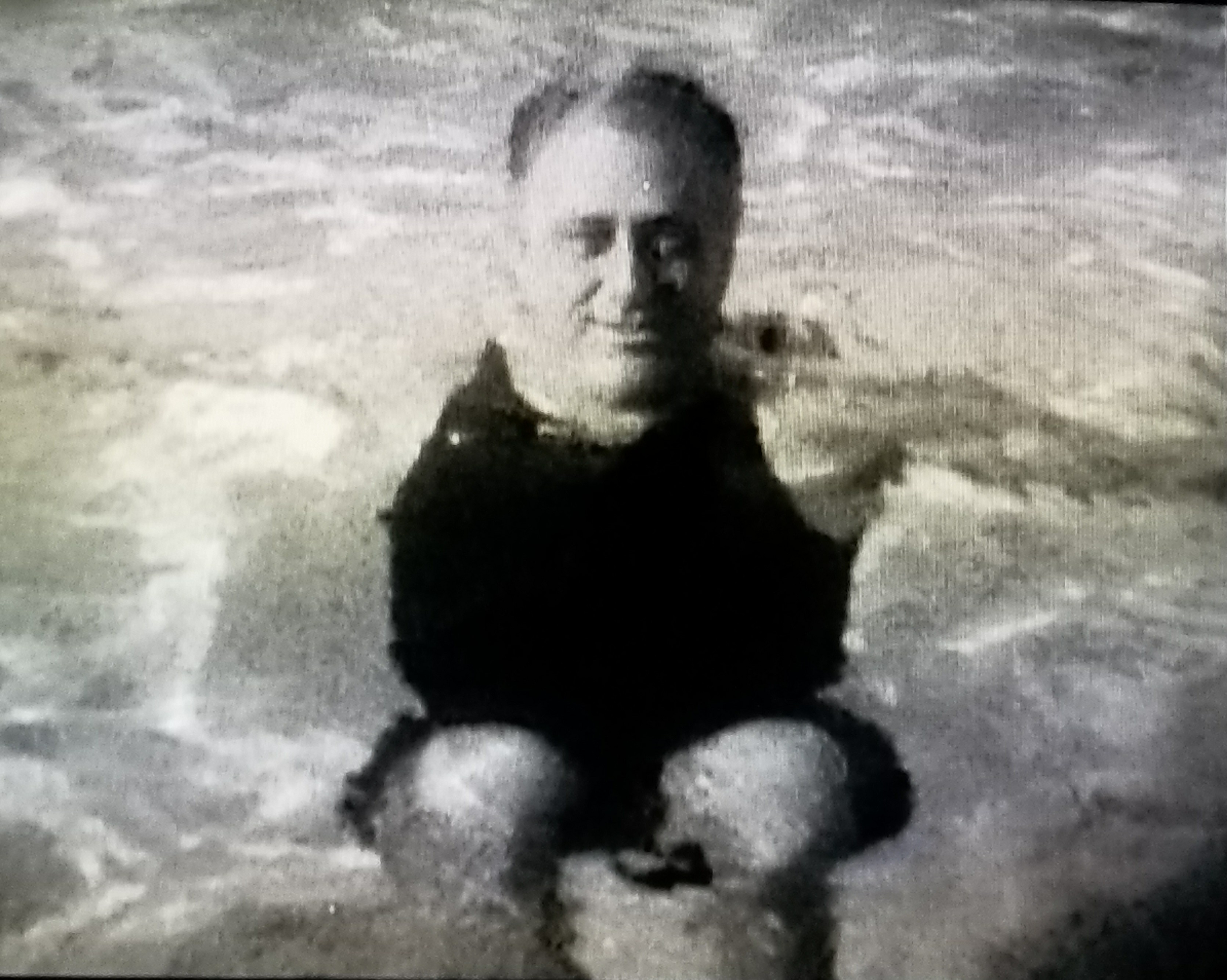
He realized that if he was to ever going to “run” for political office, he had to appear to be able to walk. This illusion was accomplished by using 14 lb. braces, a cane and a strong arm to grasp and steady him.
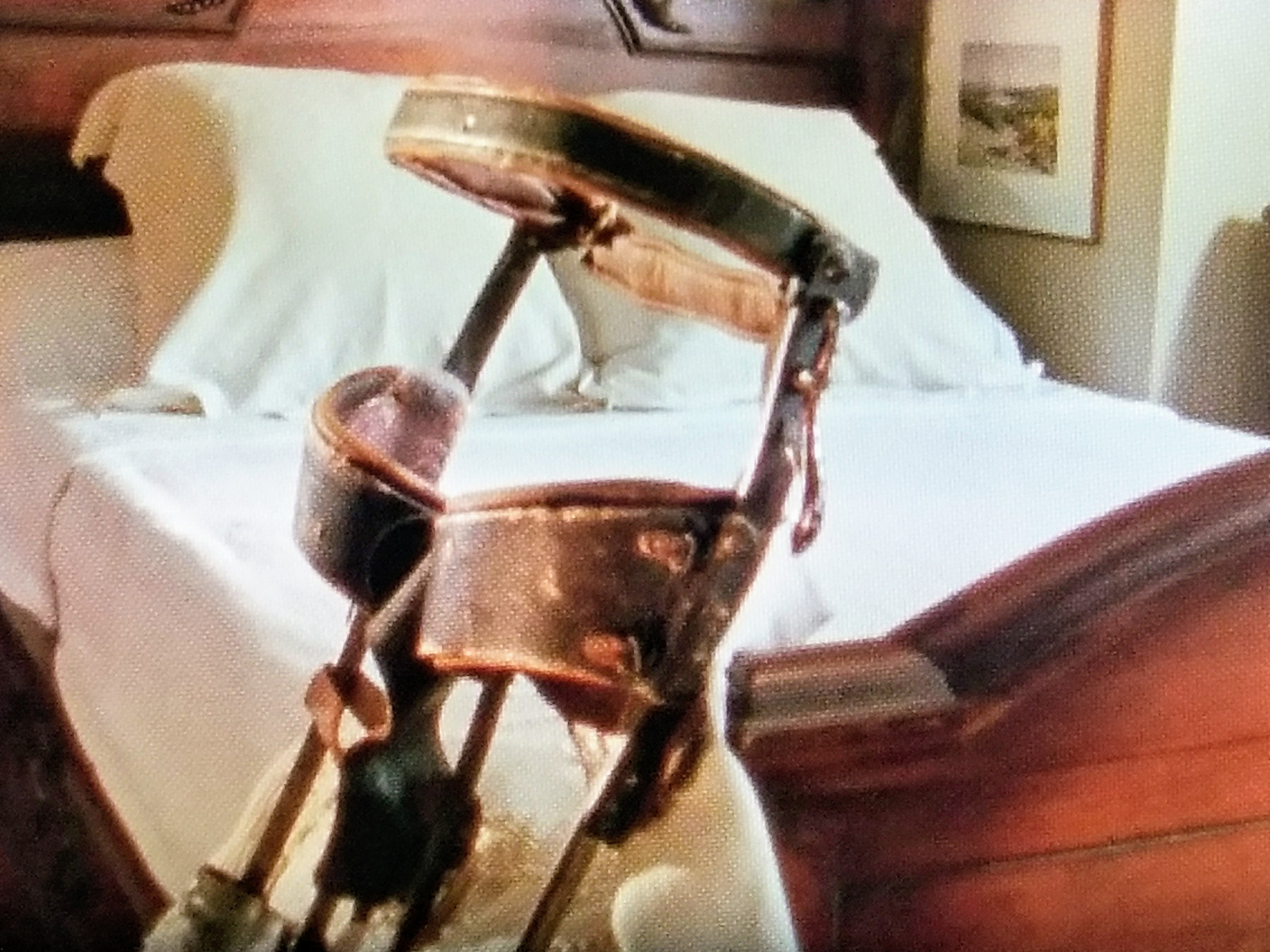
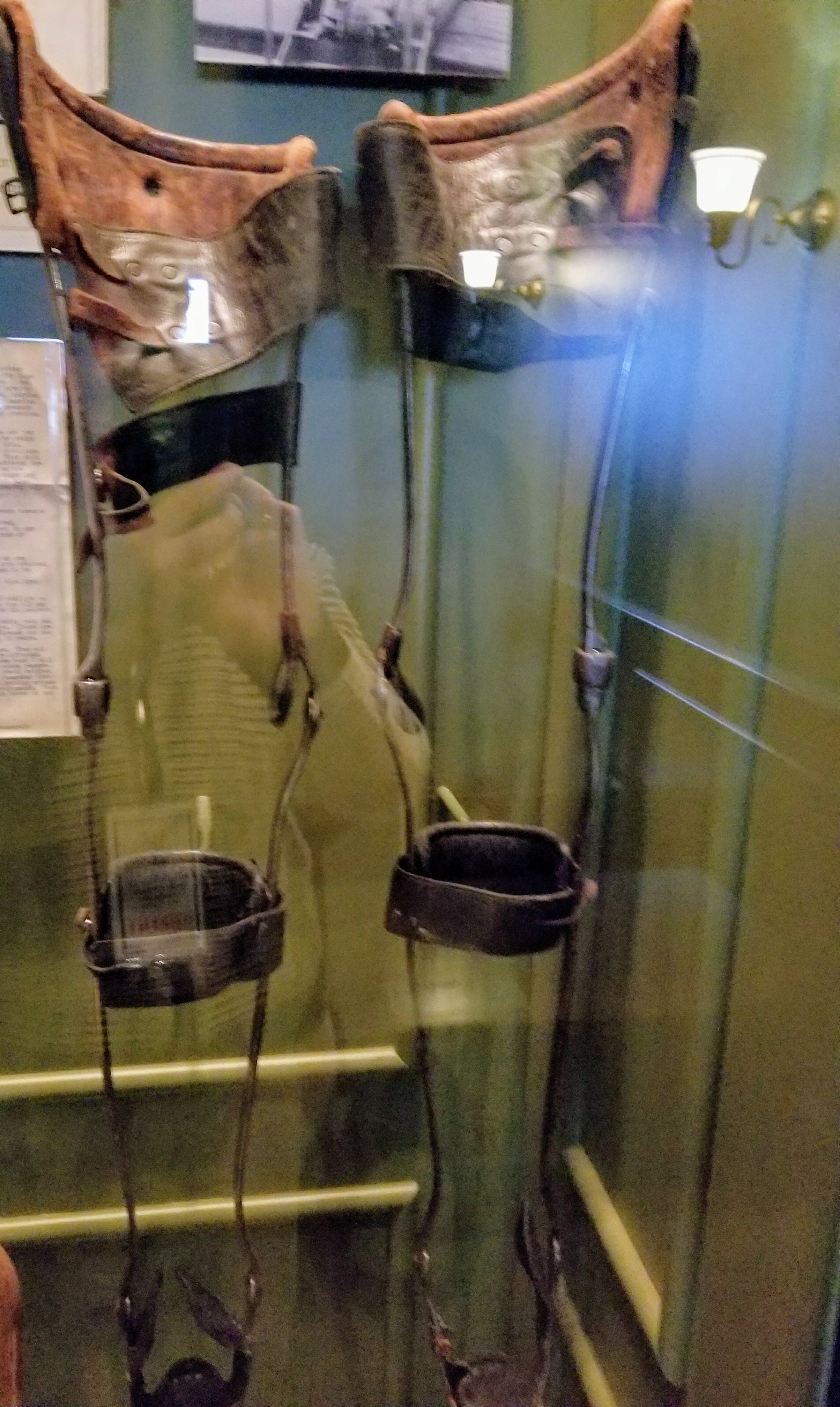
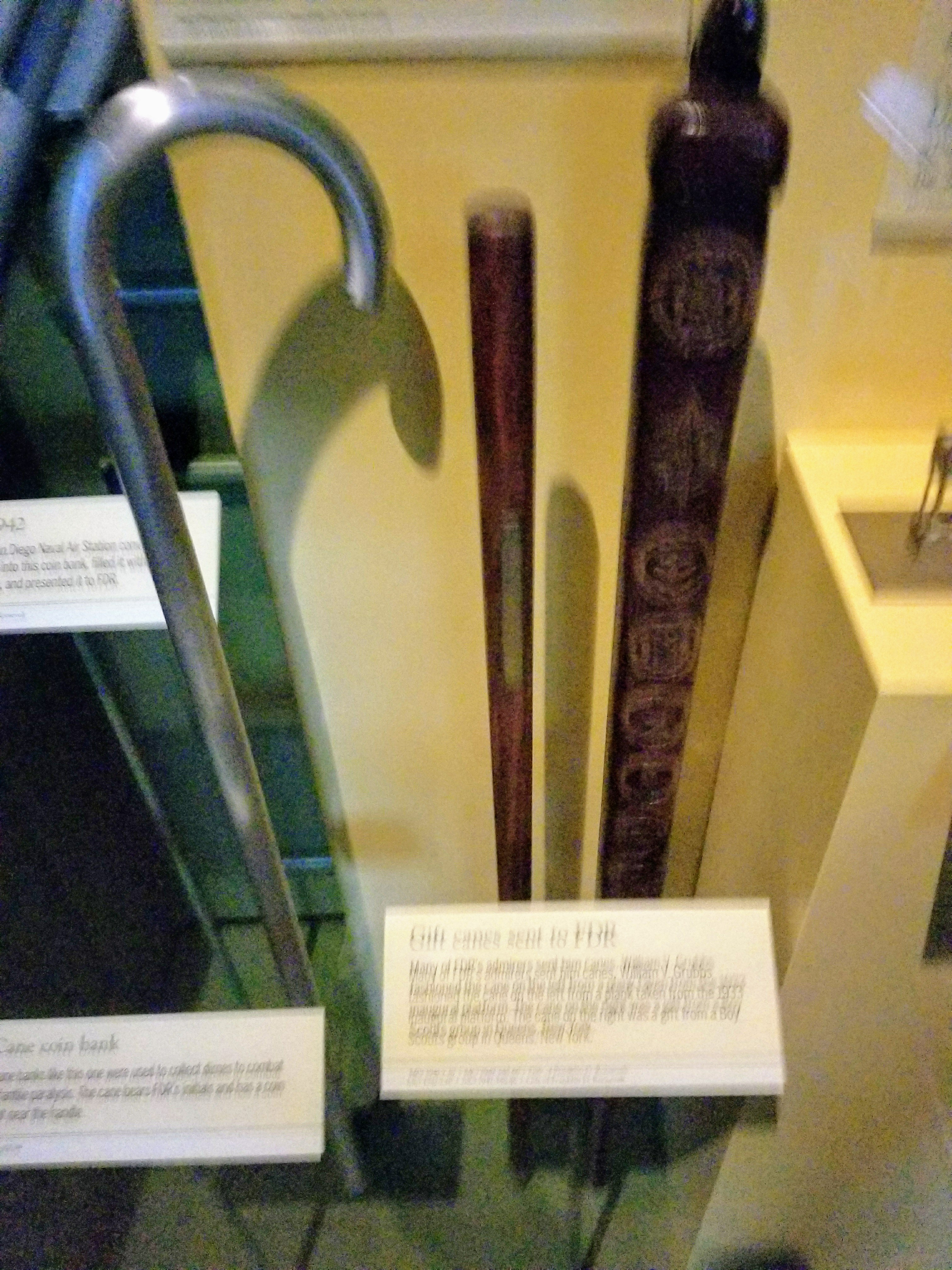
Ultimately, he developed a 2-point walk, using his shoulders to move forward with his hips and legs following. It was dangerous, painful, slow, and only could be endured for short distances. But it worked…and he was back!
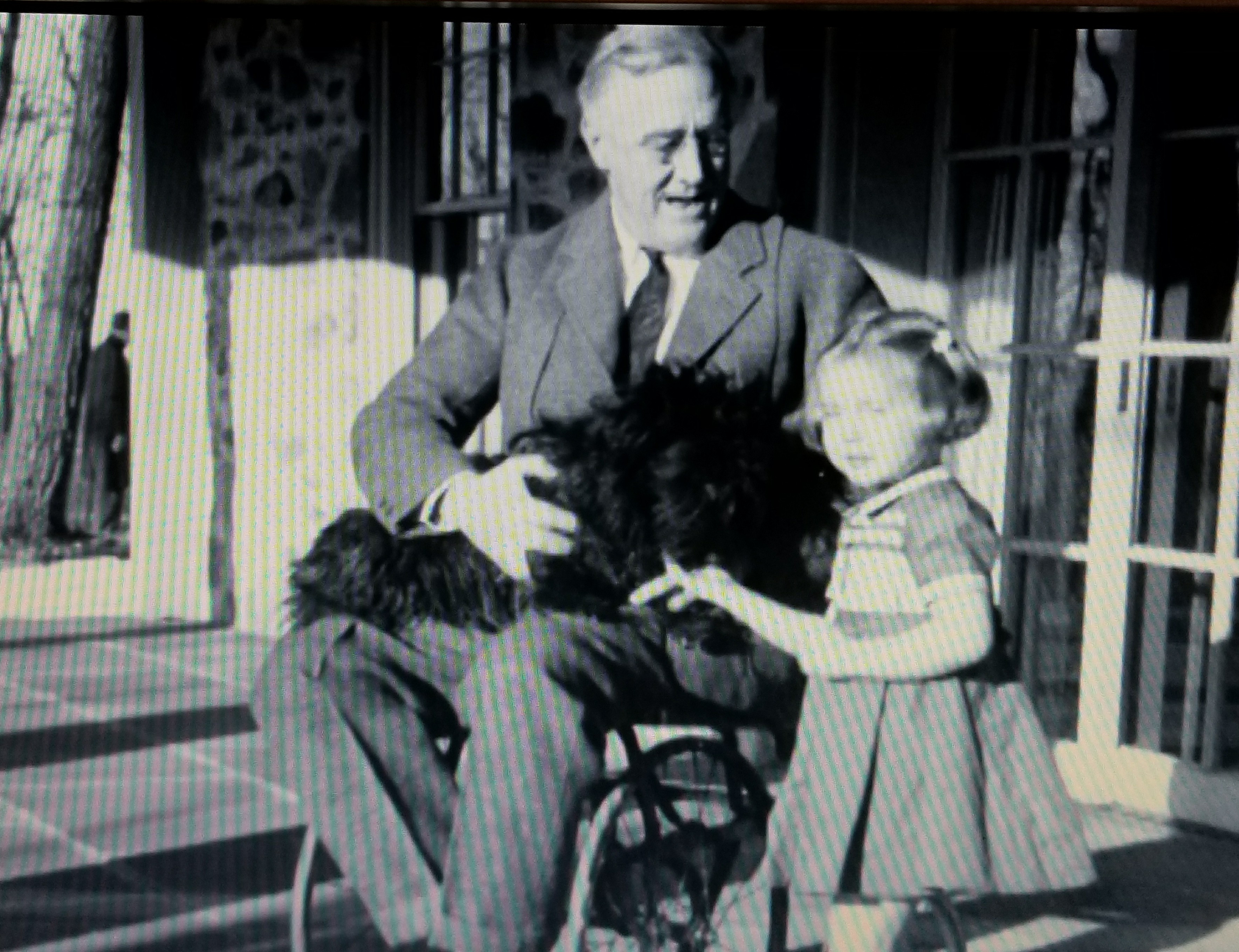
Of the 130,000 total photos of FDR, only 4 show him in his wheelchair
. Can you spot Secret Service??

 Rosy Ramblings